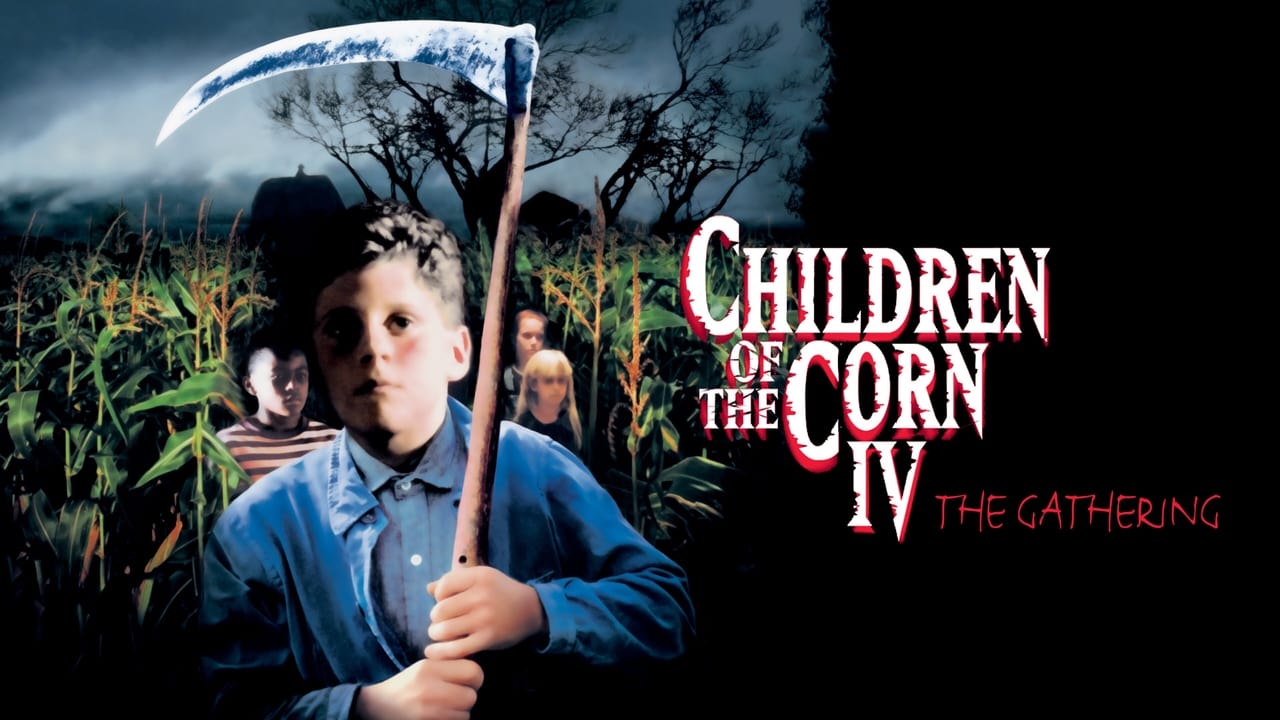
The flickering static of the tracking adjustment fades, revealing the familiar Miramax/Dimension logo, but this isn't the Nebraskan sun of Gatlin. This is something else. Something... cheaper, perhaps, but carrying its own particular strain of late-night dread. The air in Grand Island seems thick not just with summer heat, but with a sickness, a fever dream simmering beneath the placid surface. It’s 1996, the video store shelves are groaning under the weight of endless sequels, and deep within the rows, Children of the Corn IV: The Gathering waits, promising a return to horrors whispered on the wind between the stalks.
Small Town Sickness
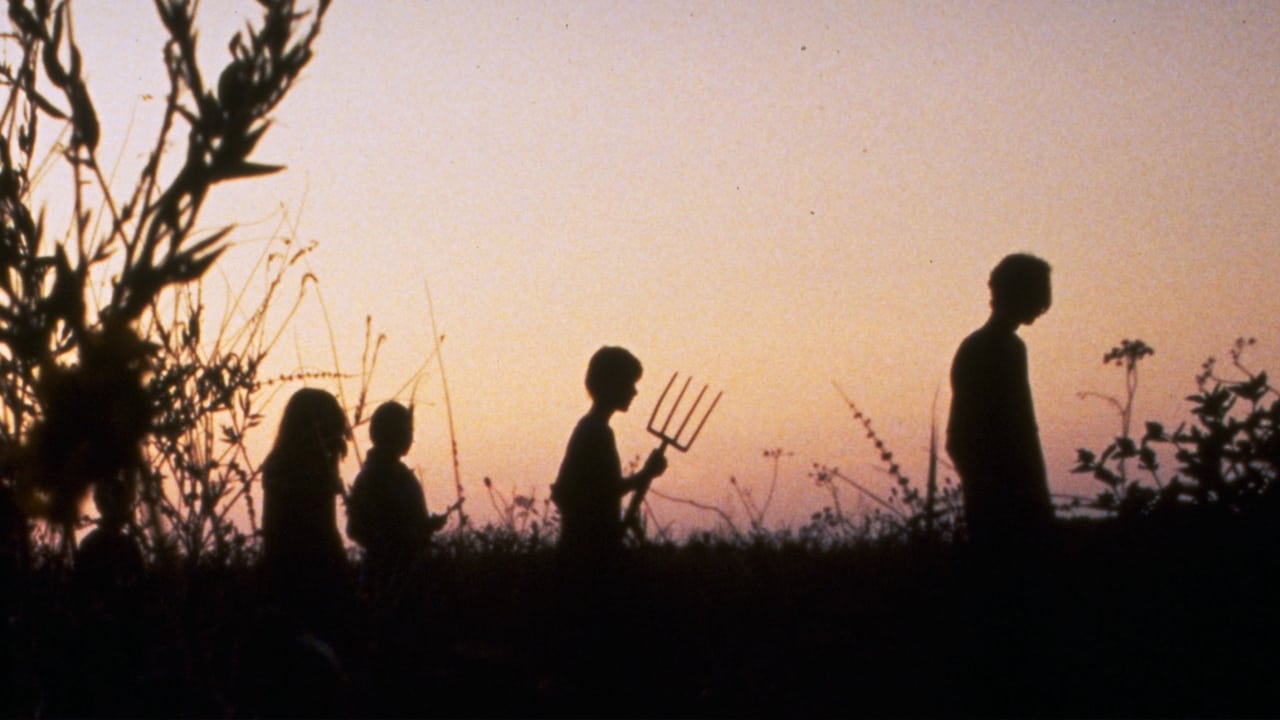
This entry, directed by Greg Spence in his feature debut, detours slightly from the established formula. We follow Grace Rhodes (Naomi Watts), a medical student returning home to care for her agoraphobic mother, June (Karen Black). Almost immediately, Grace notices something deeply wrong. The town's children are succumbing to a mysterious, debilitating fever, exhibiting bizarre symptoms and nightmarish visions. But this isn't just an illness; it’s a prelude. The fever seems to act as a catalyst, awakening something sinister, culminating in the spectral return of Josiah, a malevolent child preacher burned alive years ago. Soon, the afflicted children, led by the chillingly effective Jamie Renée Smith as Margaret, are once again instruments of death, turning on the adults who failed them.
The plot ditches much of the established 'He Who Walks Behind the Rows' mythology, focusing instead on this localized outbreak and Josiah's ghostly influence. It feels less like a direct continuation and more like a remix, grafting a supernatural possession/ghost story onto the killer kid template. While maybe not high art, there’s a certain grim logic to it for a mid-90s direct-to-video offering. It tries, within its limitations, to build a specific kind of unease – the vulnerability of children twisted into menace, the claustrophobia of a small town where everyone knows your business, and now, your potential killer is the kid next door.
Before Mulholland Drive
Of course, the biggest curio here is seeing Naomi Watts years before Mulholland Drive (2001) catapulted her to stardom. Fresh off films like Tank Girl (1995), she brings a grounded sincerity to Grace that elevates the material considerably. You see glimpses of the intensity and emotional depth that would define her later career, even amidst killer kid shenanigans and questionable fever effects. It's fascinating to watch her navigate this, lending a layer of unexpected quality. Reportedly, Watts took the role partly out of necessity, needing the work during a leaner period early in her Hollywood journey. It's a testament to her talent that she commits fully, making Grace a relatable anchor in the escalating chaos.
Pairing her with the legendary Karen Black (Trilogy of Terror (1975), House of 1000 Corpses (2003)) as her disturbed mother adds another layer of genre pedigree. Black, ever the professional, delivers a performance steeped in nervous energy and fragmented memories, embodying the town's buried secrets. Her scenes with Watts have a genuine, albeit frayed, connection that adds a touch of emotional weight often missing in DTV sequels.
The Gathering Gloom and DTV Grit
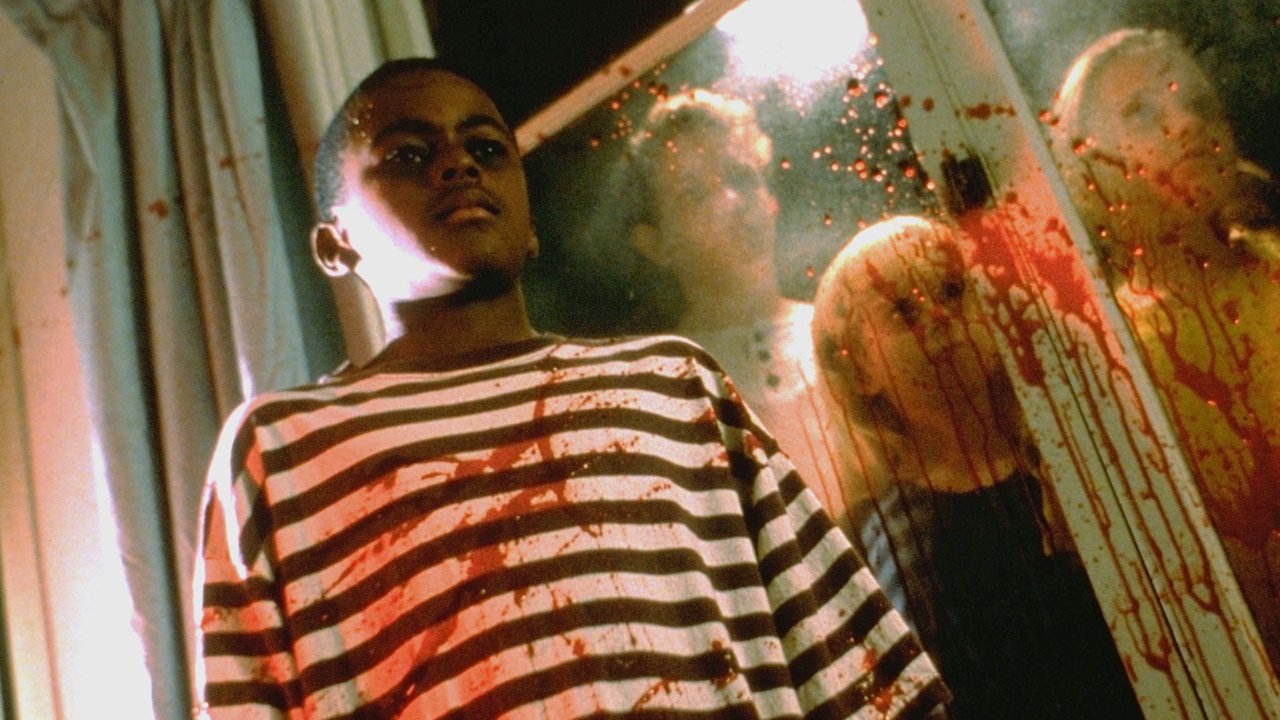
Filmed primarily in and around Austin, Texas – standing in for Nebraska – The Gathering possesses that distinct mid-90s DTV aesthetic. The lighting is often stark, the sets functional, and the practical effects, while earnest, show their seams. Remember the scene where Josiah manifests with that skeletal, stretched-skin look? It aimed for Cronenbergian body horror but landed somewhere closer to ambitious Halloween mask. Yet, there's an undeniable charm to this era's effects work – the tangible, physical nature of the scares, even when slightly unconvincing, often feels more viscerally unsettling than slick CGI. The makeup on the feverish children, with their pale skin and dark eyes, is simple but effective in creating a sense of wrongness.
Dimension Films, through its 'Dimension Home Video' label, was actually launching its direct-to-video production arm with this film. Costing around $1.5 million, it represented a calculated bet on the enduring power of a known horror franchise on the lucrative VHS rental market. While Greg Spence does his best to wring tension from the scenario, particularly in the claustrophobic house sequences and the genuinely creepy imagery of the children assembling, the film occasionally struggles with pacing and leans into predictable jump scares. The score, typical of the time, often telegraphs the frights but occasionally hits an effectively melancholic note reflecting the town's decay.
Harvesting the Verdict
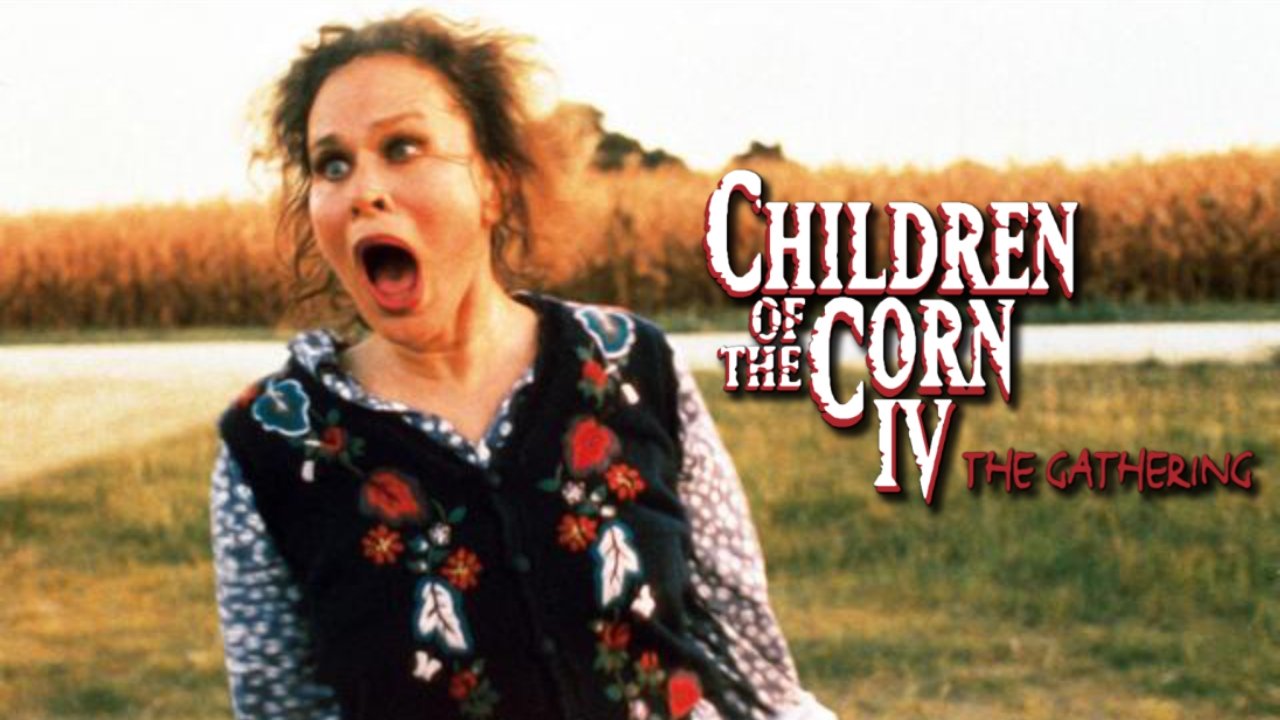
Children of the Corn IV: The Gathering is undeniably a product of its time and its format. It's a mid-franchise sequel churned out for the home video market, lacking the raw, folk-horror power of the original 1984 film. However, judged on its own terms as a piece of 90s DTV horror, it offers more than you might expect. The premise has a nasty little hook, the central performances from Naomi Watts and Karen Black are far better than the material strictly requires, and there are moments of effective, low-budget atmosphere. It doesn't reinvent the cornfield, but it tills the soil with a certain grim determination. Does it still chill the blood decades later? Probably not profoundly, but the sight of those feverish, blank-eyed children might still evoke a flicker of that old unease.
Rating: 5/10
This score reflects its status as a competent, if unremarkable, DTV sequel elevated by strong lead performances and a few genuinely creepy moments. It’s far from the worst the franchise would offer, and for fans tracking Naomi Watts' early career or those with a soft spot for 90s video store horror staples, it provides a perfectly watchable, slightly unsettling trip back to a time when horror sequels grew as prolifically as weeds in Nebraska… or, in this case, Texas. It’s a curious artifact, a gathering of familiar tropes with just enough unexpected talent to make you nod in appreciation, even if you don't exactly shudder.