Okay, fellow tapeheads, dim the lights and adjust the tracking. Tonight, we’re sliding a well-worn cassette into the VCR, the magnetic ribbon whispering promises of urban warfare disguised as high school education. We're talking about The Substitute (1996), a film that took the already simmering "inspirational teacher tackles tough school" genre of the 90s and strapped it with C4.

Forget apples on the desk; Jonathan Shale brings military tactics. The core premise hits with the subtlety of a boot to the chest: Tom Berenger, fresh from the jungles of fictional wars, steps into the polished shoes of a substitute teacher at Miami's Columbus High School. He's not there to inspire young minds with Shakespeare – though he does, with menacing intensity – he's there because his girlfriend, fellow teacher Jane Hetzko (Diane Venora), got her kneecap shattered by gang members affiliated with the school. Shale, operating under the alias James Smith, isn't just covering her classes; he's on a reconnaissance mission that quickly escalates into a full-blown covert operation against a drug ring operating with impunity within the school's very walls.
Welcome to the Warzone
What immediately sets The Substitute apart is its refusal to romanticize the situation. Director Robert Mandel, who previously gave us the clever practical effects trickery of F/X (1986), crafts a vision of Miami's educational system that feels less like Dangerous Minds and more like a demilitarized zone. The hallways crackle with tension, the classrooms are battlegrounds for respect, and the threat of violence is palpable. This isn't just inner-city grit; it's presented as outright systemic failure, a breeding ground for the film's central conflict. The choice to shoot on location in Miami adds an undeniable layer of humid, sun-baked authenticity to the decay.
Berenger Brings the Pain
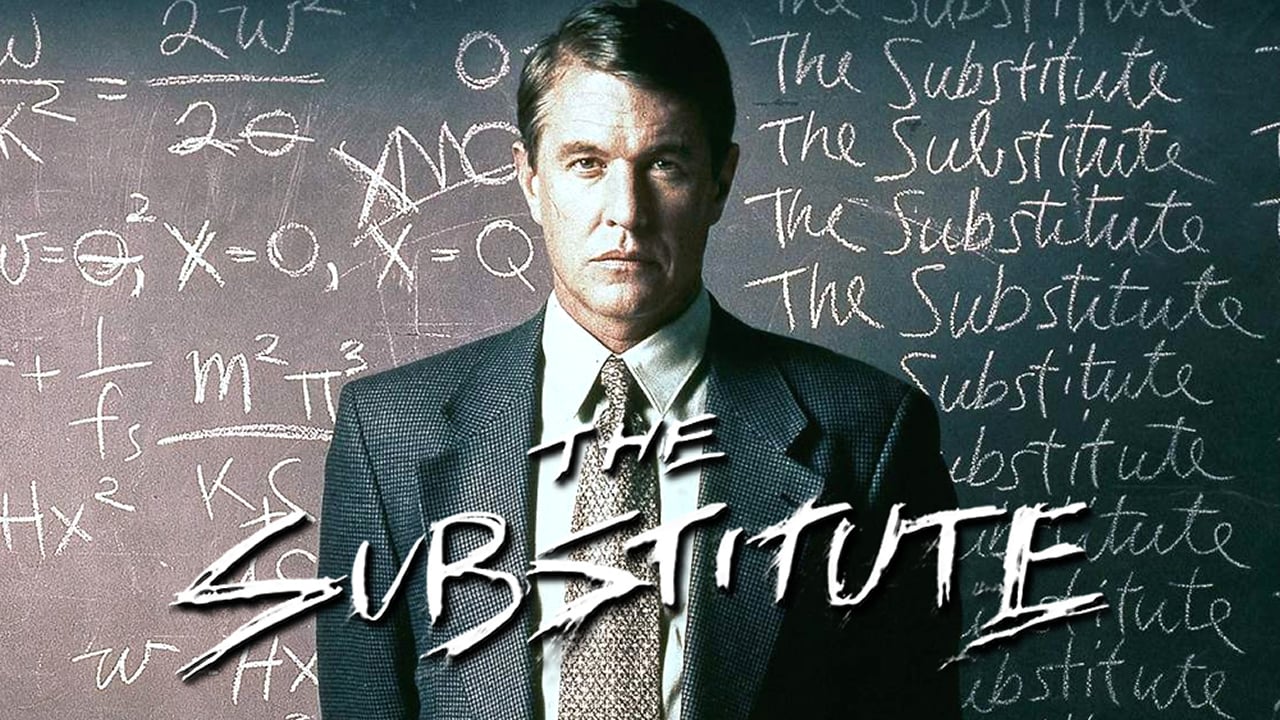
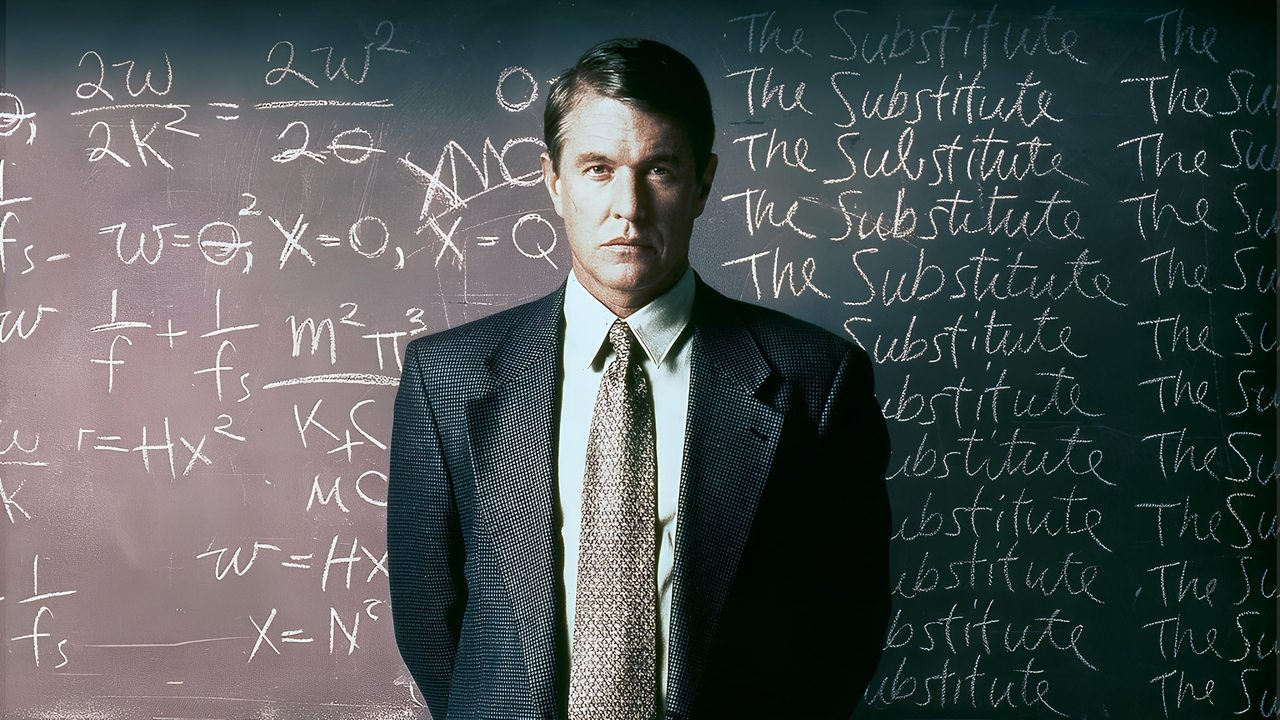
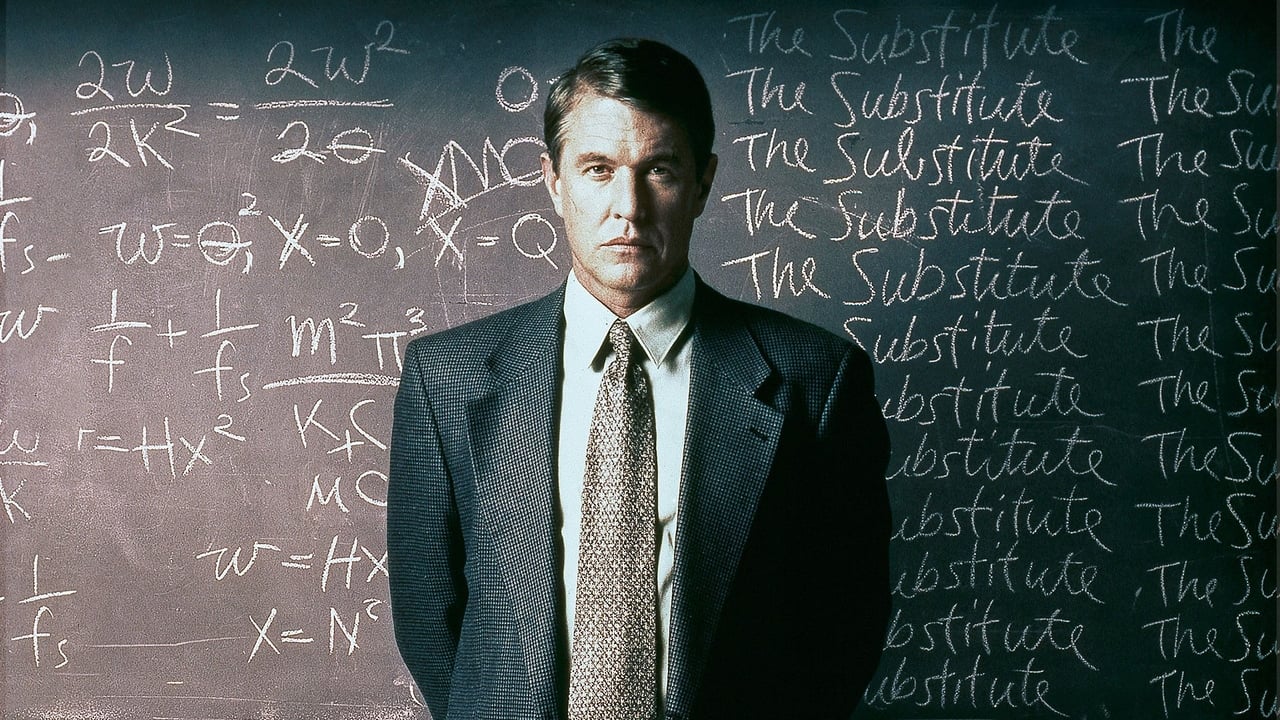
Tom Berenger is perfectly cast as Shale. With his steely gaze and gravelly voice, he embodies the weary but lethally capable soldier thrust into an environment arguably more unpredictable than any battlefield. He sells Shale's transition from mere investigator to righteous vigilante believably. Watching him calmly dismantle classroom disruptions with psychological warfare one minute, then apply brutal, efficient mercenary skills the next, is the film's dark, pulpy heart. Remember that sickening crunch when he deals with the first troublesome student? It’s a declaration: class is in session, and the curriculum involves pain. Shale’s methods are extreme, blurring the lines between protector and predator, and the film leans into that uncomfortable reality. Does his brand of discipline genuinely scare you as much as it likely did those poor fictional delinquents?
Opposite him, Ernie Hudson (forever beloved as Winston Zeddemore in Ghostbusters (1984)) delivers a compelling performance as Principal Claude Rolle. He projects authority and concern, but beneath the surface simmers a chilling corruption, making him a far more insidious threat than the street-level thugs. And look closely at the leader of the Kings of Destruction gang, Juan Lacas – that's a young, pre-superstardom Marc Anthony, already commanding the screen with palpable menace.
Lessons in Mayhem: Retro Fun Facts
The script itself has an interesting pedigree. Co-written by Roy Frumkes, whose name might ring a bell for cult horror aficionados from his work on the grimy classic Street Trash (1987), it supposedly drew inspiration from Frumkes' own challenging experiences as a teacher in the South Bronx. Knowing this adds a layer of grim authenticity to the classroom chaos, even amidst the heightened action. The screenplay was reportedly kicking around for years before finally getting made. It's a fascinating blend of gritty realism derived from Frumkes' background and the high-octane action sensibilities required for a 90s thriller, co-penned with Alan Ormsby (another horror vet from Children Shouldn't Play with Dead Things) and Rocco Simonelli.
Despite its solid cast and action credentials, The Substitute didn't exactly set the box office alight, grossing only around $6 million against a $14 million budget. But like so many films of its era, it found a dedicated second life on VHS and cable, becoming something of a minor cult classic. I distinctly remember the imposing cover art staring out from the shelves of my local video store, practically daring you to rent it. Its straightforward, no-nonsense approach clearly struck a chord with audiences looking for solid R-rated action. This video afterlife was potent enough to spawn three direct-to-video sequels, though Tom Berenger wisely tapped out, passing the substitute torch to Treat Williams.
Calculating the Final Grade
The Substitute isn't high art, nor does it pretend to be. The plot is fairly predictable, and its portrayal of urban youth leans heavily into stereotypes of the era. But as a piece of unapologetic 90s action filmmaking, it absolutely delivers. It's tense, often brutal, and anchored by a commanding central performance from Berenger. The action sequences, particularly the explosive finale involving Shale calling in his old mercenary buddies (Luis Guzmán and Raymond Cruz among them!), are well-staged and satisfyingly over-the-top, showcasing Mandel's knack for practical thrills. It taps into that fantasy of the lone, capable individual cleaning up a corrupt system, albeit with extreme prejudice. Doesn't that kind of straightforward, cathartic action feel like a hallmark of the era?

Rating: 7/10
Justification: The score reflects a solid, well-executed 90s action thriller with a great central performance and memorable premise. It delivers on its promise of gritty action and tension, making excellent use of its star and setting. Points are deducted for predictability, reliance on some dated tropes, and a script that prioritizes action over deeper characterization or nuance. However, its B-movie heart and effectiveness as a genre piece earn it a strong recommendation for fans of the era.
Final Thought: The Substitute remains a potent dose of 90s action nostalgia – a film that knew exactly what it wanted to be and executed it with ruthless efficiency, much like Shale himself dispatching trouble in the hallways of Columbus High. It’s a perfect slice of VHS-era pulp fiction.