Here we go, settling into the comfy armchair with a film that feels less like a blockbuster spectacle and more like eavesdropping on an intensely personal, sometimes painfully funny, family meltdown. Remember those slightly more obscure titles you might have picked up from the 'World Cinema' shelf at the video store, hoping for something different? Cédric Klapisch's Family Resemblances (original title: Un air de famille) from 1996 was exactly that kind of discovery – a film that doesn’t rely on explosions or car chases, but on the slow-burn detonations that happen around a dinner table.
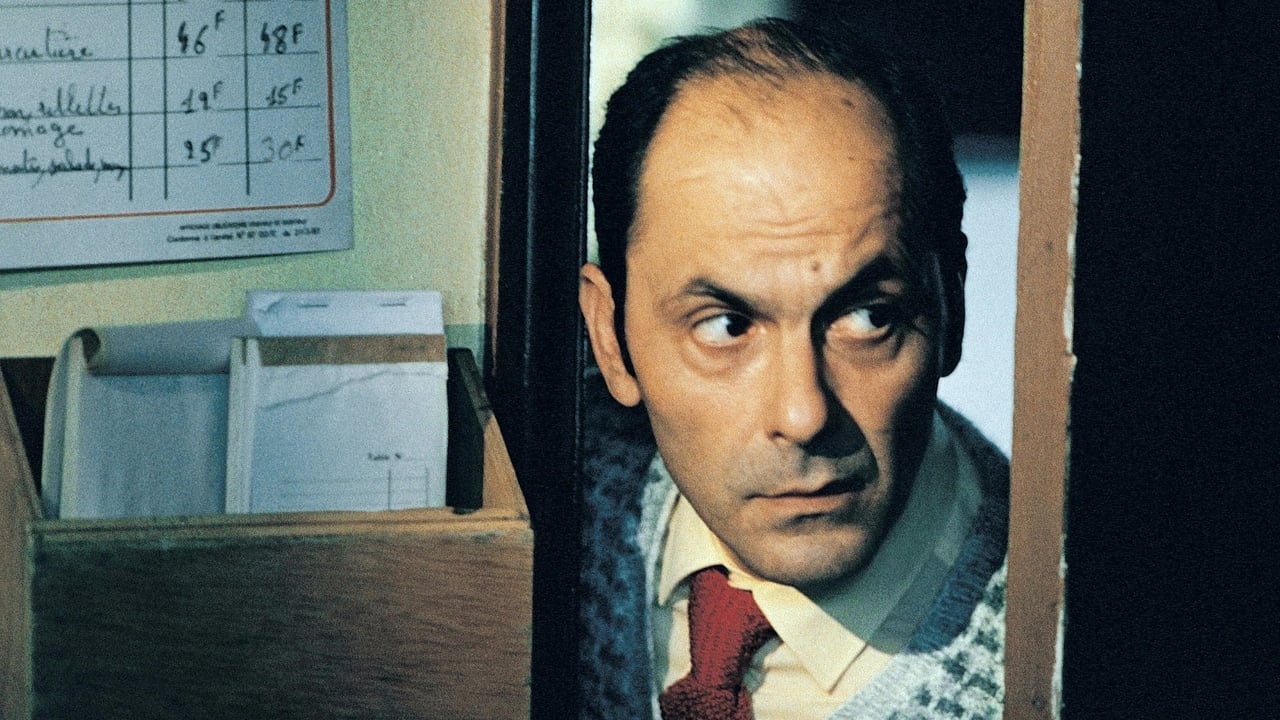
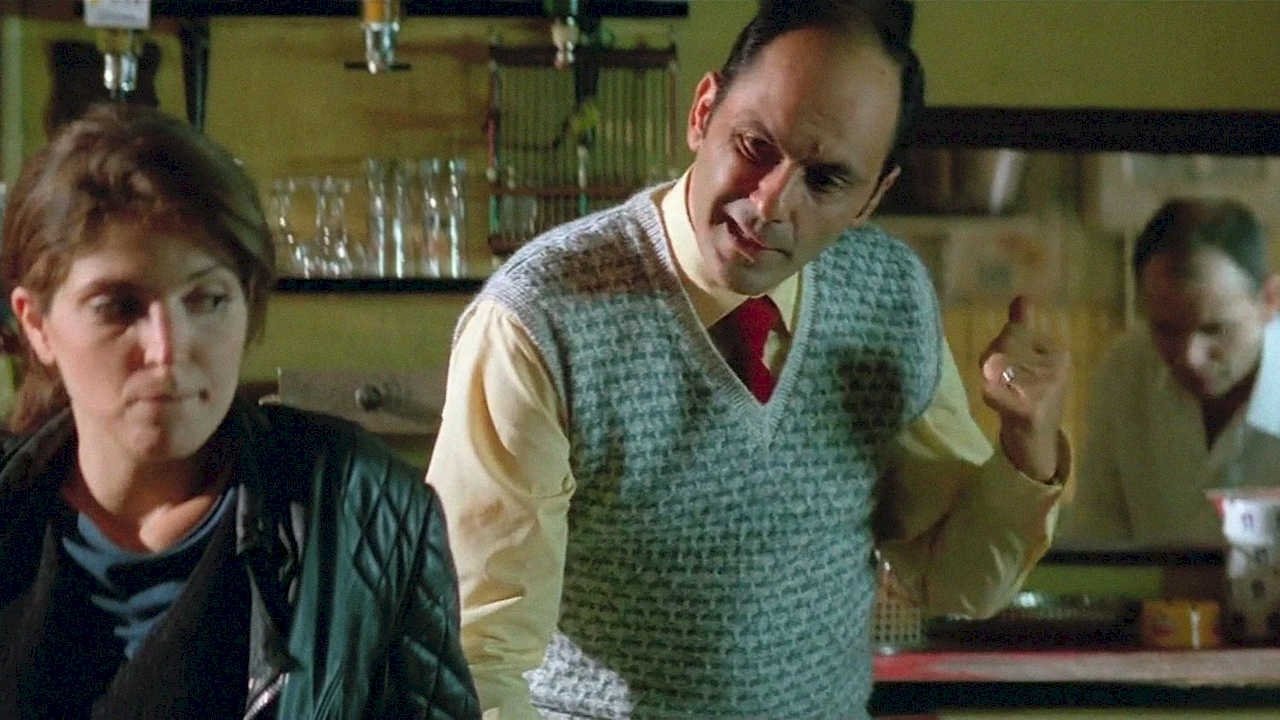
It doesn't take long to realize you're in for a masterclass in simmering tension. The entire film, essentially, revolves around one evening: the weekly gathering of the Ménard family at the tired provincial restaurant run by Henri (Jean-Pierre Bacri). His wife has just left him, his successful brother Philippe (Wladimir Yordanoff) arrives late with his wife, their perpetually overlooked sister Betty (Catherine Frot) nurses her own secrets, and their imperious mother (Claire Maurier) presides over it all with a critical eye. Add in the bartender Denis (Jean-Pierre Darroussin) and Philippe's seemingly perfect spouse Yolande (Agnès Jaoui, who also co-wrote the screenplay), and the stage is set.
A Pressure Cooker of Resentment
What unfolds isn't a plot in the conventional sense, but a series of conversations, confrontations, and revelations, each one peeling back another layer of long-held grievances and unspoken truths. Klapisch, who would later give us the charming L'Auberge Espagnole (2002), shows his skill here in managing an ensemble within a confined space. The restaurant, "Au Père Tranquille" (The Quiet Father), becomes a microcosm of their tangled lives, its slightly drab decor mirroring the faded hopes and simmering frustrations of the characters trapped within it.
The film originated as a highly successful stage play written by Agnès Jaoui and Jean-Pierre Bacri, and you can feel those theatrical roots. The dialogue is razor-sharp, oscillating between witty barbs and moments of profound, uncomfortable honesty. It’s the kind of writing that feels utterly lived-in; you recognize these dynamics, these passive-aggressive jabs, these desperate bids for validation. It’s no surprise the screenplay, alongside Bacri and Frot’s performances, scooped up César Awards (the French equivalent of the Oscars). Their chemistry, honed through multiple collaborations, feels less like acting and more like bearing witness to genuine, albeit heightened, family dynamics.
Performances That Linger
The acting is truly the heart of Family Resemblances. Jean-Pierre Bacri is magnificent as the perpetually disgruntled Henri, simmering with a lifetime of perceived slights. His hangdog expression and explosive bursts of frustration are both comedic and deeply sad. You see the weight of being the 'lesser' son, the one who stayed behind. Catherine Frot as Betty is simply heartbreaking. Her attempts to assert herself, constantly undermined by her family's indifference or casual cruelty, are excruciatingly real. There’s a vulnerability in her performance that speaks volumes about being the family scapegoat.
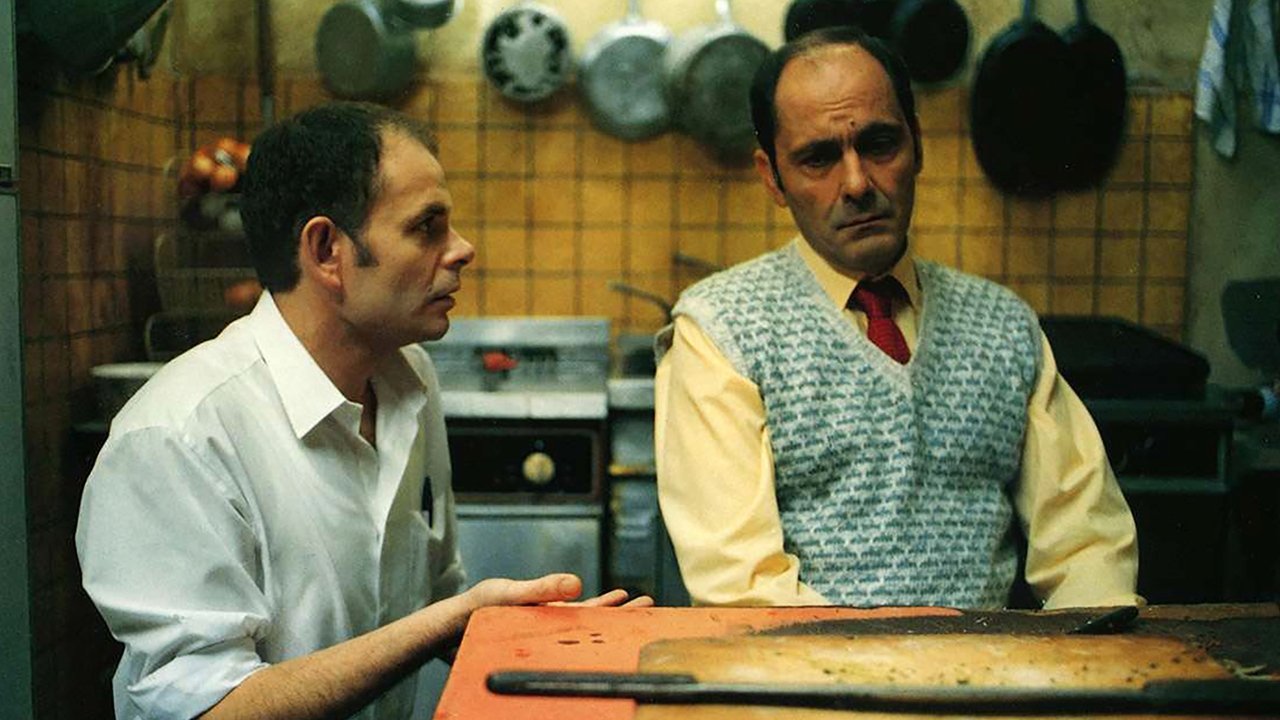
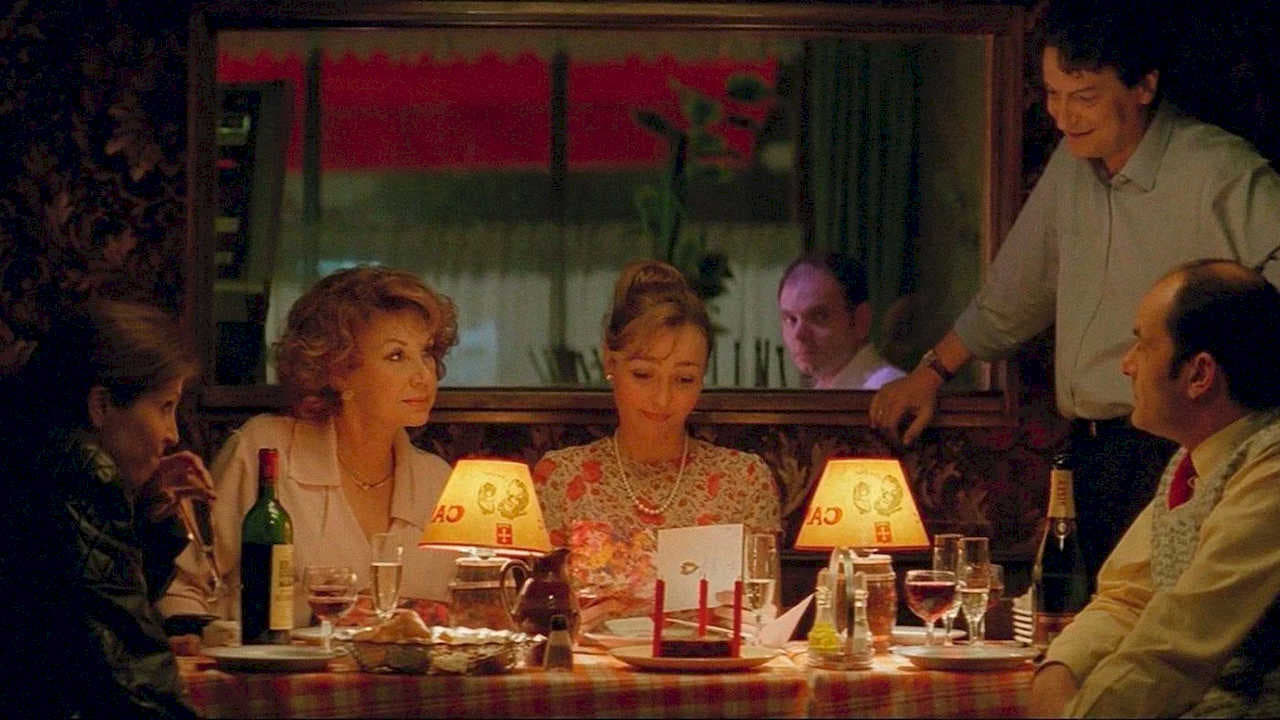
Wladimir Yordanoff perfectly embodies the smugness and underlying insecurity of the favoured son, Philippe, while Agnès Jaoui’s Yolande subtly reveals the cracks in her own seemingly perfect life, particularly in a bittersweet birthday celebration scene that encapsulates the film’s tragicomic tone. Even the smaller roles, like Claire Maurier as the manipulative matriarch, feel perfectly pitched. What makes these performances so potent? It's the authenticity, the way they capture the micro-expressions, the aborted gestures, the loaded pauses that define real family interactions.
Retro Fun Facts: From Stage to Screen
Adapting a play can be tricky, risking a 'filmed theatre' feel, but Klapisch uses the single location to amplify the claustrophobia. The tight framing forces us into these uncomfortable encounters. Interestingly, the film was made on a relatively modest budget, proving that compelling cinema doesn't always need spectacle. Its success in France was significant, resonating deeply with audiences who recognized the universal, if uncomfortable, truths about family life. For many international viewers discovering it on VHS or perhaps a rare art-house screening in the mid-90s, it was a powerful example of character-driven European filmmaking, a stark contrast to the louder Hollywood fare dominating the rental shelves. It's fascinating to think that the writing duo Bacri and Jaoui would continue to mine this vein of sharp social observation in acclaimed films like The Taste of Others (2000).
The Uncomfortable Truth
Family Resemblances isn't always an easy watch. It forces us to confront the ways families can wound each other, often unintentionally, through ingrained habits and unspoken hierarchies. Doesn't everyone have those moments at family gatherings where a seemingly innocuous comment lands like a hidden blade? The film captures that feeling with uncanny precision. It explores sibling rivalry, parental favouritism, marital dissatisfaction, and the quiet desperation of feeling unseen by those who are supposed to know you best.
Yet, amidst the bitterness, there are flashes of unexpected warmth and dark humour. The shared history, even a painful one, creates an undeniable, if dysfunctional, bond. What lingers after the credits roll isn't just the arguments, but the poignant sense of shared, messy humanity.
Rating: 9/10
This score reflects the film's exceptional writing and powerhouse ensemble performances. It's a near-perfect execution of a character-driven drama, finding universal truths within its specific cultural context. The dialogue crackles, the emotions feel raw and genuine, and the confined setting is used to maximum effect. It might lack the immediate hook of a genre film, but its insights into the complexities of family are profound and enduring.
Family Resemblances is a reminder that sometimes the most intense dramas unfold not on battlefields, but around a dinner table. A sharp, witty, and ultimately moving gem from the 90s worth seeking out if you appreciate cinema that holds a mirror up to our own messy lives.