There's a particular kind of quiet desperation that permeates the edges of middle age, a sense that the carefully constructed path has led somewhere... well, somewhere mundane. It’s this unsettling hum that vibrates beneath the surface of Tom DiCillo’s 1996 indie gem, Box of Moonlight, a film that begins not with a bang, but with the weary sigh of a man realizing his meticulously planned life feels strangely hollow.
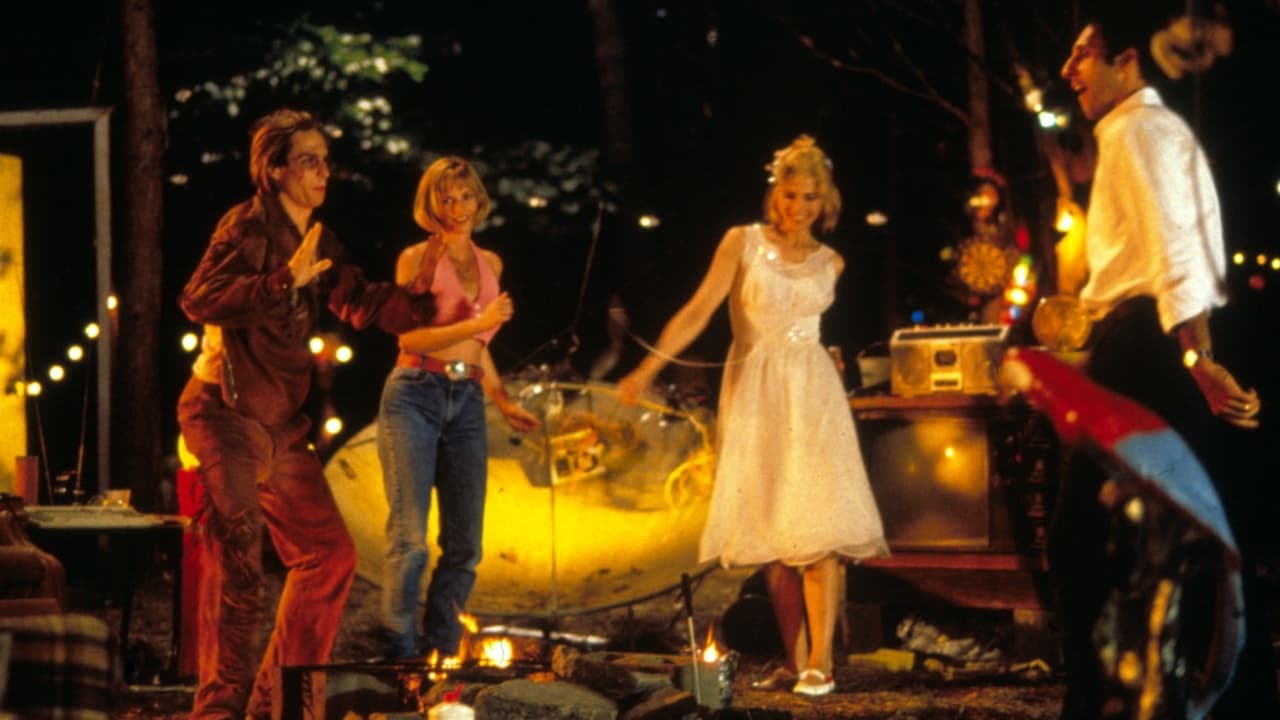
The Detour We Didn't Know We Needed
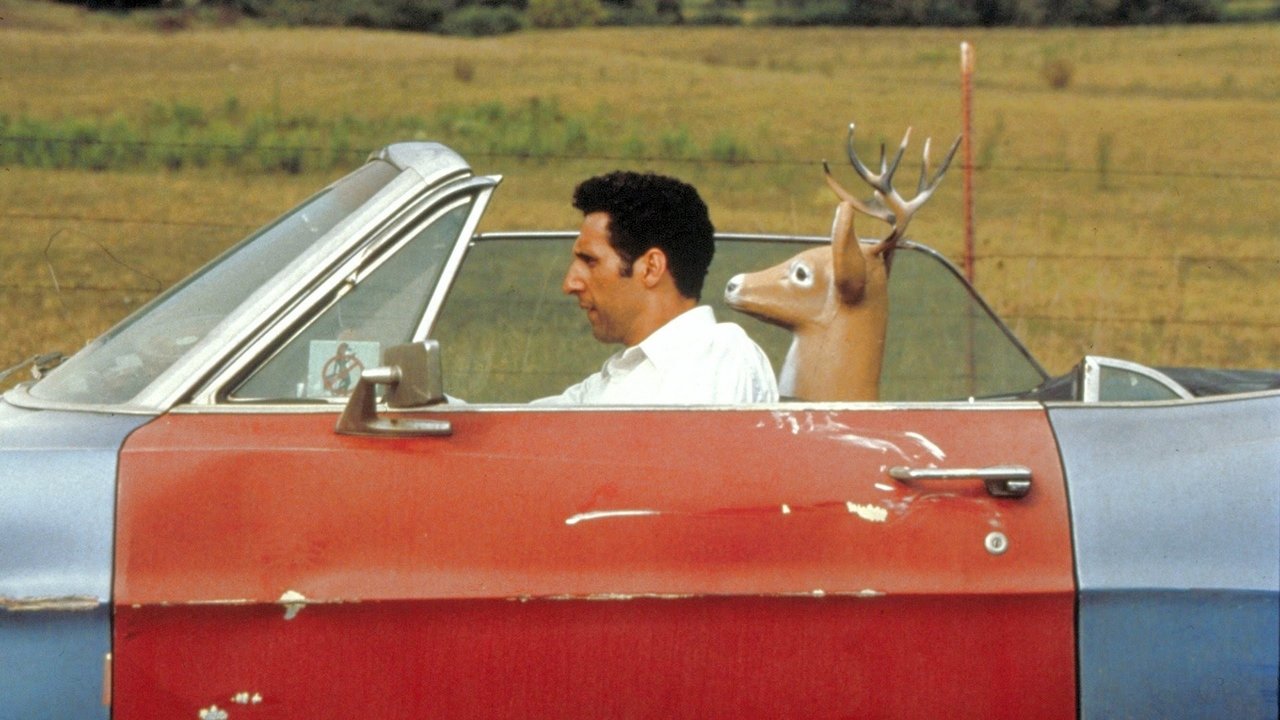
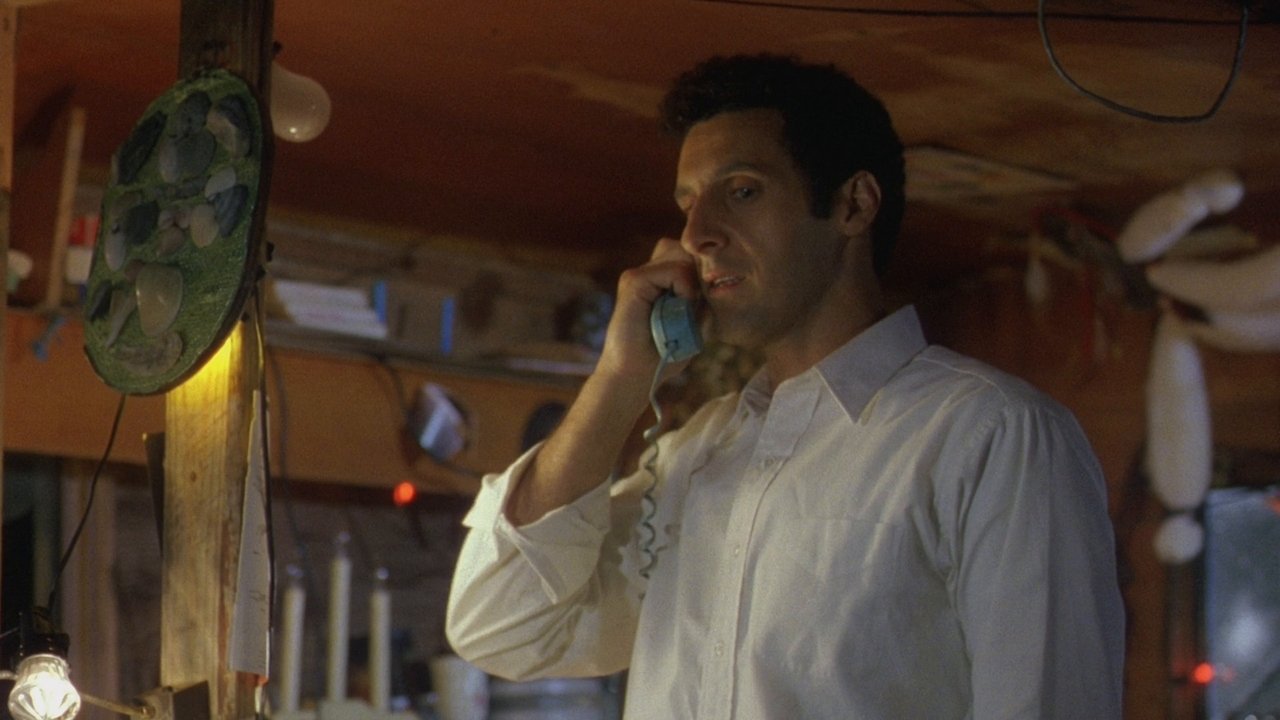
We meet Al Fountain, portrayed with pitch-perfect repressed anxiety by the ever-reliable John Turturro, an electrical engineer whose tie seems metaphorically (and perhaps literally) cinched too tight. He's methodical, ordered, a man who measures life in circuits and schedules. When a construction project is abruptly delayed on the eve of a family vacation, instead of heading home, Al embarks on an impulsive pilgrimage, renting a car and driving towards a half-forgotten lake from his childhood memories – Lake Destiny. It’s a name loaded with irony, as Al’s journey quickly veers off any map he might have mentally plotted. This setup immediately taps into that relatable feeling – who hasn't felt the urge to just drive, away from expectation and towards... something else? DiCillo, who also wrote the screenplay and previously gifted us the sharp film-world satire Living in Oblivion (1995), excels at capturing these moments of quiet existential drift.
An Encounter in the Woods
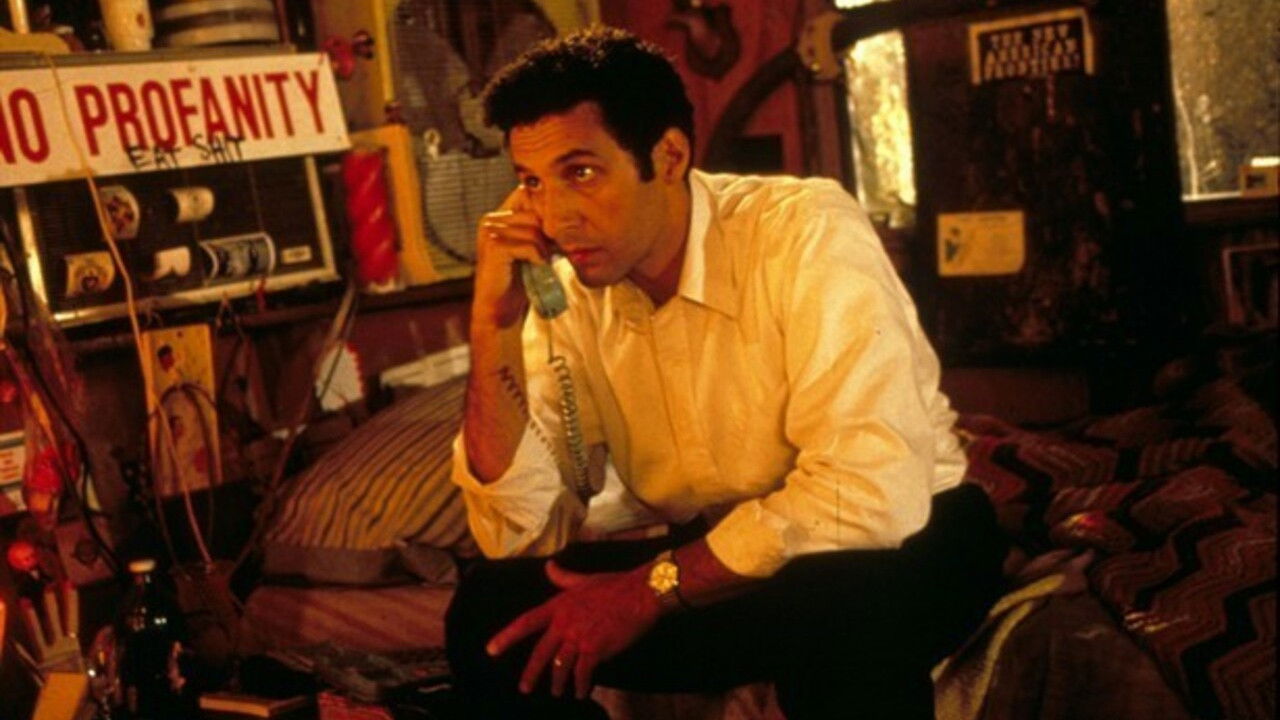
Al’s detour leads him deep into the Tennessee woods (the film leverages the beautiful, slightly isolating atmosphere of its East Tennessee locations) and into the orbit of one Buck, or "The Kid," played by a young, magnetic Sam Rockwell in a performance that undeniably signposted the unique star he would become. Living wild and free in a secluded trailer, clad in a Davy Crockett coonskin cap, Buck is everything Al is not: spontaneous, unbound by convention, seemingly living entirely in the present moment. Rockwell absolutely crackles here; he’s funny, unpredictable, slightly dangerous, yet possessed of an odd, guileless wisdom. The chemistry between the tightly-wound Turturro and the loose-limbed Rockwell forms the heart of the film. Their interactions are a fascinating dance of opposing energies – Al’s skepticism bumping up against Buck’s carefree philosophy. It’s a pairing that feels both unlikely and utterly perfect, generating moments of genuine humor and unexpected connection.
Finding Meaning Off the Map
Box of Moonlight isn't a film driven by plot twists, but by character evolution and atmospheric immersion. It’s about Al’s gradual unwinding, his reluctant shedding of the constraints he’s lived under. Buck introduces him to a life lived according to impulse rather than itinerary, including encounters with local eccentrics and Buck’s own unconventional family, featuring a grounded performance from Catherine Keener as Floatie, a woman who shares a complex history with Buck. The film subtly explores themes of masculinity, conformity, freedom, and the potent pull of nostalgia. What happens when the memories we chase don’t quite align with reality? What does it mean to truly live authentically? DiCillo doesn't offer easy answers, preferring instead to let these questions breathe in the humid summer air.
Indie Spirit, Lasting Charm
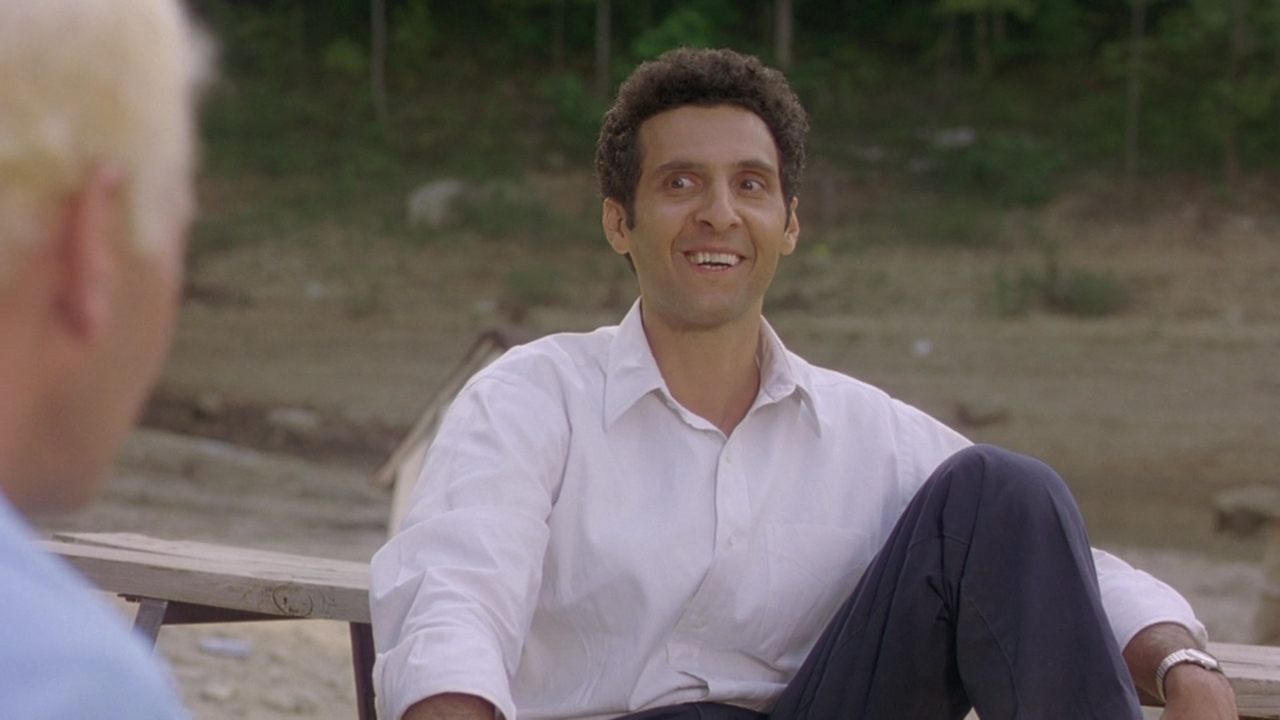
Watching Box of Moonlight today feels like rediscovering a beloved mixtape from the 90s indie scene. Made for a modest $1.5 million, it embodies the spirit of independent filmmaking from that era – character-focused, slightly quirky, and more interested in mood and moments than spectacle. It wasn't a box office smash (grossing around $530,000), but like so many great films of its ilk, it found its audience on VHS, tucked away in the drama section of the local video store. I distinctly remember the cover art grabbing my attention back then, promising something a little different. It delivered. Rockwell’s energy is infectious, a precursor to his dynamic roles in films like Confessions of a Dangerous Mind (2002) and Moon (2009). Turturro, already well-established thanks to his work with the Coen Brothers (Barton Fink, 1991) and Spike Lee (Do the Right Thing, 1989), brings a soulful vulnerability to Al. His journey isn't about radical transformation, but a subtle, necessary recalibration. The titular "Box of Moonlight"? It's a literal object in the film, but it also beautifully symbolizes those hidden, perhaps slightly illicit joys and memories we keep tucked away, the ones that remind us of different possibilities.
The film’s deliberate pacing might test some viewers accustomed to faster narratives, but its strength lies in its willingness to linger, to observe. The gentle humor arises organically from the characters and situations, never feeling forced. It asks us to consider: Are we living the life we chose, or the life that was expected of us? And is it ever too late to take a detour?
Rating: 8/10
Box of Moonlight earns its score through its superb central performances, particularly the electric dynamic between Turturro and Rockwell, its evocative atmosphere, and its thoughtful, unpretentious exploration of profound themes. It’s a quintessential 90s indie film – quiet, quirky, and ultimately quite moving. It doesn't shout its insights, but whispers them, leaving you with a lingering sense of wistful contemplation.
It remains a poignant reminder that sometimes, the most meaningful destinations are found far from any planned route, perhaps hidden away like a secret treasure in the woods.