It hits you almost immediately – that unnervingly tight smile, the eyes boring holes through the screen with ferocious, unwavering ambition. Tracy Flick. Even uttering the name conjures Reese Witherspoon’s career-defining performance in Election, a film that arrived just shy of the new millennium in 1999, offering a scalpel-sharp dissection of ambition, morality, and the simmering resentments lurking beneath the placid surface of suburban life. It wasn't the feel-good high school romp some might have expected; instead, director Alexander Payne, adapting Tom Perrotta’s excellent novel with co-writer Jim Taylor, delivered something far more potent and enduring.
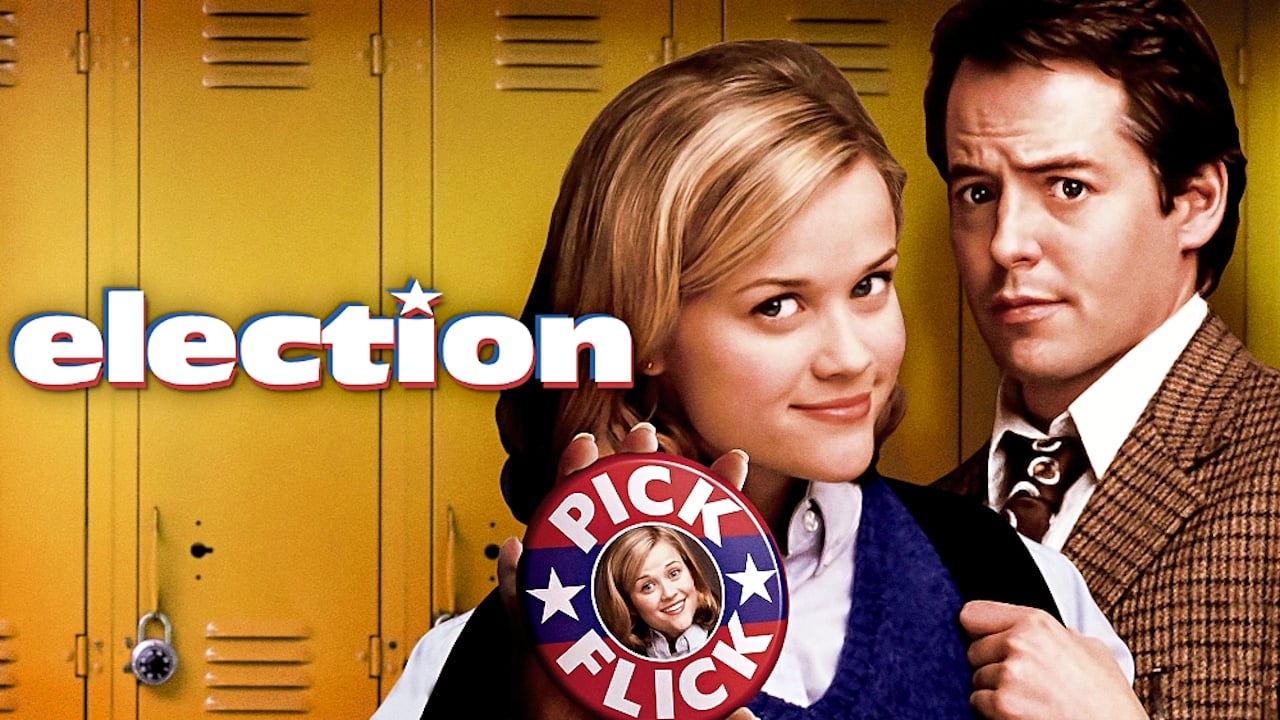
Pick Flick
At its heart, Election presents a deceptively simple conflict: the race for student body president at George Washington Carver High in Omaha, Nebraska. Tracy Flick, an overachieving whirlwind of prepared speeches and ruthless determination, seems destined for the role. She’s the embodiment of unchecked drive, the kind that papers over any ethical cracks with sheer force of will. Opposing her rise, though not initially through the ballot box, is Jim McAllister (Matthew Broderick), the popular Civics teacher. Mr. M sees Tracy not just as an annoying student, but as a potentially dangerous force, fuelled perhaps by a past indiscretion involving Tracy and his now-fired best friend and fellow teacher. What does one do when faced with such an indomitable, slightly terrifying force of nature? Mr. McAllister decides to intervene.
His intervention isn't subtle. He encourages Paul Metzler (Chris Klein, fresh-faced and perfectly cast as the amiable, slightly dim jock), a popular student sidelined by a skiing accident, to run against Tracy. This act, born of a murky mix of civic duty, personal vendetta, and perhaps a mid-life crisis simmering just below the surface, sets off a chain reaction of spiralling chaos, poor decisions, and darkly comic consequences. Payne masterfully uses voiceovers from multiple characters – Tracy, Jim, Paul, and even Paul's anarchic sister Tammy (Jessica Campbell) – giving us intimate, often contradictory glimpses into their motivations. It’s a technique that highlights the vast gulf between how these characters see themselves and how their actions truly appear.
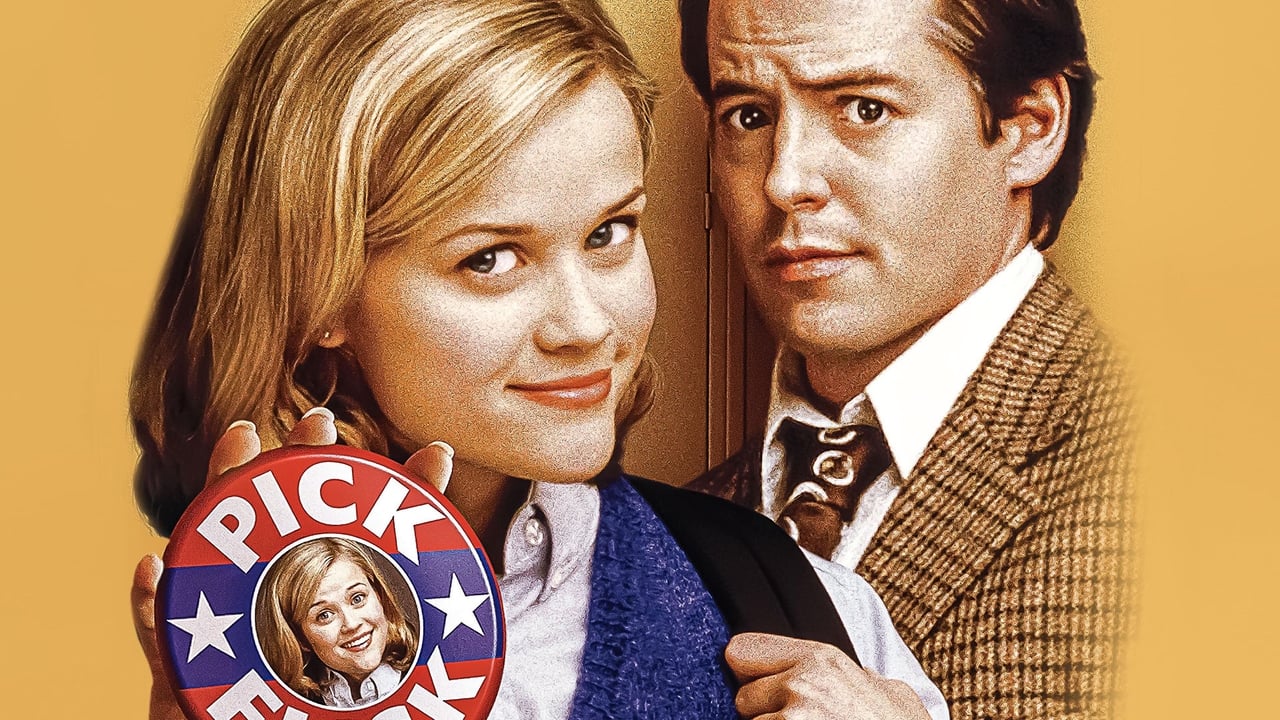
The Unmaking of Mr. M
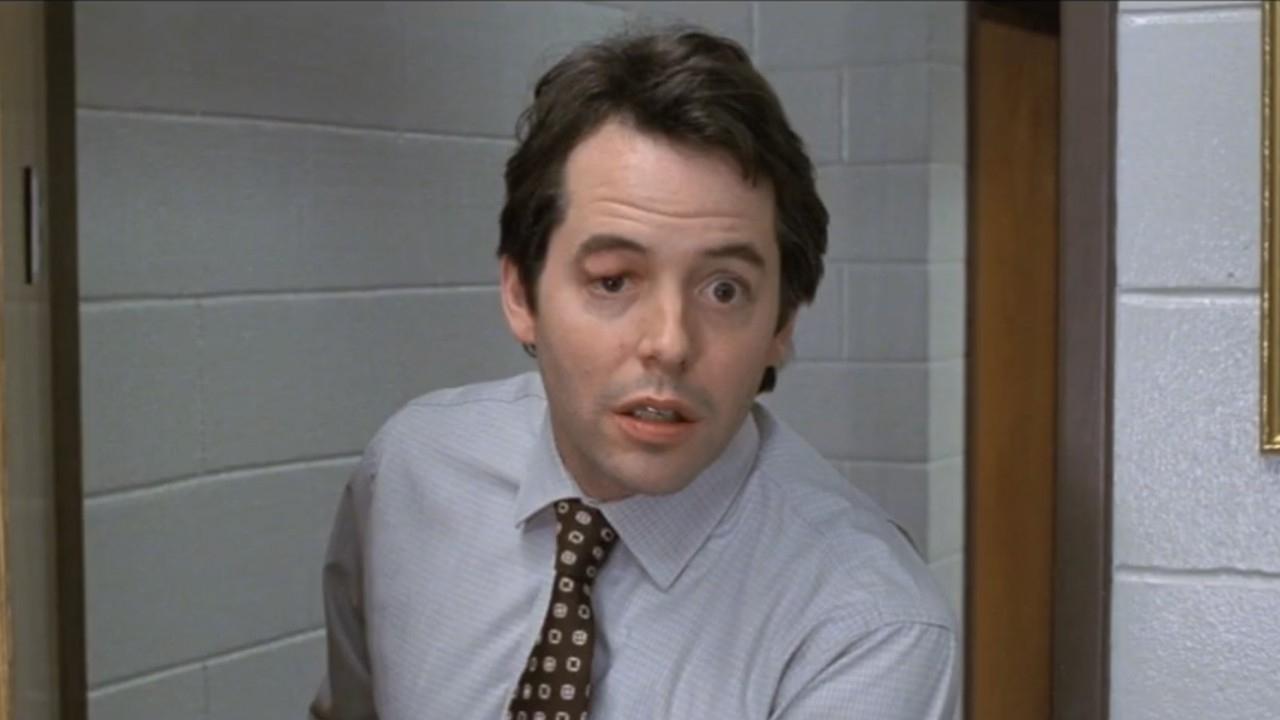
What makes Election resonate so deeply, especially watching it again decades later, is how brilliantly it captures the subtle corrosion of resentment and the ways seemingly small compromises can lead to total self-destruction. Matthew Broderick, stepping firmly away from the charming rogue persona of Ferris Bueller that defined his earlier career, is remarkable as Jim McAllister. It's a performance built on quiet desperation and escalating panic. We watch him, the respected "Teacher of the Year," slowly unravel. His justifications become thinner, his actions more reckless, driven by an almost primal need to stop Tracy Flick. Is it because she represents something genuinely corrupt, or because her unwavering ambition mirrors his own stagnation and quiet failures? The film leaves that deliciously ambiguous. Broderick portrays this descent with excruciating believability – the forced smiles, the barely concealed frustration, the moments of sheer, self-inflicted absurdity (the bee sting scene remains a masterclass in physical comedy born from pathos).
And then there’s Tracy. Reese Witherspoon is simply electrifying. She doesn't play Tracy as a caricature, but as a complex, almost tragically driven individual. You see the vulnerability flicker beneath the armour, the desperate need for validation that fuels her take-no-prisoners approach. It’s a performance that could easily have tipped into simple villainy, but Witherspoon imbues her with a recognisable, albeit terrifying, humanity. It’s no surprise this role became so iconic; she is Tracy Flick, perfectly embodying the character Perrotta created on the page. Payne and Taylor reportedly knew Witherspoon was perfect after her audition, feeling she captured Tracy’s intensity immediately.
Nebraska Noir
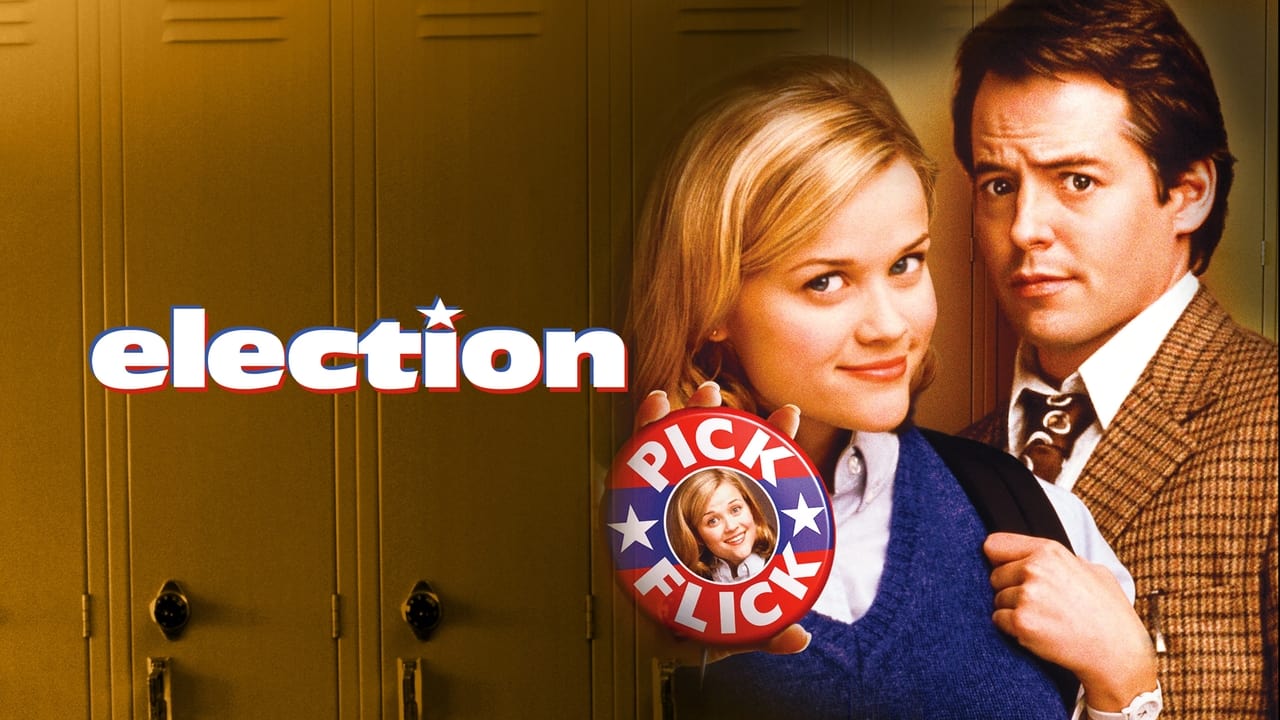
Alexander Payne, filming in his hometown of Omaha, Nebraska (a setting he’d return to in later acclaimed films like About Schmidt (2002) and Nebraska (2013)), creates a specific sense of place that feels utterly authentic. The late 90s high school environment – the posters, the pep rallies, the earnestness juxtaposed with teenage apathy – is captured perfectly. But Payne uses this familiar backdrop for something closer to suburban noir. The colour palette often feels slightly muted, the framing precise, highlighting the quiet desperation unfolding within the seemingly mundane halls of Carver High. Rolfe Kent's score, often whimsical yet laced with an undercurrent of tension, perfectly complements the dark comedy.
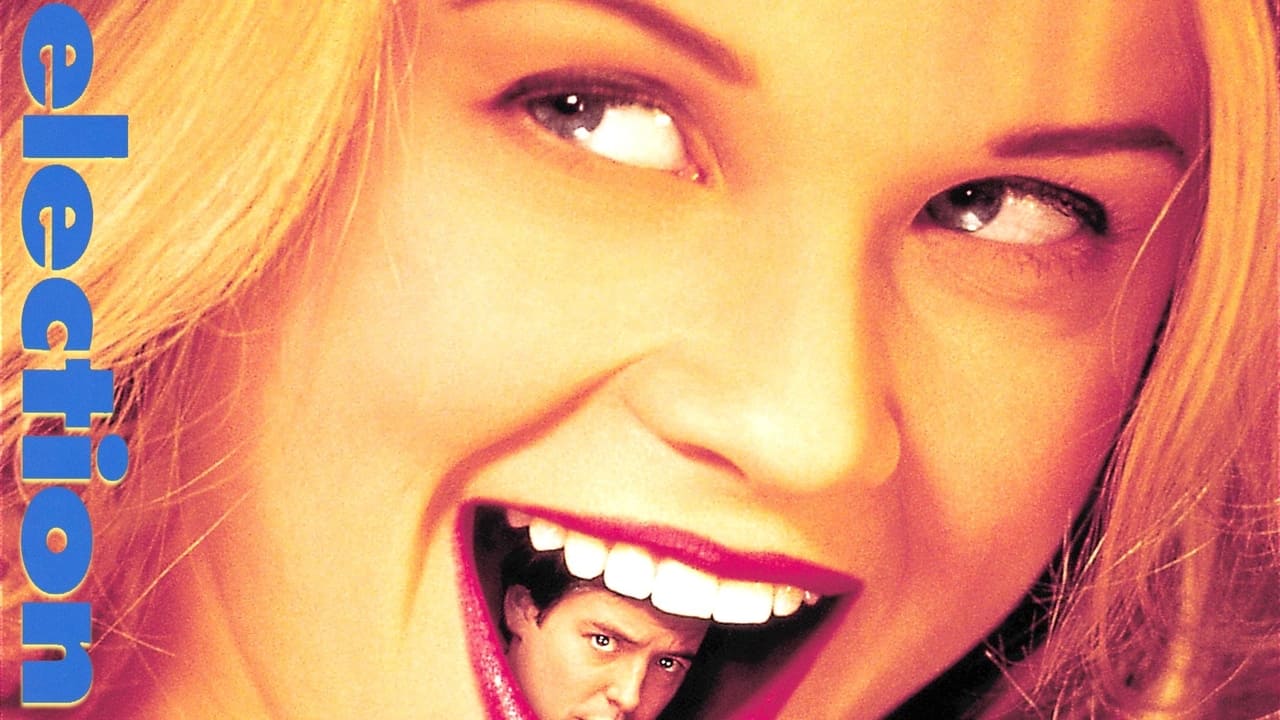
Interestingly, while Election received rave reviews from critics upon release (Roger Ebert famously gave it four stars), it wasn't a box office smash, earning around $17 million against its modest budget (often cited around $8.5 million, though some sources say up to $25 million – budgets can be tricky!). Like so many films we cherish from the era, its true life began on home video. Finding it on the shelf at Blockbuster or catching it on cable felt like discovering a hidden gem, a secret handshake among those who appreciated its cynical wit and sharp observations about the American dream’s often-unpleasant underbelly. Remember the distinct cover art on the VHS, often featuring that intense close-up of Witherspoon? It definitely stood out.
The film's brilliance lies in its refusal to offer easy answers or clear heroes. Everyone is flawed. Everyone makes selfish choices. Even Paul, the supposed "good guy," is operating out of a certain naive self-interest. Tammy’s rebellious campaign feels like the most honest expression in the film, yet it’s rooted in personal spite. Doesn't this complex web of motivations feel unnervingly true to life, even outside the microcosm of high school politics?
The Verdict
Election remains a triumph of satirical filmmaking. It’s wickedly funny, deeply uncomfortable, and brilliantly performed. It skewers ambition, hypocrisy, and the quiet desperation that can fester in seemingly ordinary lives. The meticulous direction, the career-highlight performances from Witherspoon and Broderick, and the razor-sharp script make it endlessly rewatchable. It’s a film that felt relevant in 1999 and, perhaps disturbingly, feels even more so today. It captures a specific late-90s moment but transcends it with timeless observations about human nature.
Rating: 9/10
Justification: The near-perfect execution of its satirical aims, the unforgettable performances (especially Witherspoon and Broderick), Payne's confident direction, and its sharp, enduring script make this a standout. It only narrowly misses a perfect score perhaps because its bleakness, while intentional and effective, can make it a bracing rather than purely comforting watch, though its intelligence and humour are undeniable.
It’s one of those films that burrows under your skin, leaving you thinking about Tracy Flick’s relentless drive and Jim McAllister’s spectacular flameout long after the tape stopped rolling. Who did you root for back then? And has that changed?