Alright, settle back into that comfy armchair, maybe crack open a can of something fizzy – tonight on VHS Heaven, we’re diving headfirst into a movie that likely split your household right down the middle back in the day. It’s a film that arrived in a deceptively bright package, promising zany fun, but delivered something… stranger. We’re talking about 1991’s utterly bonkers, strangely poignant, and often divisive Drop Dead Fred.
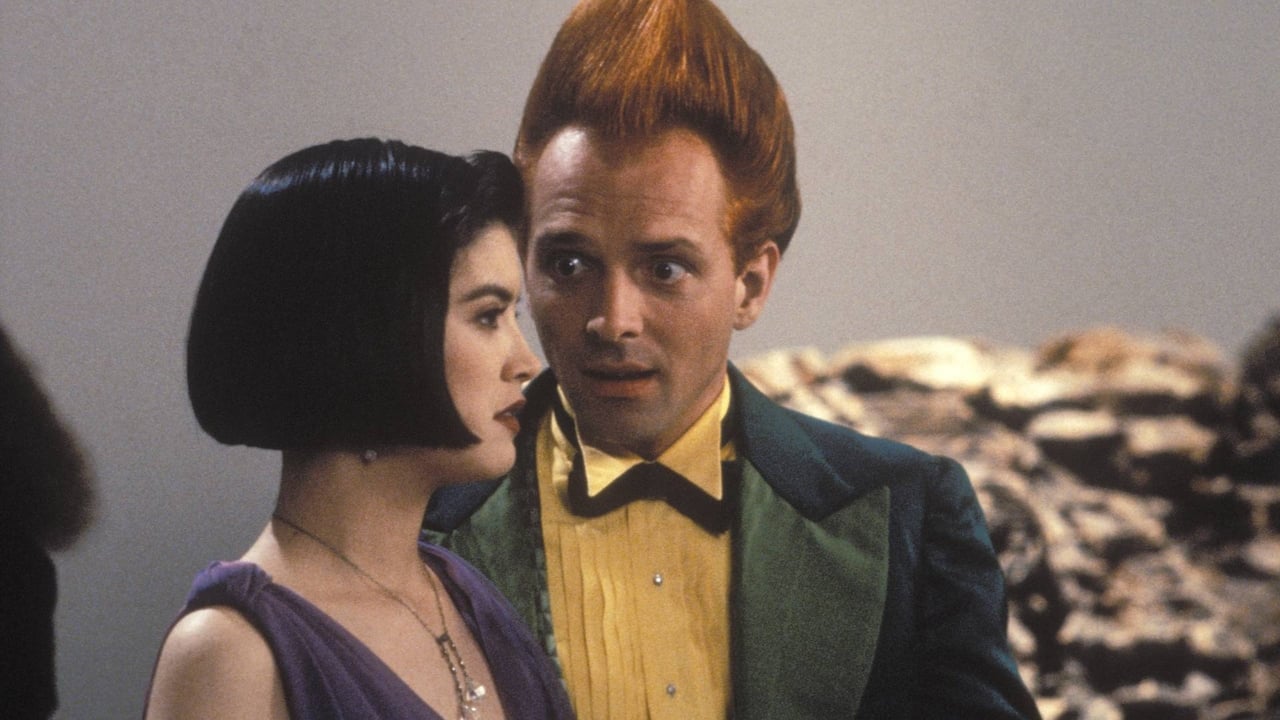
This wasn't your typical early 90s comedy fare. Peel back the lurid green poster art and the promise of wacky hijinks, and you found a film grappling with some surprisingly heavy themes, all funneled through the whirlwind chaos of an imaginary friend returned. I distinctly remember pulling this tape off the shelf at the local Video Zone, lured in by the manic energy radiating from the cover, expecting maybe Beetlejuice-lite. What I got was something far more peculiar, a film that sticks in the memory precisely because it’s such an odd, sometimes uncomfortable, concoction.
### When Life Gives You Lemons, Unleash Fred
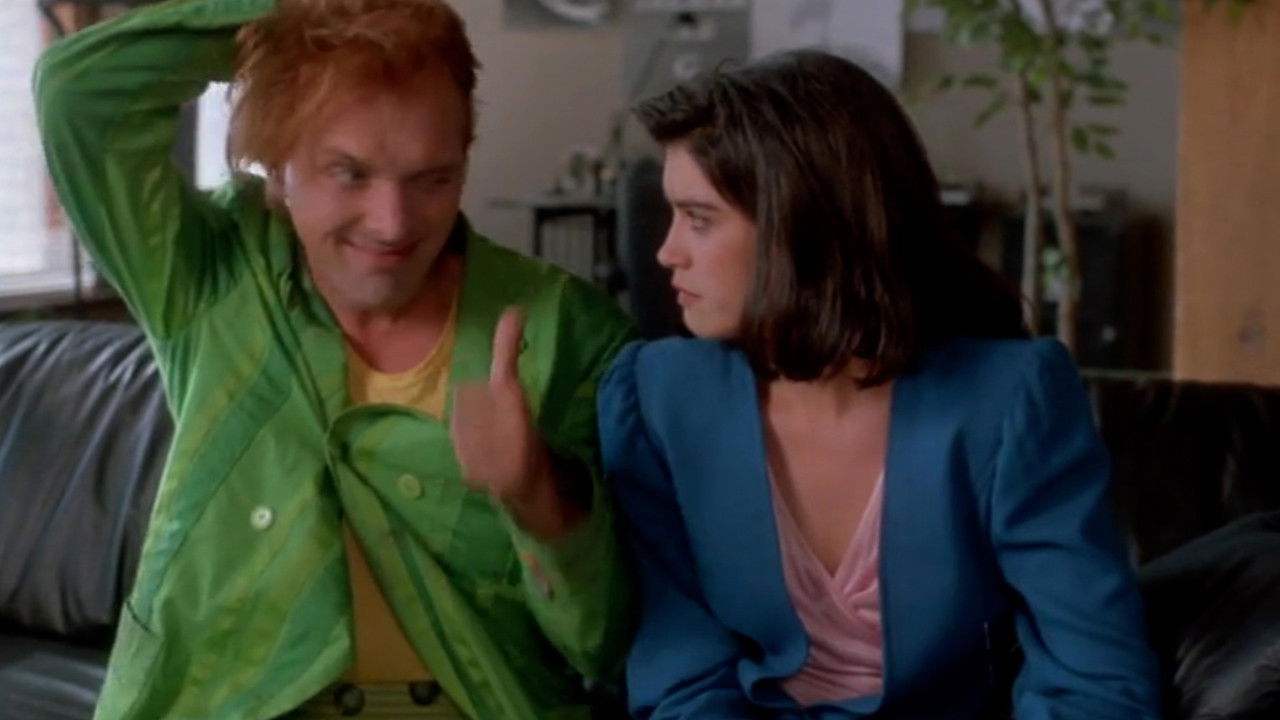
The setup is deceptively simple: Elizabeth Cronin (Phoebe Cates, eternally charming even when utterly frazzled) is having a spectacularly bad run. In the space of an hour, she loses her husband (the reliably smarmy Tim Matheson), her car, her job, and her purse. Forced to move back in with her domineering mother (a perfectly cast, chillingly controlling Marsha Mason), Elizabeth rediscovers a taped-up jack-in-the-box from her childhood. Unleashing it doesn’t just bring back memories; it brings back Fred. Drop Dead Fred. Her anarchic, snot-flicking, boat-sinking, mud-pie-making imaginary friend, played with psychotic glee by the late, great Rik Mayall.
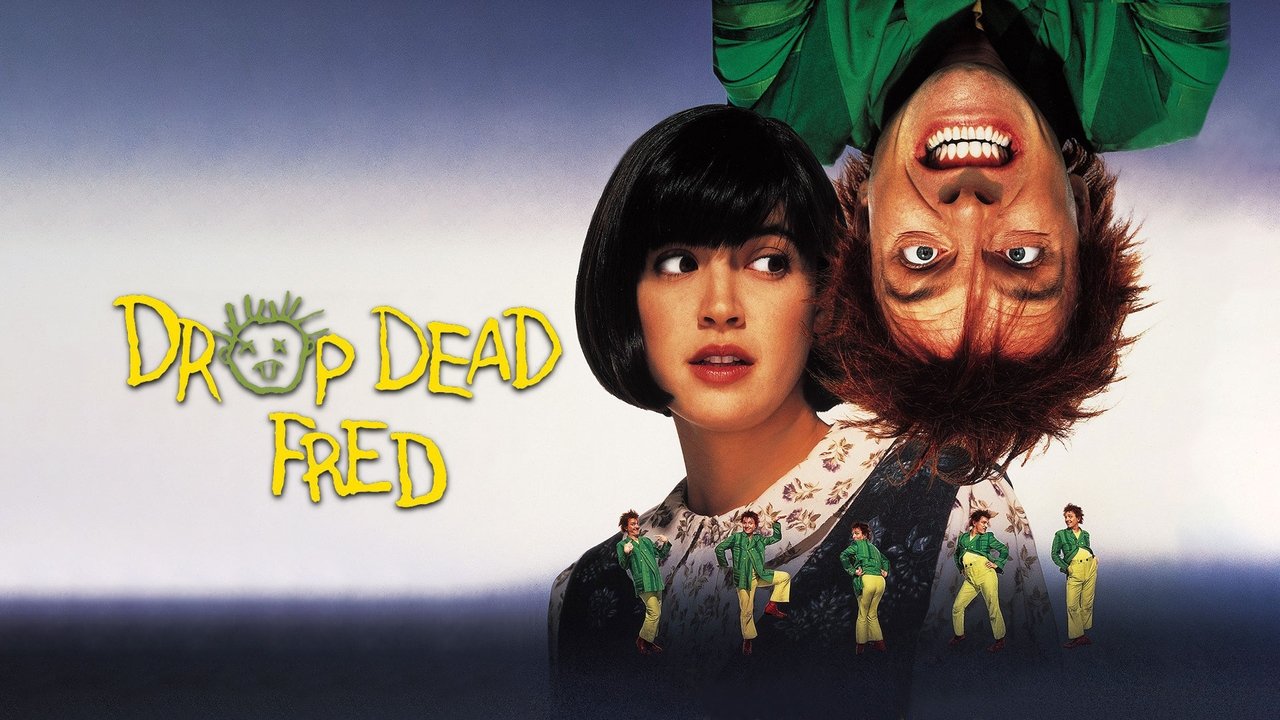
And let's be honest, Rik Mayall is this movie. It's impossible to imagine anyone else in the role, though interestingly, comedic giants like Robin Williams and Jim Carrey were apparently considered. But Mayall, known for his explosive energy in British comedies like The Young Ones and Bottom, brings a unique brand of physical, almost dangerous mania to Fred. He’s not just mischievous; he’s a force of pure, id-driven chaos, bouncing off walls, smearing questionable substances, and generally embodying childhood rebellion dialled up to eleven thousand. Director Ate de Jong, a Dutch filmmaker perhaps less known for other Hollywood blockbusters, clearly understood Mayall's unique talents and wisely let him off the leash. Reports suggest Mayall stayed deep in character, a method approach that likely fuelled both the film's manic energy and perhaps some on-set tension, but the result is undeniably electric on screen.
### Not Just Fun and Games
What makes Drop Dead Fred linger, though, isn't just Mayall's frantic performance. It's the jarring, often uncomfortable collision between Fred's destructive slapstick and the film's exploration of Elizabeth's repressed trauma and emotional distress. Her mother isn't just strict; she's emotionally abusive, meticulously controlling every aspect of Elizabeth's life. Fred, it turns out, isn’t just a figment of imagination; he’s a manifestation of Elizabeth’s suppressed spirit, her need to fight back against the suffocating politeness and control she’s endured since childhood.
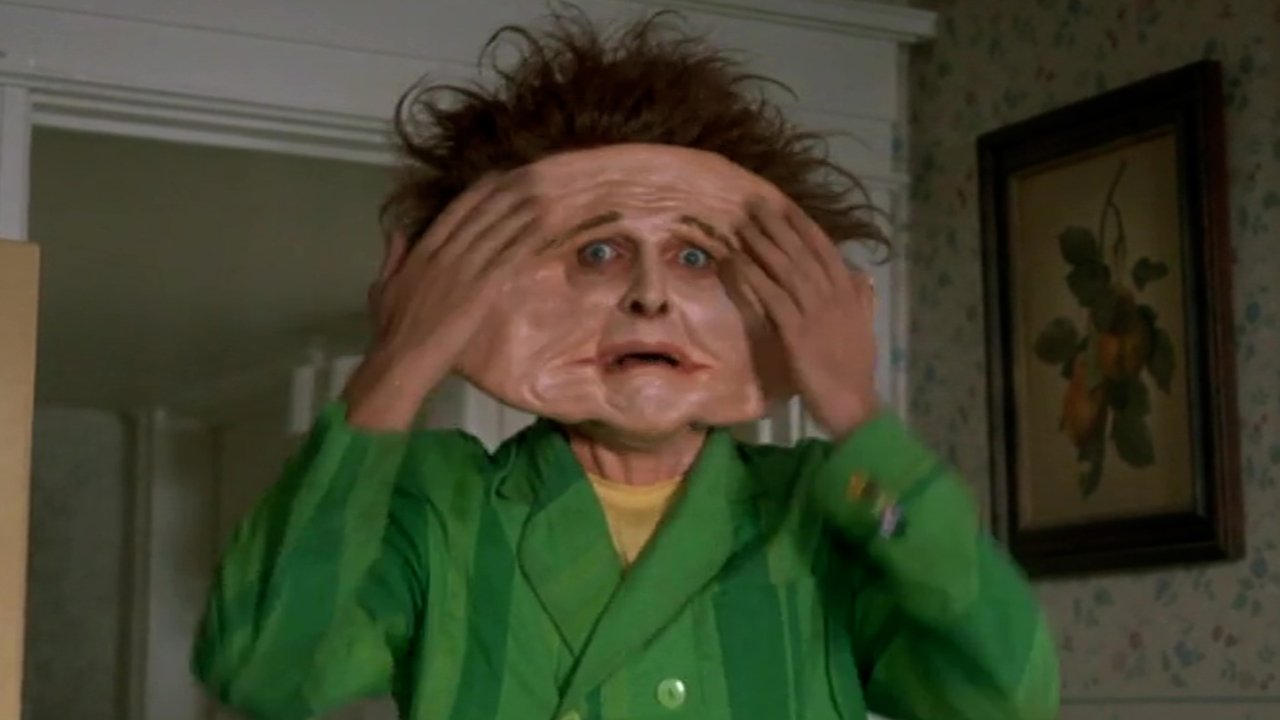
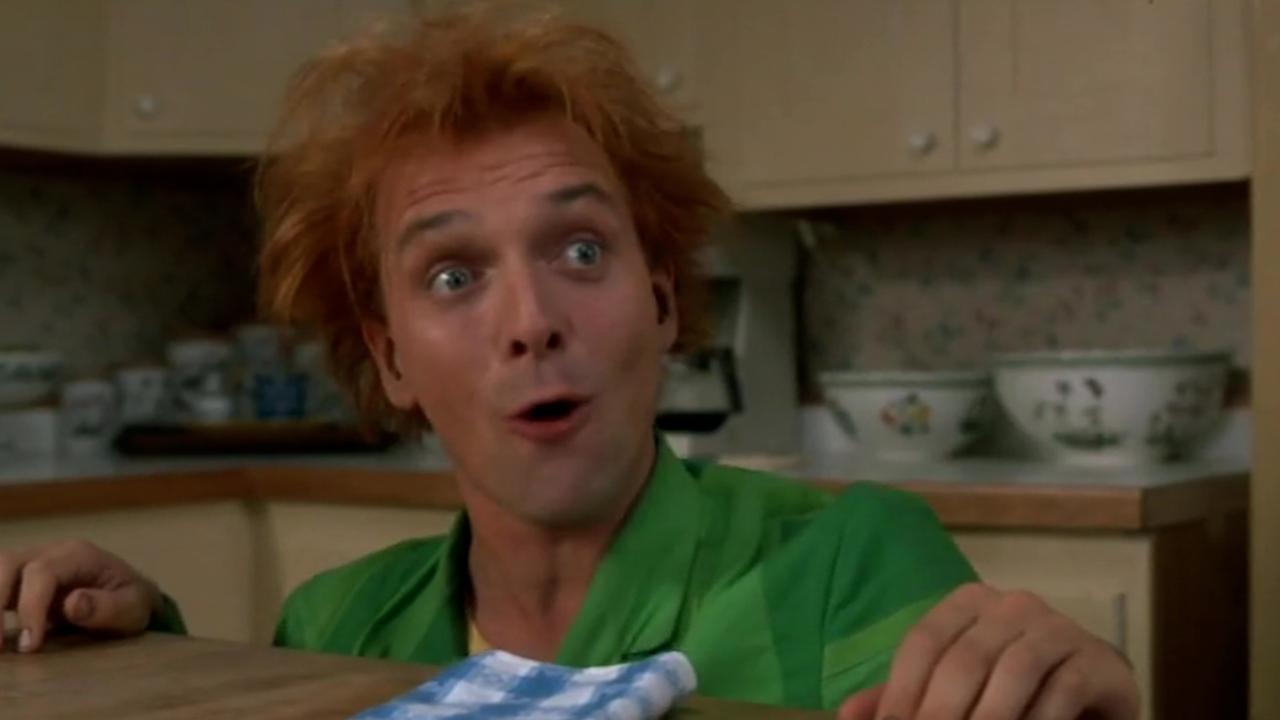
This tonal tightrope walk is where the film either wins you over or completely loses you. One minute, Fred is sinking a houseboat with gleeful abandon; the next, we're confronting the real pain behind Elizabeth's meekness. It's messy, uneven, and sometimes feels like two different movies stitched together. Some darker elements were supposedly trimmed to aim for a broader audience, which might explain some of the tonal whiplash. Even Carrie Fisher appears in a supporting role as Elizabeth’s friend Janie, offering moments of grounded humor amidst the escalating weirdness. The film was largely shot in Minneapolis, Minnesota, giving it a specific Midwestern backdrop that somehow makes the arrival of a bright green British anarchist even more surreal.
### Cult Status Earned on Worn-Out Tapes
Unsurprisingly, critics in 1991 largely savaged Drop Dead Fred. It was deemed too crude for kids, too childish for adults, and just plain weird. Siskel & Ebert famously gave it two thumbs way down. With a modest budget around $6.8 million, its $13.9 million US box office take wasn't exactly blockbuster territory. But then came VHS. On home video, Drop Dead Fred found its tribe. Kids and teens drawn to the anarchic humor, and perhaps others who connected, consciously or not, with the underlying themes of reclaiming one's voice, saw something special. It became a sleepover staple, a film whispered about and shared, its oddity transforming into a badge of honor. It’s a perfect example of a movie building its legacy not in theaters, but through countless rewinds in VCRs across the land.
Watching it now, the film feels even more like a bizarre time capsule. Mayall’s physical comedy feels raw and real in a way that modern CGI-assisted slapstick often doesn't. There’s a tangible sense of impact when he throws himself around, a commitment to the bit that’s both hilarious and slightly alarming. Phoebe Cates grounds the absurdity with a performance full of vulnerability and eventual strength. You genuinely root for Elizabeth to break free, even if her therapist is Fred.
Rating: 7/10
Justification: While undeniably flawed, tonally inconsistent, and occasionally grating, Drop Dead Fred earns its points for sheer audacity and Rik Mayall's tour-de-force performance. Its willingness to mix dark themes with childish anarchy creates a unique, unforgettable cocktail that cemented its cult status. It’s not perfect, but it’s memorable, and for many who discovered it on a fuzzy VHS tape, it holds a strange, cherished place.
Final Thought: It’s the cinematic equivalent of finding your weirdest childhood drawing – messy, maybe a little disturbing, but undeniably yours, a chaotic burst of energy from a time when movies dared to be gloriously, unapologetically strange. Snotface.