Alright, fellow tapeheads, slide that worn copy of Maximum Risk into the VCR, ignore the slightly dodgy tracking for a second, and let's talk about this mid-90s slice of Jean-Claude Van Damme action. This wasn't just another high-kicking outing for the Muscles from Brussels; arriving in 1996, it marked his reunion with acclaimed Hong Kong director Ringo Lam, who had previously guided him through the surprisingly grim Wake of Death precursor, In Hell (oops, correction, In Hell came later, the first collaboration was Maximum Risk itself, followed by Replicant and In Hell. Lam actually directed Van Damme in this first). Forget the glossy sheen of some contemporary action flicks; Lam brought a distinct flavour – a certain Hong Kong grit – to this tale of mistaken identity, corrupt agents, and explosive confrontations.
From the French Riviera to Mean Streets
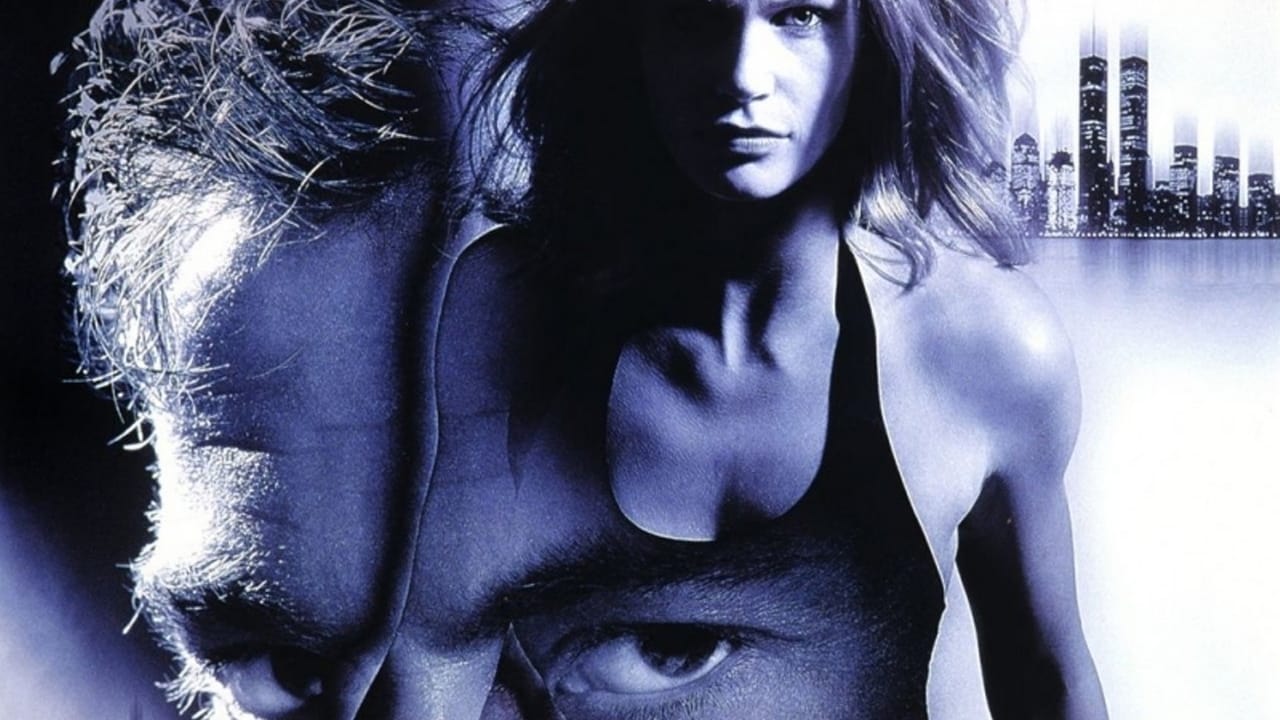
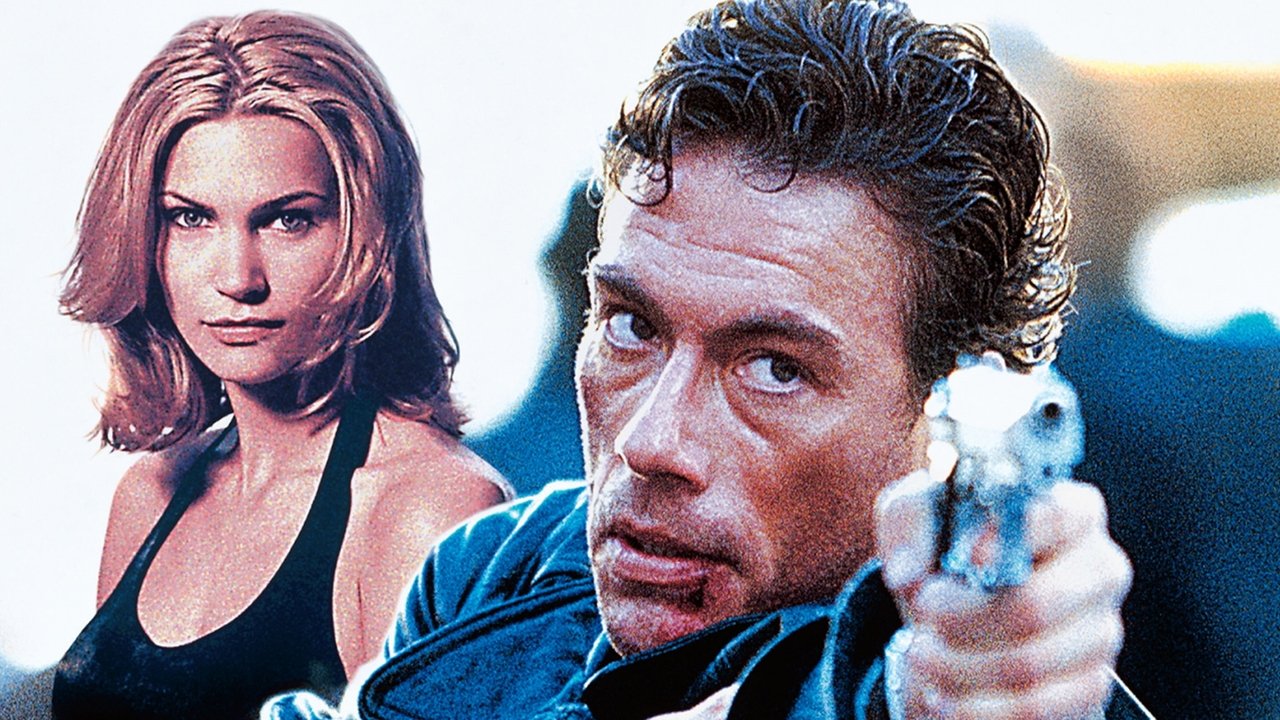
The setup is pure pulp: Alain Moreau (Jean-Claude Van Damme), a French cop in Nice, discovers he had an identical twin brother, Mikhail, gunned down in a frantic chase. Even more shocking? Mikhail was mixed up with the Russian mafia and some seriously dirty FBI agents stateside. Cue Alain heading to New York City, stepping into his dead brother's very dangerous shoes (and stylish leather jacket) to unravel the conspiracy. It’s a classic fish-out-of-water, twin-swapping scenario, but Lam elevates it beyond mere cliché with sheer kinetic energy. I distinctly remember renting this one, the cover art promising chaos, and being immediately struck by how relentless the pacing felt compared to some other action fare lining the shelves back then.
Ringo Lam's Touch: Practical Mayhem
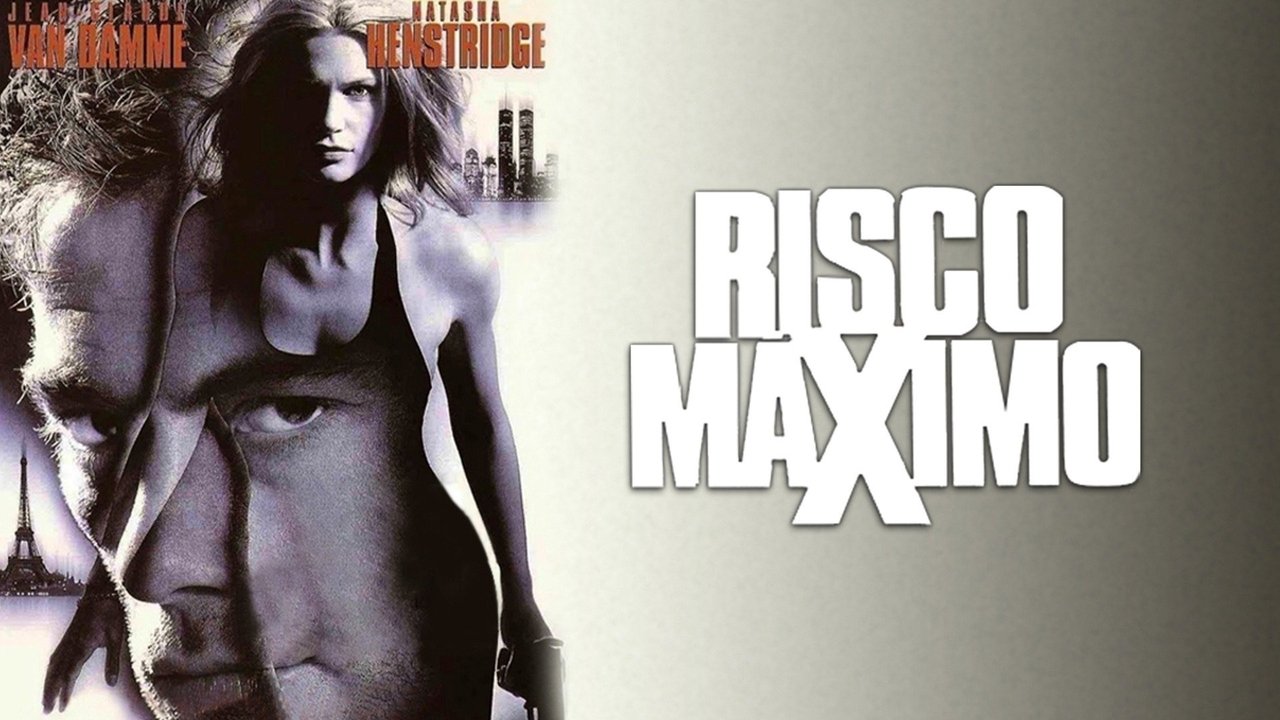
Let’s talk about the real star here: the action, directed with Ringo Lam’s signature visceral intensity. Remember that opening car chase through the streets of Nice? It felt dangerous. Real cars, real metal crunching, stunt drivers pushing the limits. This wasn't the smooth, physics-defying CGI ballet we often see today; it was raw, grounded, and you felt every impact. Lam, famous for Hong Kong classics like City on Fire (1987) – a key inspiration for Tarantino's Reservoir Dogs – brought that same chaotic energy stateside. Retro Fun Fact: The script for Maximum Risk (originally titled The Exchange) had been floating around Hollywood for years, initially developed with Sylvester Stallone in mind before landing with Van Damme and Lam. Imagine that alternate universe!
The film is packed with standout sequences that really showcase the beauty of 90s practical effects work. The extended shootout and brawl in the bathhouse? Brutal and claustrophobic. Steam, sweat, and close-quarters combat where every punch lands with a thud. Then there’s the incredible elevator shaft sequence – pure, nail-biting tension built through physical stunt work and clever camera angles. Didn't that feel genuinely perilous back on a fuzzy CRT? It’s a testament to the skill of the stunt coordinators and performers who risked life and limb for these shots. The budget was around $25 million, not huge by blockbuster standards even then, but Lam squeezed every penny for maximum impact on screen, ultimately pulling in over $51 million worldwide – a respectable return.
Van Damme, Henstridge, and the Supporting Crew
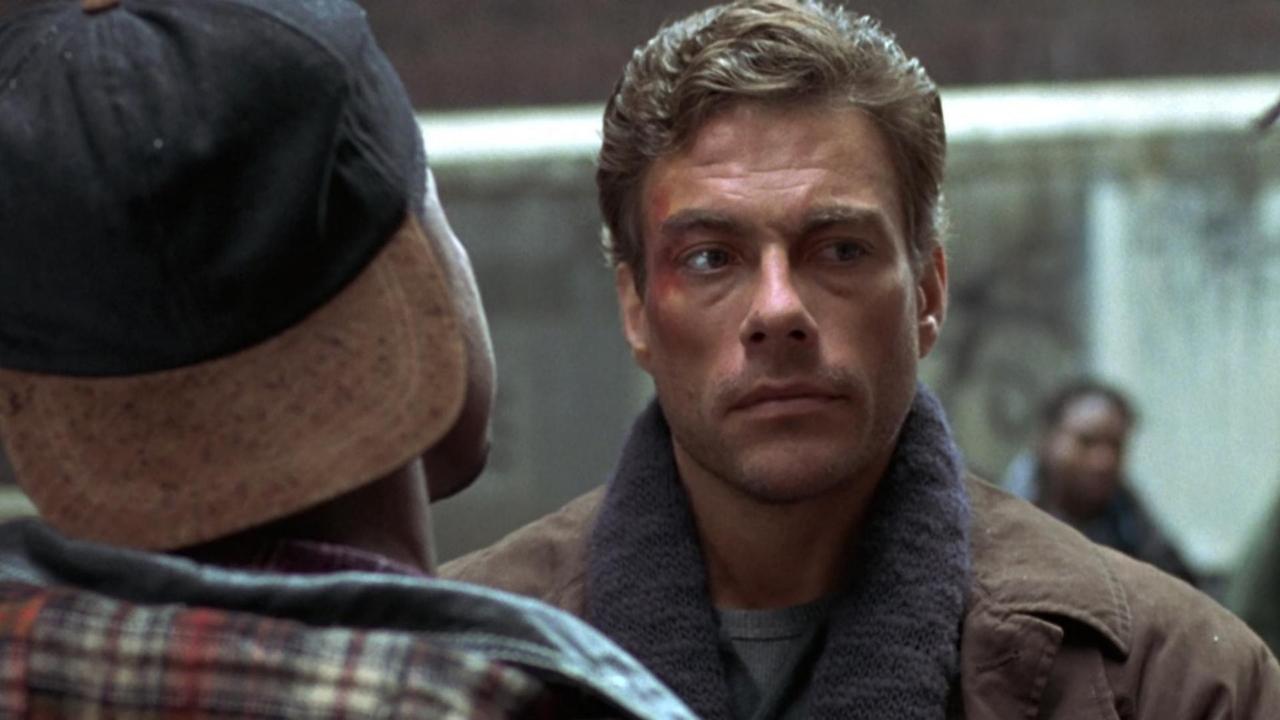
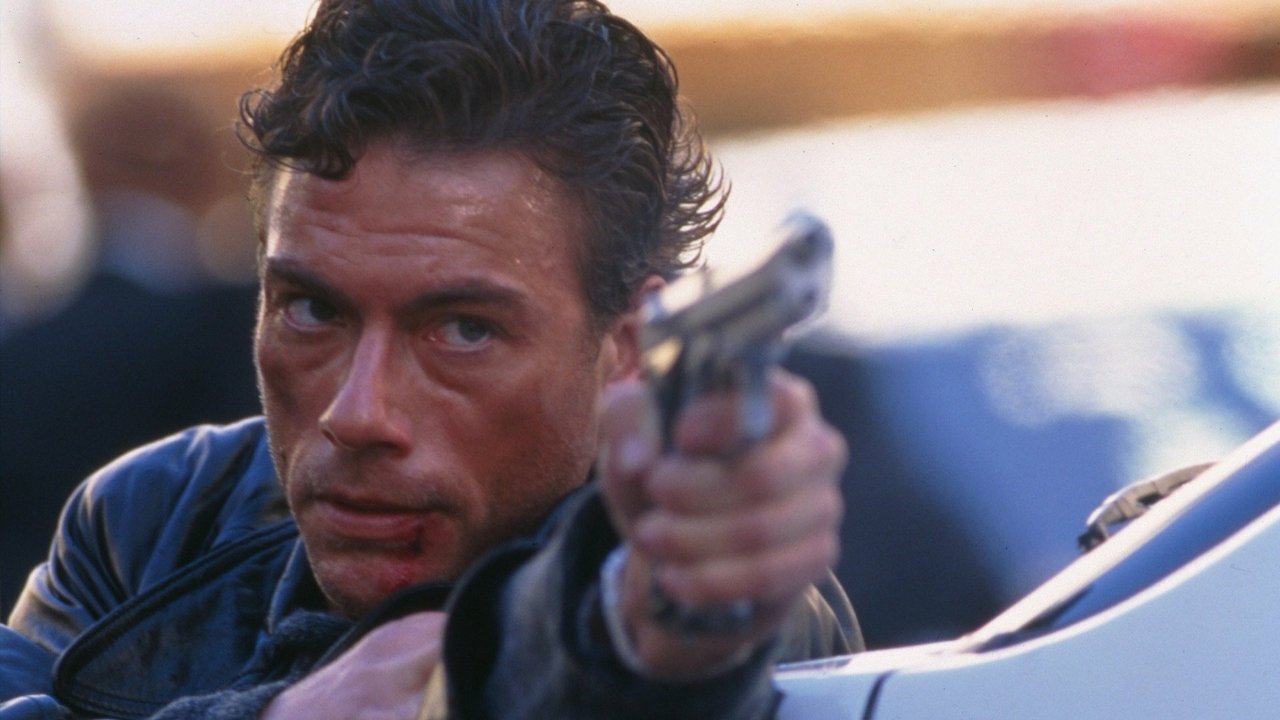
Jean-Claude Van Damme does double duty here, albeit briefly as the doomed Mikhail. As Alain, he delivers what fans expected: impressive martial arts skills, brooding intensity, and that certain Euro-cool charisma. He's believable as a cop thrown into an impossible situation, selling the physical toll of the constant chases and fights. It’s a solid, if not particularly deep, performance that anchors the film.
Sharing the screen is Natasha Henstridge as Alex Minetti, Mikhail's girlfriend who gets unwillingly swept up in Alain's quest. Fresh off her breakout role in Species (1995), Henstridge provides more than just damsel-in-distress duties; she holds her own and has genuine chemistry with Van Damme. Their dynamic adds a necessary human element amidst the gunfire and explosions. Shoutout also to Jean-Hugues Anglade as Alain's French police partner, adding a touch of world-weary support. The villains, primarily dirty FBI agents played by Paul Ben-Victor and Frank Senger, are suitably menacing archetypes for this kind of thriller.
Legacy on the Shelf
Maximum Risk wasn't exactly a critical darling upon release; reviews were mixed, often acknowledging the action but finding the plot somewhat standard. However, for VHS hounds and action aficionados, it delivered the goods. It sits comfortably in that second tier of 90s action – not quite Die Hard or Speed, but a reliable rental that provided genuine thrills. It captured that specific transitional moment where gritty Hong Kong style was making serious inroads into Hollywood action filmmaking. While Lam’s other JCVD collaborations like Replicant (2001) explored different sci-fi themes, Maximum Risk remains perhaps their most straightforward and viscerally satisfying joint effort. Retro Fun Fact: Filming took place across multiple distinct locations, including Nice and Paris in France, New York City, and even parts of Toronto standing in for NYC, giving the film a surprisingly expansive feel.
It’s a movie that knew exactly what it was: a vehicle for its star, packed with hard-hitting, practically achieved action sequences orchestrated by a master craftsman of the genre. The plot might be a bit by-the-numbers, but the execution is often thrilling.
VHS Heaven Rating: 7/10
Why the score? Maximum Risk earns solid points for its relentless pacing, Ringo Lam's impactful direction, and some truly outstanding practical stunt work that holds up surprisingly well. Jean-Claude Van Damme is in fine form, and the supporting cast is capable. It loses a few points for a somewhat generic plot and characters that don't stray far from action movie templates. It’s not high art, but it’s high-octane entertainment done with tangible, bone-crunching flair.
Final Take: Crack open a cold one, rewind that tape (or, you know, click play on your preferred modern equivalent), and enjoy Maximum Risk for what it is: a prime example of 90s action where the danger felt real, the explosions were fiery, and Van Damme kicked his way through international intrigue. They literally don't make 'em quite like this anymore.