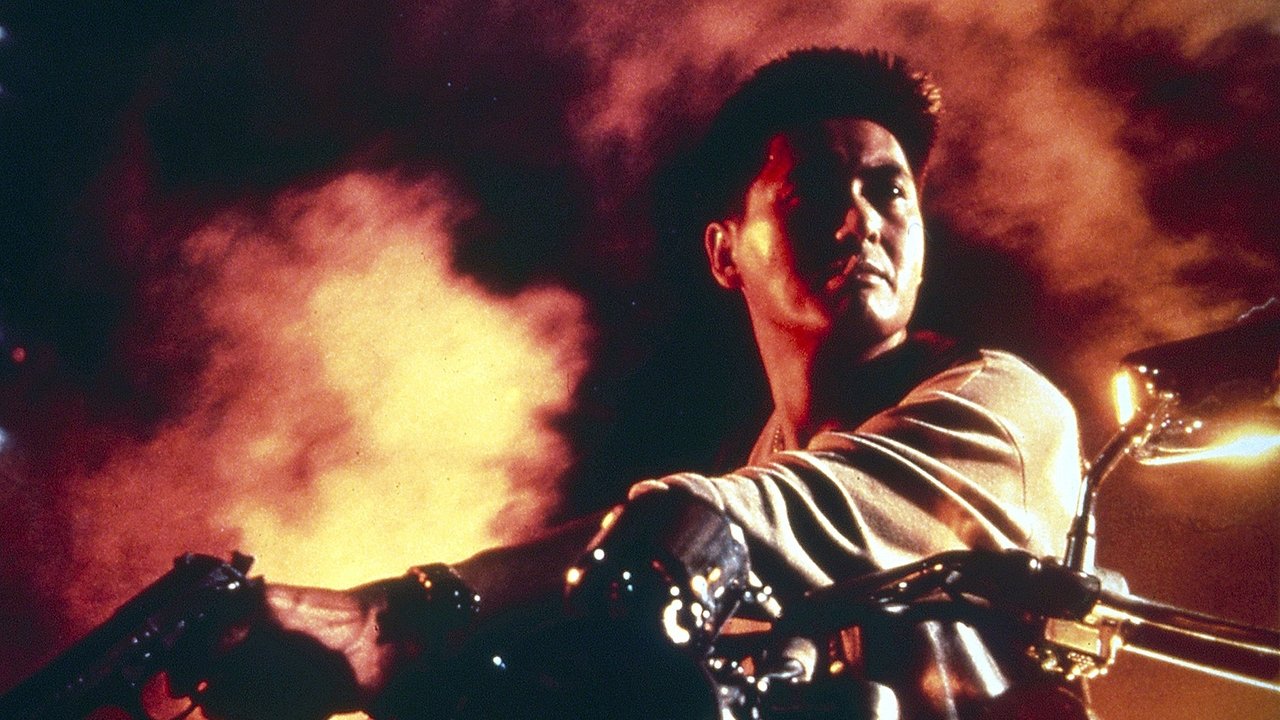
The glare is the first thing that hits you. Not the neon glow of Bangkok's underbelly, though that comes soon enough, but the cold, hard stare of Chow Yun-Fat. This isn't the smooth, charismatic killer from John Woo's operatic ballets of bullets and brotherhood like A Better Tomorrow (1986) or The Killer (1989). No, this is something far more primal, stripped bare and burning with pure, unadulterated rage. Watching Full Contact (1992, original title Xia dao Gao Fei / 俠盜高飛) for the first time on a grainy VHS felt less like watching an action movie and more like mainlining pure adrenaline mixed with uncut nihilism. It left a mark, didn't it? That feeling of something genuinely dangerous flickering on the screen.
Welcome to the Inferno
Directed by the master of gritty Hong Kong realism, Ringo Lam – the man who gave us the searing City on Fire (1987), famously "borrowed" from for Reservoir Dogs – Full Contact plunges us headfirst into a world devoid of honor, where loyalty is a currency spent quickly and betrayal is the only constant. Chow Yun-Fat plays Jeff (or Gou Fei, depending on your dub/sub), a bouncer indebted to a loan shark who gets dragged into a heist by his treacherous "friend" Sam Sei (a perfectly sleazy Anthony Wong Chau-Sang, who'd later terrify audiences in The Untold Story). The target: a shipment of munitions. The setup goes spectacularly wrong, orchestrated by the flamboyantly psychotic Judge (an iconic, scene-stealing performance by Simon Yam). Left for dead after a brutal double-cross that costs him a hand and his girlfriend Mona (Ann Bridgewater), Jeff returns, fueled by vengeance and armed with lethal efficiency.
Lam wastes no time establishing the mood. Forget the heroic slow-motion doves; here, slow-motion captures the visceral spray of blood, the agonizing impact of lead tearing through flesh. The Bangkok setting isn't postcard-pretty; it's a sweaty, neon-drenched purgatory, all dimly lit bars, grimy back alleys, and opulent dens of corruption where life is cheap. Lam’s camera often feels uncomfortably close, trapping us in the escalating violence and paranoia. It’s a far cry from the romanticized gangsterism often seen; this is ugly, desperate, and personal. Reportedly, Lam intentionally sought this darker, more grounded approach to violence, a stark counterpoint to the prevailing trends in Hong Kong action cinema at the time.
Chow Yun-Fat Unleashed
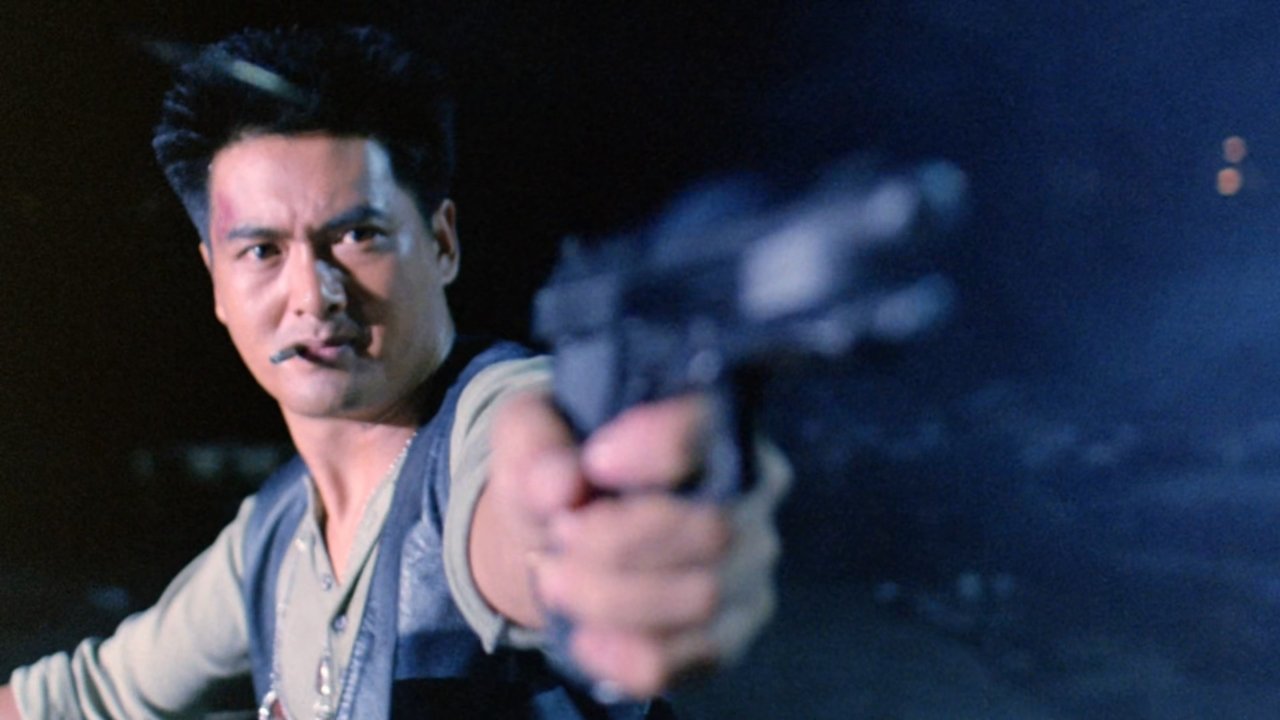
Seeing Chow Yun-Fat, arguably Asia's biggest star at the time, embrace such a dark, almost feral role was a revelation. His Jeff isn't seeking redemption or upholding a code; he's a force of nature driven by pure payback. The loss of his hand isn't just a physical maiming; it strips away the last vestiges of his former self, leaving only a hardened instrument of death. There's a raw physicality to his performance, a coiled tension that feels worlds away from the effortless cool of Mark Gor or Tequila Yuen. Chow reportedly relished the chance to break away from his heroic typecasting, and that commitment bleeds through the screen. Every glare, every brutal takedown feels earned and visceral.
A Gallery of Rogues
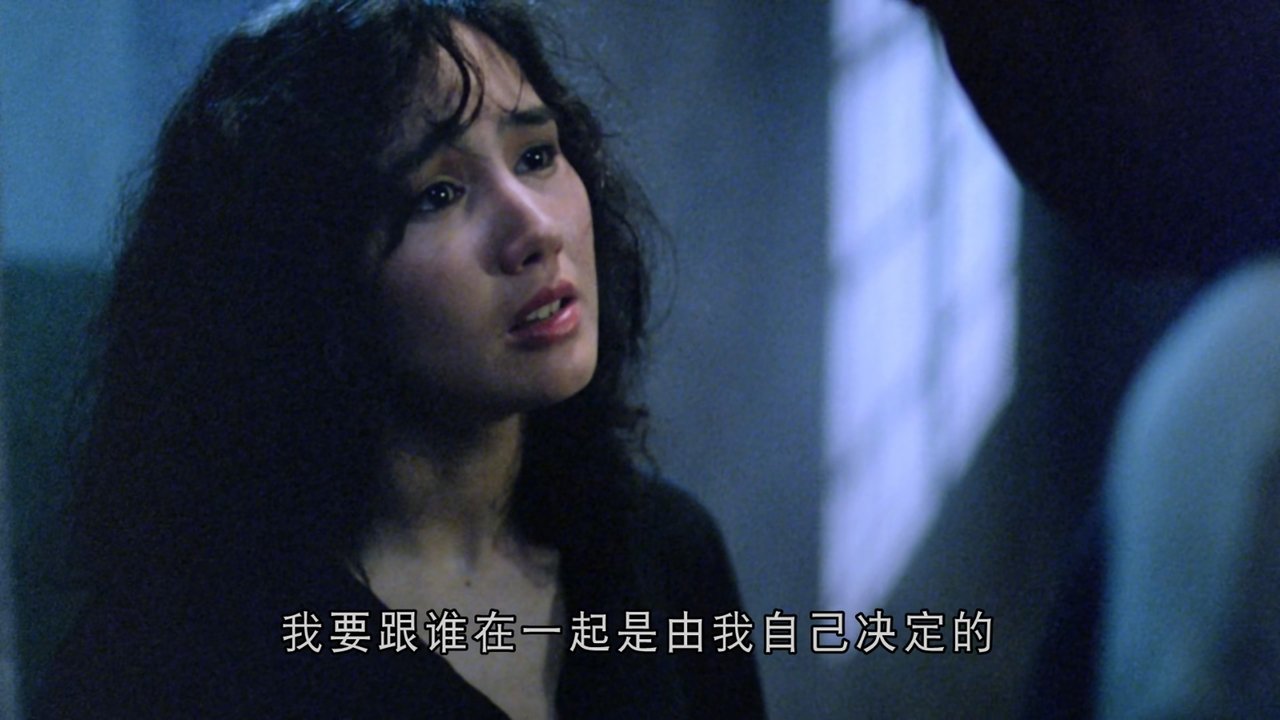
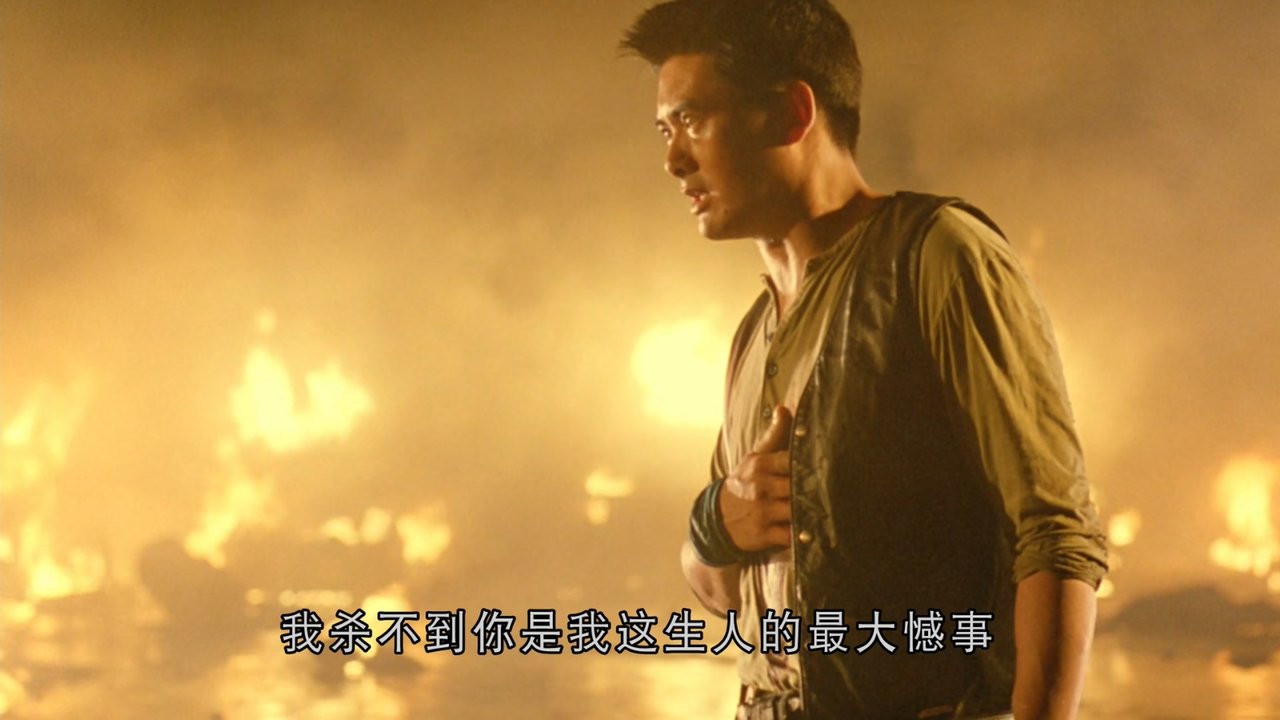
The villains are just as memorable, bordering on the cartoonish yet terrifyingly real in their malice. Anthony Wong embodies spineless treachery as Sam Sei, the kind of friend who'd sell you out for pocket change. But it's Simon Yam as Judge who truly electrifies the film. Effeminate, sadistic, clad in leather, and wielding twin golden pistols, Judge is pure id unleashed. His interactions with his equally unhinged girlfriend Virgin (Bonnie Fu) are bizarrely captivating. Yam throws himself into the role with absolute abandon, creating one of the era's most unforgettable antagonists. Rumour has it Ringo Lam was known for pushing his actors to intense places, demanding raw emotion, and it certainly shows in these standout performances.
Bullet Time, Before Bullet Time
The action in Full Contact is relentless and inventive. Lam employs jarring edits, frantic handheld shots, and, most famously, the innovative "bullet-cam" perspective, giving us a dizzying POV shot from the slug itself as it travels towards its target. It feels raw, immediate, and incredibly violent. Practical effects reign supreme here – squibs explode with wet, messy force, and the stunt work feels genuinely dangerous. You remember that feeling, right? Watching those Hong Kong action scenes on tape and wondering how anyone survived the filming process. The sheer impact felt so much more real than the polished CGI of today. The climactic shootout is a masterclass in controlled chaos, a symphony of destruction that feels both thrilling and deeply unsettling. Apparently, navigating the complexities of shooting such intense action sequences on location in Bangkok presented numerous challenges, adding another layer to the film's gritty authenticity.
A Bleak Reflection
Released just a few years before the 1997 handover of Hong Kong to China, Full Contact is often interpreted as reflecting the anxieties and uncertainties of the time. Its pervasive themes of betrayal, the breakdown of trust, and the struggle for survival in a hostile environment resonated deeply. While perhaps not achieving the international crossover fame of Woo's masterpieces, its uncompromising vision and brutal intensity secured its status as a cult classic among action aficionados and VHS collectors. It stands as a testament to Ringo Lam's distinct voice – less poetic than Woo, perhaps, but arguably more grounded in the grim realities of violence and its consequences.
---
VHS Heaven Rating: 9/10
Full Contact earns this high score for its raw intensity, Chow Yun-Fat's ferocious anti-hero turn, Simon Yam's unforgettable villain, Ringo Lam's uncompromising direction, and its sheer visceral impact. It's a brutal, stylish, and utterly compelling slice of Hong Kong action cinema at its peak. The narrative might be straightforward revenge, but the execution is anything but simple. It grabs you by the throat and doesn't let go until the final, blood-soaked frame.
This is peak Hong Kong nihilism served cold. It’s not always an easy watch, but its power is undeniable. For those who remember the thrill of discovering these unfiltered gems on worn-out rental tapes, Full Contact remains a potent, unforgettable shot of pure, uncut cinematic adrenaline. It’s the kind of movie that reminds you why the golden age of Hong Kong action felt so dangerous, so vital, and so incredibly exciting.