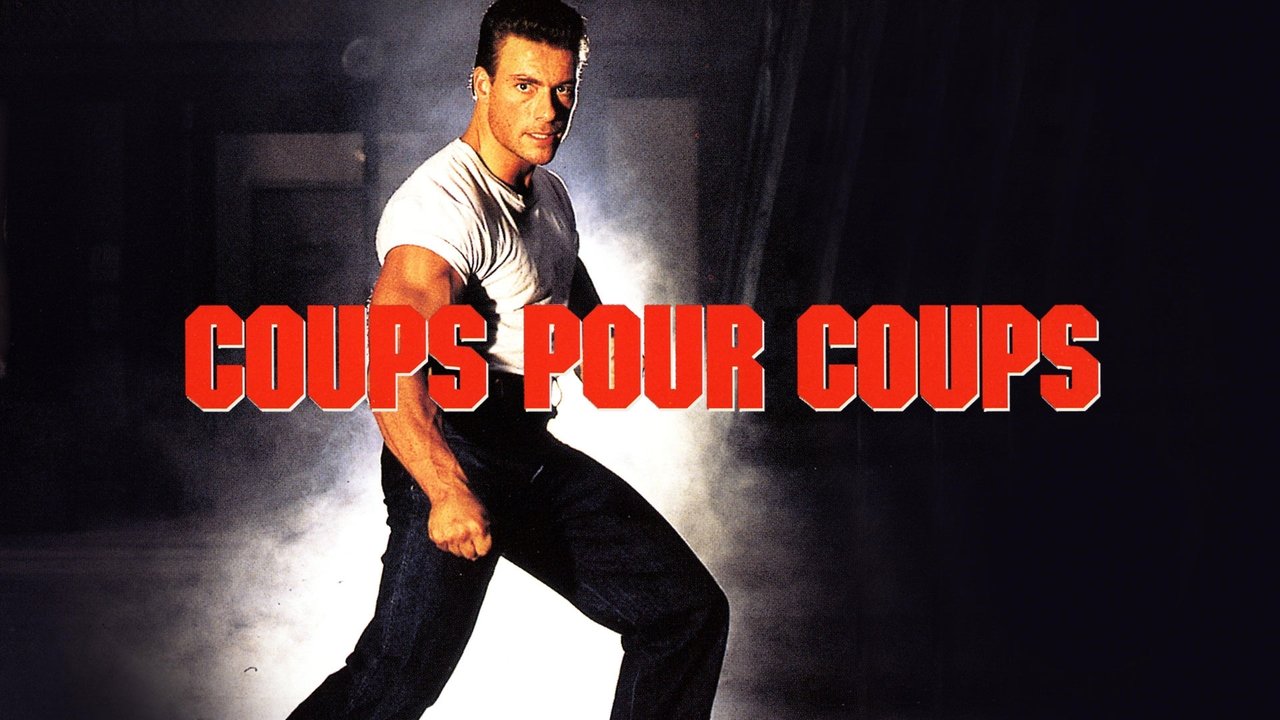
The clang of steel isn’t just a sound effect in Death Warrant; it’s the closing note on Louis Burke's old life, the grim overture to a descent into the concrete hell of Harrison Penitentiary. The year was 1990, and the promise wasn't escape, but survival. Burke, played by a peak-era Jean-Claude Van Damme, isn't just another inmate; he's a mole, burrowing into the prison's rotten core to uncover how inmates are dying without a mark on them, vanishing into the institution's brutal machinery. This wasn't the sun-drenched arenas of Kickboxer (1989); this was cold, damp stone and the constant thrum of barely contained violence.
Inside the Walls
Director Deran Sarafian, who would later helm the equally altitude-obsessed Terminal Velocity (1994), crafts an atmosphere thick with menace. Harrison Penitentiary isn't just a backdrop; it's a character in itself – oppressive, labyrinthine, and radiating a palpable sense of dread. Much of this authenticity likely stems from filming key sequences within the imposing, and genuinely grim, confines of the Tennessee State Penitentiary, a location that bleeds history and decay onto the screen. The production design leans into the grime, the peeling paint, the echoing clamor of cell blocks, making Burke's isolation feel immediate and suffocating. You can almost smell the stale air and disinfectant. The pervasive threat isn't just from the guards or the other inmates; it's woven into the very fabric of the place.
Van Damme Behind Bars
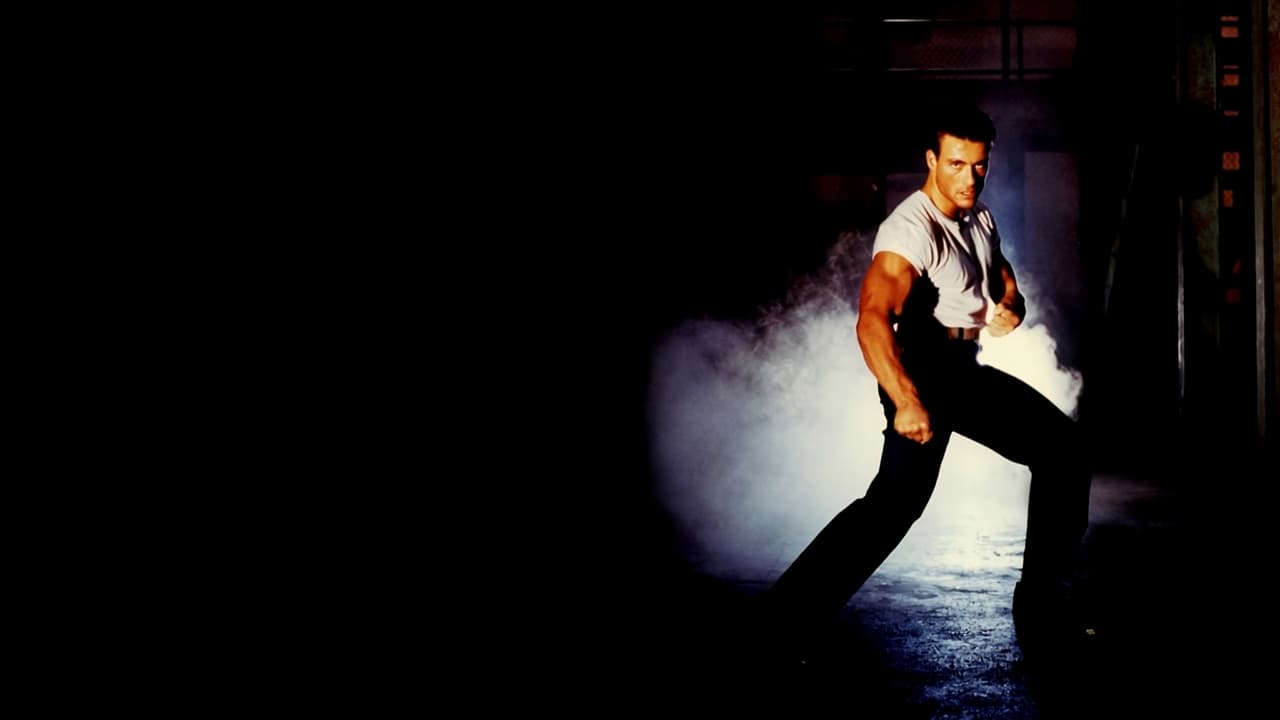
For Jean-Claude Van Damme, Death Warrant represented a slight detour. While still packed with his signature high kicks and splits (often deployed in creatively cramped spaces like cells and boiler rooms), the film demanded a more grounded, less flamboyant performance. As Burke, he’s tasked with navigating the complex prison hierarchy, gathering intel while trying not to get shanked. He conveys the necessary toughness and resourcefulness, even if the deeper emotional beats sometimes feel secondary to the next action setup. It's fascinating to see him adapt his physical prowess to the environment – a spinning kick feels different, more desperate, when unleashed in a narrow corridor rather than an open ring. One can only imagine the choreography challenges, turning prison bunks and mess halls into brutal ballet arenas.
Friend, Foe, and The Sandman
Burke isn't entirely alone in this snake pit. He finds wary allies in Hawkins (Robert Guillaume, bringing seasoned gravitas far from his beloved role in Benson) and Tisdale (Art LaFleur), fellow inmates navigating the treacherous social currents. Providing Burke's outside link is Amanda Beckett (Cynthia Gibb), posing as his wife, adding a layer of procedural investigation and a hint of romantic tension, though her storyline often feels somewhat disconnected from the core prison drama.
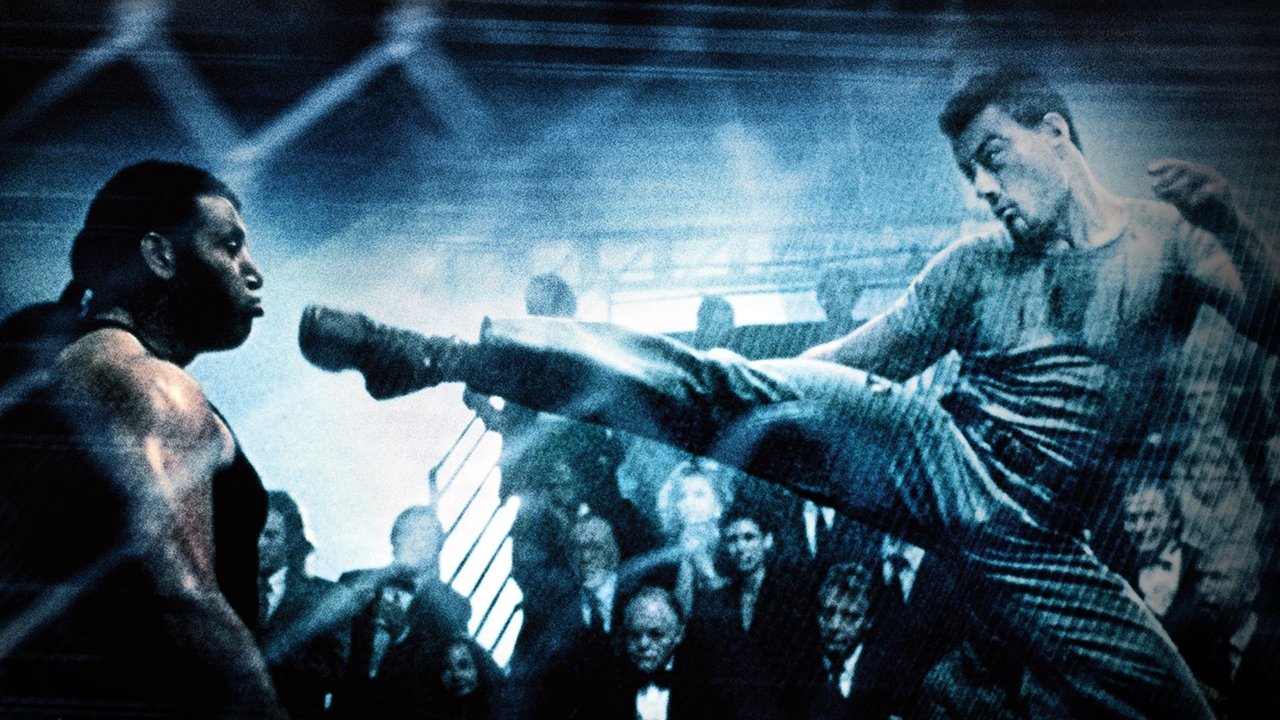
But the film's most chilling presence, the source of much of its unease, is "The Sandman." Played with terrifying intensity by Patrick Kilpatrick, The Sandman is Burke’s spectral nemesis, an seemingly unkillable boogeyman whispered about in hushed tones throughout the cell blocks. Kilpatrick’s piercing eyes and imposing physicality make him genuinely unnerving, a figure embodying the prison's heart of darkness. Doesn't that unnerving, almost supernatural quality he projects still linger long after the credits roll? He elevates the film beyond a standard prison punch-up.
Goyer's Early Sentence
Here’s a slice of trivia that always brings a smile to fellow fans: the screenplay for Death Warrant was penned by a young David S. Goyer. Yes, the very same Goyer who would later script the Blade trilogy, Christopher Nolan's Dark Knight films, and Man of Steel (2013). Seeing his name attached to this gritty, relatively straightforward 90s thriller offers a fascinating glimpse into the early career of a writer who would go on to shape modern superhero cinema. It shows his early knack for crafting dark worlds and menacing threats, even within the confines of a $6 million budget actioner that pulled in a respectable (for its scale) $16.8 million at the box office. You can see the seeds of his later work in the film's exploration of a corrupt system and the almost mythic nature of its villain.
The Verdict on Cell Block JCVD
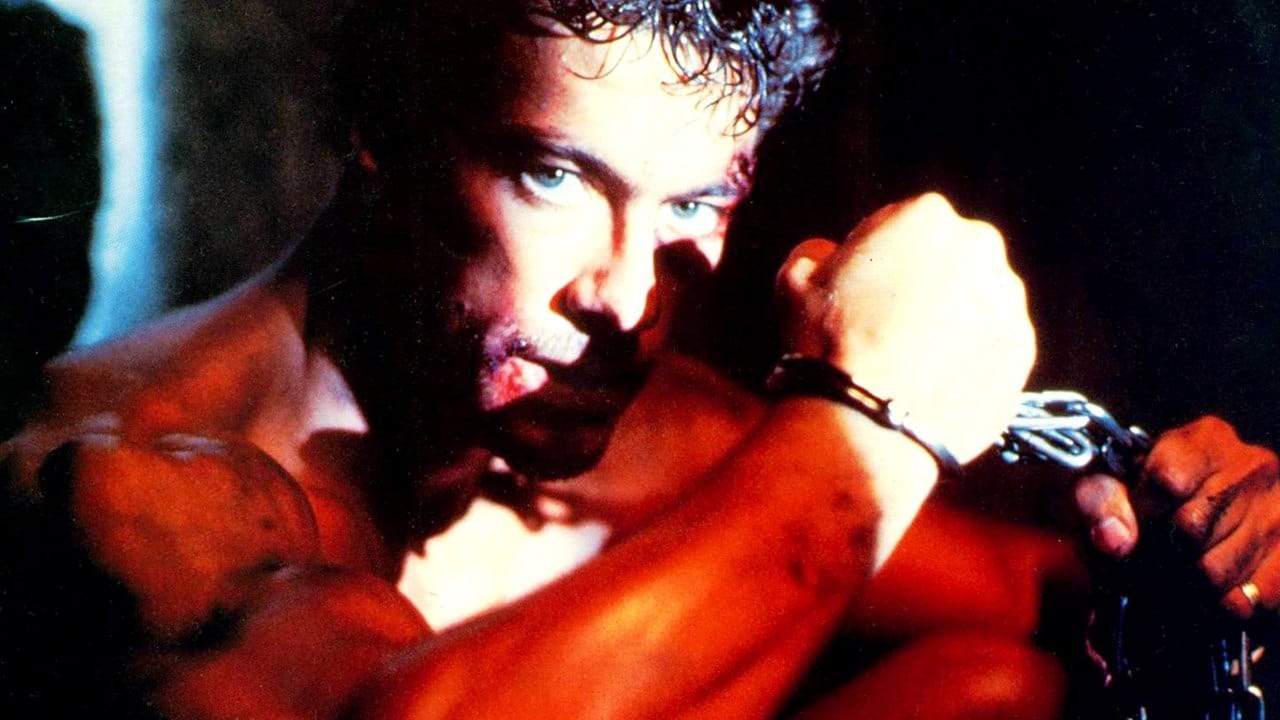
Rewatching Death Warrant now, through the lens of nostalgia and countless prison dramas that have followed, it holds up as a solid, atmospheric entry in the Van Damme canon. It lacks the polish or narrative complexity of some later genre classics, and certain plot mechanics feel predictable. Yet, its commitment to a grim tone, Kilpatrick's standout performance as The Sandman, and Van Damme delivering the precise brand of action audiences craved back then make it a compelling watch. It captures that specific early 90s flavor – gritty, violent, slightly sleazy, but undeniably entertaining. I distinctly remember renting this one, the stark cover art promising exactly the kind of tough-guy thrills that filled Friday nights. It delivered then, and in many ways, it still does.
Rating: 6/10
The score reflects a film that succeeds admirably in creating a tense, oppressive atmosphere, boosted by a truly memorable villain and Van Damme doing what he does best within the unique constraints of the setting. However, it's held back slightly by a somewhat formulaic plot and supporting characters who don't always feel fully fleshed out. Still, for fans of early 90s action-thrillers and the specific brand of gritty filmmaking prevalent on VHS shelves, Death Warrant remains a grimly satisfying sentence worth serving again. It’s a stark reminder of a time when action heroes faced their demons in decidedly unglamorous, dangerous places.