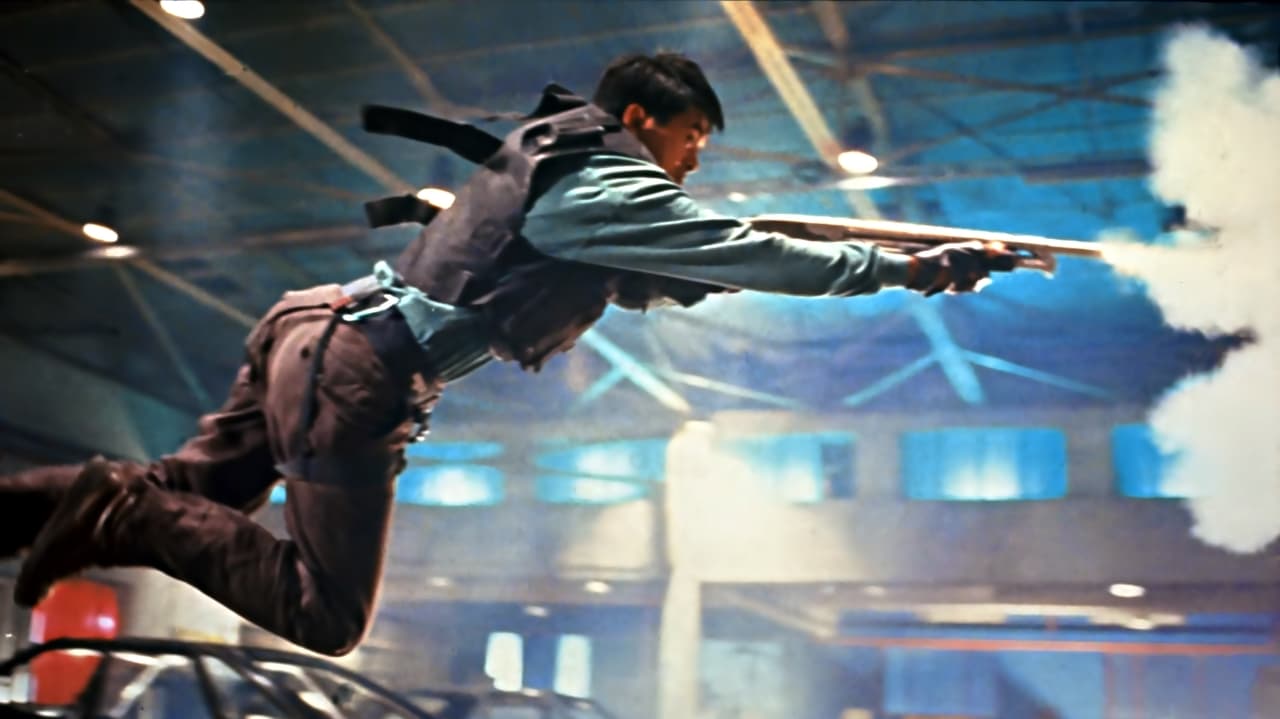
Okay, fellow tapeheads, slide that well-worn cassette into the VCR, ignore the slightly fuzzy tracking lines for a moment, and brace yourself. We're diving headfirst into the glorious, bullet-riddled chaos of John Woo's 1992 masterpiece, Hard Boiled (Lat sau san taam). Forget subtlety, forget restraint – this is Hong Kong action cinema cranked up to eleven, a symphony of destruction that likely blew the fuses in more than a few CRT TVs back in the day. I distinctly remember the buzz around this one at the local video store; the cover alone promised something explosive, and boy, did it deliver.
### Welcome to the Gunfight Opera
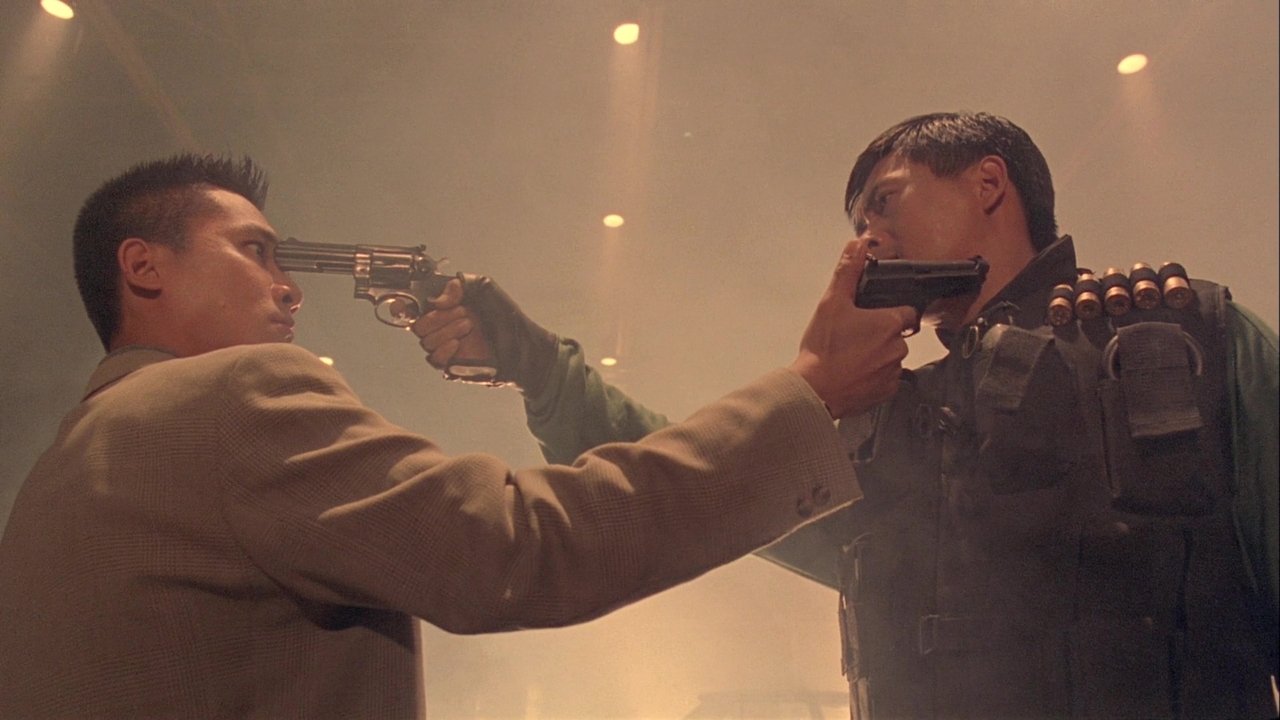
If you thought action movies peaked somewhere between Stallone and Schwarzenegger, Hard Boiled arrived like a shotgun blast to the chest, redefining what kinetic filmmaking could achieve. Our heroes are Inspector "Tequila" Yuen (Chow Yun-Fat, already iconic from Woo's earlier A Better Tomorrow (1986) and The Killer (1989)) – a loose cannon cop who plays a mean clarinet and has a personal vendetta against gun runners – and Alan (Tony Leung Chiu-wai, delivering a career-making performance), a deep-cover operative posing as a cold-blooded assassin within the triads. Their paths collide amidst a city drowning in illegal arms, masterminded by the utterly ruthless Johnny Wong (Anthony Wong).
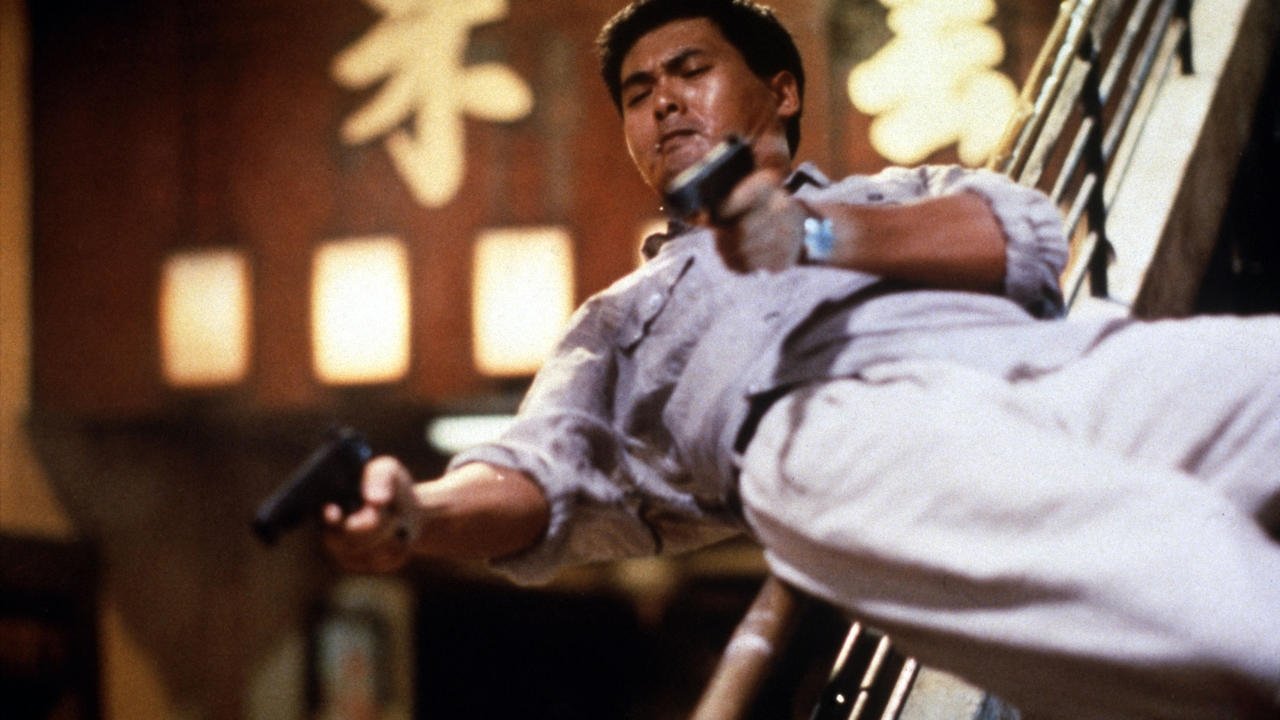
What follows isn't just a plot; it's a breathless sequence of exquisitely choreographed mayhem. John Woo, working with writer Barry Wong (who tragically passed away during production, leading Woo to dedicate the film to him), crafts scenes that feel less like traditional action set-pieces and more like violent ballets. Remember that opening teahouse shootout? It’s an absolute whirlwind of shattering glass, splintering wood, and flying bodies, establishing Tequila's reckless style and the film's relentless pace from the get-go.
### Where Every Squib Tells a Story
Let's talk about what makes Hard Boiled's action feel so visceral, especially watching it now. This was the golden age of practical effects, folks. Every bullet hit – and trust me, the reported body count is legendary, somewhere north of 300 – feels impactful because it was impactful. Tiny explosive charges called squibs, wired under clothing and packed with fake blood, detonated on cue, sending plumes of red mist into the air. There's a rawness here, an undeniable sense of danger that CGI often smooths over today. The explosions feel hot, the debris looks sharp, and the stunt performers are clearly putting their bodies on the line in ways that make you wince and cheer simultaneously. You just knew those weren't digital sparks flying.
And the gunplay itself! Woo's signature style is in full force: dual-wielding pistols, characters sliding across floors while firing, slow-motion shots capturing spent casings dancing in the air, and yes, the occasional symbolic dove fluttering through the carnage. It’s operatic, over-the-top, and utterly exhilarating. He didn’t just film gunfights; he orchestrated them.
### The Hospital Siege: An Action Landmark
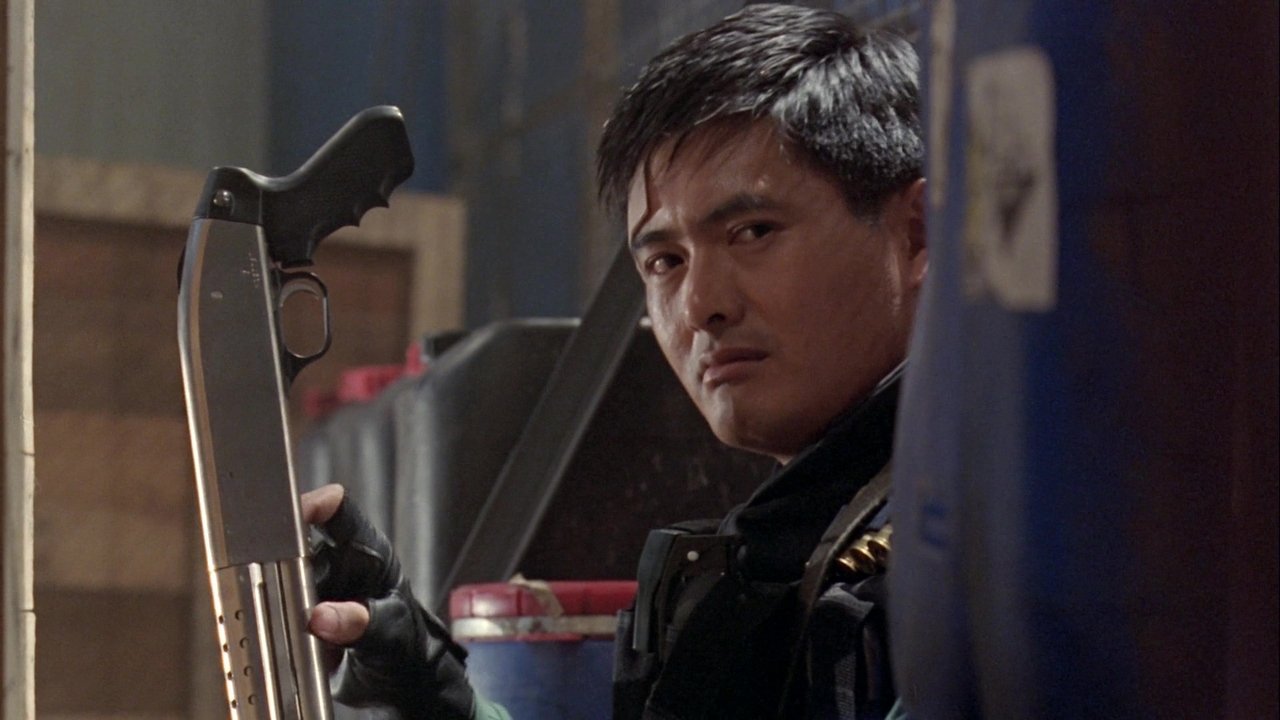
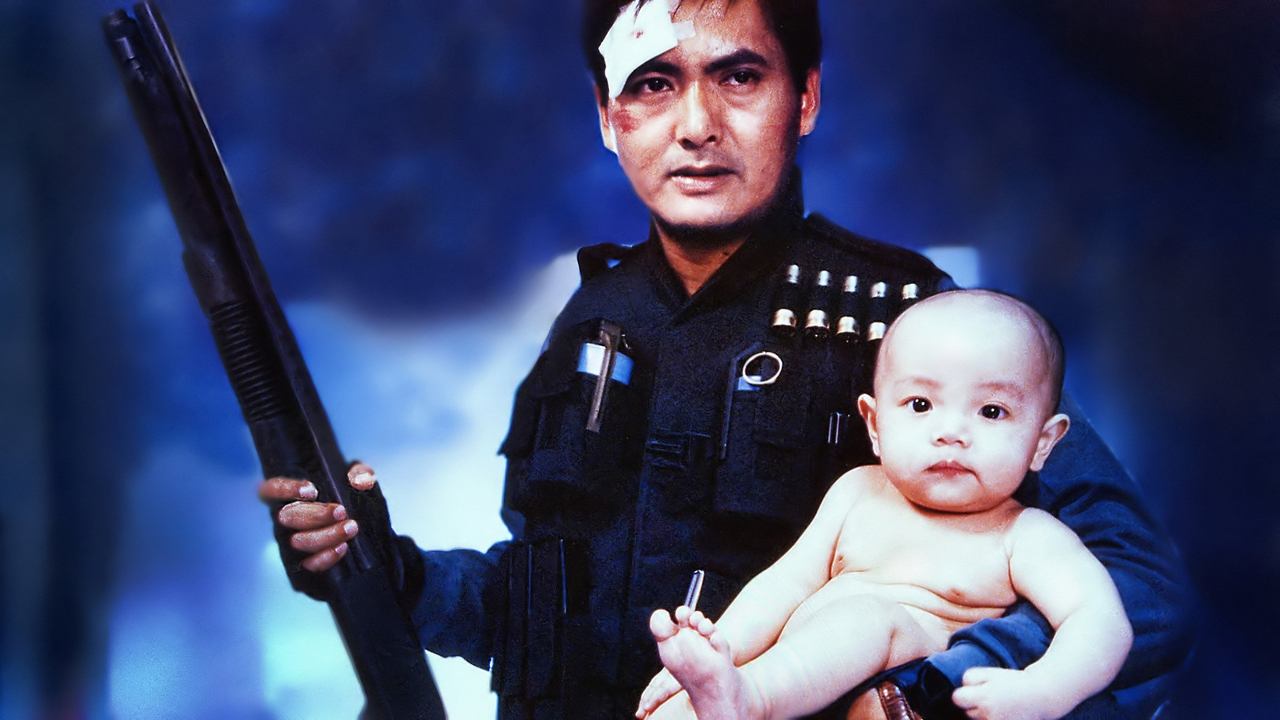
No discussion of Hard Boiled is complete without mentioning the legendary final act set in a hospital. This sequence, which reportedly took over a month to film, is arguably one of the greatest action climaxes ever committed to celluloid. Tequila and Alan, now reluctant allies, navigate corridors filled with gunmen, innocent patients, and eventually, newborn babies, all while the building literally explodes around them.
There's a staggering technical achievement buried within this chaos: a nearly three-minute single-take shot following Tequila and Alan as they clear multiple hospital rooms, reload, and engage waves of enemies, all captured in one continuous, dizzying camera move. Coordinating the actors, stunt performers, pyrotechnics, and camera crew for that one shot required incredible precision – a testament to the practical filmmaking prowess on display. Retro Fun Fact: Apparently, the sheer amount of gunfire and explosions during the hospital siege was so intense that local residents repeatedly called the police, thinking a real gang war had erupted.
### Heart Amidst the Hail of Bullets
Beyond the spectacle, Hard Boiled thrives on the dynamic between its leads. Chow Yun-Fat embodies the charismatic, jazz-loving cop with effortless cool, grounding the insanity with moments of surprising tenderness (especially towards babies). Tony Leung Chiu-wai, in a star-making turn, perfectly captures the haunted intensity of a man trapped between worlds, his loyalty constantly tested. Their eventual begrudging partnership forms the emotional core of the film, exploring Woo's recurring themes of brotherhood, honour, and sacrifice, even amidst the flying lead. Teresa Mo also deserves a nod as Tequila’s exasperated but capable superior, adding a touch of grounded reality.
While a massive cult hit internationally and hugely influential on Western action films throughout the 90s, Hard Boiled wasn't necessarily a runaway box office phenomenon upon its initial Hong Kong release. Its reputation grew, solidifying its place as the zenith of the "heroic bloodshed" genre and John Woo's final Hong Kong masterpiece before his move to Hollywood.
***
VHS Heaven Rating: 9.5/10
Justification: Hard Boiled isn't just an action movie; it's a benchmark. The relentless pace, the groundbreaking practical stunt work and pyrotechnics, the iconic performances from Chow Yun-Fat and Tony Leung Chiu-wai, and John Woo's unparalleled direction of stylized violence create an experience that remains breathtaking. It loses half a point only because the sheer excess might feel overwhelming to some, but for fans of the genre, it's practically perfect.
Final Thought: Forget your slick, sanitised modern shootouts; Hard Boiled is pure, uncut adrenaline cinema from a time when action felt dangerously real, gloriously excessive, and absolutely unforgettable. Press play and prepare for whiplash.