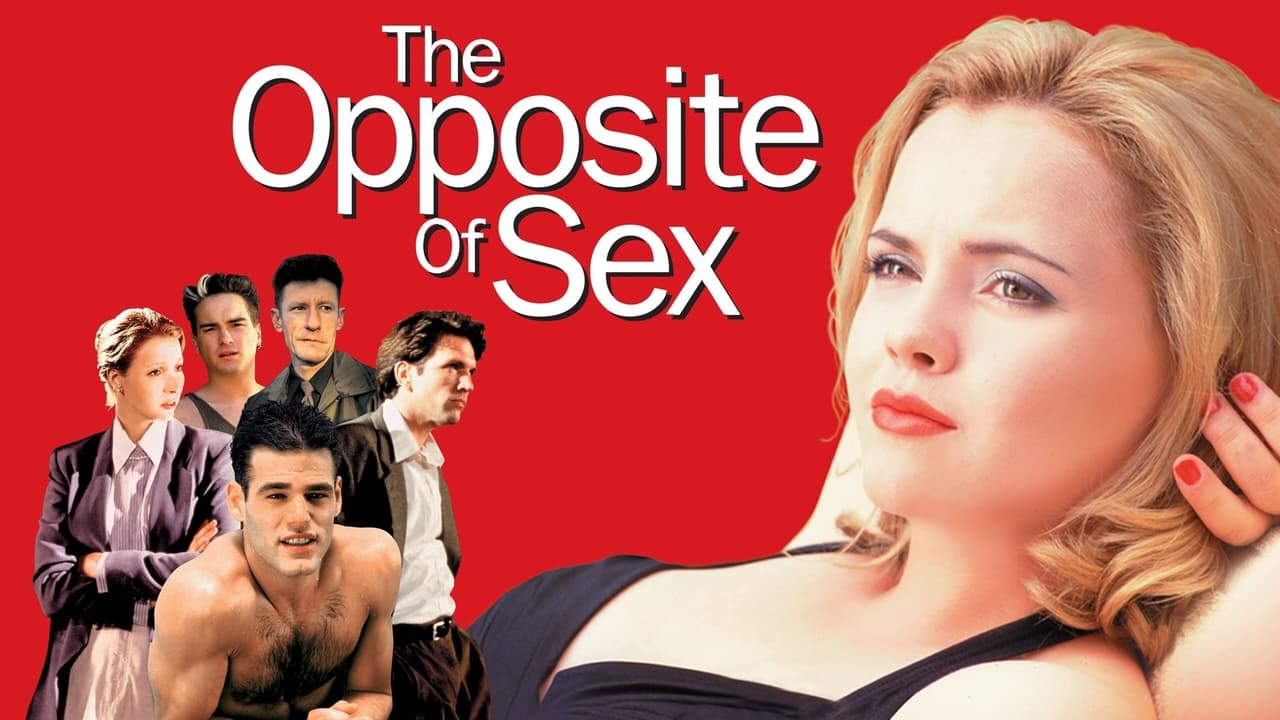
Okay, rewind your minds back to the late 90s. Forget the dial-up screech for a second and picture the ‘New Releases’ wall at your local video store. Amidst the fading action heroes and swelling rom-coms, there was this little gem with a provocative title and Christina Ricci glaring out from the cover, practically daring you to rent it. The Opposite of Sex (1998) wasn't your typical feel-good flick; it was a Molotov cocktail of cynicism lobbed gleefully into the heart of saccharine movie conventions, and finding it felt like uncovering a wickedly funny secret.

This wasn't a movie you stumbled upon lightly. Its opening narration, delivered with venomous glee by Ricci's character, Dedee Truitt, immediately tells you this isn't about meet-cutes or grand romantic gestures. Dedee is a force of nature – a manipulative, amoral, pregnant teenager who flees her Louisiana home to descend upon her half-brother Bill (Martin Donovan) in upscale suburban Indiana. Bill, a kind, quietly gay English teacher, finds his stable life with partner Matt (Ivan Sergei) utterly detonated by Dedee's arrival. What follows is a cascade of bad decisions, blackmail, betrayal, and some surprisingly poignant observations about love, family, and sexuality, all filtered through Dedee's hilariously toxic worldview.
### Not Your Average Teenager
Let's be clear: Christina Ricci owns this movie. Fresh off proving she wasn't just Wednesday Addams anymore, Ricci dives headfirst into Dedee's nihilism. It’s a fearless performance, utterly devoid of vanity. Dedee isn't asking for sympathy; she's practically spitting in its face. Ricci delivers writer-director Don Roos's razor-sharp dialogue with surgical precision, making Dedee both monstrous and somehow captivating. You can't root for her, exactly, but damn if you can't stop watching her tear through everyone's lives like a beautifully destructive tornado. Roos, who had already penned scripts like the unnerving Single White Female (1992) and the character-rich Boys on the Side (1995), proved here he had a unique directorial voice, finding the dark humor in truly uncomfortable situations.
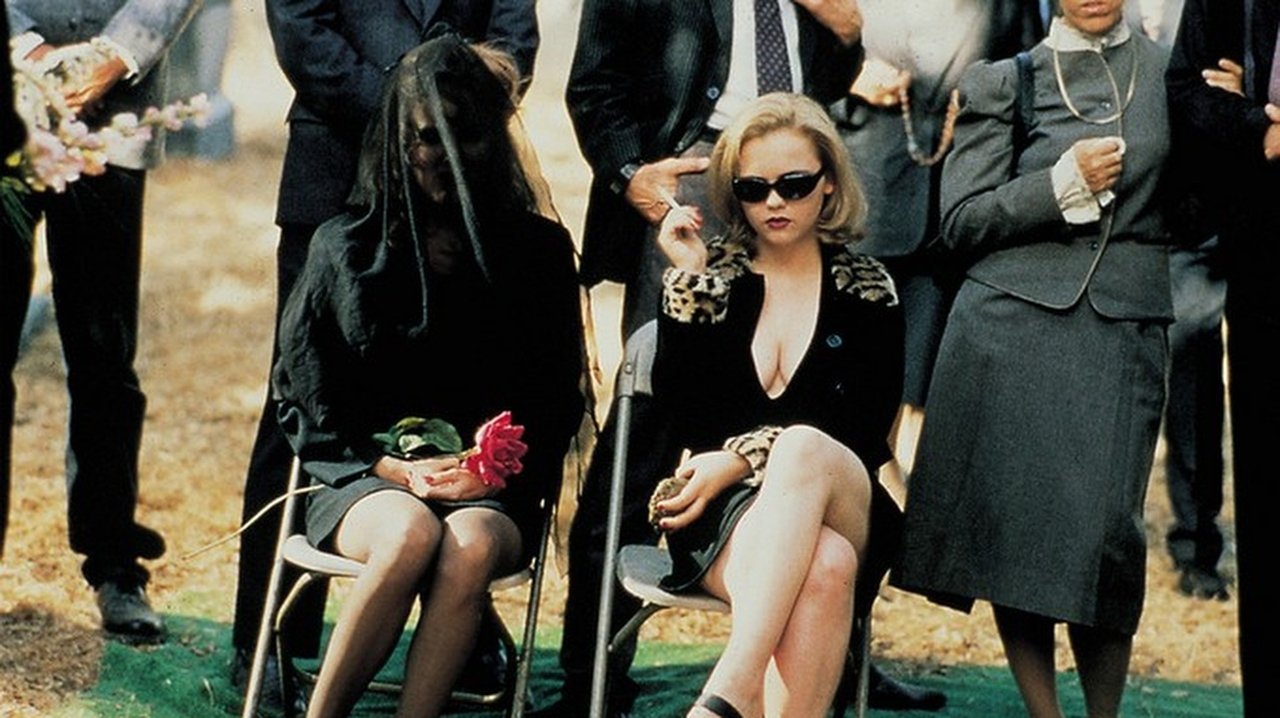
The supporting cast is equally brilliant. Martin Donovan brings a necessary warmth and weariness to Bill, the story's reluctant moral center. And then there's Lisa Kudrow, filming this during her massive Friends fame, playing Lucia, the jilted former lover of Bill's deceased partner. Kudrow absolutely nails the brittle, acerbic, yet deeply lonely Lucia, delivering lines dripping with sarcasm and barely concealed pain. It’s a performance that earned her considerable acclaim, reminding everyone she was far more than just Phoebe Buffay. Even Lyle Lovett shows up in a delightfully quirky role as a suspicious sheriff.
### Sharp Words, Messy Lives
Forget explosions and car chases; the action here is purely verbal, but it hits just as hard. Roos's script is the star – relentlessly witty, brutally honest, and packed with quotable lines that felt dangerously clever back in '98. This film wasn't afraid to be mean, but its meanness felt purposeful, stripping away the polite facades people erect around messy emotions. It tackled themes of sexuality, infidelity, and unconventional families with a frankness that was refreshing for the time, especially within a comedic framework. Remember, this was the era where independent cinema was really hitting its stride, offering alternatives to studio gloss, and The Opposite of Sex felt like a perfect encapsulation of that spirit – low-budget ($5 million, apparently!), character-focused, and unapologetically itself. It made a decent splash at Sundance and picked up some Independent Spirit Awards love, proving there was an audience hungry for this kind of tart storytelling.

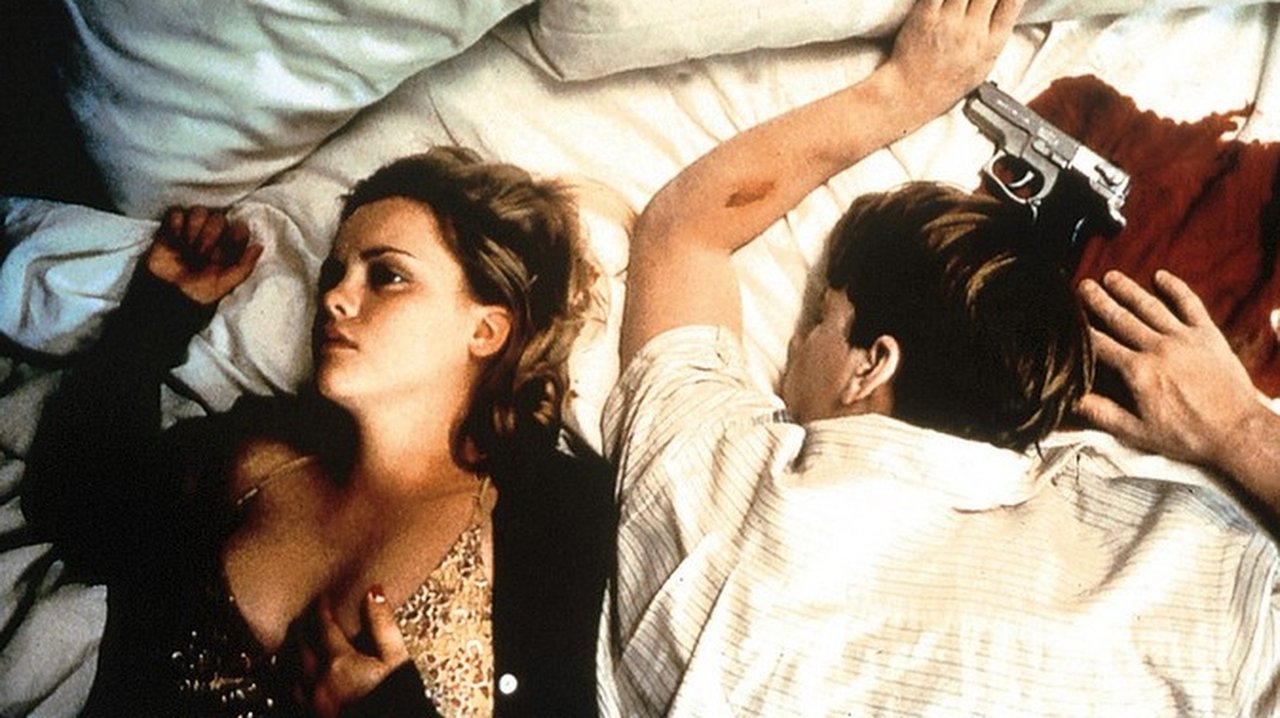
The film’s look and feel are pure late 90s indie. No slick CGI, no overly stylized visuals. It feels grounded, almost documentary-like at times, letting the performances and dialogue carry the weight. This isn't a film about spectacle; it's about the raw, often unpleasant, but undeniably human interactions between deeply flawed people. It captures that specific pre-millennium vibe, a sort of weary irony mixed with burgeoning anxieties about what relationships and family even meant anymore.
### Lasting Impressions
Does The Opposite of Sex still hold up? Absolutely. Its cynicism might feel less shocking in today's media landscape, but the sheer quality of the writing and the powerhouse performances remain undeniable. Ricci's Dedee is an iconic creation, a precursor to the anti-heroines that would become more common later. It’s a film that makes you laugh uncomfortably, think unexpectedly, and maybe even feel a strange affection for its collection of messed-up characters. It might not have the pyrotechnics of a blockbuster, but its dialogue crackles with an energy all its own.
Rating: 8.5/10
Justification: The score reflects the film's brilliant, Oscar-nominated script, Ricci's career-defining performance, Kudrow's standout supporting role, and its sharp, enduring wit. It perfectly captured a specific late-90s indie sensibility. It loses a point or so perhaps because its relentless cynicism can be a bit much for some, and the pacing occasionally reflects its character-study focus over plot propulsion, but its strengths far outweigh these minor quibbles.
Final Take: Forget warm fuzzies; this VHS find delivered cold, hard, hilarious truths wrapped in barbed wire. A must-watch for fans of whip-smart dialogue and characters who are anything but predictable. It’s the cinematic equivalent of a vodka shot chased with vinegar – bracing, unforgettable, and definitely not for everyone, but brilliant in its own right.