Alright, fellow tapeheads, let’s rewind to that glorious mid-90s era where the video store shelves were brimming with thrillers promising shadowy encounters and dangerous liaisons. Buried amongst the bigger names, you might have stumbled across a familiar title with a twist: Poison Ivy 2: Lily. Released in 1996, four years after the Drew Barrymore original sizzled its way into cult status, this wasn't quite a direct sequel, but more like a spiritual successor whispered through the pages of a discovered diary. And honestly? Finding this one felt like uncovering a slightly less dangerous, but undeniably atmospheric, piece of 90s home video history.

### Inheriting the Diary, Finding the Danger
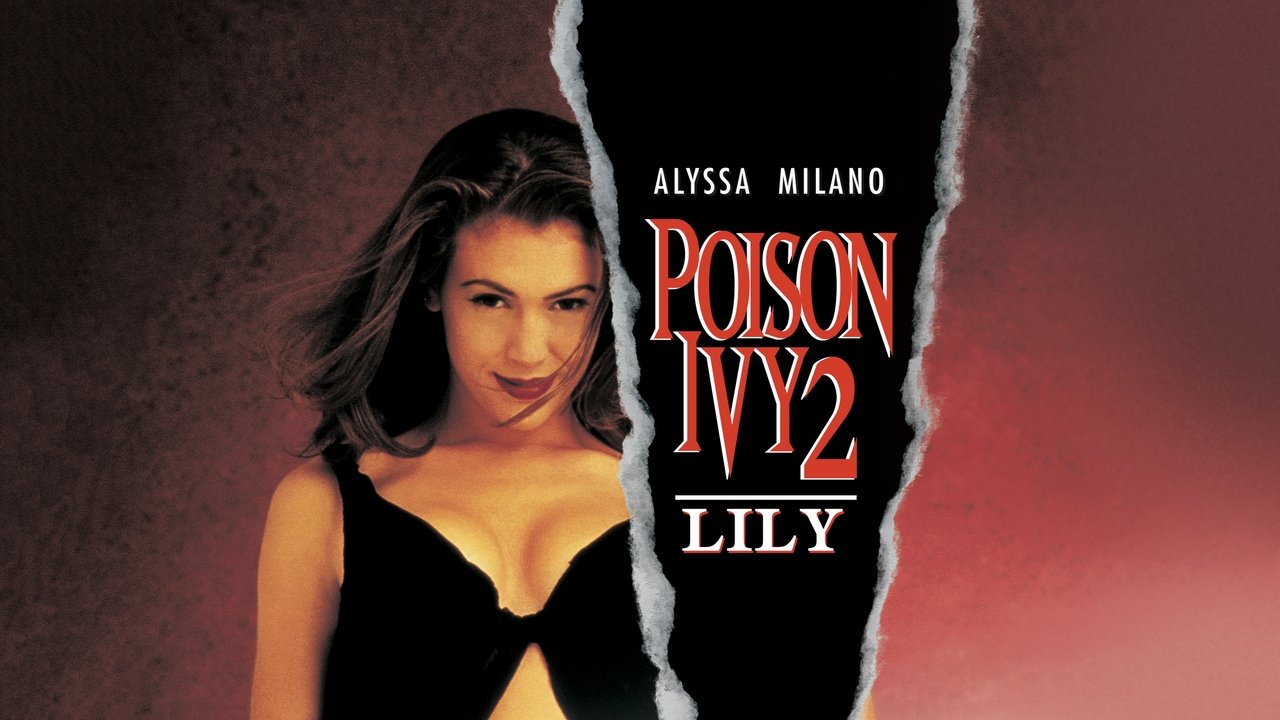
Instead of bringing back Drew Barrymore's iconic Ivy, Poison Ivy 2 introduces us to Lily Leonetti, played by Alyssa Milano. Lily is a naive art student who moves from Michigan to Los Angeles to attend art school, finding lodging in the very house where the events of the first film unfolded (a convenient plot device, sure, but hey, it works!). Stumbling upon Ivy's intimate diary, filled with her manipulative philosophies and seductive exploits, Lily becomes increasingly obsessed. It's the classic tale of transformation, as the shy newcomer starts emulating the confident, dangerous persona she reads about, weaving a tangled web involving her sensitive artist boyfriend Gredin (Johnathon Schaech) and her predatory married professor, Donald Falk (Xander Berkeley).
What’s interesting here is the shift. While the original Poison Ivy (1992) was a potent mix of Lolita-esque danger and overt manipulation, Lily feels… dreamier. Hazier. It trades some of the first film's sharp edges for a moodier exploration of identity and awakening sexuality, filtered through Lily's perspective. The film leans heavily into the sultry, sun-drenched but shadowy aesthetic so prevalent in 90s thrillers – think soft focus, dimly lit rooms, and lingering close-ups. It captures that specific vibe of late-night cable viewing perfectly, where the slightly grainy picture somehow enhances the atmosphere.

### Milano Takes the Lead
Let's talk about Alyssa Milano. This was a key period for her, consciously moving away from her wholesome Who's the Boss? image towards more adult roles, often in the direct-to-video thriller market (anyone remember Embrace of the Vampire from '95?). In Lily, she has to carry the film, portraying both the initial innocence and the gradual, sometimes unsettling, adoption of Ivy's persona. It's a committed performance; she navigates Lily's vulnerability and burgeoning confidence effectively, even when the script occasionally dips into predictable territory. It couldn't have been easy stepping into a franchise defined by Barrymore's magnetic turn, but Milano makes Lily's journey her own.
Supporting her are Johnathon Schaech, doing his best sensitive hunk routine as the boyfriend caught in the crossfire, and the ever-reliable Xander Berkeley as the sleazy professor. Berkeley, a familiar face from countless films including Terminator 2: Judgment Day (1991) and later 24, always excels at playing characters you love to distrust, and he certainly fulfills that role here. The dynamic between these three forms the core conflict, fueled by Lily's newfound, borrowed confidence.

### Behind the Lens and the Legacy
The direction by Anne Goursaud is worth noting. Goursaud is perhaps better known for her acclaimed editing work, particularly on Francis Ford Coppola’s lush and atmospheric Bram Stoker's Dracula (1992). You can perhaps see some of that sensibility here – a focus on mood, on visual storytelling, even if the budget was clearly more modest. Filmed partly on location at California State University, Northridge (giving those art school scenes some authenticity), the production feels very much of its time. It wasn't a box office smash – likely intended primarily for the lucrative home video market where New Line Cinema often thrived with genre pictures – but it found its audience on VHS and cable, becoming a minor cult item in its own right.
Did it have the same bite as the original? Not quite. The stakes feel a little lower, the danger less palpable. But what it lacks in venom, it makes up for in a certain hazy, seductive quality. It’s less about overt destruction and more about the intoxicating, confusing power of exploring a different side of oneself, prompted by whispers from the past. Remember how potent those kinds of transformations felt in 90s cinema, often blurring the lines between empowerment and self-destruction? Lily taps right into that vein.
The Poison Ivy franchise itself proved surprisingly resilient, spawning two further direct-to-video sequels – Poison Ivy: The New Seduction (1997) and Poison Ivy: The Secret Society (2008) – long after this entry. It speaks to the enduring appeal of the femme fatale archetype, continually repackaged for new audiences.
***
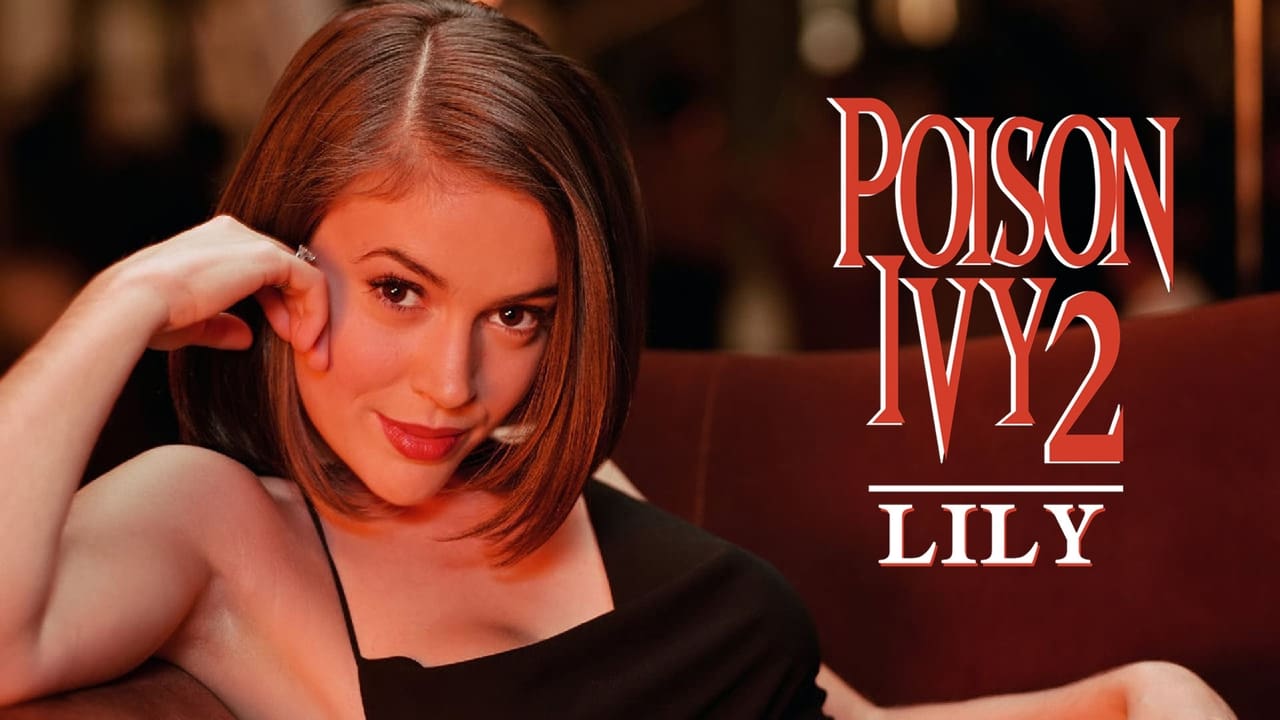
VHS Heaven Rating: 6/10
Justification: Poison Ivy 2: Lily doesn't quite reach the provocative heights of its predecessor, feeling more like a standard (though competently made) 90s erotic thriller. However, Alyssa Milano delivers a compelling central performance, carrying the film through its familiar plot points. Anne Goursaud's direction provides a suitably moody atmosphere, and the film effectively captures that specific mid-90s direct-to-video vibe. It lacks genuine surprises but offers a decent slice of nostalgic genre fare, exploring themes of identity and dangerous emulation through the lens of Ivy's lingering influence. It's a solid rental night pick from the era, even if the static on your tracking adjustment might have been more shocking than the plot twists.
Final Thought: Less a venomous bite, more a slow-acting perfume – Lily perfectly bottled the hazy allure and prêt-à-porter danger of the 90s straight-to-video psychological thriller.