Okay, settle in, maybe crack open a Tab or pour something a little stronger. Tonight, we’re revisiting a film that doesn’t offer easy escapism, but instead lodges itself somewhere deep in your conscience, asking a question that echoes long after the VCR clicks off: What price would you pay for a friend’s life? I’m talking about Joseph Ruben's 1998 drama, Return to Paradise.

This isn't your typical late-90s fare. Forget the quippy action heroes or the ironic detachment that often defined the decade's cinema. Return to Paradise lands with a heavy thud, presenting a stark moral quandary wrapped in the sun-drenched, deceptive allure of Southeast Asia. It forces us, the viewers lounging comfortably on our couches, to confront an agonizing hypothetical – one rooted in the careless abandon of youth suddenly colliding with irreversible consequences.
An Idyll Shattered
The film opens with a familiar scene for anyone who backpacked (or dreamt of backpacking) in that era: three young American men – Sheriff (Vince Vaughn), Tony (David Conrad), and Lewis (Joaquin Phoenix) – living it up in Malaysia. It's a haze of cheap beer, fleeting connections, and the intoxicating freedom of being far from home. Director Joseph Ruben, known more for slick thrillers like Sleeping with the Enemy (1991) and The Good Son (1993), captures this initial hedonism effectively, making the eventual tonal shift all the more jarring. They leave, perhaps foolishly discarding a shared quantity of hashish. Two of them, Sheriff and Tony, move on with their lives back in New York. Lewis, the sensitive environmentalist, stays behind.
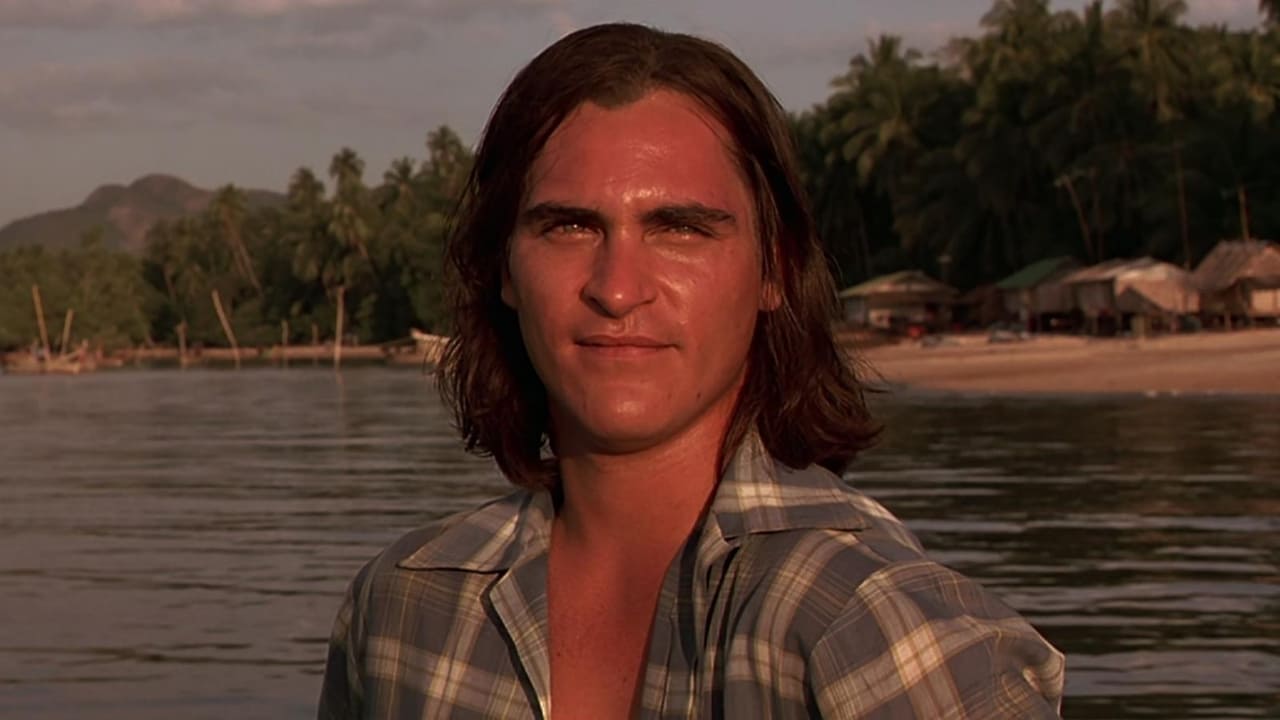
This initial setup feels authentic to a certain kind of youthful recklessness. We've all made impulsive choices, maybe skirted the edges of rules in unfamiliar places. But the film quickly pivots from travelogue vibes to something far darker. Two years pass. A lawyer, Beth Eastern (Anne Heche), arrives with devastating news: Lewis was arrested shortly after his friends left, the hashish was found, and under Malaysia's notoriously strict drug laws, he's been sentenced to death. There’s a sliver of hope, however. If Sheriff and Tony return to Malaysia and share responsibility, each serving three years in prison, Lewis's life will be spared. If only one returns, they serve six years. If neither returns... Lewis hangs in eight days.
The Weight of Decision
What follows is less an action-thriller and more a tense, character-driven exploration of guilt, responsibility, and the true meaning of friendship. The core of the film rests on the shoulders of Vince Vaughn and Anne Heche. Vaughn, then primarily known for his breakout comedic turn in Swingers (1996), delivers a surprisingly layered performance. His Sheriff isn't just a fast-talking charmer; he’s forced to confront the moral implications of his past actions. You see the internal war playing out – the desire to save his friend battling against the primal instinct for self-preservation. It’s a raw and often uncomfortable portrayal of a man wrestling with a choice that has no easy answer. Heche, as Beth, is the catalyst and the conscience. Her quiet determination and barely concealed desperation provide the film's emotional anchor. She isn't just fighting for a client; she's fighting for Lewis's very existence, embodying the terrible weight he carries. Her performance is fiercely committed and utterly believable.

Phoenix's Burden
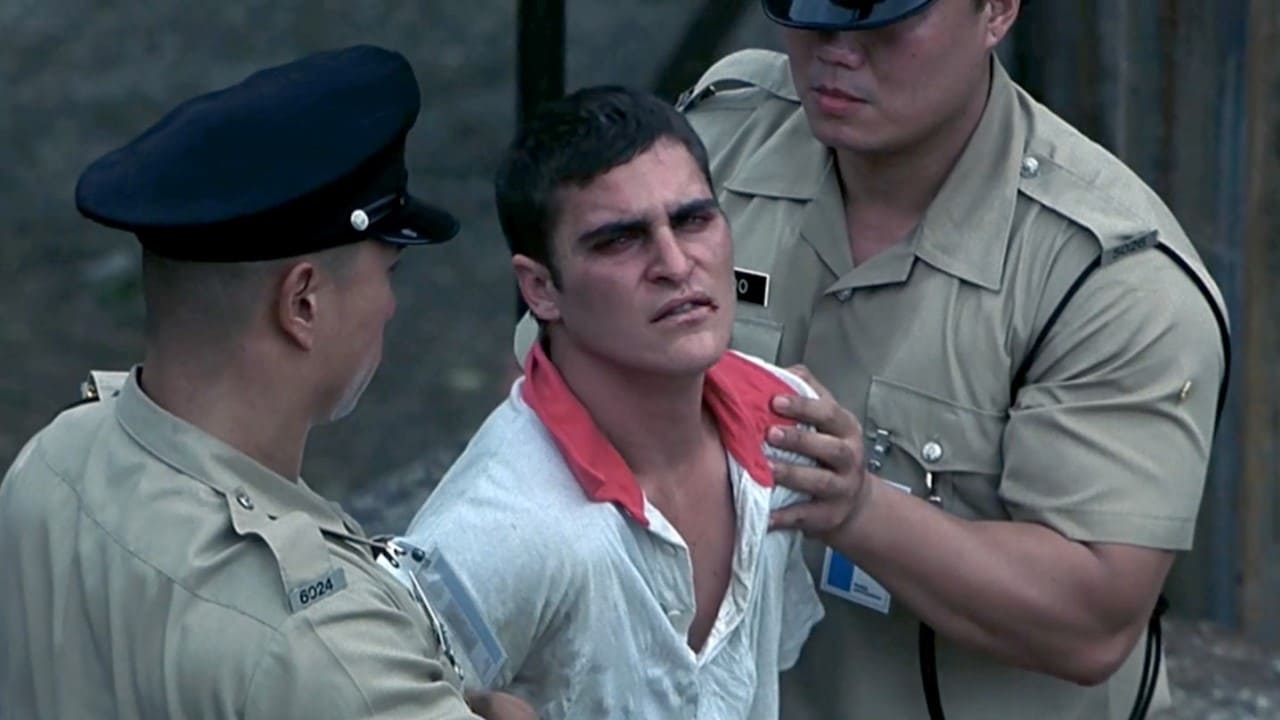
And then there's Joaquin Phoenix. Even in this relatively early role, his talent for conveying deep, internal turmoil is undeniable. Though his screen time is limited compared to Vaughn and Heche, Lewis’s presence looms large. We see him in flashbacks, full of life and idealism, and then glimpse him in the harsh reality of his imprisonment. Phoenix portrays Lewis not as a mere victim, but as someone grappling with fear, despair, and perhaps a flicker of hope entirely dependent on the actions of friends continents away. The transformation is heartbreaking, and his haunted eyes convey more than pages of dialogue ever could. It’s a performance that hints strongly at the powerhouse actor he would become.
Behind the Moral Maze
It’s worth noting that Return to Paradise is an American remake of the 1989 French film Force majeure, written by Bruce Robinson (who shares writing credit here with Wesley Strick). The premise itself is inherently powerful, tapping into universal anxieties about accountability and the arbitrary nature of fate or, in this case, draconian legal systems. Strick's adaptation retains that core ethical tension. While Ruben’s direction is solid, the film’s strength lies less in flashy technique and more in its willingness to let the moral dilemma breathe, forcing the characters (and the audience) to sit with the discomfort. There were reportedly different endings tested or considered, underscoring the difficulty of resolving such a fraught situation satisfactorily. The version most audiences saw pulls no punches.
The film’s atmosphere is thick with tension, contrasting the vibrant, chaotic energy of New York City with the implied grimness of the Malaysian prison. It doesn't shy away from the cultural clash or the terrifying power imbalance inherent in the situation. Trivia tidbit: while set in Malaysia, much of the "paradise" filming actually took place in Thailand, a common practice for logistical reasons, but it effectively captures that sense of an exotic locale where Western assumptions don't apply. I remember renting this one, expecting perhaps a more conventional thriller, and being struck by its somber tone and the questions it left swirling in my head long after the credits rolled. It wasn't a "fun" watch, but it was undeniably compelling.
Does it Still Hold Up?
Watching Return to Paradise today, it remains a potent piece of drama. The central question is timeless, and the performances feel remarkably grounded. It avoids easy sentimentality and refuses to provide neat resolutions. Some might find the pacing deliberate, especially compared to modern thrillers, but this allows the gravity of the characters' choices to truly sink in. It’s a film that respects its audience enough to let them wrestle with the ethical complexities alongside the characters. What lingers most is the chilling reminder of how quickly freedom can vanish and the immense weight of choices made, both carelessly and under duress.

Rating: 7.5/10
This score reflects the film's powerful central premise, stellar performances (particularly from Heche and Phoenix, and a commendable dramatic turn from Vaughn), and its success in creating a genuinely tense and thought-provoking ethical drama. It avoids Hollywood clichés for the most part, delivering a mature and unsettling narrative. It loses a couple of points perhaps for a slightly uneven pace in the middle section and some character logic that occasionally feels driven by plot necessity rather than pure organic development. However, its core strength lies in its unflinching look at a terrible choice.
Return to Paradise isn't a comfort watch, but it's a significant late-90s drama that deserves to be remembered. It’s a stark reminder, pulled from the shelf of VHS Heaven, that sometimes the most terrifying scenarios aren't about monsters or explosions, but about the impossible choices ordinary people are forced to make. What would you have done?