The chill doesn't always come from shadows or things that go bump in the night. Sometimes, it seeps in through the sleek veneer of modern life, twisting comfort into dread. Remember the late 80s? The era of sharp suits, burgeoning technology, and a certain glossy confidence? Fatal Attraction ripped through that facade in 1987, leaving audiences breathless and perhaps looking over their shoulders. It wasn’t just a movie; it felt like a cultural hand grenade tossed into conversations about marriage, fidelity, and the terrifying potential lurking behind a seemingly casual encounter.
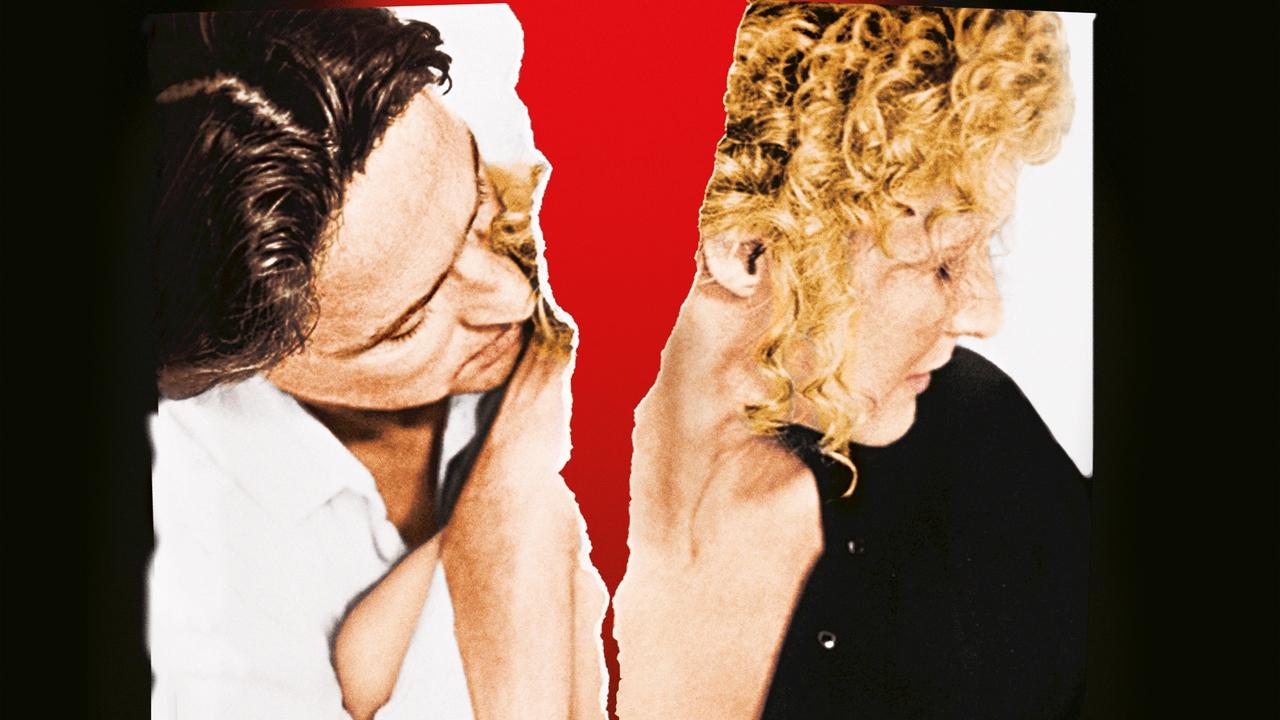
The Crack in the Perfect Picture
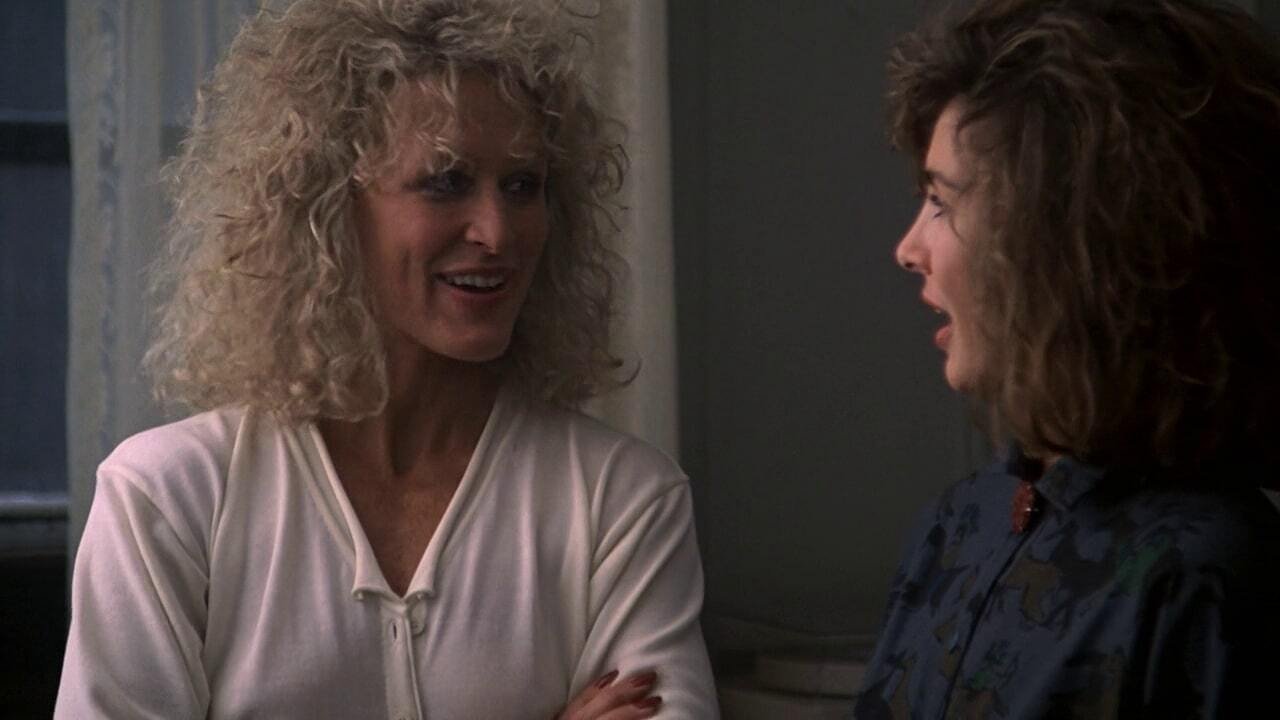
Directed with a slick, almost voyeuristic intensity by Adrian Lyne (who'd already explored obsessive dynamics in 9½ Weeks (1986)), Fatal Attraction presents a scenario terrifyingly plausible. Dan Gallagher (Michael Douglas, cementing his niche playing morally ambiguous men) is a successful Manhattan lawyer with a seemingly idyllic family life – loving wife Beth (Anne Archer) and a young daughter. While Beth is away, a chance meeting with Alex Forrest (Glenn Close), a captivating book editor, ignites a weekend affair. Dan sees it as a regrettable, disposable transgression. Alex... does not. What begins as attraction curdles swiftly into obsession, then into a relentless campaign of psychological terror that threatens to dismantle Dan's entire world.
A Performance For the Ages
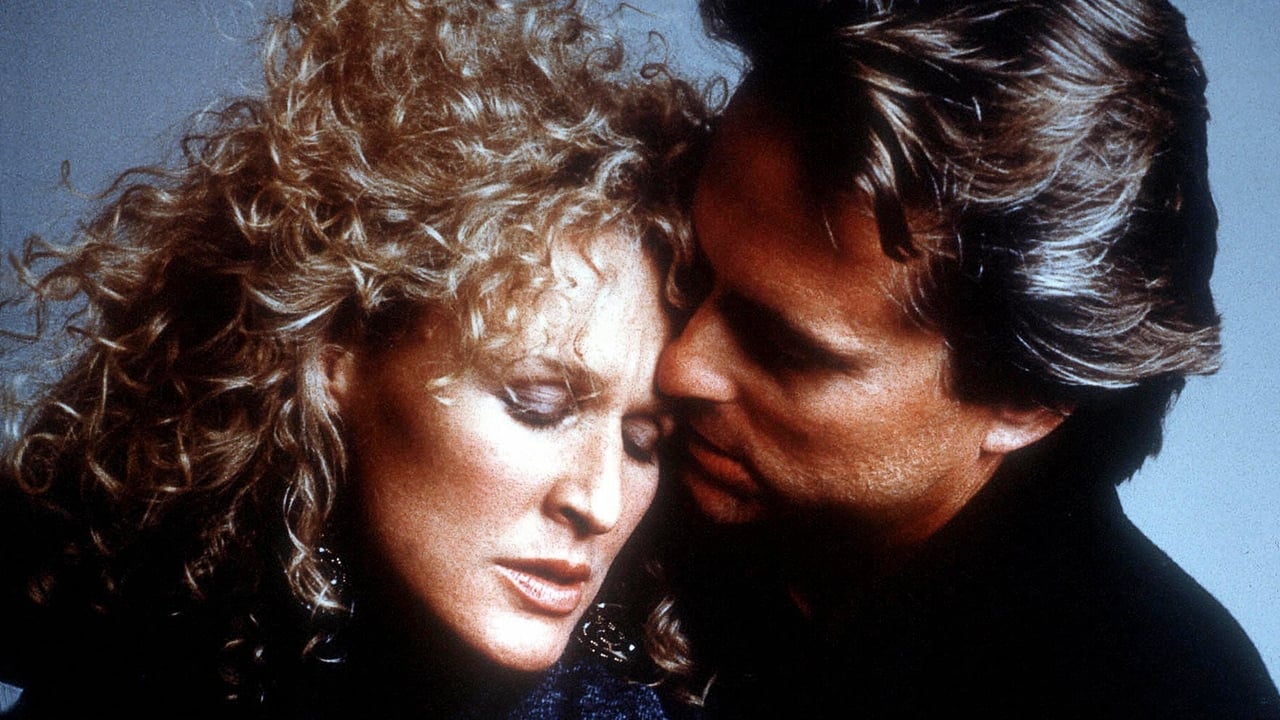
Let's be clear: Glenn Close's performance as Alex Forrest is legendary, and rightly so. It's a portrayal of chilling intensity, vulnerability warped into frightening possessiveness. Initially, Close reportedly felt the role might damage her career, but she dove in, crafting a character far more complex than a simple villain. There's a palpable desperation beneath the escalating mania, a fragility that makes her actions somehow even more unsettling. Close famously fought to understand Alex's motivations, consulting psychologists to ground the character's borderline personality traits. It’s a performance that burns itself into your memory, oscillating between pitiable and utterly terrifying, often in the same breath. Michael Douglas is equally effective as the panicked, increasingly cornered Dan, his initial arrogance dissolving into sheer desperation. And Anne Archer, often overlooked, provides the crucial anchor of stability and resilience as Beth, earning her own Oscar nomination alongside Close.
The Infamous Reshoot and Other Dark Legends
The making of Fatal Attraction itself holds a certain dark fascination. The film's original ending, scripted by James Dearden (based on his short film Diversion), was far more ambiguous and tragic, aligning with Alex's framing of Dan for her Madame Butterfly-inspired suicide. Test audiences, however, reacted poorly – they reportedly wanted blood, a more visceral punishment for Alex. This led to the studio demanding a reshoot, resulting in the famously violent confrontation we now know. Glenn Close initially protested vigorously against the change, feeling it betrayed the character's psychological core, turning her into a more generic "monster." She eventually agreed, but the debate over which ending is "better" or more dramatically sound persists among fans to this day. Can you imagine the film having the same cultural impact with that original, bleaker finale?
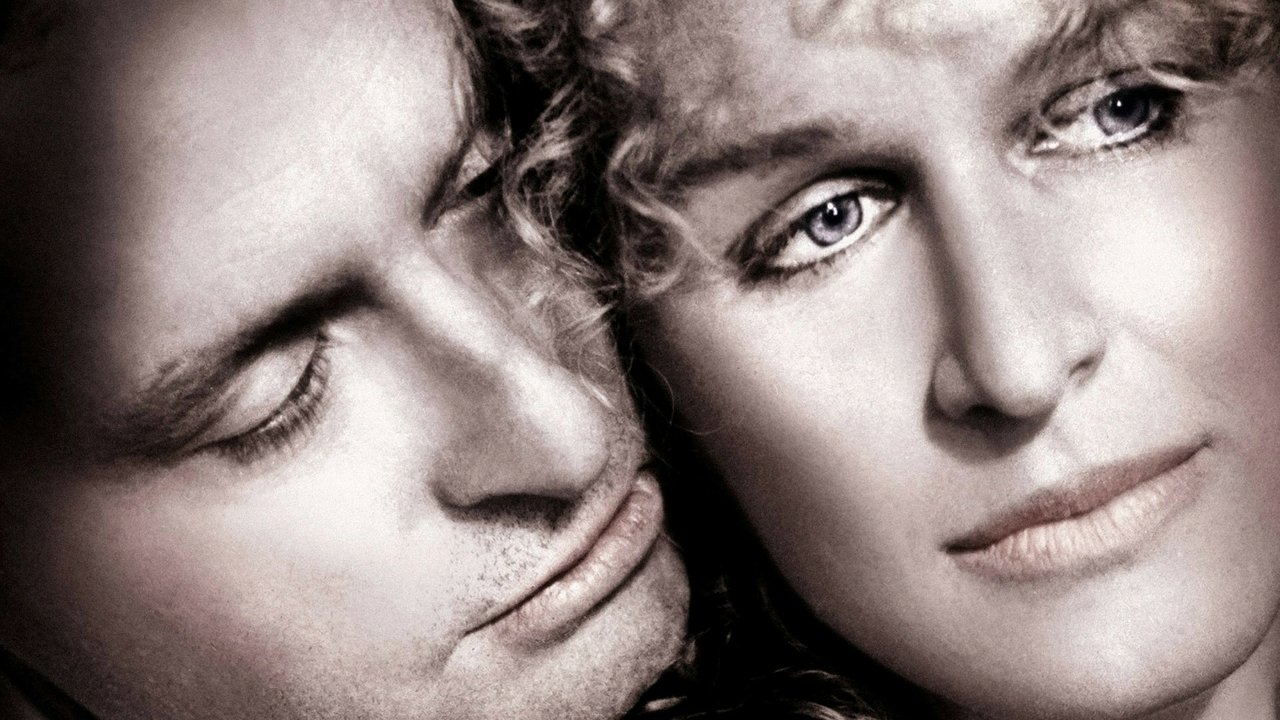
Other bits of unsettling trivia surround the production. The infamous rabbit scene? While no animals were harmed for the film, the rabbit itself was reportedly sourced from a butcher, adding a grim layer of realism to the prop. Filming the intense struggle in the bathroom required multiple takes over several days, leaving the actors physically and emotionally drained. It's this commitment to visceral reality, captured through Lyne's often uncomfortably close camerawork and the film's unnerving score by Maurice Jarre, that elevates Fatal Attraction beyond mere melodrama. The sleek, somewhat sterile production design of upscale 80s Manhattan further enhances the feeling that this polished world is terrifyingly fragile.
The Lingering Chill
Fatal Attraction wasn't just a box office smash (grossing over $320 million worldwide on a $14 million budget – that's like making over $1.4 billion today from a $62 million investment!), it became a societal touchstone. It coined the term "bunny boiler" for a dangerously obsessive woman, a phrase still understood decades later. It sparked countless debates about gender roles, consequences, and the dark side of desire. Does it feel dated now? Perhaps in its stark portrayal of career women and its somewhat simplistic view of mental illness. But the core tension – the violation of personal safety, the destruction of domestic tranquility by an outside force – remains potent. Watching it again on a worn VHS tape, that grainy picture somehow enhances the dread, the feeling of watching something illicit and dangerous unfold. It taps into primal fears about losing control, about the devastating consequences of a single mistake.
VHS Heaven Rating: 8/10
This score reflects the film's undeniable power and cultural impact, anchored by Glenn Close's iconic, terrifying performance and Adrian Lyne's masterful build-up of suspense. While the controversial ending and some dated perspectives slightly temper its perfection, Fatal Attraction remains a landmark psychological thriller. It delivered a shock to the system in '87, a cautionary tale wrapped in slick Hollywood packaging, and its central performances still feel electrifyingly real. It’s more than just a thriller; it’s a cultural artifact that captured a specific anxiety of its time, leaving a chill that lingers long after the static hits the screen.