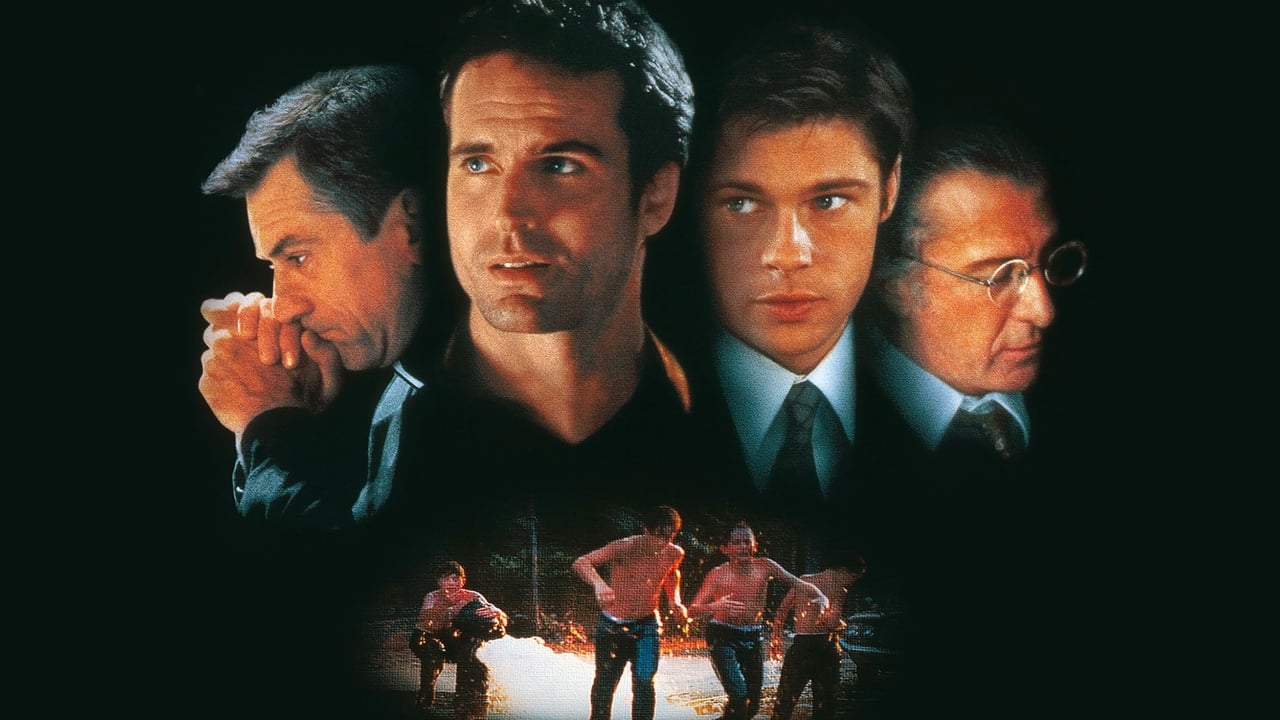
It's a story that settles in your gut long after the credits roll, a heavy weight composed of equal parts righteous anger and profound unease. Sleepers (1996) isn't a film you watch for simple entertainment; it digs deeper, probing the murky depths where loyalty, justice, and revenge collide. Based on Lorenzo Carcaterra's controversial book – claimed as fact, debated as fiction – the film forces us to confront uncomfortable truths about the scars left by trauma and the lengths friends will go to for one another. I recall seeing the imposing VHS box on the rental shelves, the star-studded cast promising something significant, something potentially shattering. It delivered.
Innocence Lost in Hell's Kitchen
Director Barry Levinson (Rain Man, Bugsy), working from his own screenplay adaptation, masterfully crafts the film's distinct halves. The first act paints a vibrant picture of Hell's Kitchen in the mid-1960s, a world seen through the eyes of four inseparable young friends: Lorenzo, Michael, John, and Tommy. There's an almost nostalgic warmth to these early scenes, capturing the rough-and-tumble camaraderie, the shared dreams, and the casual mentorship of Father Bobby (Robert De Niro), a neighborhood priest who sees their potential amidst the grit. Levinson evokes the era beautifully, a world away from the slickness often associated with the 90s. But this idyllic boyhood is shattered by a single, reckless prank involving a hot dog cart that goes tragically wrong, landing the boys in the imposing Wilkinson Home for Boys.
A Descent into Darkness
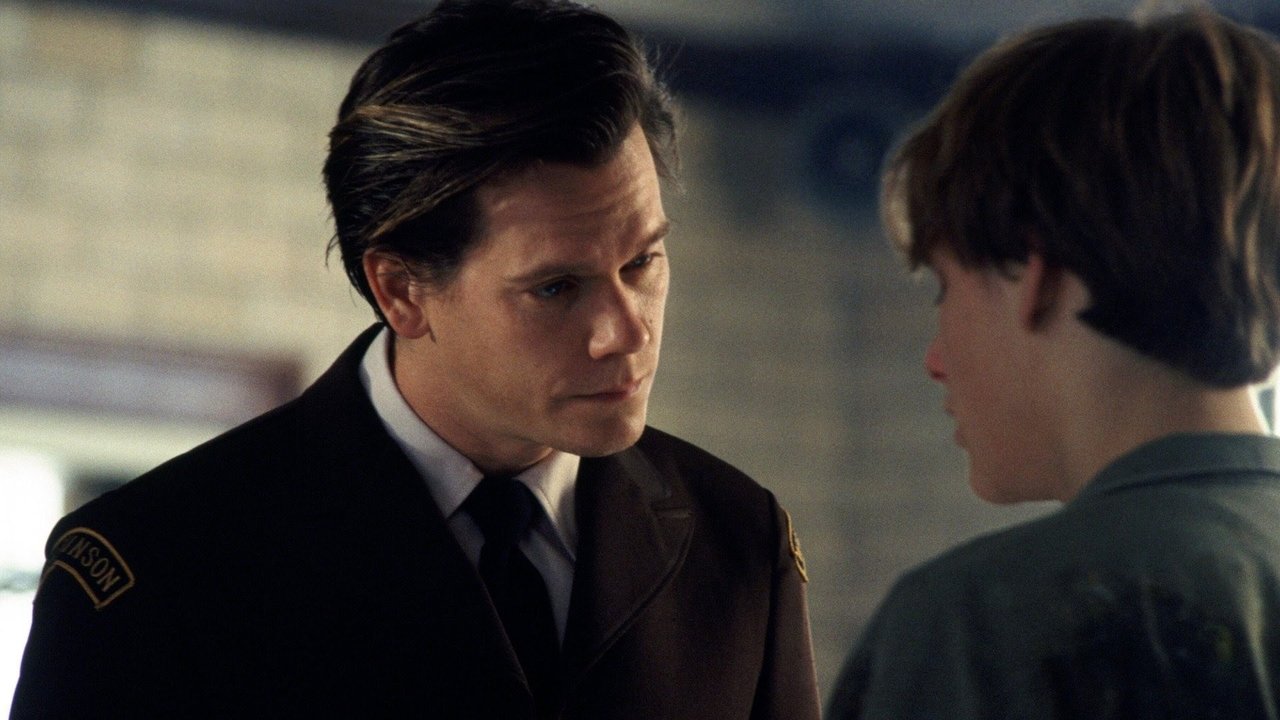
What follows is the film's harrowing core. The Wilkinson Center becomes a place of systematic abuse, lorded over by sadistic guards, chief among them Sean Nokes, played with truly terrifying emptiness by Kevin Bacon. Bacon, often known for more charismatic roles even when playing villains, strips away all charm here, embodying a chilling banality of evil. These sequences are difficult to watch, frankly. Levinson handles them with a degree of restraint, focusing more on the psychological impact than graphic detail, but the horror is palpable. It’s a stark reminder of the vulnerability of youth and the devastating consequences when systems meant to protect instead inflict profound harm. The debate around the factual accuracy of Carcaterra's book almost becomes secondary here; Levinson commits to the emotional truth of the boys' ordeal, the trauma that will irrevocably shape their adult lives. This unflinching portrayal is central to understanding everything that comes after.
Revenge, Justice, and the Grey Areas
Years later, the boys are men, forever bound by their shared trauma. When John ( Ron Eldard) and Tommy (Billy Crudup), now hardened criminals, encounter Nokes by chance in a Hell's Kitchen bar, their suppressed rage boils over in an act of brutal, public revenge. This sets the stage for the film's second act: a complex courtroom drama orchestrated by Michael (Brad Pitt), now an Assistant DA, and narrated by Lorenzo (Jason Patric), a journalist. Their intricate plan aims not just to exonerate John and Tommy, but to expose the horrors of Wilkinson and bring Nokes and the other abusive guards to justice, using the trial as their weapon.
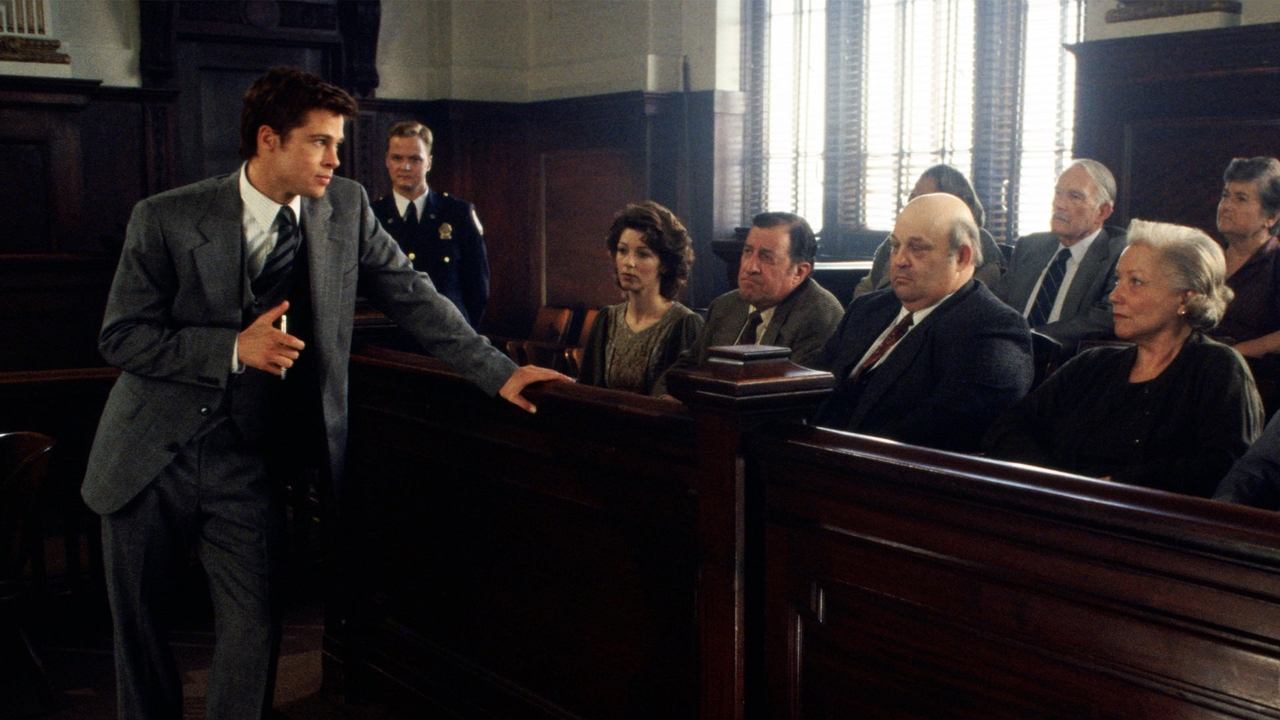

Here, the film delves deep into moral ambiguity. Is this justice, or a meticulously planned act of vengeance masquerading as legal process? Doesn't the manipulation of the system, even for a righteous cause, raise troubling questions? Brad Pitt, in one of his key dramatic roles of the era, effectively conveys Michael's cool determination, the strategist pulling the strings. Jason Patric provides the introspective voice, wrestling with the past and the morality of their present actions.
Pillars of Performance
Anchoring the elaborate scheme are two veteran actors giving stellar performances. Robert De Niro as Father Bobby is the film's moral compass, albeit a conflicted one. Torn between his vows, his deep affection for the boys he knew, and the knowledge of their suffering, De Niro delivers a performance of quiet power and immense gravitas. His testimony on the stand is a masterclass in understated emotion. Then there's Dustin Hoffman as Danny Snyder, the boys' washed-up, alcoholic defense lawyer. Hoffman, initially hesitant about the dark material, finds nuance and pathos in Snyder, a character who could easily have been mere comic relief. He’s shambolic, seemingly inept, yet rises to the occasion, reminding us that even broken people can find moments of purpose. Reportedly, Hoffman struggled with the character's perceived incompetence until Levinson reassured him that Snyder's strength lay in his hidden resilience and connection to the community.
Crafting the Weight
Levinson’s direction maintains a consistent tone of solemnity throughout the film's considerable runtime (nearly 2.5 hours). He uses Michael Ballhaus’s cinematography to contrast the sun-dappled memories of childhood with the shadowy confines of Wilkinson and the formal tension of the courtroom. Perhaps most significantly, the score by the legendary John Williams is markedly different from his usual soaring fanfares. Here, it’s mournful, reflective, adding layers of melancholy and dread that perfectly underscore the narrative's weight. It’s a score that stays with you, much like the film itself. While the film was a solid box office success, bringing in over $165 million worldwide against its $44 million budget, its legacy is less about commercial triumph and more about the difficult conversations it sparks.
Lingering Questions
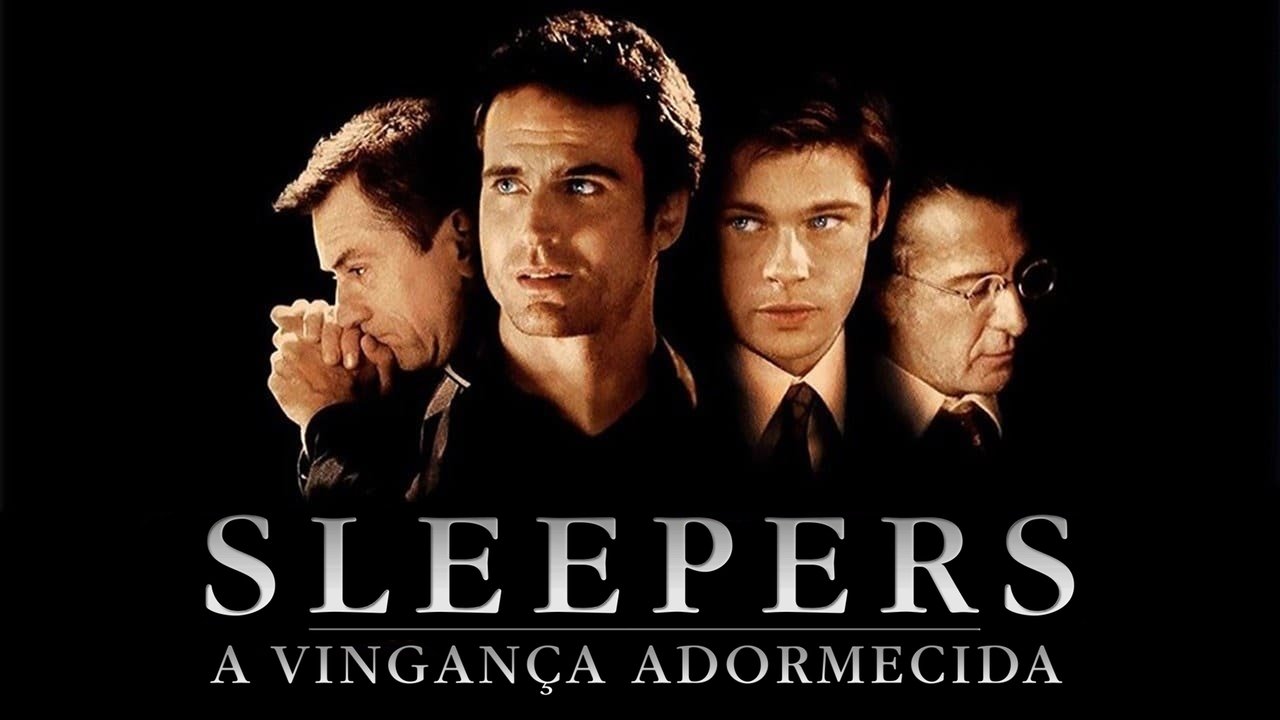
Sleepers isn't a perfect film. Its length can feel demanding, and the intricate plot occasionally strains credulity. Yet, its power lies in its unflinching gaze into darkness and its exploration of the enduring bonds of friendship forged in extreme adversity. It asks profound questions: Where does justice end and vengeance begin? Can the scars of the past ever truly heal? And what is the price of silence?
Rating: 8/10
This score reflects the film's exceptional performances, particularly from Bacon, De Niro, and Hoffman, Levinson's assured direction, and its willingness to tackle profoundly difficult subject matter with gravity and sensitivity. While its length and moral complexity might divide some viewers, its emotional impact is undeniable. Sleepers remains a potent, thought-provoking piece of 90s cinema, a story that reminds us that some ghosts refuse to stay buried, echoing long after the tape stops rolling. It’s a film that doesn’t offer easy answers, leaving you instead with the heavy silence of contemplation.