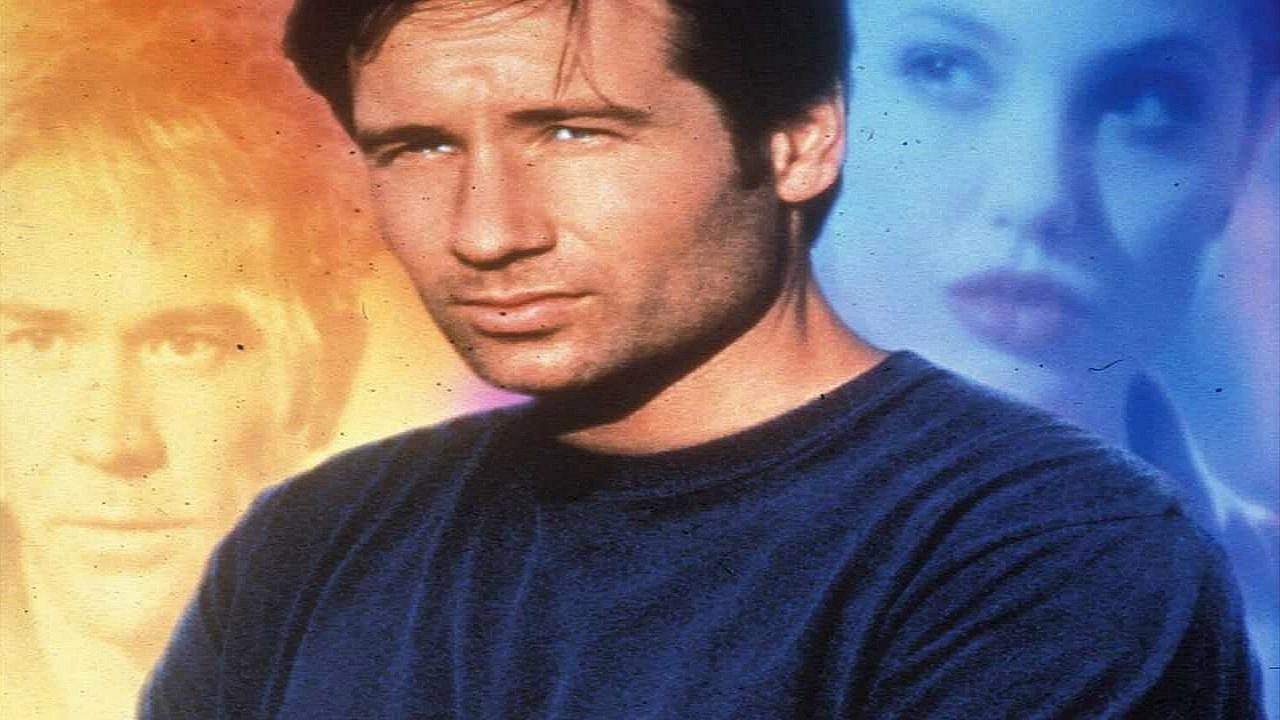
Okay, fellow tapeheads, dim the lights and adjust the tracking. Tonight, we're digging into a slick, slightly grimy slice of late-90s cool that might have slipped past you back in the day, nestled perhaps between the bigger blockbusters on the video store shelf: 1997’s Playing God. Remember that cover? David Duchovny, peak X-Files smolder, maybe looking a bit intense? You probably grabbed it hoping for Mulder-with-a-gun, but what you got was something… different. Something intriguing, stylish, and maybe a little flawed, but pulsing with that unmistakable mid-to-late 90s crime thriller energy.
Operating Outside the Lines
The premise alone feels like something cooked up in a smoke-filled writers' room aiming for edgy: Dr. Eugene Sands (David Duchovny) is a brilliant surgeon struck off the medical register after operating high on amphetamines, leading to a patient's death. Flash forward, he's slumming it, still battling addiction, when a chance encounter at a dodgy club sees him using his outlawed skills to save a gunshot victim. This act catches the eye of Raymond Blossom (Timothy Hutton), a charismatic, philosophical, and extremely dangerous counterfeiter/gangster. Blossom makes Sands an offer he can't really refuse: become his personal, off-the-books physician for his frequently perforated associates. Talk about your unconventional career change.
What unfolds is less a high-octane action flick and more a descent into a neon-lit Los Angeles underworld, seen through the eyes of a man trying to reclaim some semblance of his former self, or perhaps just survive. Duchovny, stepping away from the paranormal for a spell, brings a weary intelligence to Sands. It was a fascinating move right at the height of his X-Files fame (which was huge back then, wasn't it?), an attempt to stretch beyond the FBI badge and flashlight. You can feel him wrestling with Sands' addiction and moral compromises, even if the script sometimes leans a bit heavily on the 'tortured genius' trope.
A Dangerous Spark and Seasoned Cool
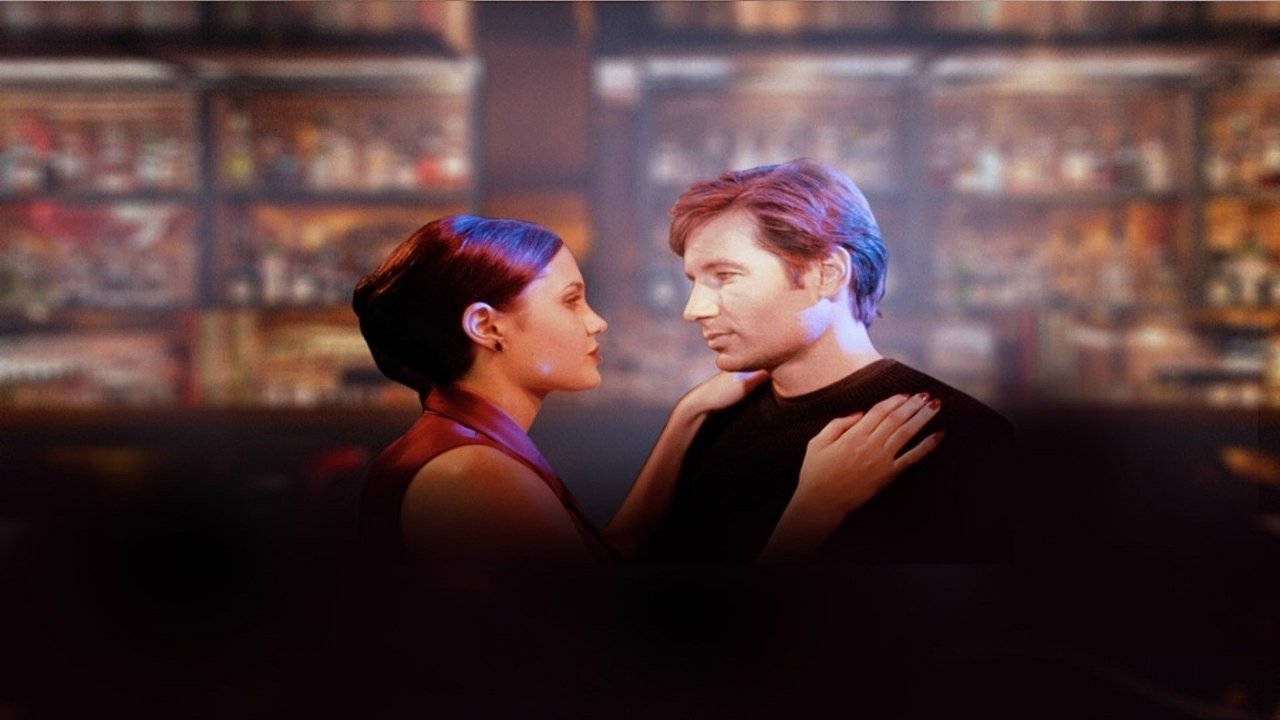
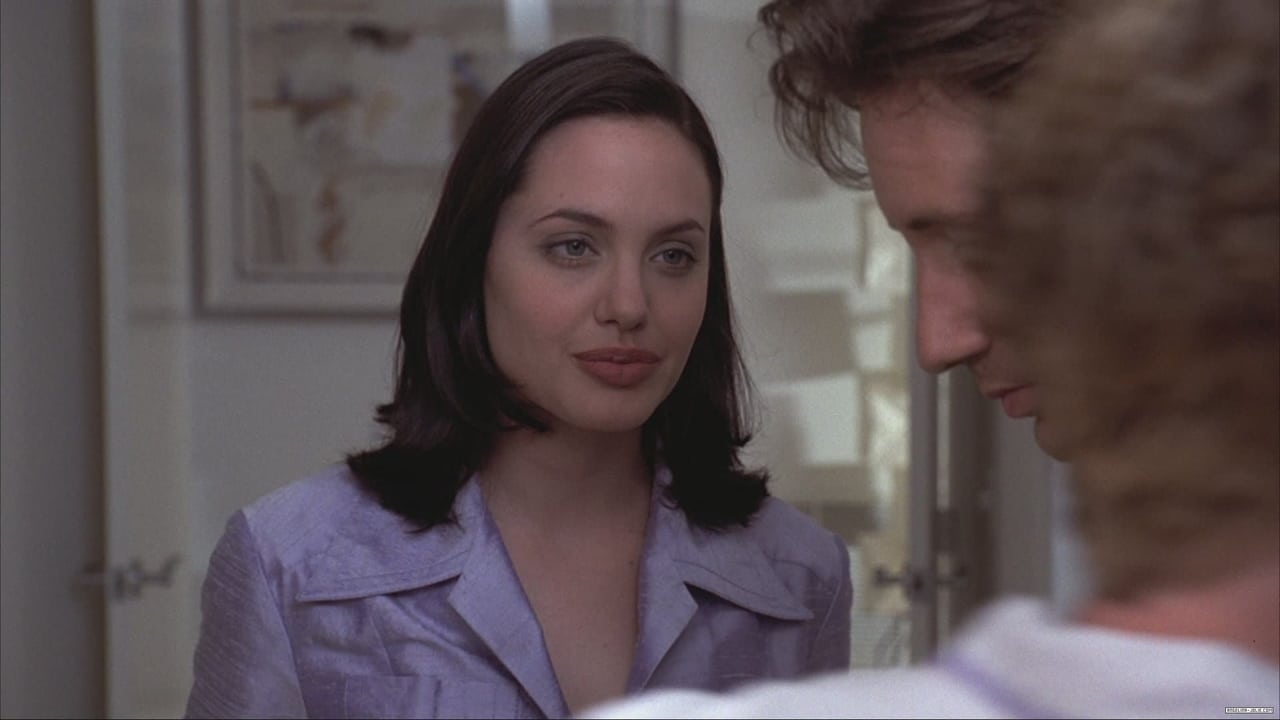
But let's talk about who really electrifies the screen here. Enter Angelina Jolie as Claire, Blossom’s tough, enigmatic girlfriend. This was Jolie just before the explosion – pre-Girl, Interrupted Oscar, pre-Lara Croft, pre-global superstardom. Yet, the star power is undeniable. She radiates that dangerous allure and wounded vulnerability that would become her trademark. Even in this relatively early role, she commands attention in every scene, a magnetic presence amidst the moral murk. Remember seeing her here and thinking, "Who is that?" Yeah, us too. It's fascinating to look back, knowing the trajectory her career would take. Fun fact: Jolie was apparently quite keen on the role and her chemistry with Duchovny sizzles, adding another layer to the tangled relationships.
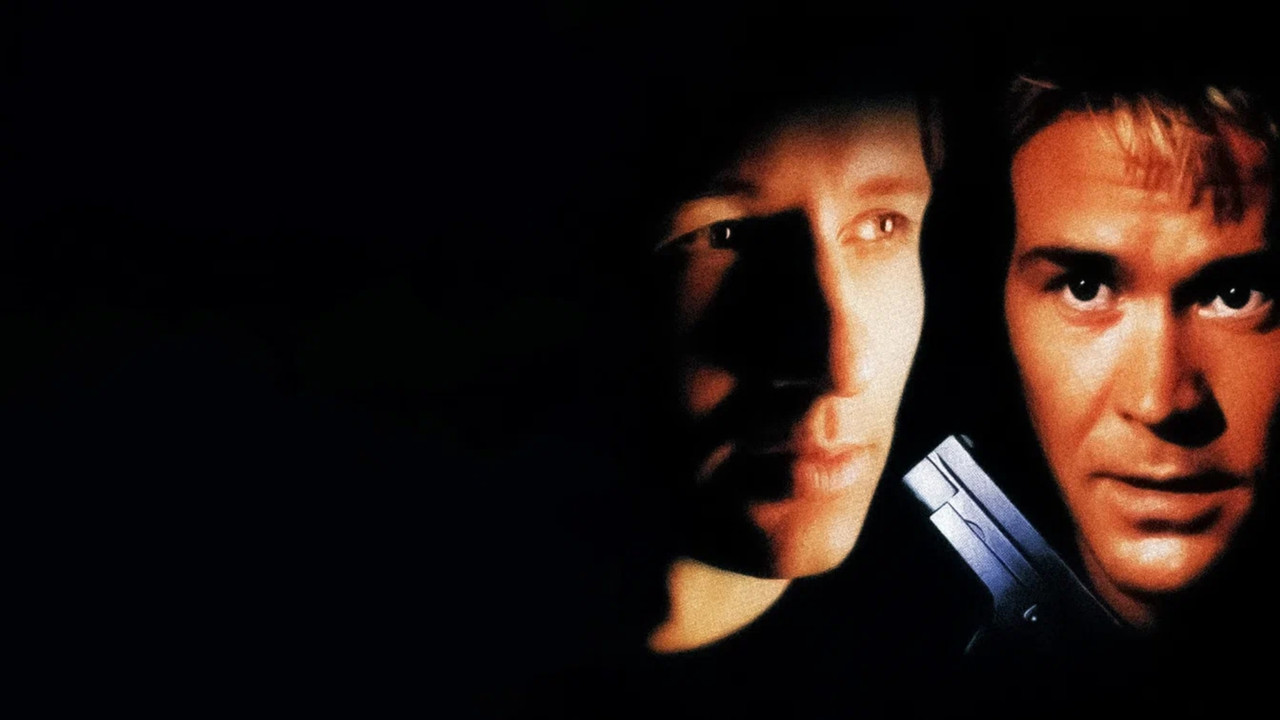
And you can't overlook Timothy Hutton as Blossom. Hutton, already an Oscar winner for Ordinary People (1980), brings a slippery, almost affable menace to the antagonist role. He’s not just a brute; he’s intelligent, articulate, and utterly ruthless. His scenes with Duchovny are a compelling clash of intellects operating on opposite sides of the law, sort of. It’s a strong triangle of performances anchoring the film.

90s Grit Over CGI Gloss
Directed by British television veteran Andy Wilson, Playing God has a distinct visual style. It captures that late-90s aesthetic – slick surfaces hiding decay, neon reflections on rain-slicked streets, a certain kind of stylish seediness. While not packed with huge set pieces, the violence, when it erupts, feels grounded and sudden. Think less Michael Bay, more contained bursts of brutality. Remember how those gunshot wounds felt visceral back then, before digital blood spray became the norm? The film leans into the tension of Sands' illicit surgeries – operating in makeshift conditions, under duress. These scenes carry a grim authenticity that holds up surprisingly well.
The film makes great use of its Los Angeles setting, including filming key scenes at the legendary Ambassador Hotel – a location steeped in Hollywood history (The Graduate, Pretty Woman, True Romance... the list goes on) before its eventual demolition. It adds a layer of faded glamour to the criminal proceedings. It’s these touches, the sense of place and atmosphere, that really plant Playing God firmly in its era. It feels like a 90s movie, in the best possible way.
Reception and Rewind
Despite the star power and intriguing premise, Playing God didn't exactly set the box office alight upon release back in '97. Critically, it was met with a shrug by many, perhaps unfairly dismissed as just another crime thriller. It pulled in just over $4 million against a $12 million budget – ouch. But like so many films we celebrate here at VHS Heaven, its life on home video gave it a second chance. It became one of those "Hey, have you seen this?" rentals, finding its audience among folks looking for something a bit darker, a bit moodier, starring familiar faces in unfamiliar territory.
It’s not perfect. The plot occasionally takes convenient turns, and some of the dialogue feels very much 'of its time'. But there's a confidence to its storytelling and a compelling central dynamic that keeps you hooked. It's a character study wrapped in thriller clothing, asking questions about redemption, addiction, and the choices we make when backed into a corner.
Rating: 6.5/10
Why this score? Playing God gets points for its strong central performances (especially early Jolie), its slick 90s noir atmosphere, and a genuinely interesting premise. Duchovny carries the lead well, and Hutton is a memorable villain. However, it loses a few points for a script that sometimes feels underdeveloped and an ending that doesn’t quite land with the impact it aims for. It never fully commits to being a gritty thriller or a deep character drama, existing somewhere in the stylish middle.
Final Take: A quintessential 'wait, I think I remember this one' late-night VHS discovery. Playing God is a fascinating snapshot of its stars at specific career moments and a solid example of the moody, character-driven crime thrillers the 90s did so well. It might not be a masterpiece, but pop it in the VCR (or your modern equivalent), and you'll find a surprisingly engaging trip back to a time when movie stars felt dangerous and thrillers had a bit more grit under their fingernails. Definitely worth dusting off the tape.