The cold whisper of "Resistance is futile" never truly leaves you, does it? It echoed differently in 1996. Sharper. More menacing. Watching Star Trek: First Contact, there was a palpable sense that the stakes had been lethally raised. The Borg, those relentless cybernetic nightmares from The Next Generation, weren't just a philosophical threat anymore; they were visceral horror, crawling under the skin of the Federation's flagship and, by extension, into our own late-night viewing anxieties. This wasn't just another episode writ large; this was Star Trek embracing the dark.
### Echoes of Locutus
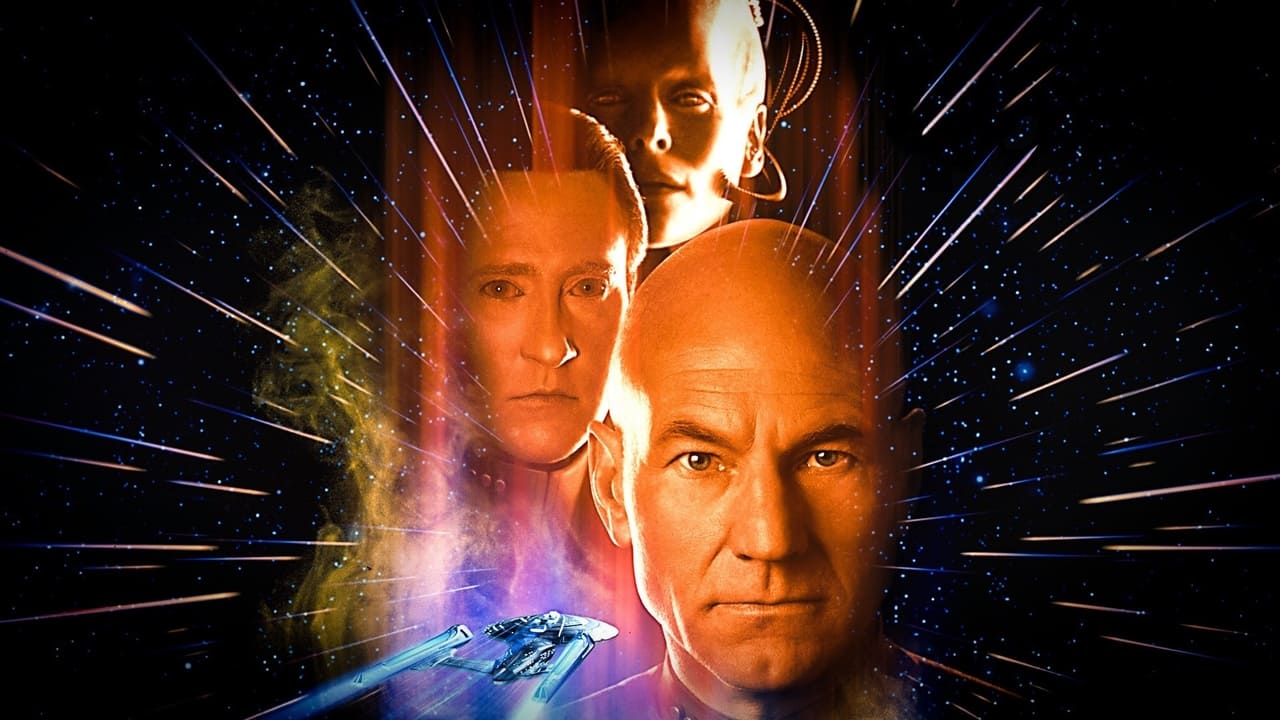
From its haunting opening sequence, plunging us directly into Captain Picard's lingering trauma from his assimilation, First Contact establishes a tone far removed from the often utopian sheen of the television series. Patrick Stewart, always commanding, delivers a portrayal simmering with unresolved fury and PTSD. His guttural cry of "No!" as he relives the violation isn't just acting; it feels like a scar torn open. This vulnerability, this barely contained rage driving his Ahab-like obsession with destroying the Borg, anchors the film in a surprisingly bleak emotional reality. It was a darker shade of Picard than many expected, reportedly something Stewart himself pushed for, wanting to explore the deeper psychological wounds left by his time as Locutus. Remember how chilling it was to see our unflappable Captain so close to the edge?
### Frakes Takes the Conn
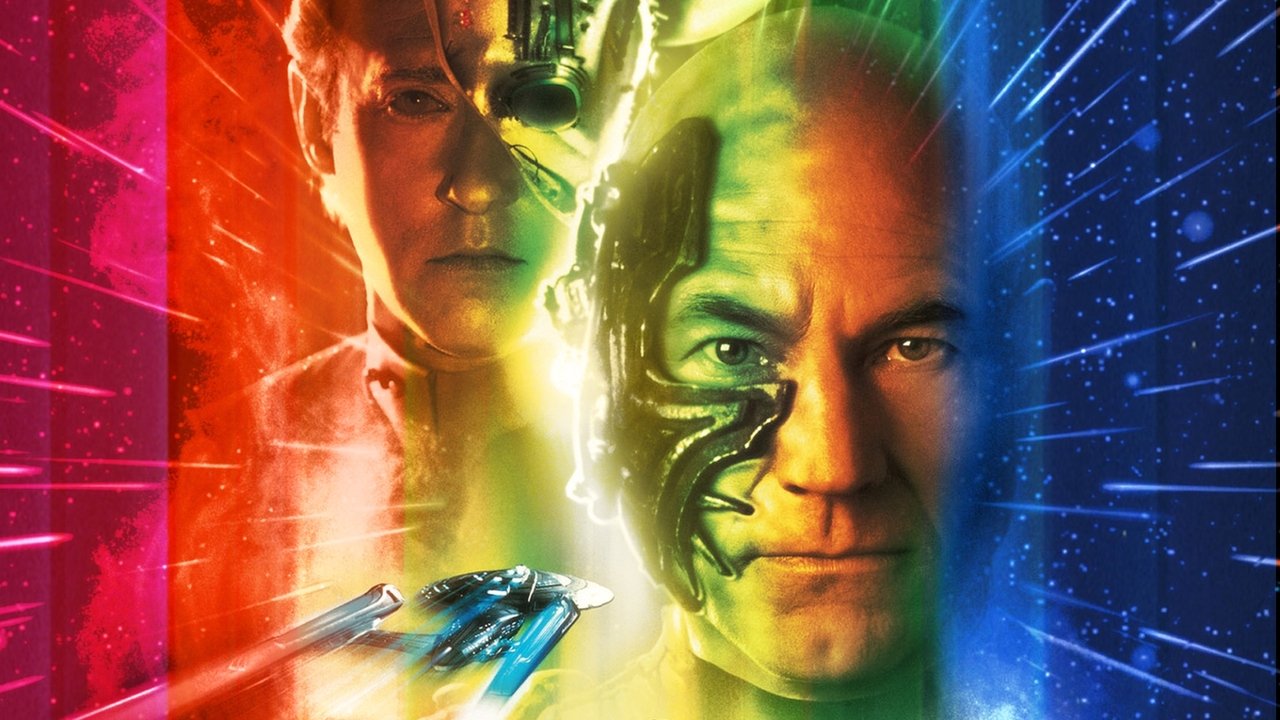
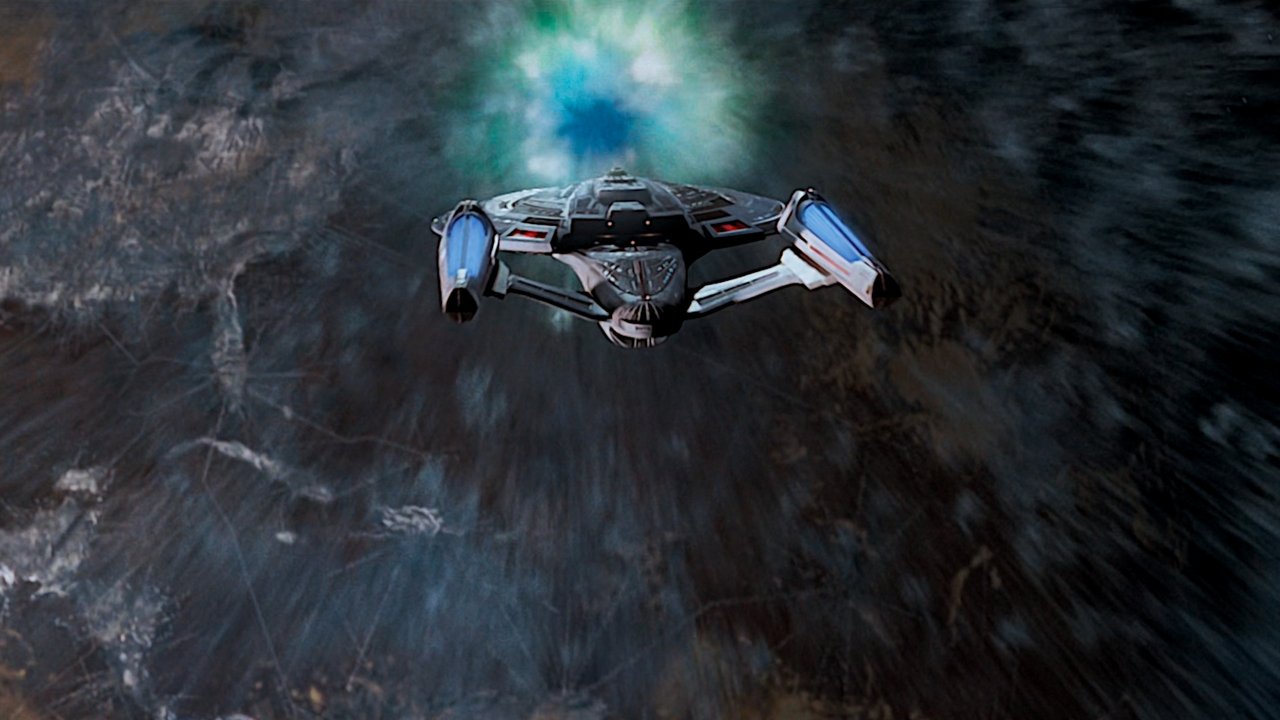
Handing the directorial reins to Commander Riker himself, Jonathan Frakes (already a seasoned TV director but helming only his second feature after the somewhat uneven Star Trek Generations (1994)), proved to be an inspired choice. Frakes demonstrates a keen understanding of both action pacing and character dynamics, managing the difficult task of directing his long-time castmates. He deftly balances the high-octane space battles and claustrophobic horror aboard the Enterprise-E with the fish-out-of-water historical drama unfolding on Earth. The transition from the sleek, almost sterile corridors of the new Sovereign-class starship (a gorgeous design by John Eaves, meant to look more warlike) to the mud-caked, makeshift reality of post-World War III Montana is jarring in the best way, emphasizing the stakes of the Borg's temporal meddling.
### Crawling Through the Past
The time-travel plot sends the crew back to 2063, the pivotal moment before humanity achieves warp flight and makes first contact with the Vulcans. Here, the film finds surprising warmth and humour, mainly through James Cromwell's Zefram Cochrane – not the revered historical figure, but a hard-drinking, rock-and-roll-loving cynic initially terrified by his own legacy. Filming these scenes often utilized locations like the Titan Missile Museum in Arizona, lending an authentic Cold War relic vibe to Cochrane's nascent warp project. It’s a classic Trek setup – protecting the timeline – but infused with the grimy desperation of a society rebuilding itself, a stark contrast to the technological dread unfolding simultaneously in orbit.
### Body Horror on the Bridge
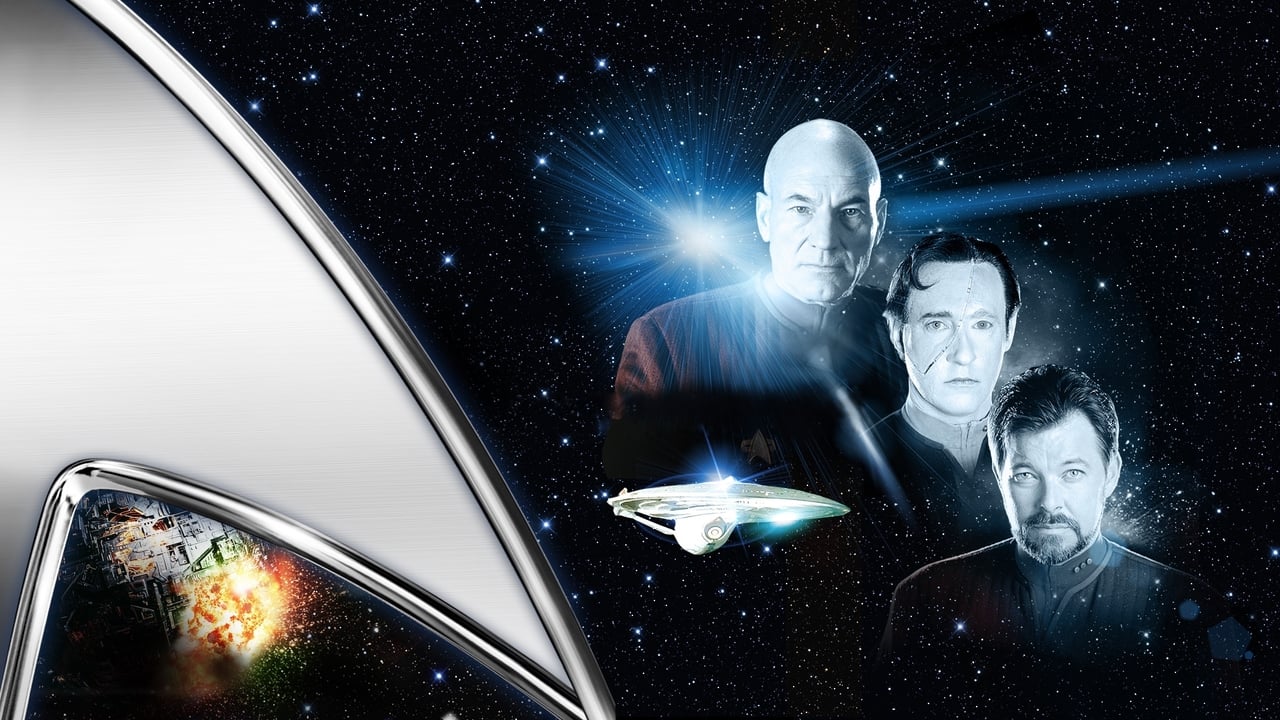
Up on the Enterprise, First Contact morphs into a full-blown sci-fi horror film. The Borg assimilation sequences are genuinely disturbing, relying on unnerving practical effects and makeup that still hold up remarkably well. The conversion of crew members, the pale skin stretched over cybernetics, the quiet clicking advance of the drones through darkened Jefferies tubes – it tapped into a primal fear of violation and loss of self. It's said the Borg actors endured hours in makeup, often finding the heavy, restrictive costumes incredibly challenging, adding a layer of real discomfort that arguably translates onto the screen. And then there's the introduction of the Borg Queen. Alice Krige delivers a performance that is simultaneously seductive and monstrous, a chilling personification of the Collective's Hive Mind. Her scenes with Data (Brent Spiner), exploring themes of temptation and humanity, add a layer of perverse intimacy to the horror. Krige was actually a late casting choice, stepping in after another actress didn't work out, but her ethereal menace became instantly iconic. Doesn't that pale, disembodied torso descending from the ceiling still feel uniquely unsettling?
### Resistance Is Not Futile
Amidst the darkness, the film delivers thrilling action. The magnetic boot spacewalk on the hull, Picard's Moby Dick-fueled rampage through the ship, the desperate phaser fights – Frakes keeps the energy high. The score, primarily by the legendary Jerry Goldsmith returning to Trek alongside contributions from his son Joel Goldsmith, perfectly captures the film's blend of militaristic urgency, awe, and creeping terror. It was a significant box office success too, costing around $45 million but beaming up a healthy $146 million worldwide, proving that this darker, more action-oriented take on TNG resonated with audiences. Writers Brannon Braga and Ronald D. Moore, known for pushing Trek into edgier territory on shows like Deep Space Nine and later Battlestar Galactica, crafted a script that respected the core ideals of Star Trek while embracing a more cinematic, intense approach. Early script drafts reportedly explored even wilder ideas, like Borg using medieval torture devices, before settling on the focused time-travel narrative.
***
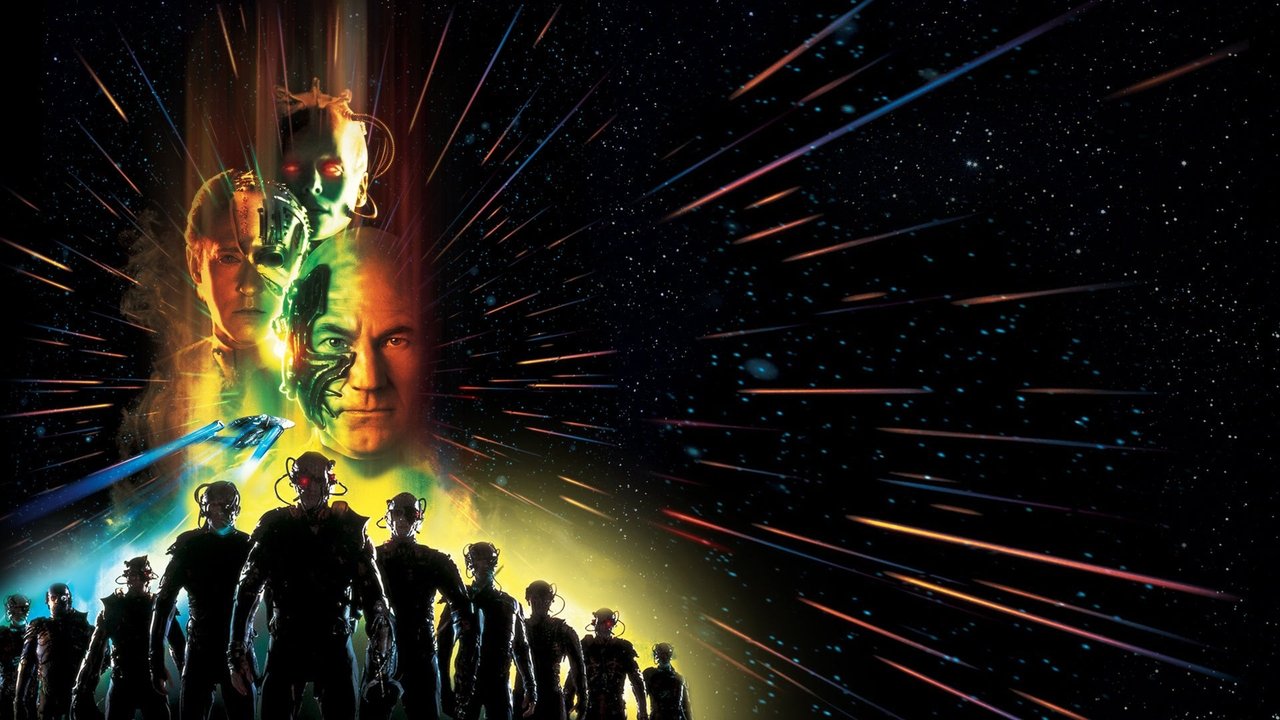
Star Trek: First Contact remains arguably the strongest of the Next Generation films, a near-perfect blend of thrilling sci-fi action, genuine horror, and compelling character drama. It took the established universe and characters into darker, more complex territory without losing the heart of Star Trek. The Borg were elevated from a recurring TV threat to true cinematic monsters, Picard's trauma provided a powerful emotional core, and the introduction of the Queen added a fascinating, disturbing new dimension to the Collective. The practical effects feel tactile and real in that distinctly 90s way, and the pacing rarely flags. It wasn't just a good Star Trek movie; it was a damn good sci-fi thriller, period. Watching it on VHS back in the day felt like witnessing the TNG crew finally unleashed, facing their greatest demons on the big screen with an intensity the series rarely achieved.
Rating: 9/10
Final Thought: Even now, First Contact stands as a high watermark for Trek on film, a thrilling reminder that exploring humanity sometimes means confronting the absolute darkest parts of the universe… and ourselves. Resistance might be futile, but this film certainly isn't.