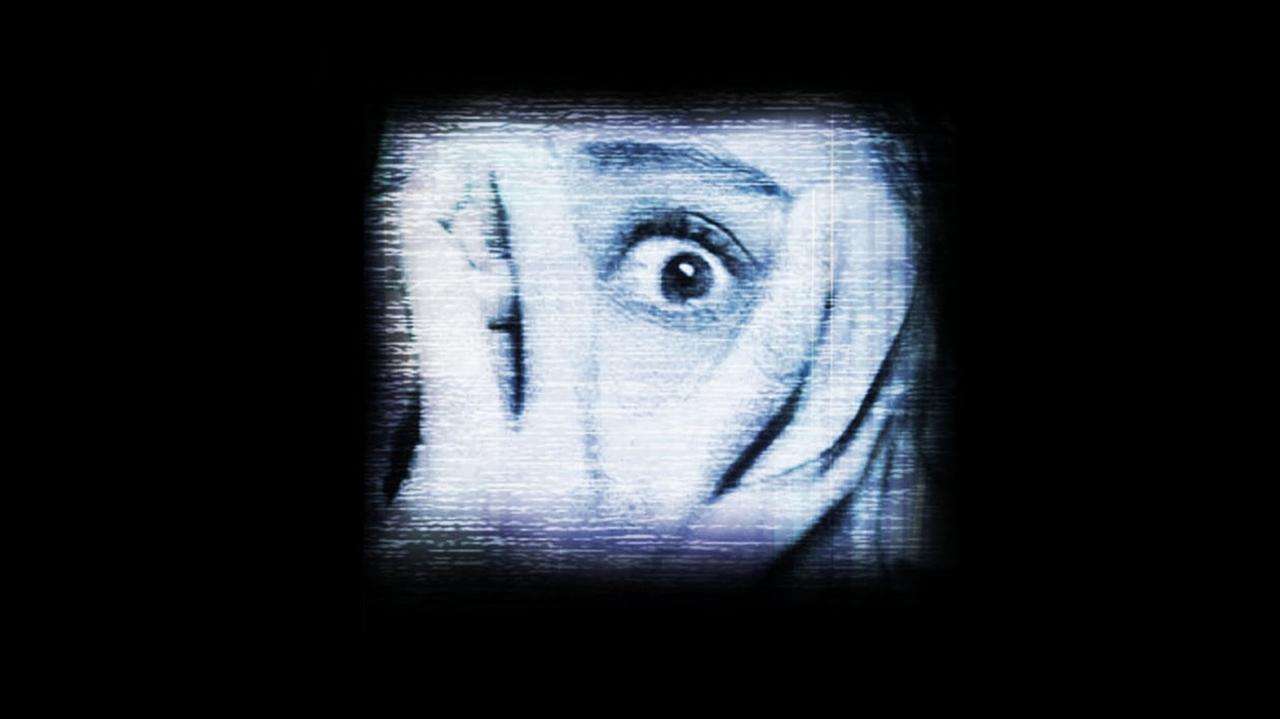
The flickering static of a forgotten videotape. The whirring gears of a VCR late at night. Some images, once seen, burrow under the skin and refuse to leave. Alejandro Amenábar’s stunning 1996 debut, Thesis (original Spanish title: Tesis), understands this viscerally. It doesn't just show you darkness; it invites you to lean in, to press play, to become complicit in the search for something horrific, mirroring the very voyeurism it critiques. Forget jump scares; this is the kind of dread that settles deep in your bones, the chilling realization that the abyss you’re staring into might just be staring back from the heart of mundane academia.
Into the Labyrinth
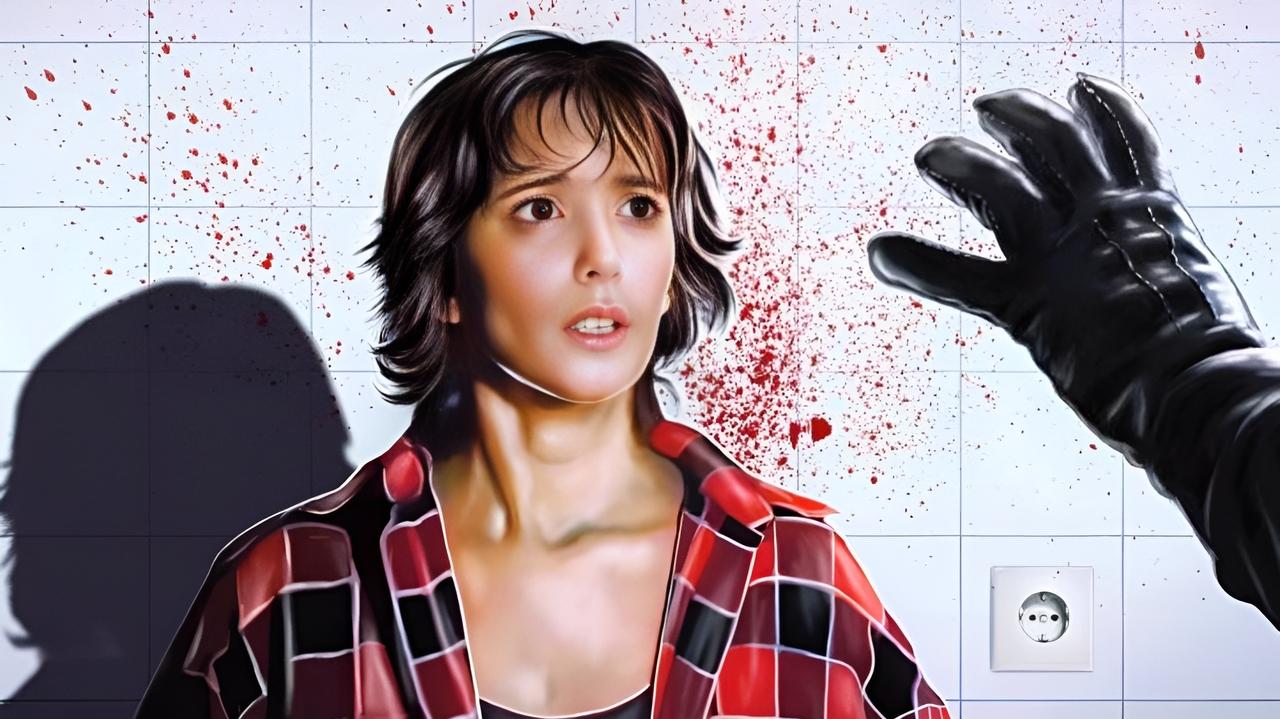
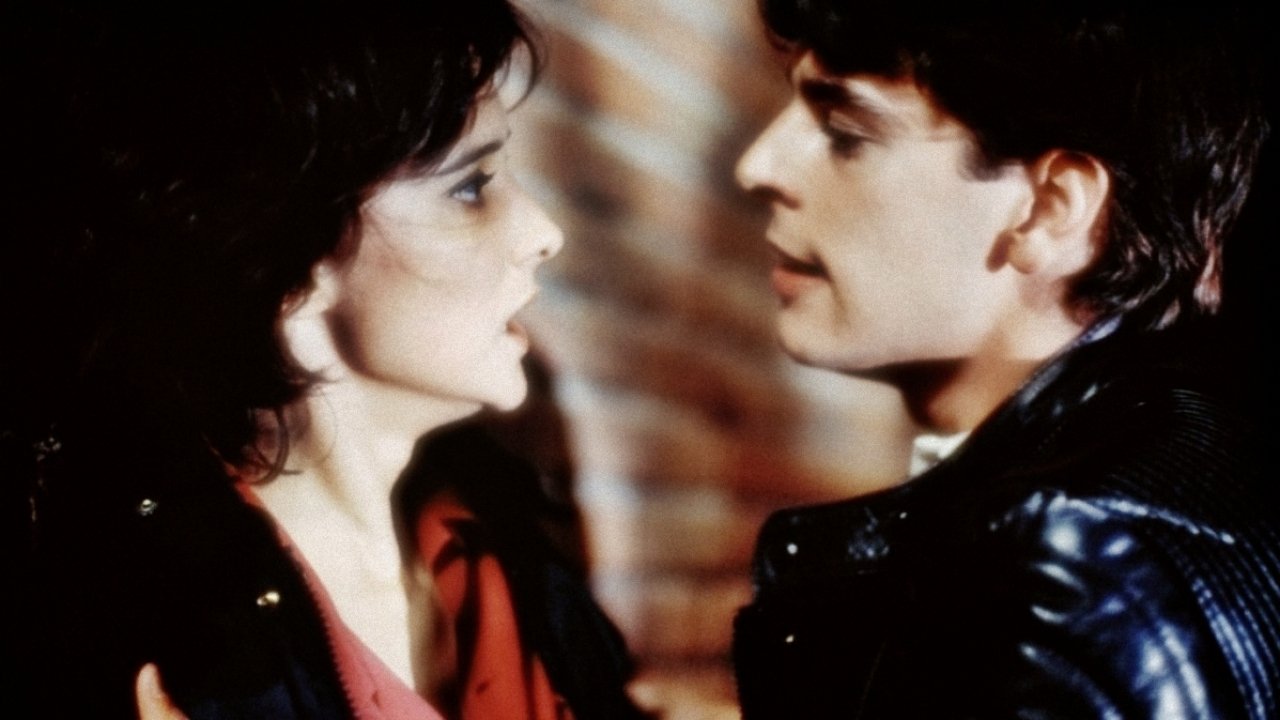
We follow Ángela (Ana Torrent), a film student in Madrid researching violence in media for her thesis. It’s a topic morbidly fascinating, academically detached… until it isn’t. When her professor suspiciously dies while viewing a tape, Ángela and the cynical, horror-obsessed student Chema (Fele Martínez) uncover its gruesome secret: it’s a snuff film, depicting the real torture and murder of a missing former student. Their investigation plunges them into the university's hidden corners, a maze of archive rooms, darkened corridors, and suspicious faces, most notably the unnervingly handsome and possibly dangerous Bosco (Eduardo Noriega). Remember the days before ubiquitous internet gore, when the idea of finding such forbidden material felt tangible, illicit, and terrifyingly possible? Thesis captures that pre-digital dread perfectly.
Ana Torrent, already iconic from haunting childhood roles in Spanish classics like The Spirit of the Beehive (1973) and Cría Cuervos (1976), brings a compelling blend of intellectual curiosity and creeping terror to Ángela. She’s not a typical horror heroine; she’s smart, driven, and her gradual descent into the heart of the mystery feels disturbingly real. Opposite her, Fele Martínez’s Chema provides a necessary, almost grounding cynicism – the kind of genre-savvy character many of us VHS hounds could relate to, even as he’s pulled far deeper than his B-movie knowledge ever prepared him for. And Eduardo Noriega, in a star-making turn, is magnetic as Bosco, radiating ambiguity and potential menace. Is he a fellow victim, a callous observer, or the architect of the horror? The film keeps you guessing, tightening the screws with each interaction.
A Debut Steeped in Shadow
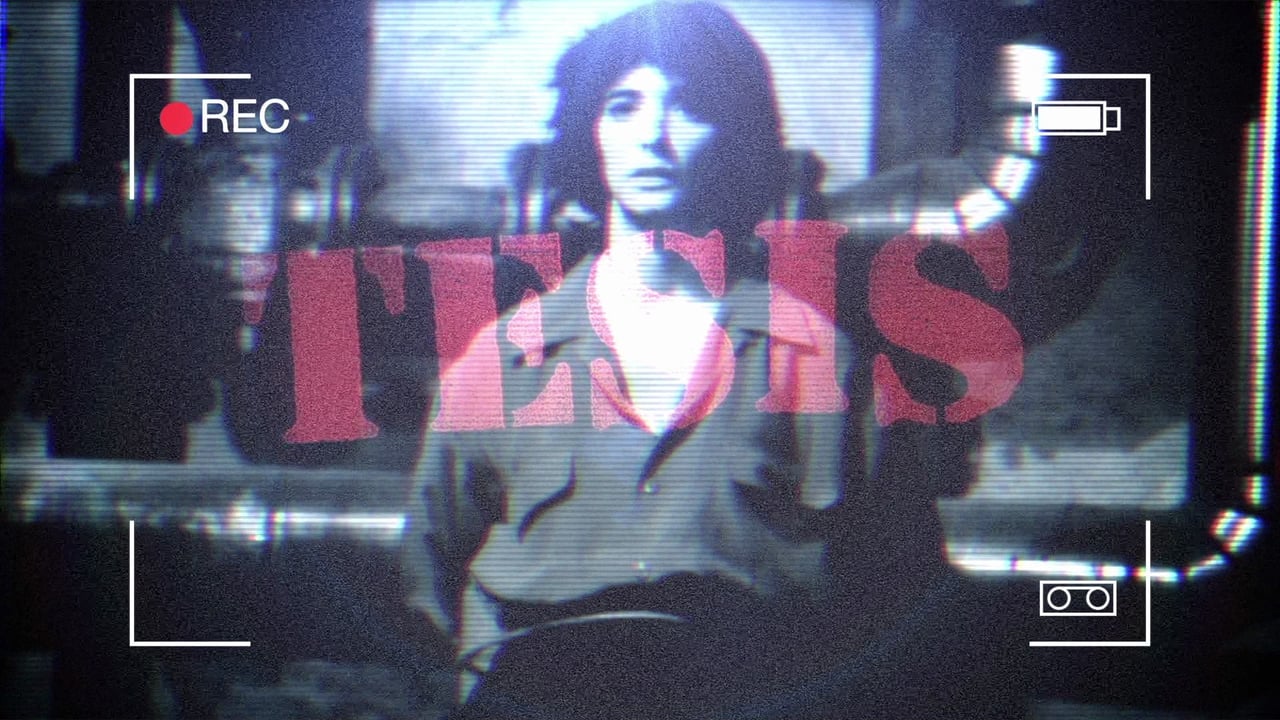
What remains astonishing is that Thesis was the feature directorial debut of Alejandro Amenábar, who was only 23 when he made it, working from a script he co-wrote with Mateo Gil while still a student himself. Shot primarily within the imposing architecture of Madrid's Universidad Complutense – the very place Amenábar studied – the film uses its real-world location to masterful effect. The lecture halls feel authentic, the libraries cavernous and isolating, the shadowy recesses hinting at secrets better left undisturbed. This wasn't some anonymous soundstage; it felt like a darkness lurking beneath the surface of everyday student life.
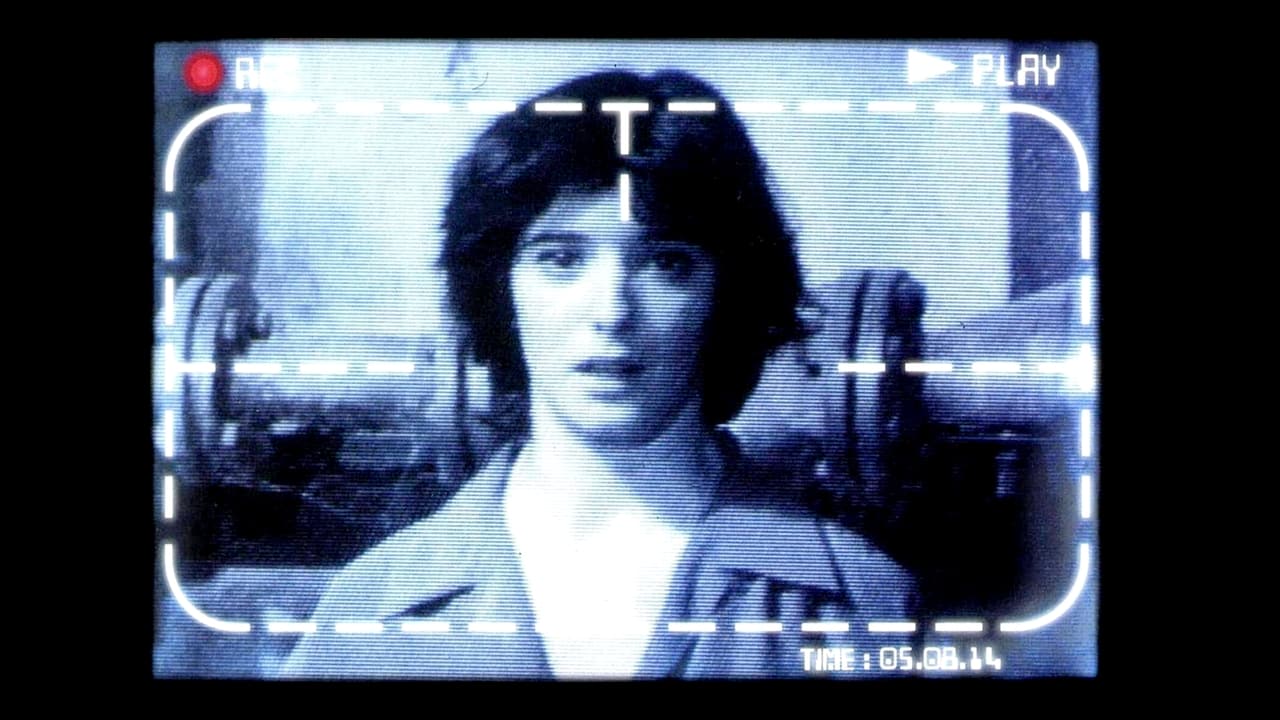
Working with a relatively small budget (around 60 million pesetas, roughly equivalent to $500,000 USD back then, perhaps $1 million today), Amenábar demonstrates a remarkable command of tension and atmosphere. He understands the power of suggestion, the horror inherent in a grainy image glimpsed on a flickering monitor, the fear amplified by what isn't explicitly shown. The score is sparse but effective, punctuating moments of suspense with unnerving strings or unsettling silence. This wasn't a film reliant on elaborate effects; its power came from its chilling concept, tight plotting, and the unnerving feeling that this could be real. The film famously caused a stir, tackling the urban legend of snuff films head-on, a topic rarely explored with such directness in mainstream cinema at the time.
Beyond the Grainy Image
Thesis isn't just a pulse-pounding thriller; it’s a sharp commentary on our fascination with violence and the ethics of watching. Ángela’s academic quest becomes a dangerous obsession, blurring the lines between research and participation. Chema’s love for cinematic gore is tested by the horrifying reality. The film forces us, the viewers, to confront our own curiosity. Why are we drawn to these dark images? What does it say about us? These questions felt potent in 1996, amidst anxieties about media violence, and they resonate just as strongly, if not more so, in today's hyper-connected world saturated with real and simulated brutality.
The film became a phenomenon in Spain, sweeping the Goya Awards with seven wins, including Best Film, Best Original Screenplay, and Best New Director for Amenábar. It launched his international career, paving the way for acclaimed films like Open Your Eyes (1997) – later remade by Hollywood as Vanilla Sky (2001) – and the Nicole Kidman chiller The Others (2001). It also catapulted Martínez and Noriega to stardom. For many outside Spain, discovering Thesis on a grainy VHS or a late-night TV broadcast was an introduction to a powerful new voice in genre filmmaking.
VHS Heaven Rating: 9/10
This score reflects Thesis's masterful execution as a low-budget, high-concept thriller. Its power lies in its intelligent script, Amenábar's incredibly assured direction for a debut, the strong performances, and the genuinely chilling atmosphere it conjures. It expertly builds suspense without resorting to cheap tricks, grounding its terrifying premise in a believable university setting and asking uncomfortable questions about voyeurism that linger long after the credits roll. While perhaps lacking the slickness of later Hollywood thrillers, its raw intensity and thematic depth make it a standout of 90s European genre cinema. It earns its dread honestly.
Thesis remains a potent reminder of a time when discovering forbidden footage felt like uncovering a dark secret, a tape passed hand-to-hand, its contents whispered about in hushed tones. It’s a film that understood the chilling power of the recorded image before the digital deluge, and its unsettling exploration of our darker curiosities still feels unnervingly relevant. Did this one keep you up at night back in the day? It certainly left its mark here.