There's a chill that certain films leave behind, a residue of unease that lingers long after the VCR whirs to a stop and the screen fades to static blue. Neil Jordan's In Dreams (1999) is precisely that kind of film – a fractured fairy tale spun from nightmares, leaving you adrift in its murky, unsettling waters. Forget tidy conclusions or comforting scares; this is a descent into a psychological abyss, mirrored by the haunting landscape it inhabits.
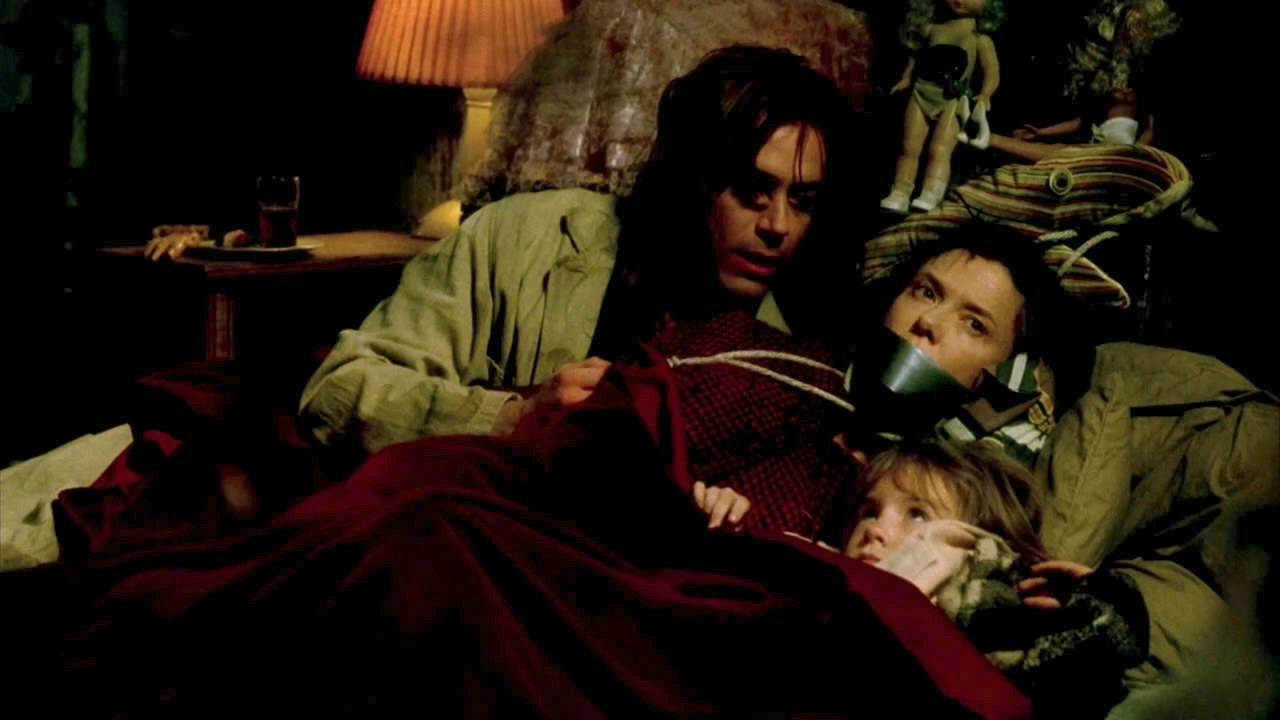
Remember those planned communities submerged beneath reservoirs, sacrificed for progress? Jordan, working from Bruce Robinson's initial adaptation of Bari Wood's novel "Doll's Eyes" before significantly rewriting it himself, uses this very real, unsettling image as the film's dark heart. Much of In Dreams was filmed around the Quabbin Reservoir in Massachusetts, a place born from the deliberate drowning of four actual towns. That palpable sense of loss, of secrets buried beneath the water, permeates every frame. It’s not just a setting; it’s a metaphor for the repressed horrors surfacing in the mind of Claire Cooper.
A Torrent of Visions
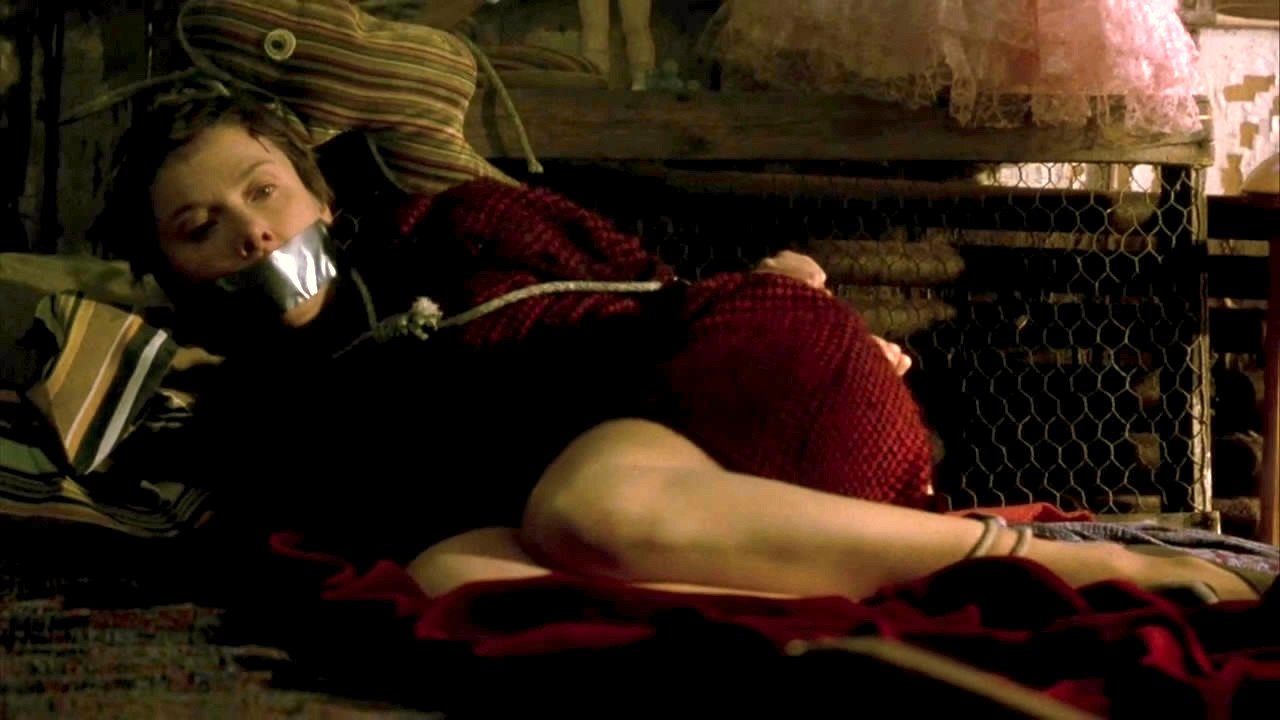
Annette Bening delivers a performance of shattering intensity as Claire, a children's book illustrator whose idyllic New England life unravels when she begins experiencing disturbingly prophetic dreams. These aren't vague premonitions; they are visceral, terrifying glimpses through the eyes of a serial killer targeting children, including, devastatingly, her own daughter. Bening throws herself into the role with a raw, nerve-shredding commitment that anchors the film's sometimes hallucinatory narrative. Her journey from concerned mother to a woman institutionalized, her sanity questioned by everyone including her husband (a solid Aidan Quinn), is harrowing to watch. There's no vanity here, just the depiction of a psyche under relentless assault. It’s a performance that reportedly took a significant emotional toll on Bening, and watching it, you understand why.
The film doesn't shy away from the grim implications of Claire's connection to the killer, Vivian Thompson. As her visions intensify, the line between her reality and his blurs. Jordan, ever the master of dark fantasy as seen in The Company of Wolves (1984) or Interview with the Vampire (1994), uses visual motifs – particularly recurring images of apples and unsettling fairy tale iconography – to weave a dream logic that feels both beautiful and deeply menacing. The cinematography by the legendary Darius Khondji (known for Se7en (1995)) paints this world in bruised blues and sickly greens, enhancing the feeling of inescapable dread.
The Specter in the Orchard
And then there's Vivian. Robert Downey Jr., appearing during a notably turbulent time in his own life, crafts a truly chilling antagonist. His Vivian isn't a scenery-chewing monster but something far more disturbing: a damaged soul twisted into pure malice, operating with a childlike logic that makes his actions even more terrifying. His screen time is relatively limited, but his presence hangs heavy over the film. There's an unpredictability, a wounded danger in his eyes that feels unnervingly authentic. His confrontation scenes with Bening crackle with a volatile energy, two broken people locked in a psychic death spiral. It's a performance that perhaps gained an unintended layer of disquiet due to the actor's off-screen struggles at the time, making Vivian feel less like a caricature and more like a plausible, albeit horrifying, human aberration.
In Dreams isn’t content to be a straightforward thriller. Jordan injects elements of gothic horror, psychological drama, and even splashes of surrealism. The score by Elliot Goldenthal is crucial here, often dissonant and operatic, amplifying the emotional turmoil rather than just signalling jump scares. This isn't a film designed for easy consumption. It demands patience and a willingness to be submerged in its often oppressive atmosphere. I distinctly remember renting this on VHS, probably drawn in by the names involved, and feeling profoundly disturbed afterward – not by cheap shocks, but by the pervasive sense of grief and encroaching madness. Doesn't that specific kind of late-90s psychological dread feel almost unique now?
Echoes in the Deep
However, the film isn't without its flaws. The narrative occasionally takes leaps that can feel abrupt, and some of the plot mechanics surrounding the psychic connection might stretch credulity for some viewers. The third act, while containing some unforgettable imagery (that underwater ballroom sequence!), arguably doesn't quite sustain the unbearable tension built earlier. Critically divisive upon release and struggling to find an audience (grossing only $12 million domestically against a reported $30 million budget), In Dreams was perhaps too bleak, too ambiguous, too stylistically bold for mainstream tastes in 1999. It wasn't the slick, audience-pleasing thriller some might have expected.
Yet, its refusal to compromise is also its strength. This is Neil Jordan leaning into his darkest artistic impulses, creating a visually stunning and emotionally draining experience. It’s a film that explores trauma, grief, and the terrifying fragility of the mind with unflinching honesty. The drowned town isn't just background; it's Claire's psychic landscape made manifest.
Rating: 7/10
This score reflects a film that is atmospherically brilliant, visually stunning, and anchored by a powerhouse performance from Annette Bening and a chilling turn by Robert Downey Jr. Its ambition and unwavering commitment to its dark tone are commendable. However, narrative unevenness and occasional pacing issues slightly hold it back from achieving undisputed classic status. It earns its points through sheer artistry and unforgettable dread, even if the story sometimes falters.
For fans of dark, psychological thrillers from the 90s that prioritize mood over mechanics, In Dreams remains a potent and haunting watch. It’s a film that, much like Claire's visions, might just seep into your subconscious and refuse to leave. A true slice of late-VHS era gothic dread.