The black plastic bag, slick with perpetual rain, bumps obscenely against a railing. Inside? Don't ask. Or rather, do ask, because that question fuels the relentless dread motor of Tell Me Something (1999), a film that crawled under the skin of late-90s Korean cinema and stayed there, leaving a damp, chilling stain. It wasn't just a movie; it felt like an artifact unearthed from a particularly grim crime scene, arriving on grainy import VHS tapes or VCDs for those of us hunting darker thrills beyond Hollywood's borders.
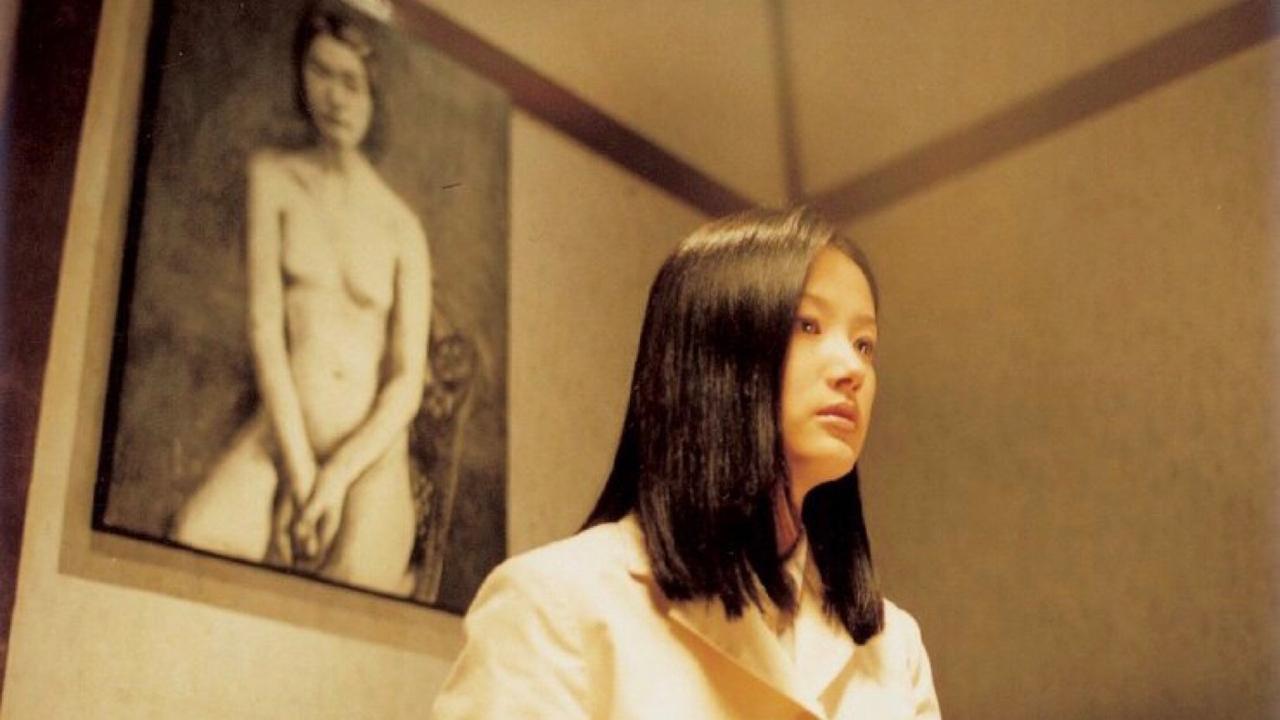
This isn't your standard procedural. From the opening moments, director Chang Yoon-hyun (making a hard pivot from his 1997 hit romance The Contact) plunges us into a Seoul drowning not just in rain, but in a palpable sense of decay and menace. The discovery of meticulously dismembered – and mixed – body parts kicks things off, presenting a puzzle that’s less whodunit and more ‘what depths of human darkness are we dredging up now?’ It’s a film that grabs you by the throat with its atmosphere before the plot even fully takes hold.
Into the Abyss
Leading the grim investigation is Detective Jo, played by the colossal Korean star of the moment, Han Suk-kyu. Fresh off the phenomenal success of the action blockbuster Shiri (released earlier the same year), Han brings a weary intensity to Jo. He’s not a slick action hero here; he’s a man visibly burdened by the horrors he witnesses, navigating a city that feels like it’s actively trying to swallow him whole. His investigation inevitably leads him to Chae Su-yeon (Shim Eun-ha), a woman linked, through past relationships, to each of the victims.
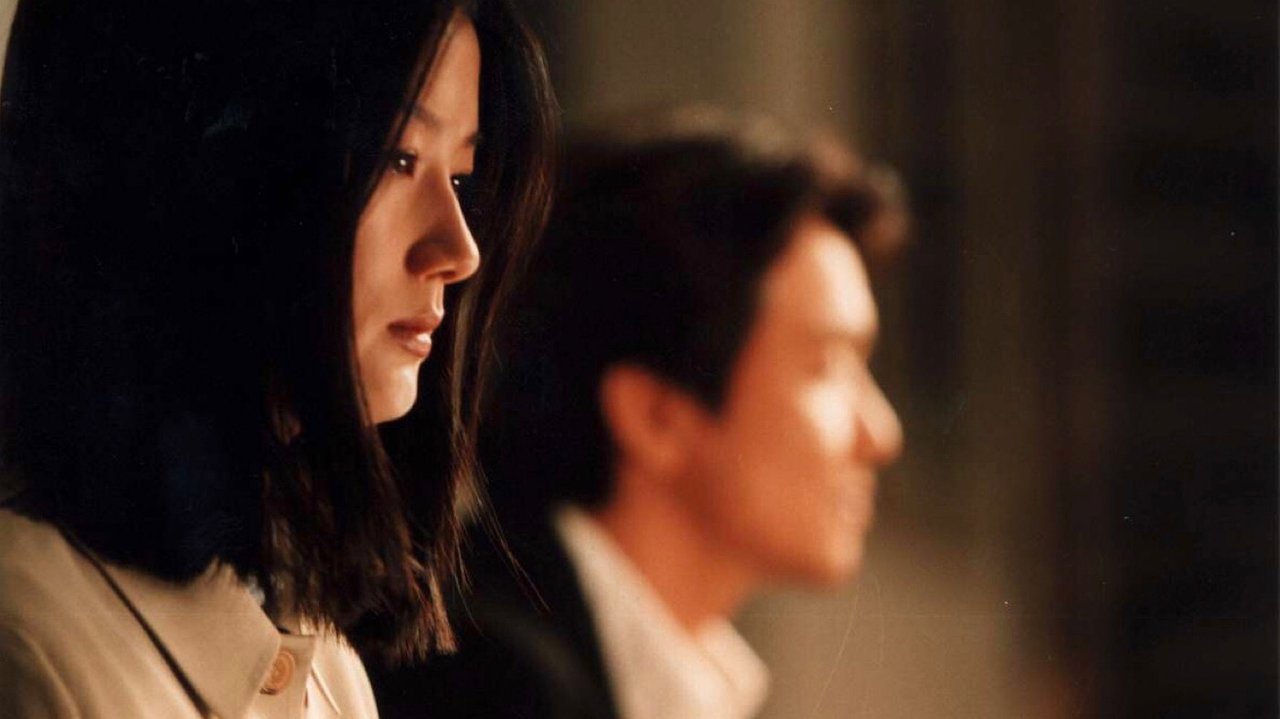
Shim Eun-ha, then primarily known for more dramatic or romantic roles, is magnetic and utterly inscrutable as Su-yeon. Is she a potential victim, trapped in a horrifying pattern? Or is she the chillingly composed architect of the carnage? The film masterfully plays with this ambiguity, her serene, almost detached presence forming a disturbing counterpoint to the explicit gore of the crime scenes. Their interactions crackle with suspicion and a strange, unnerving intimacy. You lean closer, trying to read the secrets behind her eyes, but the film keeps pulling back, shrouding her in mystery. Doesn't that dynamic still feel potent, that dance of suspicion and morbid curiosity?
Rain-Soaked Nightmares and Boundary Pushing
Forget sunshine; Tell Me Something exists under perpetually slate-grey skies and torrential downpours. The cinematography relentlessly emphasizes the grime, the shadows, the reflections on wet asphalt. It’s a visual style heavily indebted to films like Se7en (1995), yes, but it carves out its own distinct brand of Korean noir dread. The meticulous production design contributes hugely – the cluttered apartments, the sterile museum archives where Su-yeon works, the shockingly visceral (and practical) effects used for the dismembered bodies.
And let's talk about that gore. For its time, especially in mainstream Korean cinema, Tell Me Something was boundary-pushing. The depiction of the bodies wasn't just suggestive; it was clinical, prolonged, and deeply unsettling. It sparked considerable controversy upon release, precisely because it refused to look away. Finding specific details about the creation of those effects props is tough, but you can imagine the hushed tones on set, the sheer unpleasantness of crafting something so realistically macabre. This wasn't jump-scare horror; it was the horror of autopsy photos, the cold dread of meticulous evil made manifest. Its willingness to confront this darkness head-on was part of what made it such a domestic phenomenon – reportedly costing around $2.5 million, it became one of South Korea's highest-grossing films of 1999, proving audiences were ready for darker, more complex narratives.
A Chilling Resonance
The film isn't perfect. The pacing deliberately languid, mirroring the detective's exhaustive investigation, might test some viewers accustomed to faster cuts. The plot, while intricate, occasionally strains credulity in service of its central mystery. Yet, these are minor quibbles against the sheer force of its atmosphere and psychological tension. It’s a film that prioritizes mood over explosive action, letting the horror seep in through suggestion, silence, and sudden, brutal reveals.
Watching it back then, perhaps on a slightly fuzzy fourth-generation tape rented from a specialist store or ordered through some obscure catalogue, felt different. It was part of that late-90s wave where South Korean cinema was asserting its unique voice – slicker than many low-budget horrors, yet grittier and more daring than much of what Hollywood offered in the genre space. It was proof that masterful, bone-chilling thrillers could come from anywhere. I distinctly remember the feeling after the credits rolled – not exhilaration, but a quiet unease, the kind that makes you check the locks twice.
Final Verdict
Tell Me Something is a masterclass in sustained dread. It leverages its star power (Han Suk-kyu and Shim Eun-ha are exceptional), its oppressive atmosphere, and its willingness to depict graphic horror not for shock value alone, but as an integral part of its bleak worldview. The procedural elements are gripping, but it’s the psychological ambiguity and the suffocating sense of urban decay that truly elevate it. While clearly inspired by Western thrillers, it forged a path for the wave of dark Korean crime films that followed.
Rating: 8.5/10
This rating reflects the film's incredible atmospheric power, strong performances, and historical significance within Korean cinema, slightly tempered by pacing that might not suit all tastes. It earns its darkness honestly, crafting a genuinely disturbing experience that lingers like the damp chill of its perpetual rain. It’s a cornerstone 90s Korean thriller that absolutely deserves its place in the darker corners of VHS Heaven.