It arrived on our shores, often via mail order catalogues, specialist shops, or the coveted copied tapes passed between friends, like a cryptic transmission from a world operating on different emotional and narrative frequencies. Neon Genesis Evangelion: Death and Rebirth (1997) wasn’t just another anime feature; it felt like an enigma wrapped in cellophane, a piece of a puzzle that many of us watching on grainy CRT screens didn't even know we were trying to solve. What, exactly, was this thing?
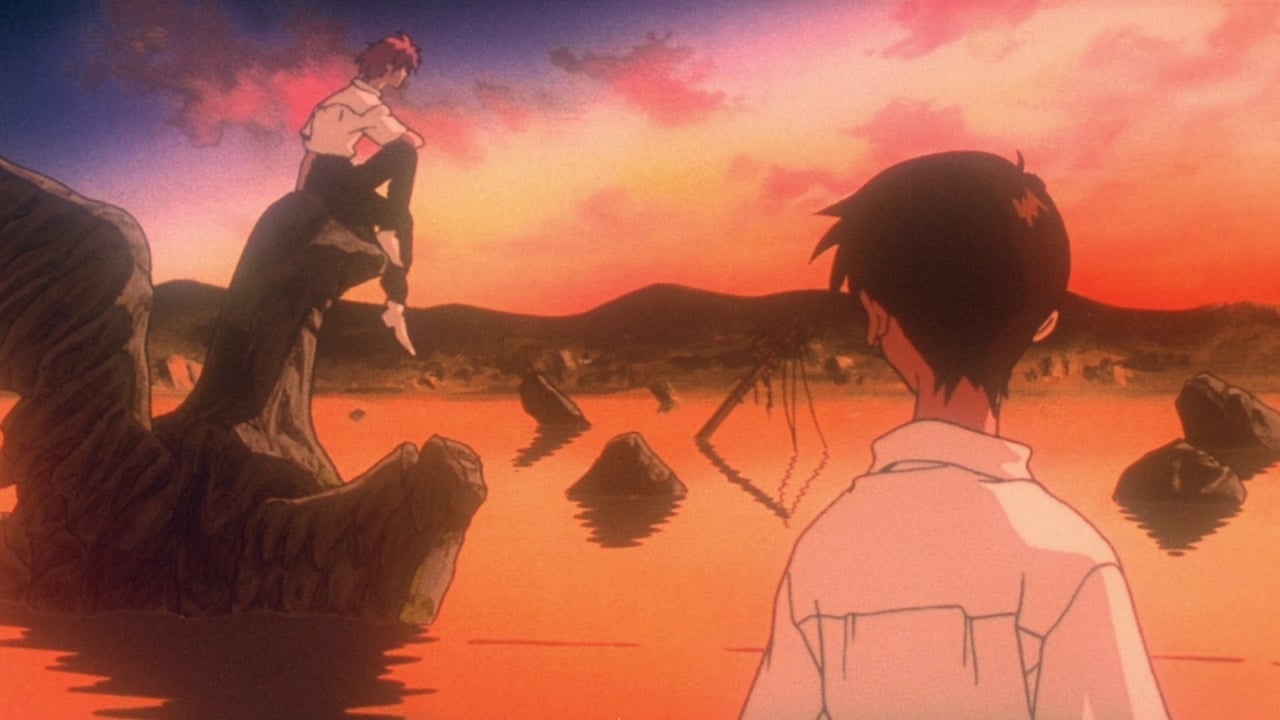
For those who had navigated the psychological minefield of the original 26-episode Neon Genesis Evangelion TV series, this film landed with the weight of expectation and confusion. The show’s ending episodes (25 & 26) were notoriously abstract, introspective, and budget-constrained, leaving many fans bewildered and demanding a more conclusive, perhaps more conventional, finale. Death & Rebirth, co-directed by Hideaki Anno, Masayuki, and Kazuya Tsurumaki, was Studio Gainax's initial, somewhat fragmented, response.
A Fractured Mirror: The 'Death' Segment
The first part, Death, isn't a straightforward recap. Forget a simple highlight reel. Instead, it's a highly stylized, often non-linear collage of scenes and moments from the TV series, re-edited and rearranged to emphasize character arcs and thematic resonance over chronological plot progression. Framed by the conceit of the main characters rehearsing as a string quartet (a sequence created specifically for this film), Death attempts to distill the series' essence – the trauma, the isolation, the desperate search for connection amidst impending doom.
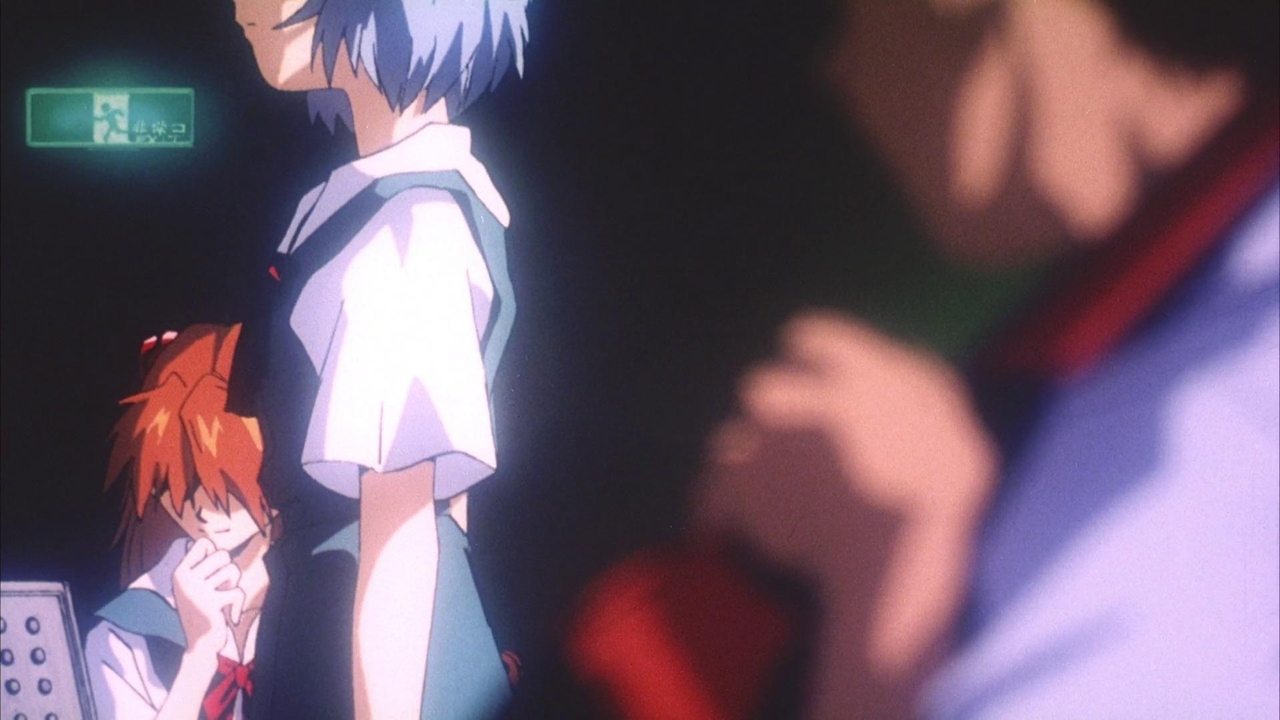
It's artistically ambitious, certainly. Moments are re-contextualized, focusing intently on the psychological states of Shinji, Asuka, Rei, and Misato. We revisit key battles and breakdowns, but the focus shifts inward. The editing is often jarring, mirroring the fractured psyches of the characters. While visually striking and occasionally offering new perspectives (with some minor animation touch-ups), it's also incredibly dense and potentially impenetrable for anyone not already intimately familiar with the series. For veterans, it could feel like a haunting, impressionistic poem; for newcomers, likely an incomprehensible barrage of angst and giant robot snippets. I remember renting this from a local independent store, the kind with shelves dedicated to imports, and feeling both fascinated and utterly lost during this first hour.
Echoes of Anguish: The Power of Performance
Even filtered through subtitles (or the sometimes variable English dubs available at the time), the raw power of the original Japanese voice cast shines through. Megumi Ogata's portrayal of Shinji Ikari remains a benchmark of vulnerability and reluctant agony. Yūko Miyamura captures Asuka Langley Soryu's abrasive pride masking deep-seated insecurity with frightening accuracy. And Megumi Hayashibara imbues Rei Ayanami with that haunting blend of otherworldliness and burgeoning humanity. Their performances are central to Evangelion's enduring impact, conveying complex emotional landscapes that the often-stark animation relies upon. Death serves as a potent reminder of their collective achievement.
Trivia Tangent: Born from Backlash
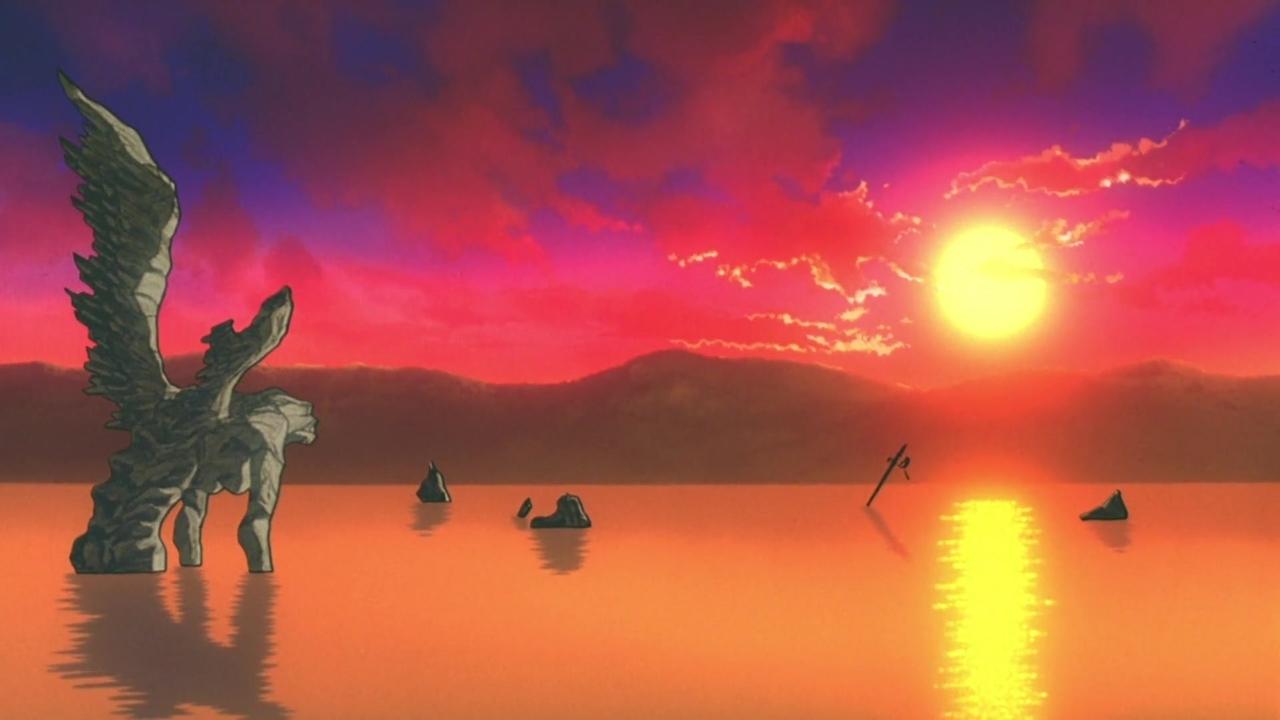
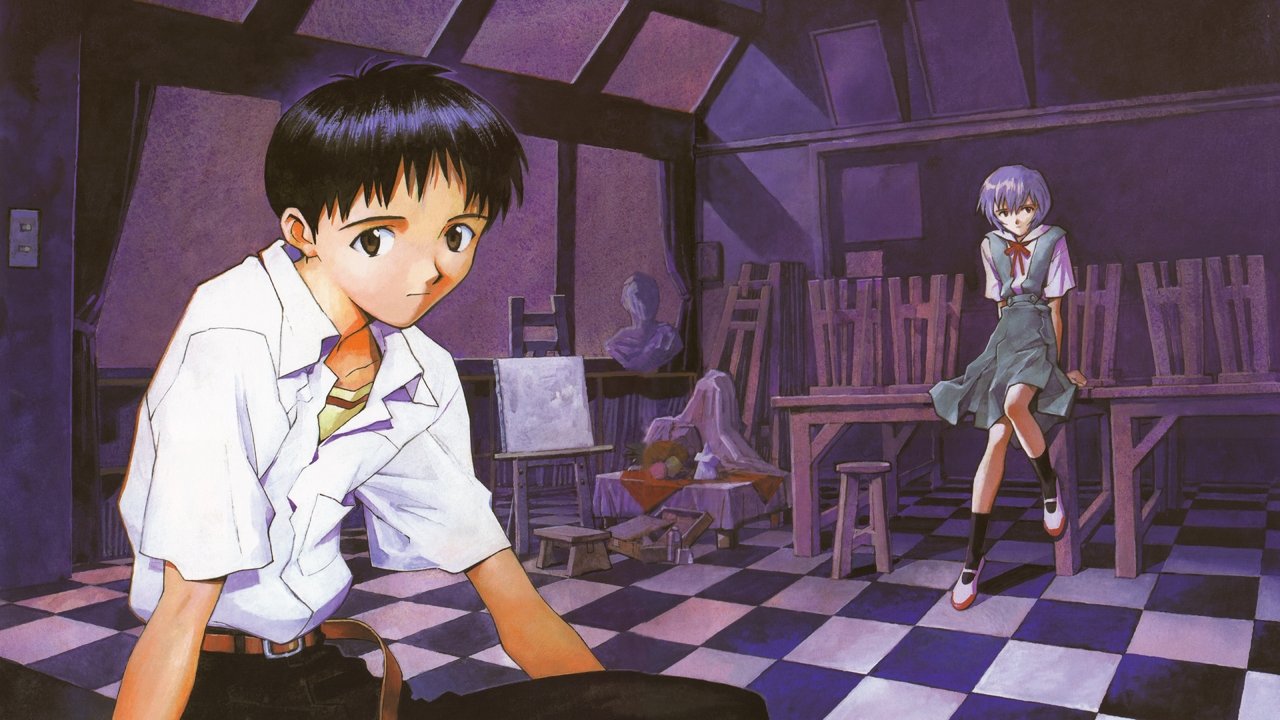
It's impossible to discuss Death & Rebirth without acknowledging the context of its creation. The fan reaction to the TV series' ending was intense, sometimes vitriolic. Hideaki Anno himself was reportedly grappling with severe depression during and after the show's production. This film, and its eventual successor The End of Evangelion, were born from that crucible – a response to fan demands, Anno's desire to realize his original vision (perhaps), and the studio's need for a theatrical product. Knowing this adds another layer to the viewing experience; you're not just watching a story, you're witnessing the fallout of a cultural phenomenon and its creator's personal struggles. The pressure must have been immense.
'Rebirth': Glimmers of the True End
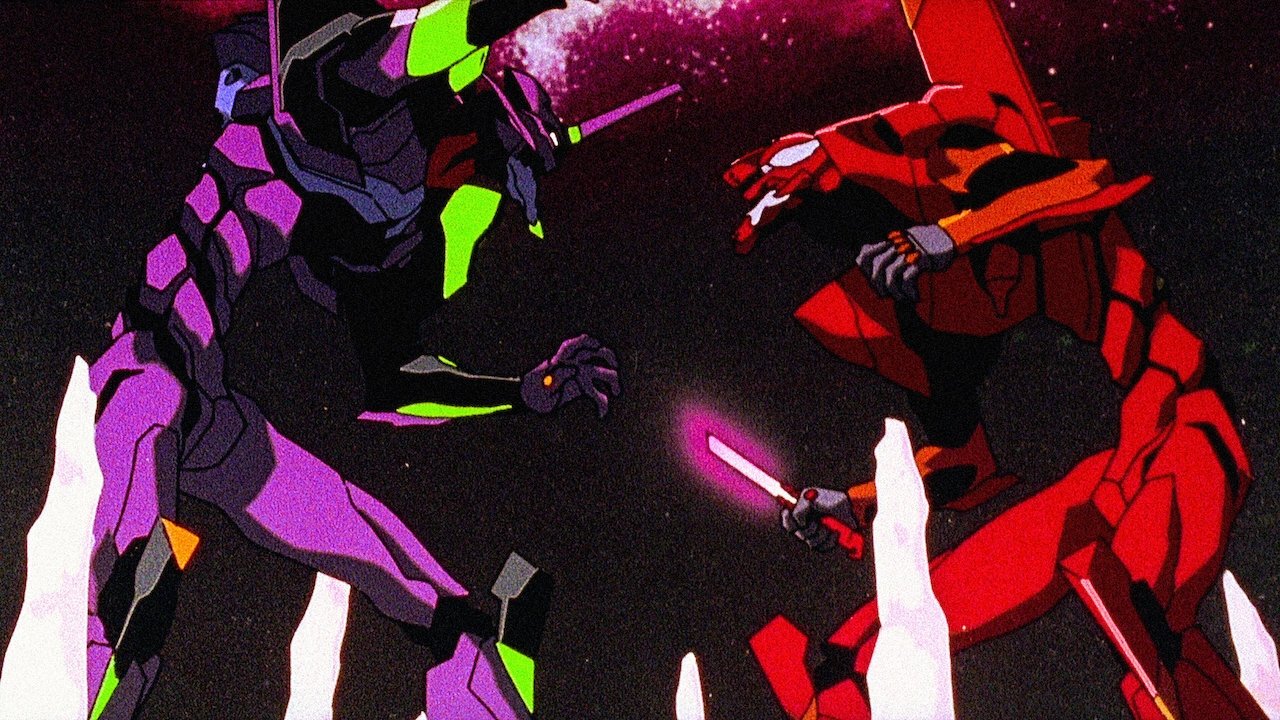
Just as you settle into the rhythm of Death's reflective (or confusing) structure, the film abruptly shifts gears into Rebirth. This segment is, quite literally, the first twenty-five minutes or so of the next film, The End of Evangelion (1997). The change is stark. The animation quality jumps, the scope feels grander, and the tone shifts from recap to immediate, terrifying crisis. We're thrown into the deep end: SEELE initiates its apocalyptic plans, NERV headquarters is under siege by JSSDF forces, and Asuka awakens in Eva Unit-02 for one last, desperate stand against the horrifying Mass Production Evangelions.
It's thrilling, visually impressive, and utterly incomplete. It just... stops. Mid-battle, mid-crisis. For audiences in 1997, this was both a tantalizing glimpse of the 'real' ending to come and an exercise in frustration. Imagine queuing for this, perhaps catching a rare subtitled screening, only to be left hanging on such a monumental cliffhanger! It highlights the sometimes-awkward distribution models we navigated back in the VHS days for niche content like this.
An Artifact of Transition
Ultimately, Neon Genesis Evangelion: Death and Rebirth is less a cohesive film and more a transitional object, a necessary (perhaps commercially driven) stepping stone between the TV series and its cinematic conclusion. It’s a fascinating artifact – part art-house recap, part extended trailer. Does it stand on its own? Not really. Is it essential Evangelion viewing? For completists, arguably yes, as it captures a specific moment in the franchise's turbulent history and contains unique framing material. For casual viewers or newcomers, it's likely to be more bewildering than illuminating.
It represents that late-90s moment when anime was becoming more accessible in the West, but often arrived in fragmented, sometimes confusing forms. We devoured these tapes, piecing together complex narratives from whatever we could find, the VCR whirring as we tried to make sense of it all. Death & Rebirth embodies that experience perfectly.
Rating: 5/10
Justification: As a standalone film, Death & Rebirth is structurally flawed and ultimately unsatisfying due to its bifurcated nature (half recap, half preview). Death offers an artistic but potentially alienating reinterpretation of the series, while Rebirth is simply incomplete. However, it earns points for the artistic ambition of Death, the powerhouse voice performances it showcases, and its crucial historical role as a bridge within the Evangelion saga and a fascinating snapshot of anime distribution realities in the late 90s. It's less a movie, more a necessary, if awkward, piece of the puzzle.
Final Thought: It's a film born of compromise and chaos, a testament to a moment when a creator, a studio, and a demanding fanbase collided, leaving behind this strange, fractured, yet undeniably Evangelion artifact in the turbulent wake of the original series.