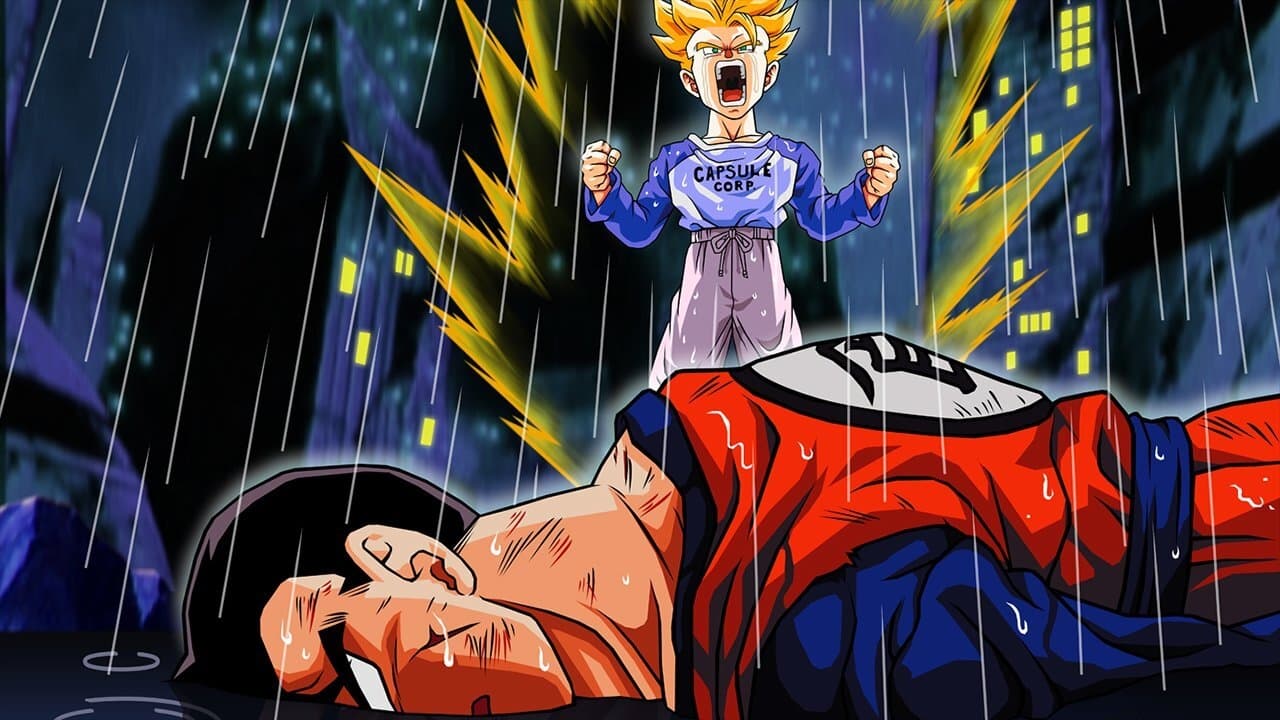
The rain never seems to stop in that future. Not really. It’s a constant presence, mirroring the grey despair that hangs heavy over the ruins of West City, over the few survivors huddled in fear. Forget the triumphant power-ups and boisterous energy of the Dragon Ball Z we usually settled in to watch. Dragon Ball Z: The History of Trunks (1993), originally aired in Japan as Zetsubō e no Hankō!! Nokosareta Chō-Senshi • Gohan to Torankusu (Resistance to Despair!! The Remaining Super-Warriors: Gohan and Trunks), throws you headfirst into a timeline utterly broken, a world where the heroes lost, and kept losing.
A Future Drenched in Hopelessness
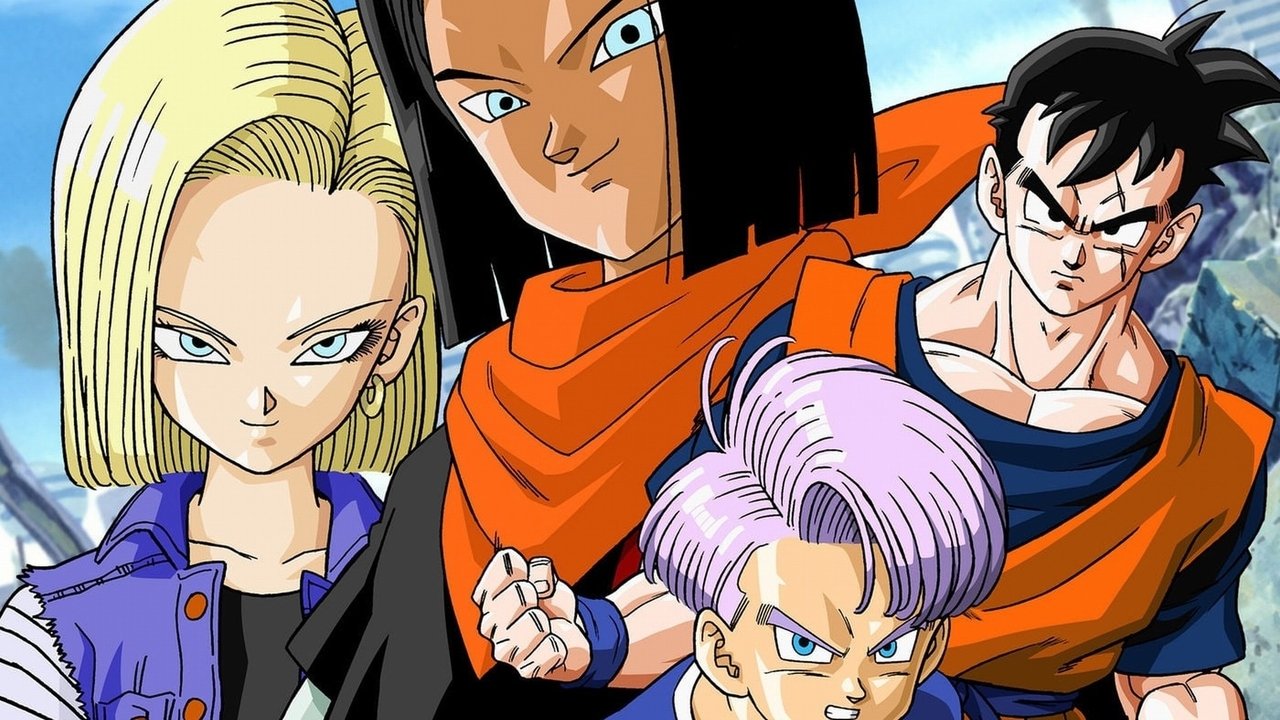
Right from the start, this TV special, directed by Yoshihiro Ueda and based on a bonus manga chapter by creator Akira Toriyama, establishes a mood radically different from its parent series. There's an oppressive weight here, a pervasive sense of dread born not of monstrous aliens, but of cold, calculated, almost casual destruction. The villains, Androids 17 and 18, aren't motivated by conquest or vengeance; they destroy simply because they can, treating genocide like an afternoon's entertainment. Remember how jarringly different they felt here compared to their main timeline counterparts? Their eerie calm, their lack of grand speeches – it made them terrifying in a way Frieza or Cell never quite were. It’s a chilling portrayal that sticks with you long after the tape clicks off.
The animation style itself, typical of early 90s Toei Animation, contributes beautifully to this atmosphere. While perhaps lacking the slick polish of later productions, there's a certain rawness, a grit to the visuals that perfectly complements the narrative. The muted color palette, the perpetually overcast skies, the crumbling cityscapes – it all paints a picture of a world bled dry of hope. It’s a far cry from the vibrant battlegrounds we were used to, feeling more like a post-apocalyptic nightmare than a super-powered action show. This wasn't just another fight; it felt like the last fight, happening over and over again, always ending the same way.
The Weight of Mentorship and Loss
At the heart of this bleakness is the relationship between a young, desperate Trunks (voiced with palpable anxiety turning to resolve by Takeshi Kusao) and his mentor, Gohan (Masako Nozawa, pulling double duty from Goku but infusing Gohan with weary determination). This isn't the scholar Gohan we knew, or even the powerhouse who faced Cell. This Gohan is scarred, hardened, carrying the impossible burden of being Earth's last real defender. The scenes of him training Trunks, trying to unlock the Super Saiyan power born of rage and loss, are fraught with tension. There’s a quiet desperation in Gohan’s actions, a knowledge that he’s likely sending his young student towards the same fate that claimed the other Z-Fighters.
The special pulls no punches in depicting the brutality of this timeline. The implied deaths of beloved characters like Vegeta, Piccolo, and Krillin hang heavy in the air, referenced but never shown in gory detail, which somehow makes it worse. It’s the absence that screams loudest. Gohan’s eventual fate (Spoiler Alert! though, let's be honest, is it really a spoiler anymore?) is one of the most genuinely heartbreaking moments in the entire franchise. Finding him face down in the rain… that image is seared into the memory of many fans who first saw this on a worn-out Funimation VHS back in the day. It wasn't just a death; it felt like the extinguishing of the last light. Reportedly, Toriyama himself specifically requested Gohan lose an arm in the manga chapter this is based on, emphasizing the brutal toll of this endless war, a detail faithfully adapted here.

Crafting Tragedy from Familiar Faces
It’s fascinating how this special uses familiar elements – the characters, the powers – to create something so emotionally resonant and tonally distinct. Even Hiromi Tsuru's Bulma is transformed, not the fiery inventor, but a weary, grieving mother desperately pinning her hopes on a time machine – a concept that itself feels born of utter desperation rather than scientific curiosity. The score, too, often shifts from action-oriented themes to more melancholic, mournful pieces, underscoring the tragedy unfolding.
This special wasn't just filler; it was crucial context. It retroactively gave Future Trunks's initial appearance in the main series so much more weight. Suddenly, his intensity, his grim determination, his warnings – they all made perfect, terrifying sense. We understood why he was fighting so hard. We'd seen the alternative. It's a testament to writer Takao Koyama and the team that they could craft such a gut-wrenching story within the established framework, delivering arguably one of the most mature and emotionally complex narratives in the DBZ universe. It wasn't just about power levels; it was about the cost of survival, the burden of hope in a hopeless world.
Legacy of Despair
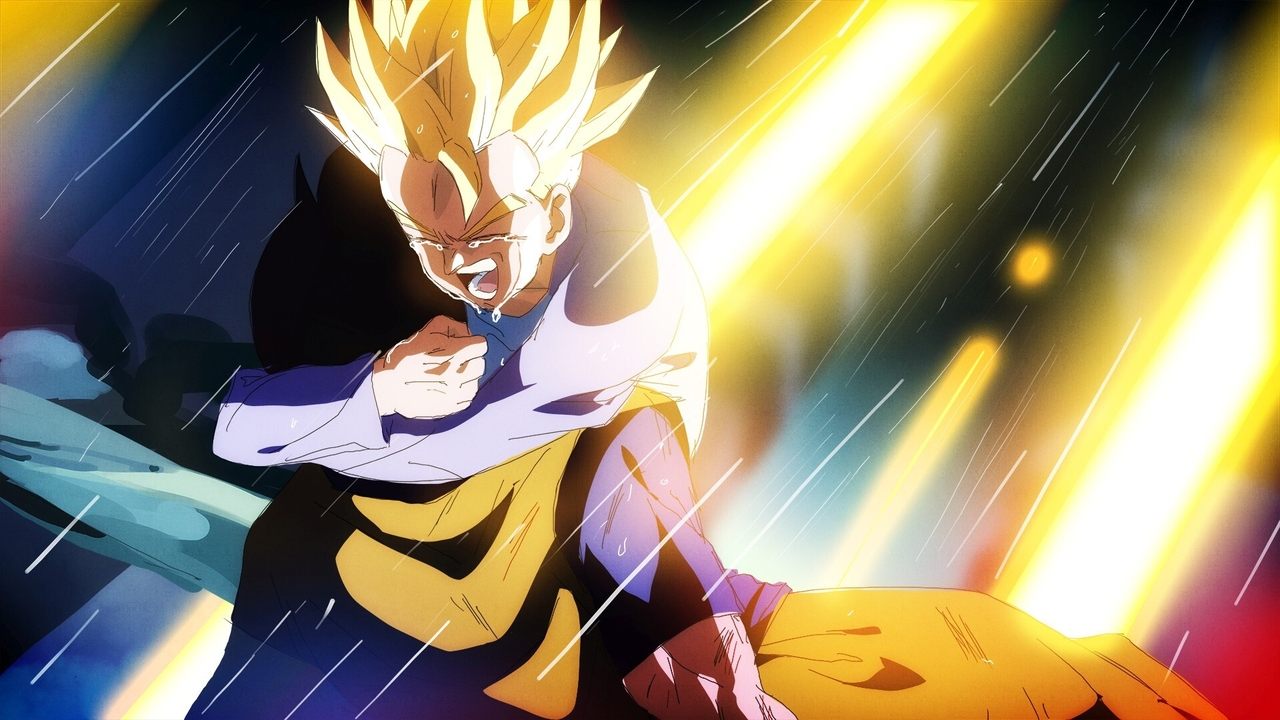
The History of Trunks remains a standout piece of the Dragon Ball saga. It demonstrated that the series could explore genuinely dark themes and emotional depth, moving beyond the (admittedly awesome) cycle of training and fighting increasingly powerful foes. It provided essential backstory, enriched a fan-favorite character, and delivered a gut punch that resonated with audiences, proving that even in a world of ki blasts and transformations, the most powerful moments could come from quiet despair and sacrifice. Doesn't that final transformation scene, fueled by grief rather than just rage, still feel uniquely powerful?
Rating: 9/10
This score reflects the special's masterful execution of its bleak premise, its emotional depth, and its crucial role in enriching the Dragon Ball Z narrative. It achieves a near-perfect distillation of tragedy within the DBZ framework, utilizing familiar characters and settings to tell a profoundly different and impactful story. The slightly dated animation is the only minor point holding it back from perfection, but even that contributes to its raw, era-specific feel.
For many fans who caught this on TV or rented that distinctive VHS tape, The History of Trunks wasn't just another Dragon Ball Z adventure; it was an emotional crucible, a stark reminder of the stakes, and arguably one of the most unforgettable stories the franchise ever told. It proved that hope shines brightest only after you've truly stared into the abyss.