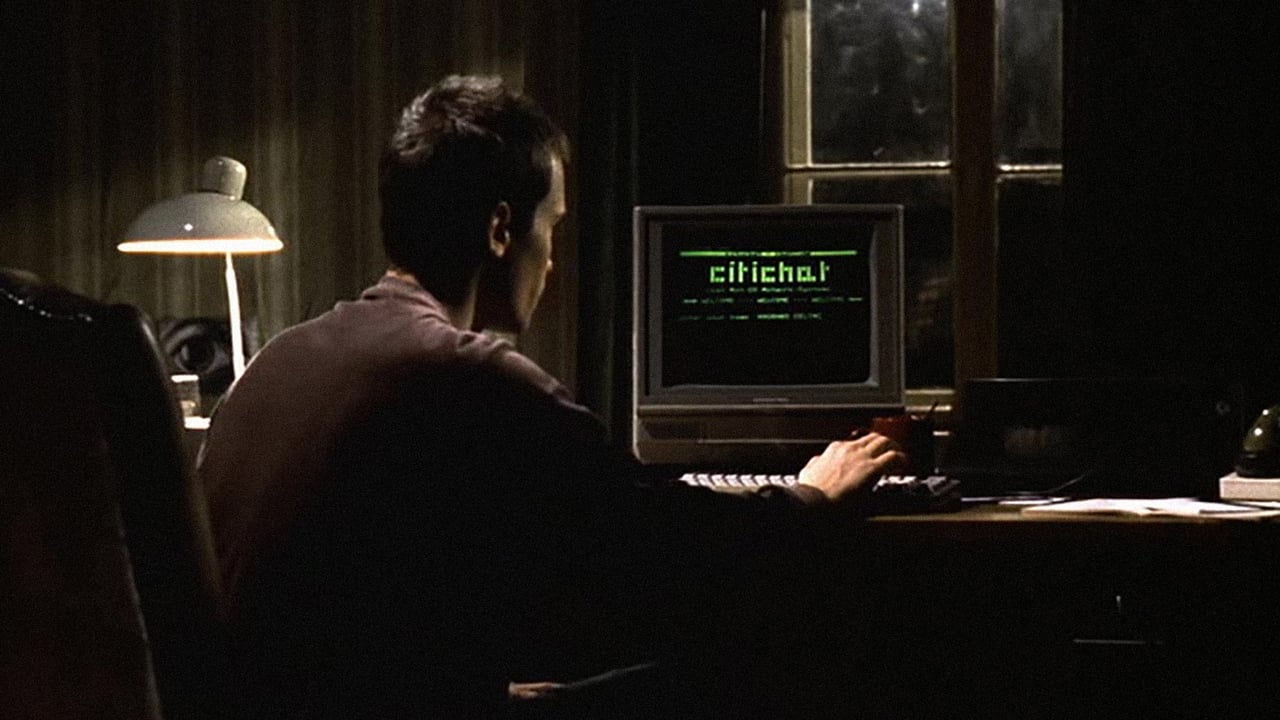
There's a chilling flicker in the eyes of August Diehl as Karl Koch in Hans-Christian Schmid's 1998 film 23. It’s not just the reflection of a glowing green CRT monitor, but a window into a mind teetering between prodigious talent and consuming paranoia. Released towards the tail end of the VHS era, 23 (Nichts ist so wie es scheint - Nothing is as it seems) wasn't your typical flashy cyber-thriller. Instead, this German production offered something far more unsettling: a grounded, biographical descent into the nascent, often murky world of late-80s hacker culture, tinged with the fading chill of the Cold War. Finding this on a video store shelf, perhaps nestled in the 'World Cinema' section, promised something different, and it delivered a haunting narrative that lingers long after the static hiss of the tape ending.

Ghosts in the Machine
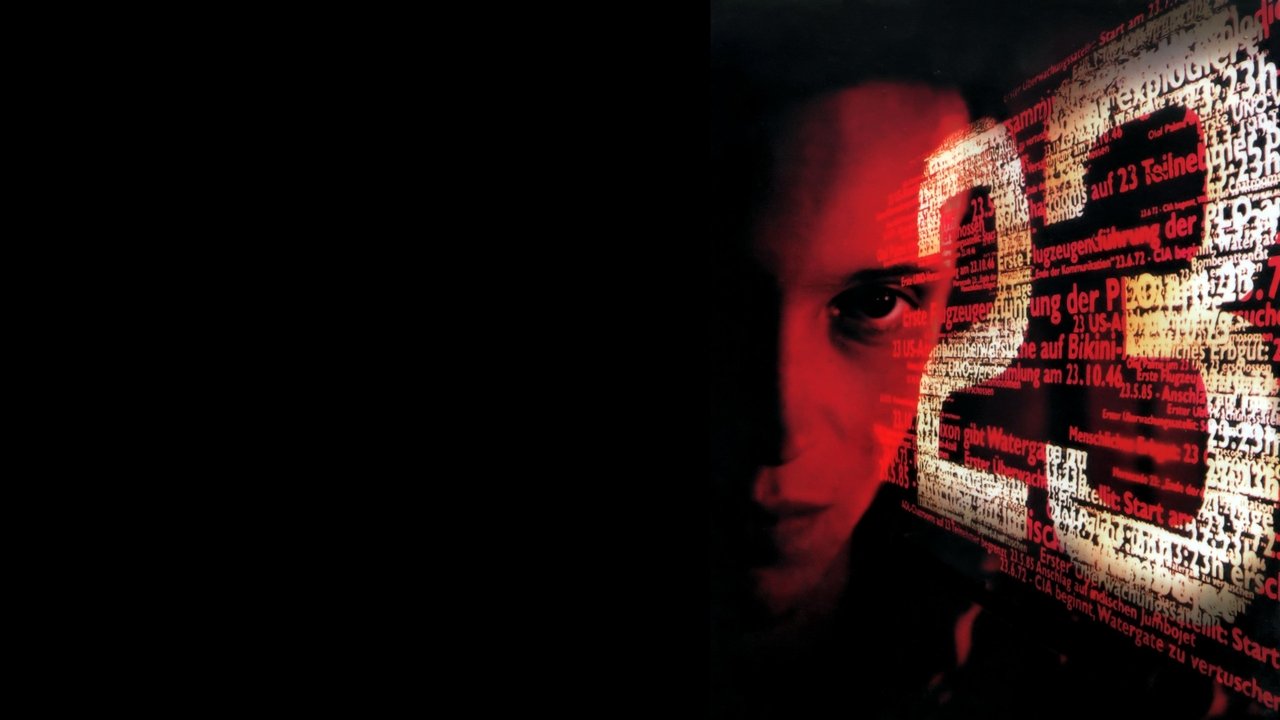
Set in Hannover, West Germany, during the late 1980s, the film reconstructs the true story of Karl Koch, a young, intelligent, but deeply troubled hacker. Orphaned and inheriting a modest sum, Karl initially channels his energy and disillusionment into political idealism and the burgeoning computer scene. Alongside his friend David (Fabian Busch), he starts exploring vulnerabilities in computer networks, initially driven by curiosity and a vague anti-establishment sentiment fueled by Robert Anton Wilson and Robert Shea's cult novel, The Illuminatus! Trilogy. This book, with its complex web of conspiracies often revolving around the number 23, becomes an obsession for Karl, a lens through which he begins to interpret the world – and his own actions.
What starts as digital exploration soon spirals into something far more dangerous. Seeking thrills and perhaps a twisted sense of purpose, Karl and David begin selling information hacked from US military and corporate systems to the KGB. The film masterfully depicts the shift from youthful rebellion to treacherous espionage, all while Karl becomes increasingly convinced that the Illuminati are manipulating global events and are now targeting him personally. His growing cocaine use only serves to accelerate this terrifying spiral, blurring the lines between genuine threats and drug-fueled delusion.
A Portrait of Fraying Genius
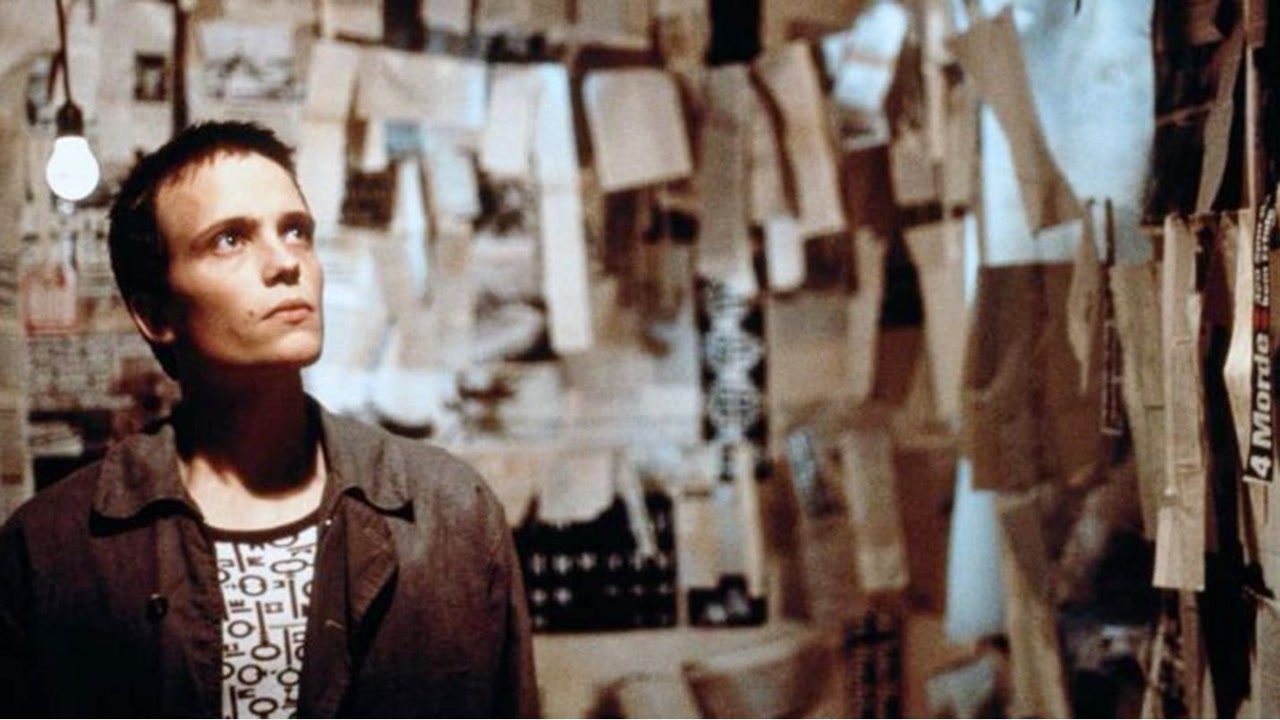
The absolute anchor of 23 is the phenomenal performance by a young August Diehl. This was a breakout role for him (viewers might recognize him from later international work like Inglourious Basterds (2009) or A Hidden Life (2019)), and it's easy to see why. Diehl embodies Karl not as a caricature of a hacker, but as a complex, vulnerable human being. He captures the initial spark of brilliance, the nervous energy, the charisma that draws others in, but crucially, he portrays the gradual, heartbreaking erosion of Karl's mind with frightening authenticity. The paranoia feels palpable, etched onto his face, conveyed through subtle shifts in posture and increasingly erratic behaviour. It’s a performance devoid of melodrama, grounded in a terrifying realism that makes Karl’s plight deeply affecting. Fabian Busch, as the more grounded David, serves as an effective counterpoint and the audience's surrogate, watching his friend unravel with a mixture of loyalty and mounting fear.
Director Hans-Christian Schmid, who also co-wrote the screenplay with Michael Gutmann, opts for a deliberately unglamorous aesthetic. There are no flashy Hollywood hacking sequences here. Instead, we get scenes of dimly lit rooms, clunky Commodore computers, the screech of dial-up modems, and the painstaking process of finding system backdoors. This commitment to realism extends to the depiction of late 80s Germany – the fashion, the music, the political anxieties simmering beneath the surface. It feels authentic, capturing a specific moment in time just before the Berlin Wall fell and the digital world exploded. Schmid reportedly conducted extensive research, interviewing people who knew Koch, which lends the film a docudrama-like intensity.
The Glitch in the System: Retro Facts
The true story behind 23 is as fascinating as it is tragic. Karl Koch was a real figure in the German hacker scene, associated with the Chaos Computer Club. His involvement in selling secrets to the KGB led to arrests and intense pressure. The film sticks reasonably close to the known facts, including Koch's obsession with the Illuminatus! books and the number 23. The film's tagline, "Nothing is as it seems," directly echoes the conspiratorial themes that consumed him. Perhaps the most chilling aspect, only alluded to at the film's end, is Koch's mysterious death in May 1989 – his charred body found in a forest, officially ruled a suicide, though speculation about foul play persists to this day, feeding the very conspiracy theories he embraced. 23 doesn't offer easy answers, mirroring the ambiguity surrounding Koch's final days. Interestingly, while a modest production, the film resonated strongly in Germany, becoming something of a cult hit and earning critical acclaim for its sensitive handling of a difficult true story and for Diehl's powerhouse performance.
Legacy of Paranoia
Watching 23 today offers a unique perspective. It captures the dawn of the information age, but through the lens of Cold War anxieties and individual psychological breakdown. It predates the sleek, stylized cyber-thrillers that would follow, offering a grittier, more human – and ultimately more disturbing – look at the power and peril of the interconnected world. It forces us to consider the seductive nature of conspiracy theories, especially for brilliant minds grappling with a chaotic reality. How easily can intellectual curiosity curdle into dangerous obsession? What happens when the patterns you seek everywhere start consuming you?
23 isn't necessarily a 'fun' watch in the way some of our beloved VHS classics are. It’s a somber, thought-provoking film that earns its tension through character study rather than action set pieces. It reminds us that behind the glowing screens and lines of code, there are often complex, fragile human stories unfolding.
Rating: 8/10
This score reflects the film's powerful central performance from August Diehl, its authentic atmosphere, its sensitive handling of a tragic true story, and its prescient exploration of themes still relevant today. While its deliberate pacing and downbeat tone might not appeal to everyone seeking simple thrills, its commitment to realism and psychological depth make it a standout German film from the late 90s and a significant piece of early hacker cinema.
23 leaves you with a sense of profound unease, a quiet contemplation of the shadows that can lurk within brilliant minds and the systems we build. A truly haunting echo from the dial-up days.