The air hangs thick with cordite and cheap cologne. Two men, shadows defined by flickering neon, raise glasses of red wine across a crowded bar, a silent toast exchanged between mortal enemies. This isn't camaraderie; it's the ritualistic prelude to bloodshed, a moment pregnant with the stylish nihilism that permeates Johnnie To's 1998 Hong Kong actioner, A Hero Never Dies. Forget noble warriors; this film plunges us headfirst into the hollow heart of the Triad underworld, where loyalty is a currency easily spent and honour is just a word whispered before the bullets fly.

Ghosts in the Machine
At the center of this meticulously crafted chaos are Jack (Leon Lai) and Martin (Lau Ching-wan, also known as Sean Lau), top enforcers for rival bosses Fong and Yam. They are mirror images, apex predators circling each other with a grudging respect born from shared lethality. Lai, embodying cool detachment, and Lau Ching-wan, radiating a weary intensity, are perfectly cast. Their rivalry isn't personal, merely professional – kill or be killed, dictated by the whims of aging bosses clinging to power. Johnnie To, already a master craftsman honing the distinct aesthetic of his production house, Milkyway Image (formed with frequent collaborator Wai Ka-fai), stages their initial encounters with an almost balletic grace, punctuated by shocking bursts of violence. Remember those hyper-stylized shootouts that defined late 90s Hong Kong action on grainy VHS? This film delivers them in spades, but with a colder, more cynical edge than the heroic bloodshed epics John Woo gifted us earlier in the decade, like The Killer (1989).
The Fall is Always Faster
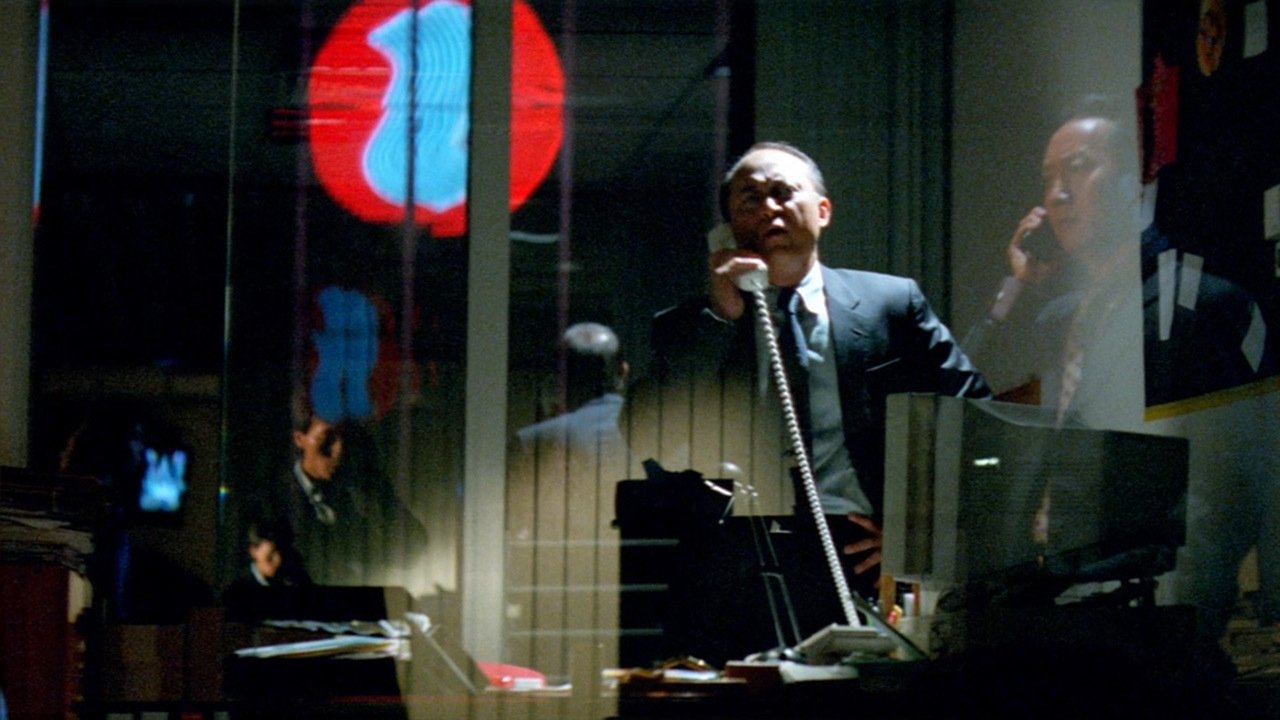
The plot, penned by Milkyway regulars Yau Nai-hoi and Szeto Kam-Yuen, is deceptively simple, serving primarily as a framework for exploring themes of betrayal and the utter meaninglessness of gangland allegiance. When the bosses decide their star killers have become liabilities, both Jack and Martin are brutally set up, left crippled and discarded like broken tools. This narrative turn, happening relatively early, shifts the film from stylish action into something far more desperate and grim. Watching these once-invincible figures navigate their broken lives – Jack losing his swagger, Martin fiercely protected by his loyal girlfriend Fiona (Fiona Leung) – is genuinely affecting. It's rumoured that the script was written extremely quickly, typical of the high-pressure Hong Kong production environment at the time, yet the emotional core remains potent, largely thanks to the committed performances. The sense of despair feels particularly sharp, perhaps reflecting the uncertainty hanging over Hong Kong cinema itself in the immediate post-Handover period.
Blood, Wine, and Slow Motion
Visually, A Hero Never Dies is pure Johnnie To. The colour palette is rich and deliberate – deep reds, cool blues, stark blacks – painting a world both alluring and dangerous. The action sequences are signature Milkyway: intricate choreography, masterful use of slow motion not just for spectacle but for emphasizing impact and emotion, and a percussive soundtrack that drives the relentless tension. That recurring motif of red wine, shared by enemies, spilled like blood, becomes a powerful symbol of the life they chose and the death that inevitably awaits. The film reportedly had a modest budget, even for the time (precise figures are hard to nail down for HK films of this era), forcing creative solutions that often resulted in more striking, less CGI-reliant set pieces. Doesn't that practical, visceral feel of 90s HK action still hit differently than today's digital mayhem?
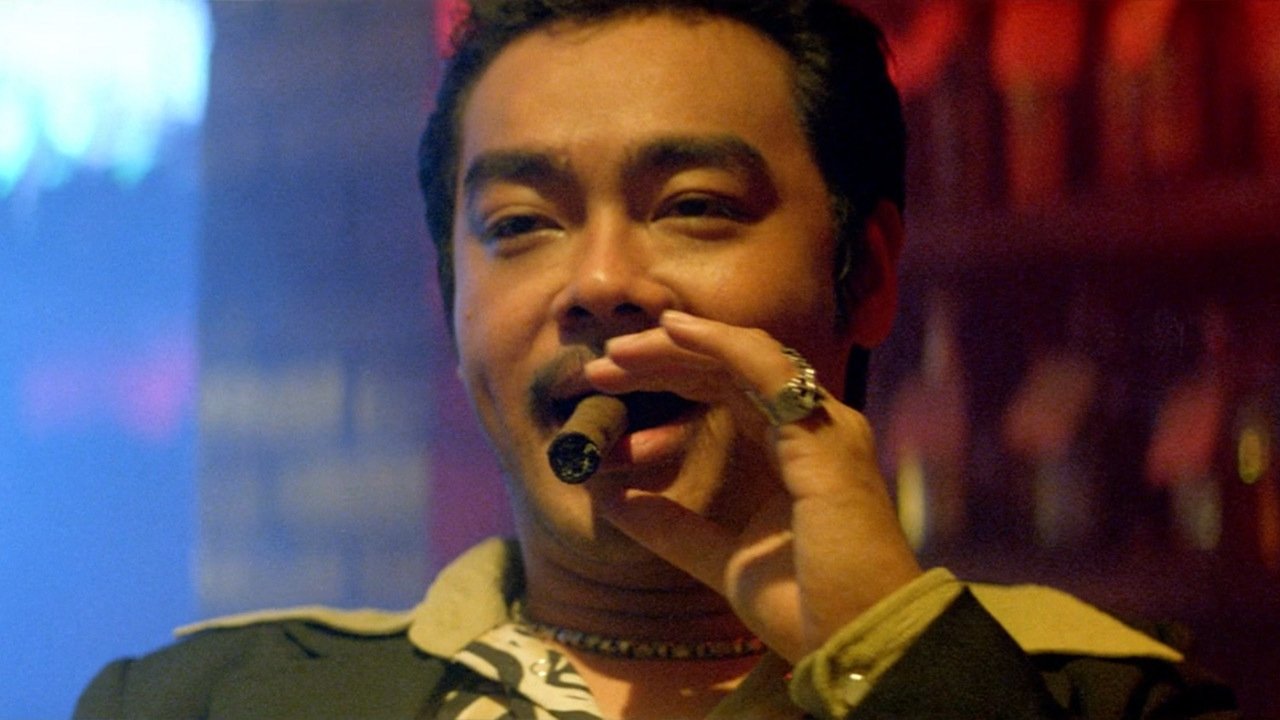
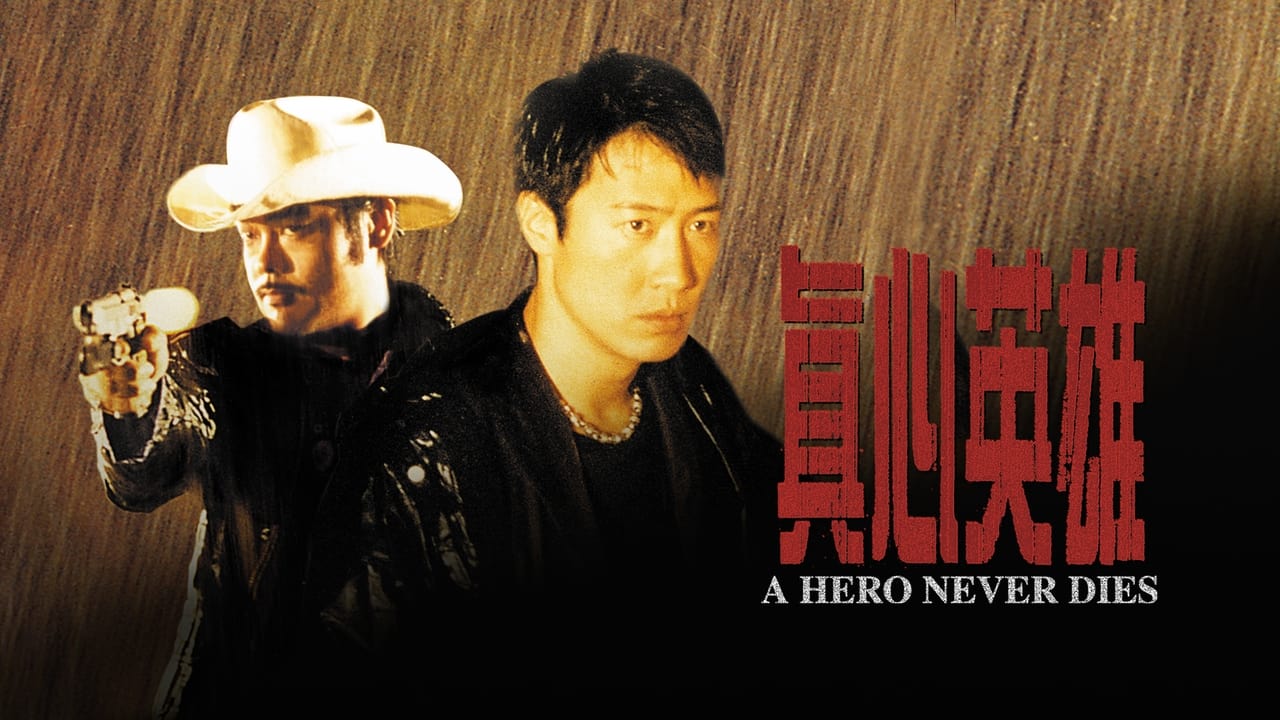
One particularly memorable behind-the-scenes aspect involves the sheer intensity Johnnie To demanded. Actors in his films often speak of the gruelling pace and the director's meticulous, sometimes demanding, approach to capturing the perfect shot, often refining scenes right there on set. This pressure-cooker environment undoubtedly contributed to the raw energy palpable on screen.
An Opera of Broken Men
The film's final act is where it truly transcends genre convention and becomes something unforgettable. Betrayed, broken, but finding a strange, final purpose in their shared desire for revenge against the bosses who wronged them, Jack and Martin stage a last stand. This extended sequence isn't just a shootout; it's a blood-soaked opera, a nihilistic ballet of vengeance performed by men with nothing left to lose. Strapped into makeshift contraptions, dragging themselves across the floor, their final confrontation with their former masters is brutal, poignant, and utterly mesmerising. Did that ending leave you feeling exhilarated, or just profoundly empty? It walks that fine line masterfully. It’s a testament to To’s skill that even amidst the carnage, the focus remains squarely on the tragic bond between these two doomed figures.
Legacy in Bullet Casings
A Hero Never Dies isn't the most complex story, nor does it offer easy answers or comforting resolutions. Its power lies in its unwavering commitment to its bleak vision, its stunning visual execution, and the magnetic performances of its leads. It stands as a prime example of late-era heroic bloodshed, infused with the specific existential dread and stylish cynicism that defined Milkyway Image's golden age output, paving the way for later classics like The Mission (1999). It might lack the overt romanticism of its predecessors, but its cold beauty and tragic core linger long after the credits roll, like the phantom glow of a CRT screen in a dark room. For fans of Hong Kong action cinema seeking something with more bite than bravado, this is essential viewing.
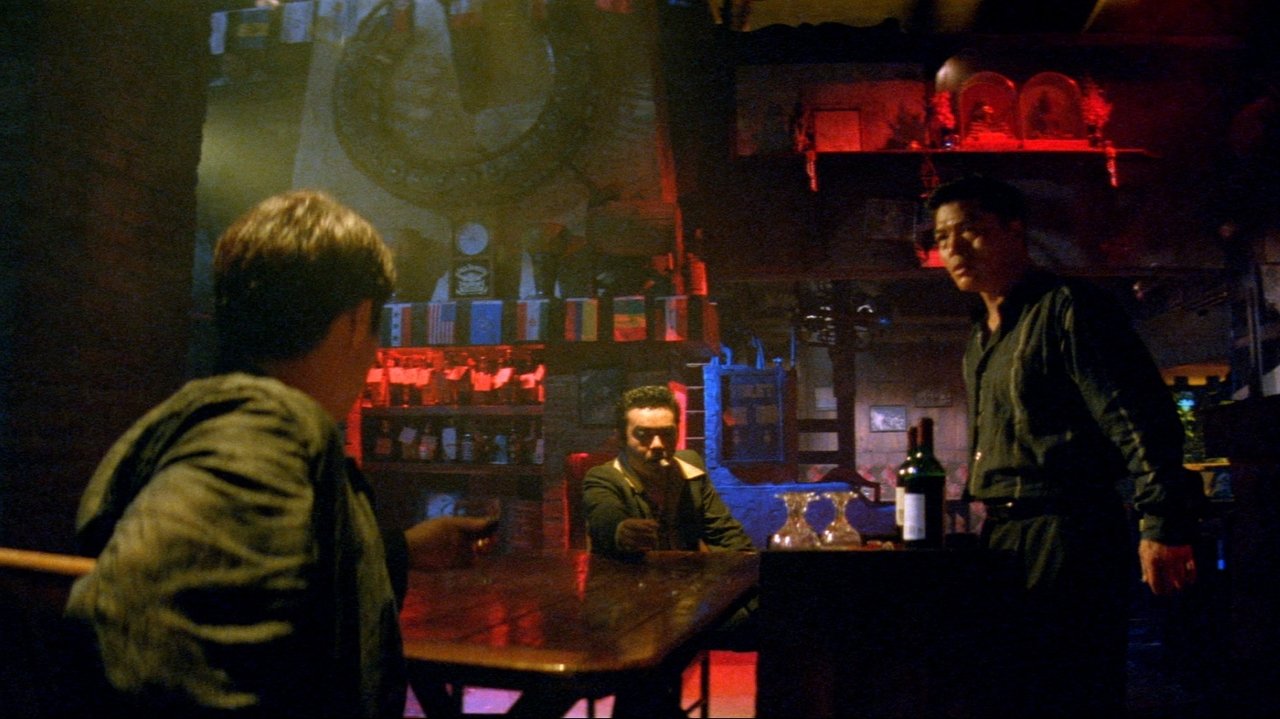
Rating: 8.5/10
The rating reflects the film's masterful style, unforgettable performances, and potent atmosphere, slightly tempered by a narrative that, while effective, primarily serves the mood and action. It’s a near-perfect execution of its bleak premise.
A Hero Never Dies remains a haunting symphony of bullets and betrayal, a potent reminder from the VHS shelves that sometimes the most compelling stories are found in the darkest corners of honour's graveyard.