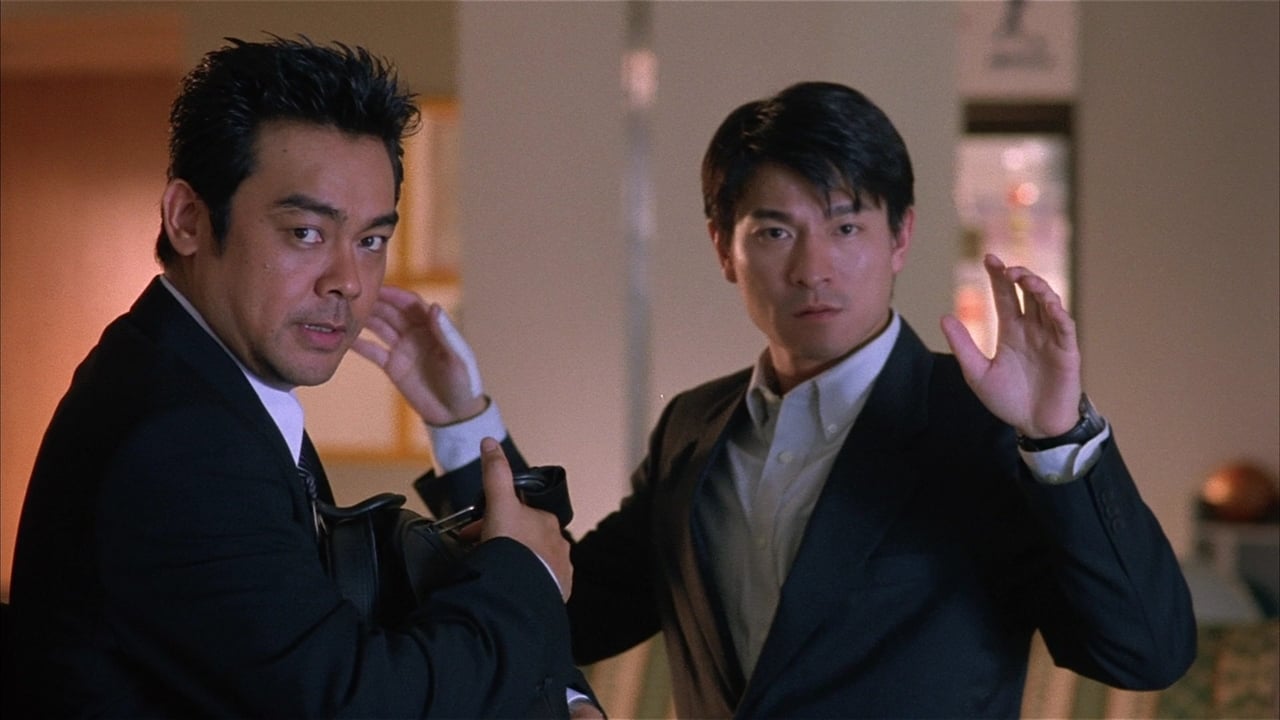
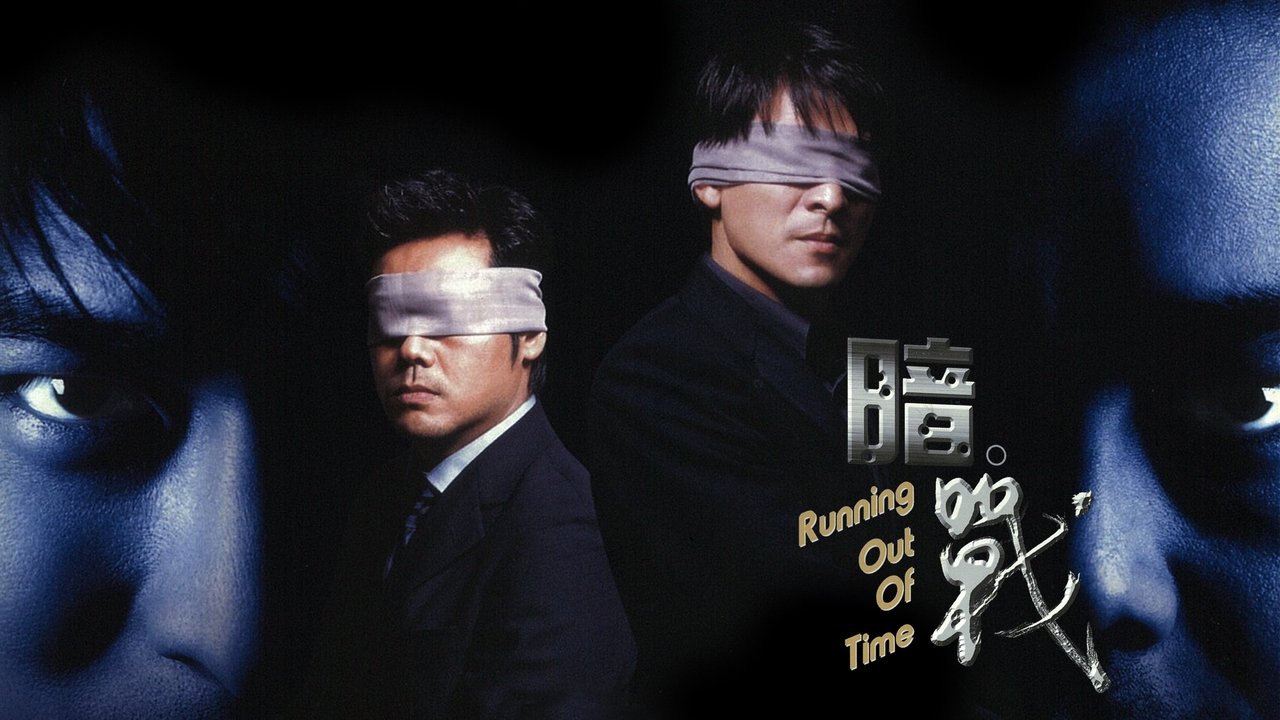
The timer starts the second the film flickers to life. Not just the 72-hour countdown that Inspector Ho Sheung-Sang is given, but the implicit one ticking away in the mind of Cheung Wah, the brilliant thief orchestrating this deadly game. He has only weeks to live, a terminal diagnosis hanging over him like the perpetual neon haze of the Hong Kong night. What follows in Johnnie To's 1999 masterpiece, Running Out of Time (Original Title: 暗戰, Hidden War), isn't just a crime thriller; it's a meticulously crafted elegy wrapped in cool steel and fleeting moments of unexpected connection.
### A Different Kind of Chase
Forget frantic car chases down crowded market streets (though To, a master of the Hong Kong action aesthetic, certainly knows how to stage them). The real pursuit here is psychological. Andy Lau, in a performance that rightly earned him Best Actor at the Hong Kong Film Awards and cemented his transition from Cantopop idol to serious actor, plays Cheung. He’s a phantom, a strategist using his last days to engage a single, worthy opponent: Lau Ching-wan's Inspector Ho. Ho isn't your typical hardboiled cop; he’s intelligent, observant, perhaps a little bored with the routine, until Cheung drops a high-stakes puzzle right into his lap. Their dynamic becomes less cop-and-robber, more chess grandmasters locked in a battle of wits where the city itself is the board. The film pulses with this intellectual energy, the tension ratcheting up not through bombast, but through quiet calculation and sudden, precise bursts of action.
### The Milkyway Touch
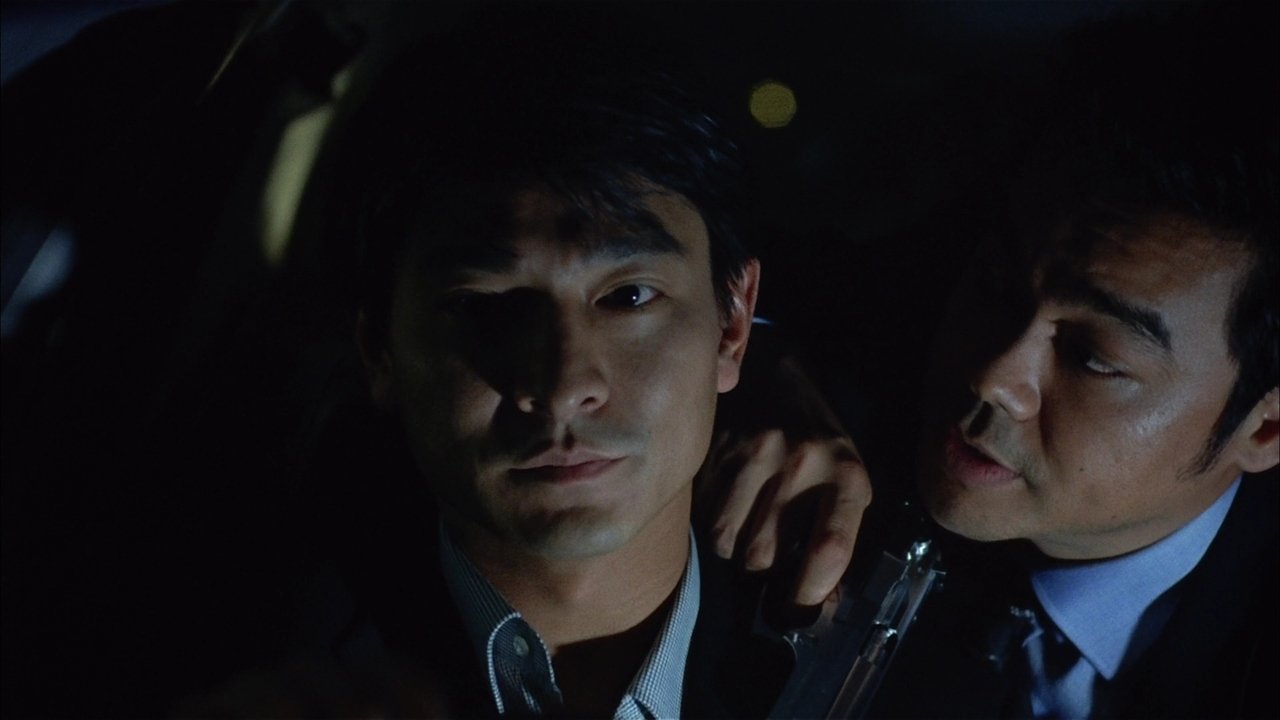
Filmed under the banner of Milkyway Image, Johnnie To's iconic production house, Running Out of Time exemplifies the company's signature style: slick visuals, sharp suits, themes of fate and professionalism, and that distinctive blend of brooding atmosphere and surprising flashes of dry humour. To, working with frequent collaborator Wai Ka-fai as producer and a script co-written by Yau Nai-hoi, Laurent Coutiaud, and Julien Carbon, crafts a film that feels both quintessentially Hong Kong and universally resonant. The French connection in the writing team perhaps adds a layer of European thriller sophistication to the local flavour. Peter Pau's (who later won an Oscar for Crouching Tiger, Hidden Dragon) cinematography captures the city’s nocturnal beauty and loneliness, contrasting the vast emptiness of the skyline with the intimate intensity of the leads' encounters. Remember the scene on the rooftop? The sheer style and confidence of it?
It's fascinating to think that Andy Lau, initially hesitant about the physical demands and the potentially less heroic aspects of the character, fully embraced the role's complexities. His portrayal of Cheung is layered – outwardly cool and detached, but hinting at a deeper weariness and a strange sort of honour. Lau Ching-wan (often credited as Sean Lau in the West), already a powerhouse actor known from films like Full Alert (1997), provides the perfect counterpoint. His Inspector Ho is grounded, pragmatic, yet clearly intrigued, even developing a grudging respect for his elusive adversary. Their chemistry crackles, forming the film's undeniable core. It’s said that To fosters a collaborative environment, and the palpable connection between the two Laus (no relation) feels authentic, born from that process.
### More Than Just a Heist
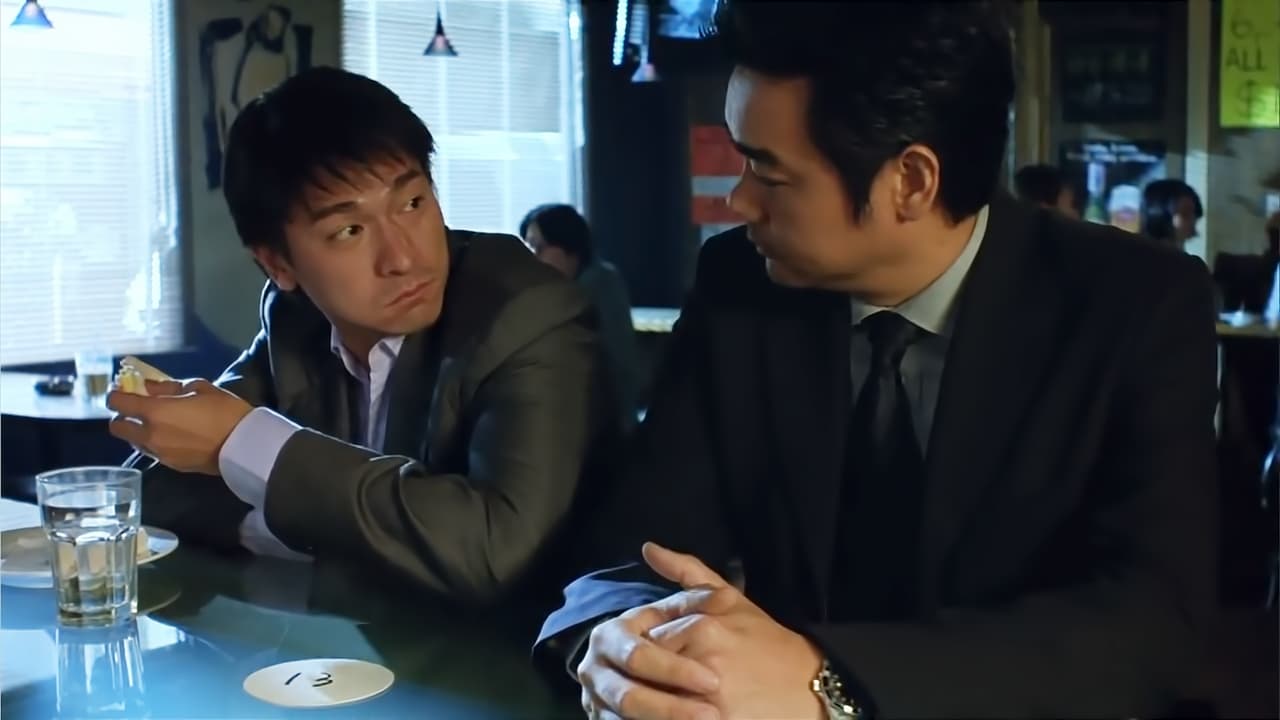
While the central plot involves a stolen diamond and Cheung's elaborate plan to expose a larger crime, the mechanics of the heist almost become secondary. The real focus is on the why. Why this game? Why Inspector Ho? The film subtly reveals Cheung's motivations, adding a layer of poignant tragedy beneath the stylish surface. There’s a quiet melancholy here, amplified by Raymond Wong's score and the fleeting, almost wordless connection Cheung forms with a stranger on a bus, played with understated charm by Yoyo Mung. It's these grace notes, these moments of humanity amidst the strategic maneuvering, that elevate Running Out of Time beyond a simple genre exercise.
The production itself mirrors the film's efficiency. Milkyway Image was known for its relatively modest budgets and quick shoots, often utilizing real Hong Kong locations with minimal fuss. This lends an immediacy and authenticity, grounding the stylized elements. Made for roughly HK$10-12 million, it became a solid hit, grossing over HK$14.6 million locally and signaling the enduring appeal of well-crafted thrillers even as the Hong Kong film industry faced challenges at the turn of the millennium. It also spawned a sequel, Running Out of Time 2 (2001), also directed by To and starring Lau Ching-wan, though it possesses a lighter, more overtly comedic tone.
### Lasting Impression
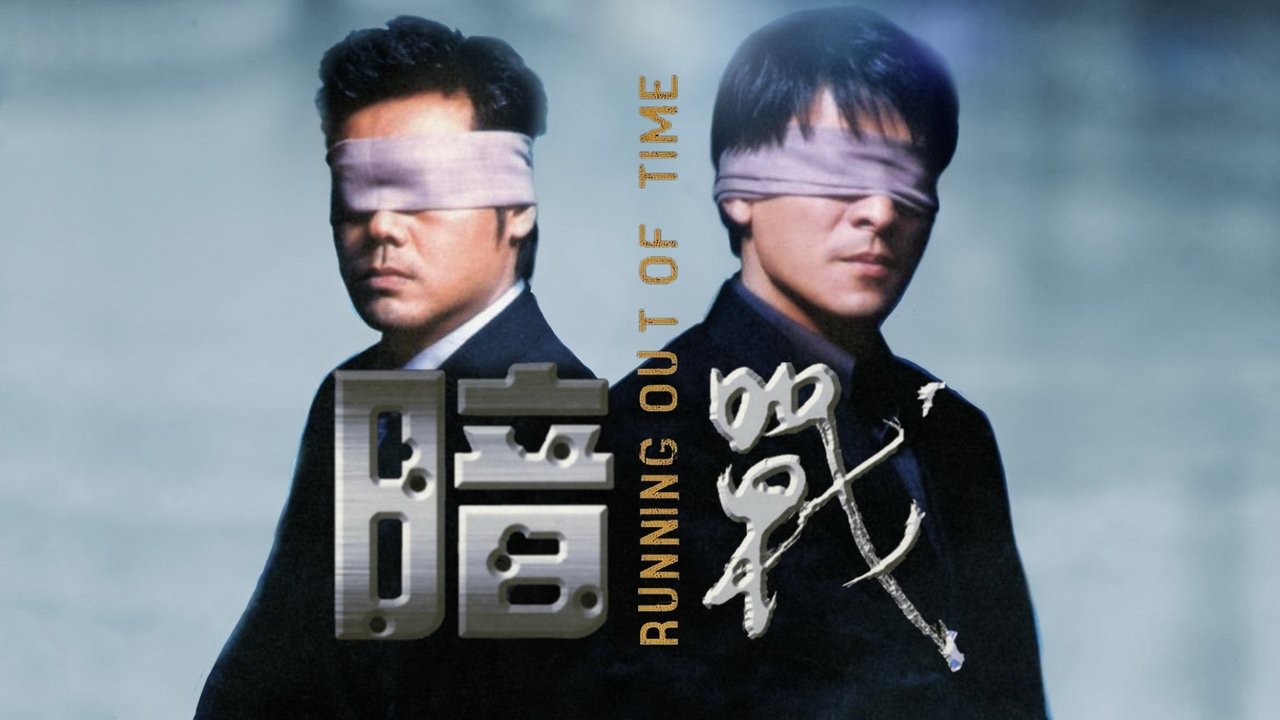
Watching Running Out of Time today, perhaps on a worn VCD procured back in the day or a cleaner DVD copy, it feels remarkably fresh. The pacing is tight, the performances compelling, and the direction assured. It doesn’t rely on the shaky-cam chaos that would dominate action cinema later; its set pieces are clear, inventive, and serve the characters. It’s a film built on intelligence, atmosphere, and a surprisingly affecting emotional core. It represents a high watermark for Hong Kong thrillers, showcasing Johnnie To at the height of his powers and giving Andy Lau one of his most defining roles. Doesn't that final rooftop confrontation still feel perfectly pitched between tension and understanding?
Rating: 9/10
This score reflects the film's exceptional craft, stellar performances, and the perfect balance of stylish thrills with unexpected emotional depth. It's intelligent, gripping, and possesses a unique melancholy cool that hasn't faded. A must-watch for anyone exploring the golden age of late 90s Hong Kong cinema, Running Out of Time is a masterclass in suspense where the ultimate stakes aren't just diamonds, but dignity and time itself.