Okay, dim the lights, settle into that worn spot on the couch, and let the hum of the VCR transport you back. Tonight, we're diving headfirst into the gritty, often brutal world of No Way Back, a 1995 slice of action nihilism that probably graced more than a few video store shelves next to the bigger blockbusters, holding its own with a raw intensity that’s hard to shake. This wasn't a multiplex behemoth; this was the kind of tape you grabbed on a Friday night hoping for a jolt, and often, it delivered precisely that.
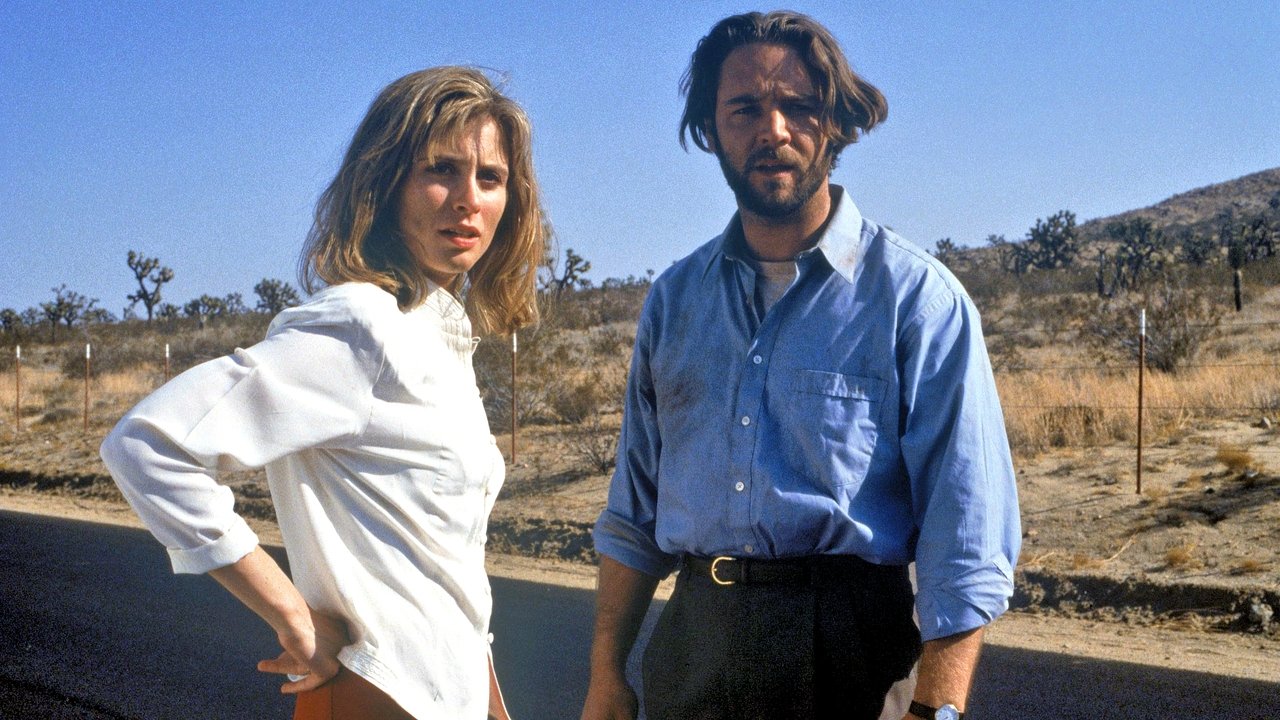
The opening hits like a cold splash of water – an FBI sting operation targeting white supremacists goes sideways, violently and immediately. There’s a rawness here, an unpolished feel that defined so much mid-90s action filmmaking. It’s in these chaotic moments we meet FBI Agent Zack Grant, played by a pre-megastar Russell Crowe, radiating the kind of coiled, dangerous energy that would soon make him a household name. Even here, before Gladiator (2000) or his Oscar for it, before the critical acclaim of L.A. Confidential (1997), you can see it – that simmering intensity, the feeling that he could erupt at any second. It's fascinating to see him in this relatively straightforward action vehicle, bringing a level of gravitas that elevates the material. Word has it Crowe was actively pursuing more American roles after his powerhouse performance in Australia's Romper Stomper (1992), and No Way Back was one of those early steps onto the Hollywood stage.
### Chained Heat and Cultural Clash
The premise snaps into place quickly and viscerally: Grant’s undercover partner is killed, the target escapes, and in the ensuing chaos, Grant finds himself literally chained to Yuji Kobayashi (Etsushi Toyokawa), the son of a powerful Yakuza boss implicated in the deal. Add Helen Slater (Supergirl herself, from 1984!) as Mary, an innocent flight attendant taken hostage, and you have a classic pressure cooker scenario. Director and writer Frank A. Cappello, who previously explored similar cross-cultural crime themes in American Yakuza (1993), locks these disparate characters together on a collision course with seemingly everyone – the Yakuza seeking vengeance and retrieval, corrupt officials wanting secrets buried, and the ruthless white supremacists led by the chillingly named Victor Serlano (Michael Lerner).
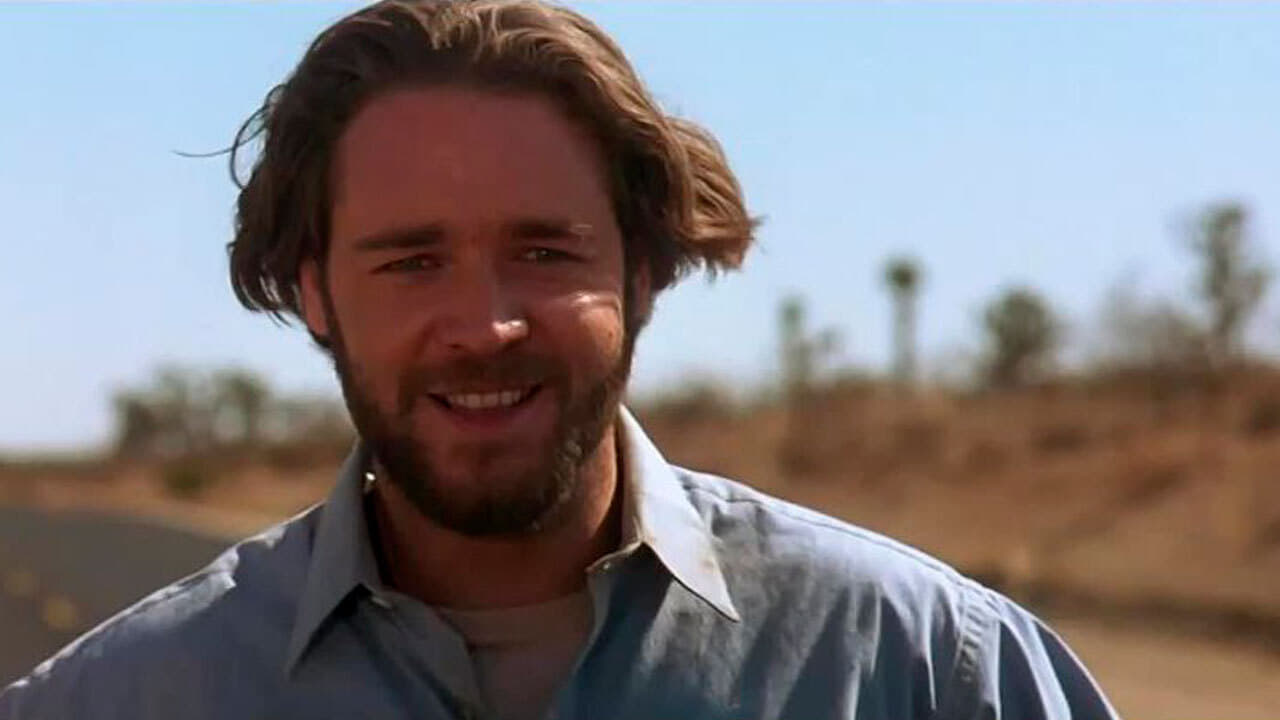
The "handcuffed fugitives" trope isn't new, of course, but No Way Back uses it effectively to force an uneasy alliance between the grieving, vengeful Grant and the stoic, honor-bound Yuji. Toyokawa, a respected actor in Japan, brings a quiet dignity to Yuji, providing a compelling counterpoint to Crowe's explosive rage. Their shared confinement creates a palpable tension, a physical manifestation of their opposing worlds scraping against each other. Does the dynamic always feel completely organic? Perhaps not, but the performances sell the friction and the grudging respect that slowly, tentatively emerges.
### Grit, Grime, and Gunfire
No Way Back absolutely feels like a mid-90s action film. There's a certain lack of gloss, a preference for practical squibs and tangible explosions over slick CGI. The action sequences, while perhaps not groundbreaking, possess a brutal efficiency. Shootouts feel messy and desperate, chases are grounded and kinetic. Remember that sequence involving the small airplane? It might look a bit rough around the edges now, maybe betraying its likely modest budget (details on exact figures are scarce, typical for these kinds of productions, but it certainly wasn't playing in the blockbuster leagues), but back then, viewed on a fuzzy CRT, it carried a genuine sense of peril. The film was primarily shot around Los Angeles, utilizing those familiar gritty urban landscapes that lent themselves so well to crime thrillers of the era.
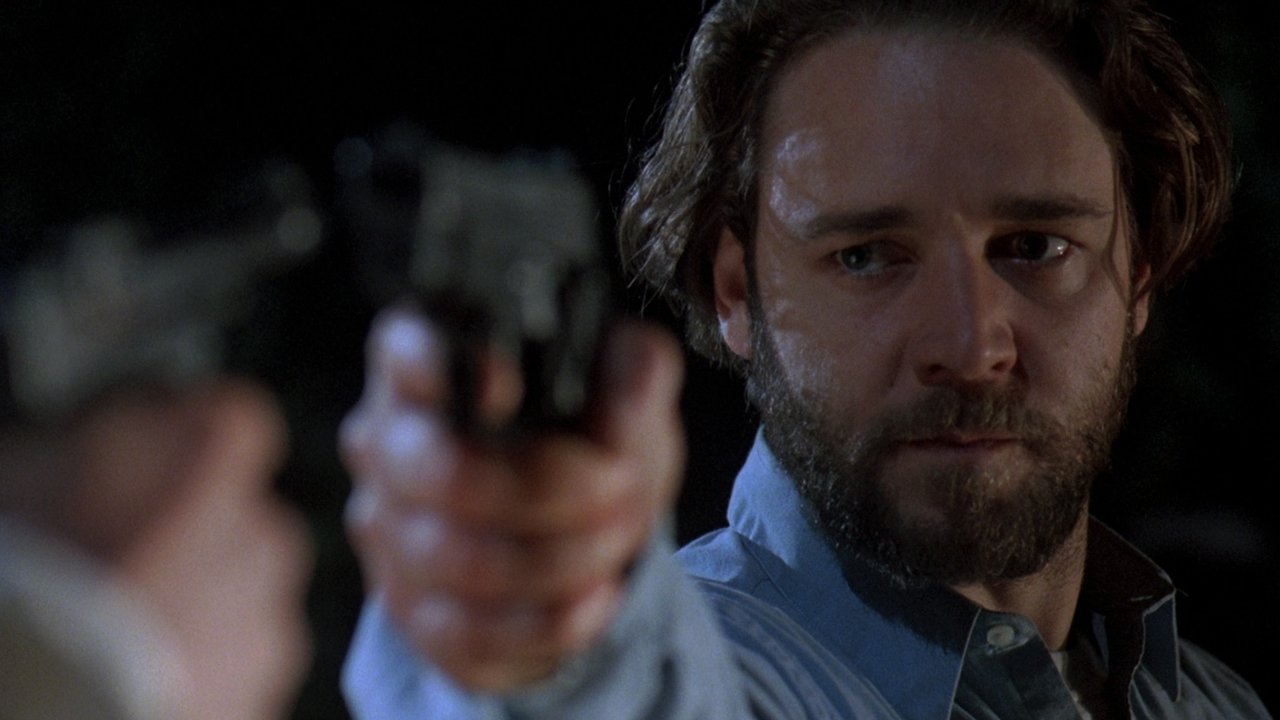
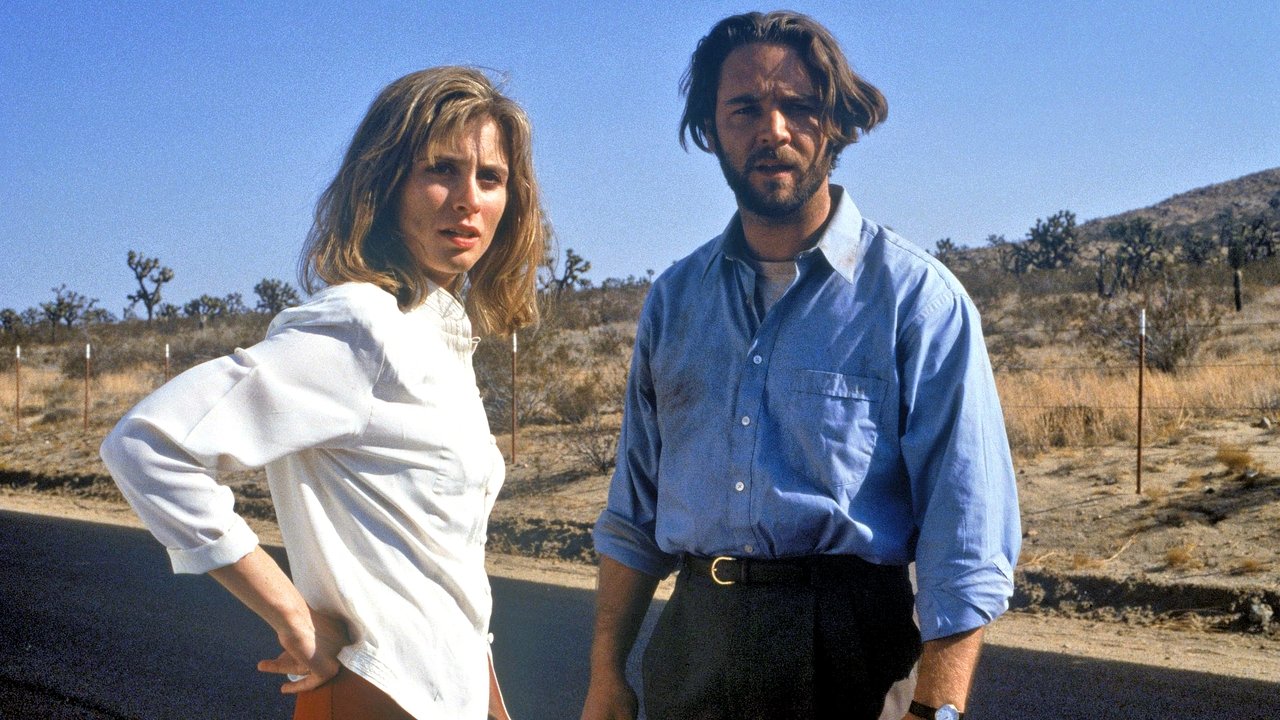
Cappello keeps the pace relentless, rarely letting up once the core trio is on the run. The synth-heavy score pulses underneath, driving the action forward, occasionally swelling into something more atmospheric during the brief moments of calm before the next storm hits. It’s not subtle filmmaking, but it’s undeniably effective at keeping you wired, wondering how this impossible situation can possibly resolve itself without everyone ending up dead. Helen Slater does solid work as Mary, managing to be more than just a screaming damsel, showing resilience and becoming an active participant in their survival, a welcome touch.
### Echoes in the Static
Is No Way Back a flawless masterpiece? Let's be honest, probably not. The plot has its contrivances, certain twists feel signposted, and some supporting characters lean towards caricature (though Michael Lerner is clearly having fun chewing scenery as the villain). You can sometimes feel the budgetary constraints tugging at the seams. Yet, there’s an undeniable charm and energy to it, a commitment to its gritty premise that resonates with the spirit of the VHS era. It delivers exactly what it promises: hard-edged action, a compelling central dynamic, and a star-making turn simmering just below the surface.
It’s the kind of film that might have gotten lost in the shuffle back then, but watching it now offers a specific kind of pleasure. It's a potent reminder of Russell Crowe's raw, early power, a solid entry in the 90s action canon, and a perfect example of the kind of dependable, visceral thrill you could reliably find scanning those video store aisles. Did it redefine the genre? No. But did it provide 90 minutes of gripping, chain-linked tension that left you feeling wrung out? Absolutely.
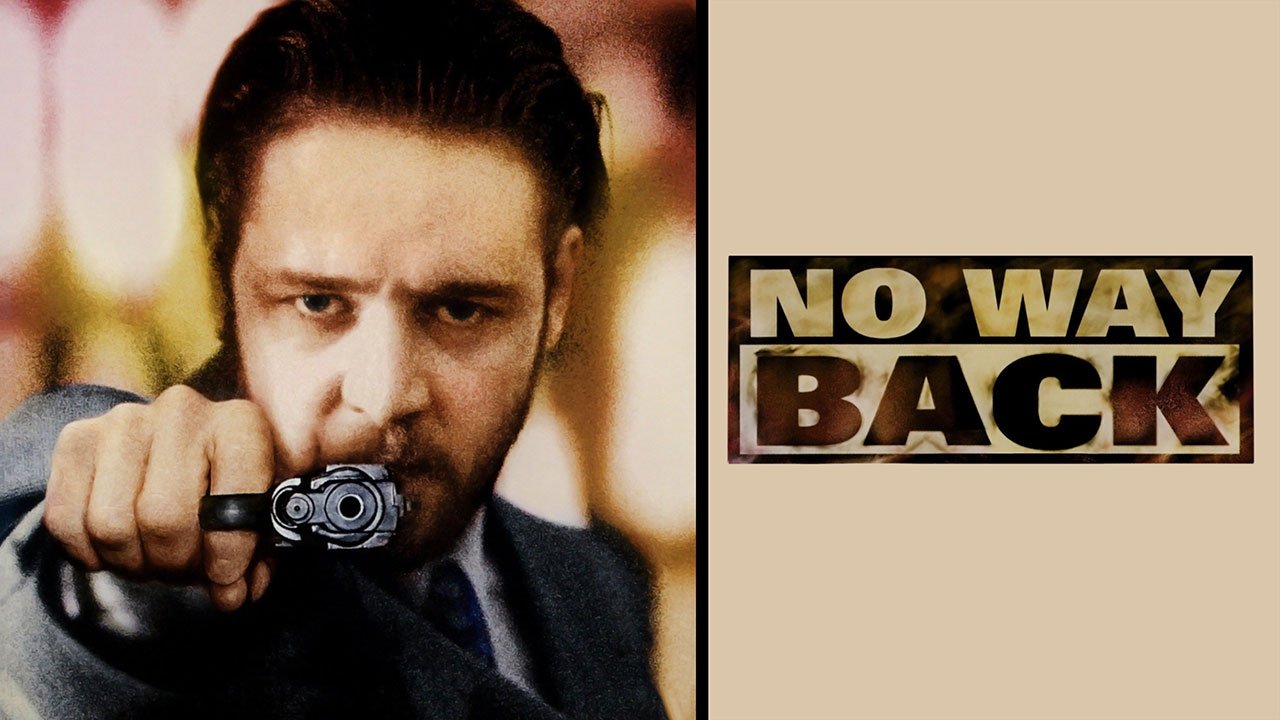
VHS Heaven Rating: 6/10
Why this score? No Way Back earns points for Russell Crowe's powerful early performance, its effective use of the "chained enemies" premise, and its delivery of solid, gritty 90s action beats. Etsushi Toyokawa and Helen Slater provide capable support. However, it loses points for a somewhat predictable plot, occasional budgetary limitations showing through, and some standard genre clichés. It’s a strong rental recommendation from the era, delivering on its core promise, even if it doesn't transcend its B-movie roots entirely.
Final Thought: More than just a footnote in Crowe's filmography, No Way Back is a time capsule – a reminder of when action felt grimy, stakes felt high, and finding a hidden gem like this on VHS felt like a genuine discovery. It may not be slick, but its raw energy still sparks.