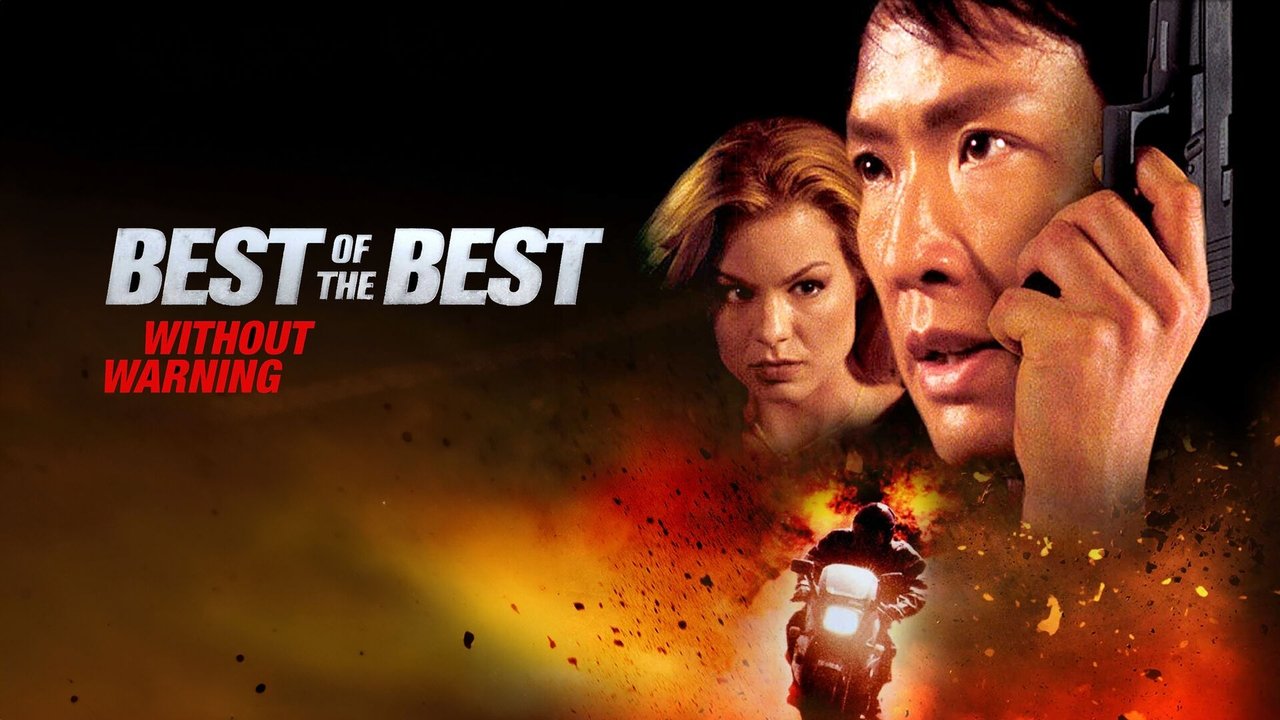
Alright, fellow tapeheads, let’s dim the lights, ignore that slight tracking fuzz at the bottom of the screen, and rewind to a time when action movie sequels could take some truly wild left turns. Remember the Best of the Best series? It started as earnest martial arts tournament drama, full of heart and high kicks. Then came Best of the Best 4: Without Warning (1998), crashing onto video store shelves like a stolen van through a warehouse door, and suddenly… Tommy Lee was John McClane? It’s a jarring shift, sure, but strap in, because this late-franchise DTV entry delivers a surprisingly punchy dose of 90s action goodness.
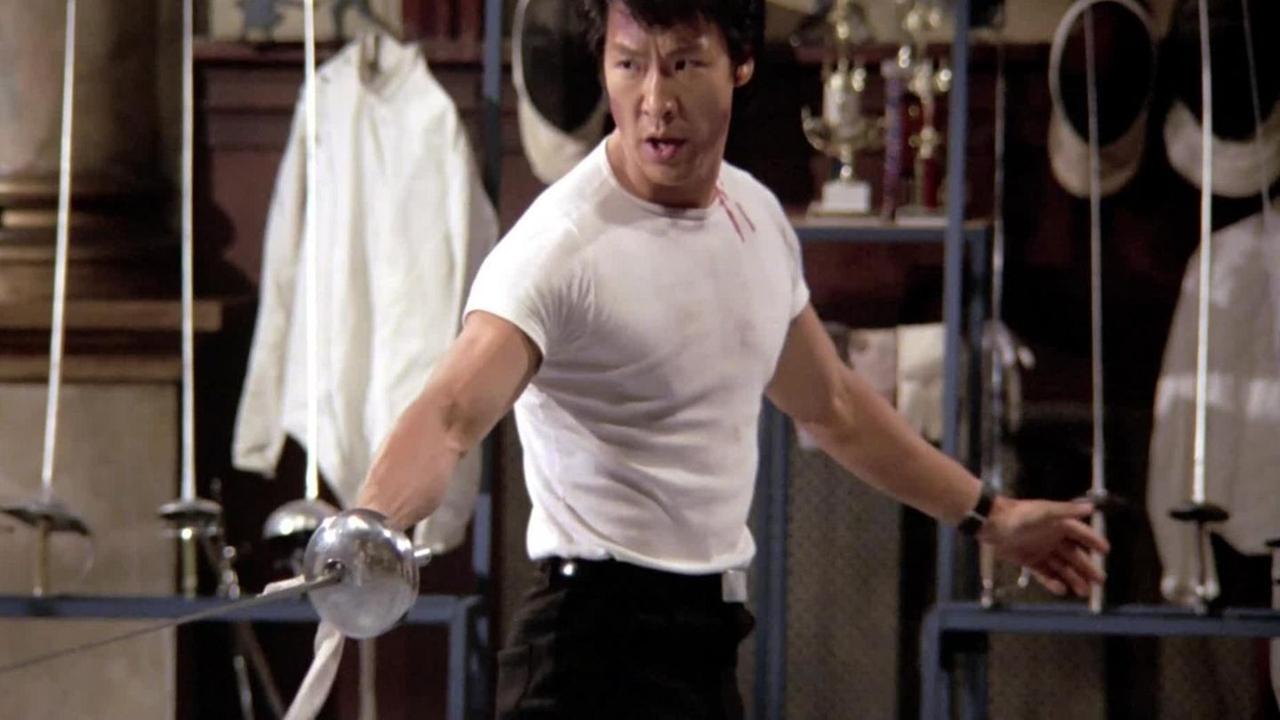
### From Dojo to Die Hard
Let's be honest, the trajectory of this franchise is kind of amazing. The first two films are pure sports drama with beautifully choreographed fights. Part 3 took a darker turn into vigilantism. But Part 4? It throws the tournament rulebook out the window entirely. Here, our hero Tommy Lee (played, written, and directed by the multi-talented Phillip Rhee) isn’t training for a competition; he’s accidentally intercepted a CD-ROM (remember those?) containing plans for a massive counterfeit money operation run by ruthless Russian mobsters. Soon, he and his daughter are trapped in a building seized by these heavily armed goons, led by a chillingly effective villain. Sound familiar? Yeah, it’s basically Die Hard in an office building, with some martial arts thrown in for good measure. And you know what? For a late 90s straight-to-video flick, it kinda works.
### Low Budget, High Impact Action
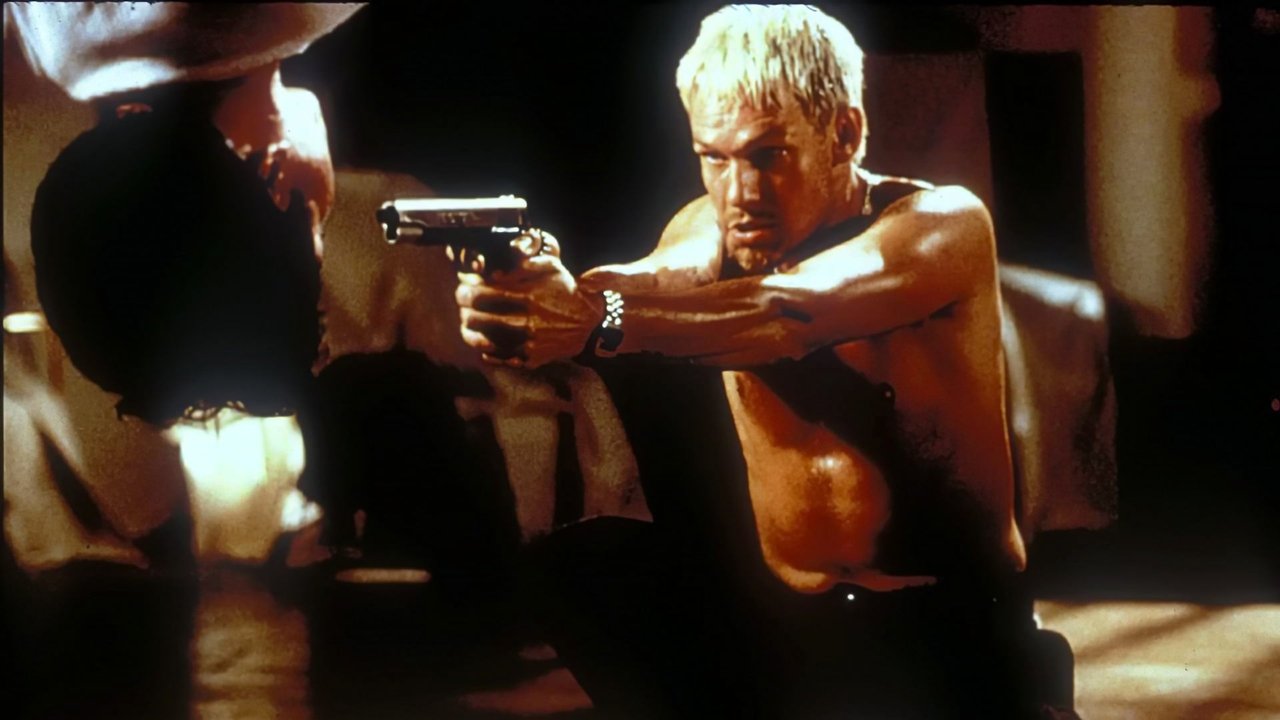
Forget the slick, physics-defying CGI ballets of today. This is pure, unadulterated 90s DTV action, built on grit and practical effects. When bullets hit walls, plaster explodes. When cars crash, metal actually crumples. And when Tommy Lee throws down, Phillip Rhee (a legitimate Taekwondo master, let's not forget) makes sure you feel the impact. The gunfights are loud and messy, full of muzzle flash that probably momentarily blinded the camera operators. There’s a raw, tactile quality to it all. Remember how real those squib hits looked back then, blossoming red on a henchman's chest? This movie delivers that visceral thrill. Rhee, pulling triple duty, clearly understood the assignment: deliver functional, exciting action sequences on what was likely a modest budget. It’s not flashy, but it’s solid, workmanlike action filmmaking that gets the job done, reminiscent of countless hours spent glued to the screen watching similar fare rented from Blockbuster on a Friday night.
One fun bit of trivia: Phillip Rhee essentially willed this film into existence, taking creative control to steer his character in this new, high-octane direction. It was a gamble, moving so far from the original concept, but it tapped directly into the thriving market for Die Hard clones that dominated video store shelves throughout the decade.
### Familiar Faces in Unexpected Places
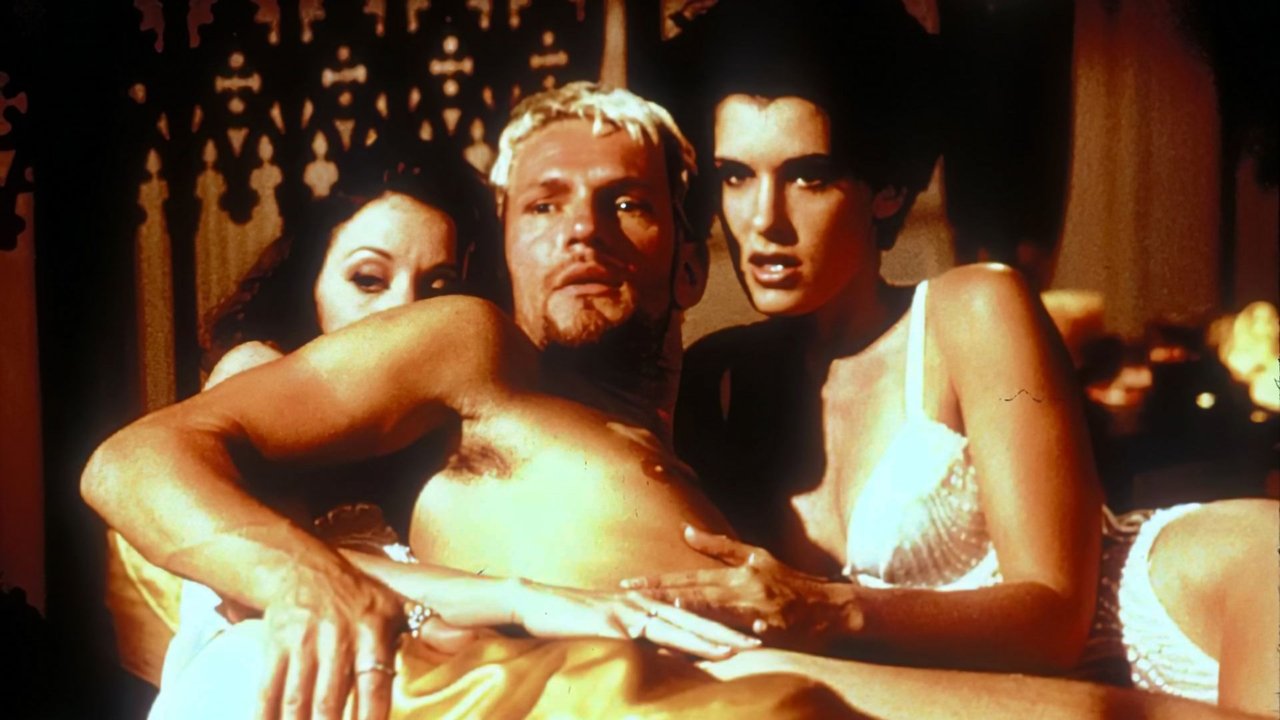
While Rhee carries the film admirably, both in front of and behind the camera, he’s got some solid support. The ever-reliable Ernie Hudson (Ghostbusters, The Crow) shows up as Detective Gresko, bringing his trademark weary authority to the proceedings. He’s the grounded cop trying to manage the chaos from the outside, a familiar but welcome archetype.
But the real standout among the supporting cast, especially viewed through today's lens, is Tobin Bell as Lukasz Slava, the main antagonist. This was years before he became iconic as Jigsaw in the Saw franchise, but you can see the seeds of that icy menace here. Bell brings a quiet intensity and genuine threat to the role, elevating Slava beyond a standard-issue Euro-villain. Watching him now, it’s a fascinating glimpse of his talent before finding his defining role. It’s one of those casting choices that gains significance in retrospect – did anyone renting this back in '98 guess they were watching a future horror legend?
### A Relic of its Time? Absolutely. Enjoyable? You Bet.
Look, Best of the Best 4 isn't high art. It's a product of its era – the dialogue can be clunky, the plot beats are familiar territory for action fans, and the tech (that CD-ROM!) is gloriously dated. But there's an undeniable charm here. It represents a specific type of filmmaking that largely disappeared with the dominance of CGI and the decline of the physical rental market. It’s earnest in its execution, delivering straightforward thrills without irony or pretension. I distinctly remember grabbing this tape off the "New Releases" wall, drawn in by the promise of Phillip Rhee kicking butt, and not being disappointed. It delivered exactly what the cover art promised: explosions, gunfire, and martial arts mayhem.
The film knows what it is – a vehicle for Rhee to showcase his action chops in a different context, tapping into a proven formula. It might lack the emotional core of the first film, but it makes up for it with sheer late-90s action movie energy.
VHS Heaven Rating: 6.5/10
The Verdict: The rating reflects its status as a surprisingly competent and enjoyable DTV actioner within its specific late-90s niche. It’s not a classic by any means, and it’s worlds away from the original Best of the Best, but Phillip Rhee delivers solid action direction and performance, Tobin Bell provides a memorable villain, and the practical stunts have that satisfying crunch we miss sometimes. It lacks the polish of bigger budget contemporaries, but easily surpasses many of its DTV brethren.
Final Thought: A fascinating franchise detour that proves sometimes, swapping a karate gi for a bulletproof vest (and a director's chair) can lead to some unexpected, explosive fun – pure, unadulterated 90s video store adrenaline.