Alright fellow tapeheads, gather ‘round the glow of the imaginary CRT. Remember those glorious days digging through the ‘World Cinema’ or sometimes bafflingly labelled ‘International’ section at the local video store? Sometimes you struck gold, sometimes… well, sometimes you got an education. And sometimes, nestled amongst the usual suspects, you found a Bollywood gem that promised double the star power, maximum masala, and songs that would burrow into your brain for weeks. Case in point: 1998’s Duplicate, a film that threw Shah Rukh Khan into not one, but two wildly different roles, and served up a uniquely 90s concoction of laughs, thrills, and questionable fashion choices.
### Double Trouble, Bollywood Style
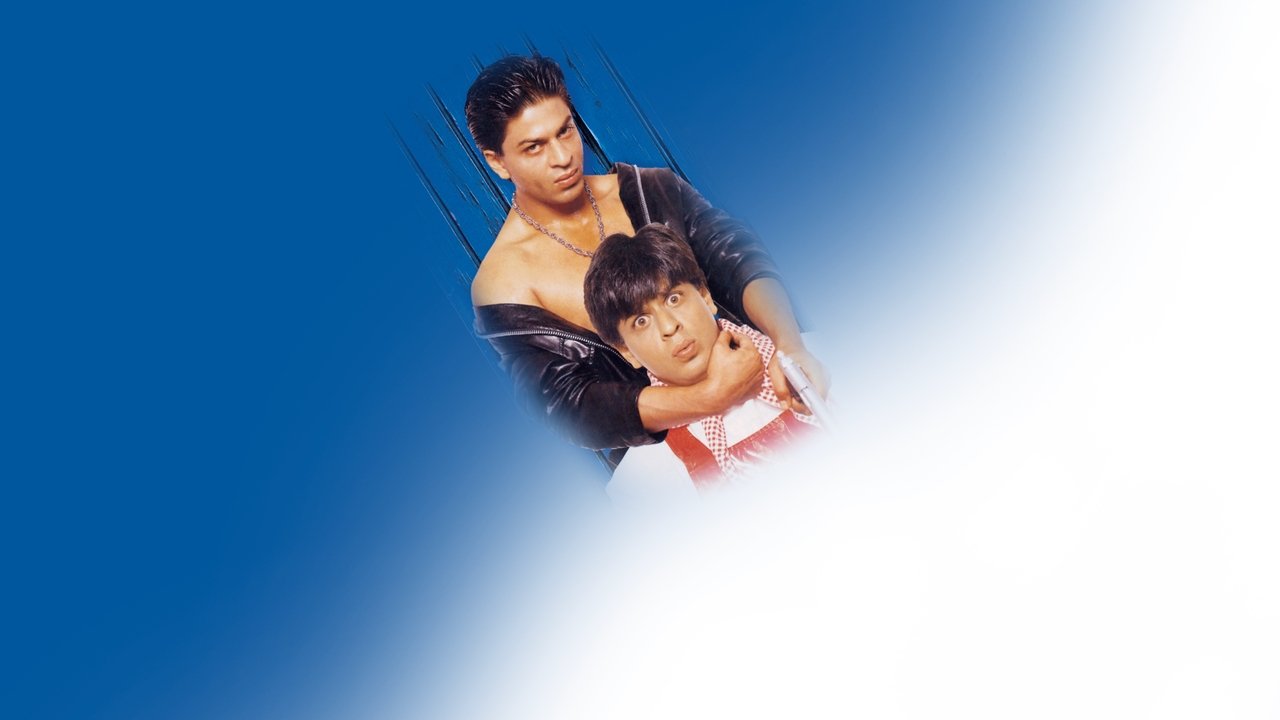
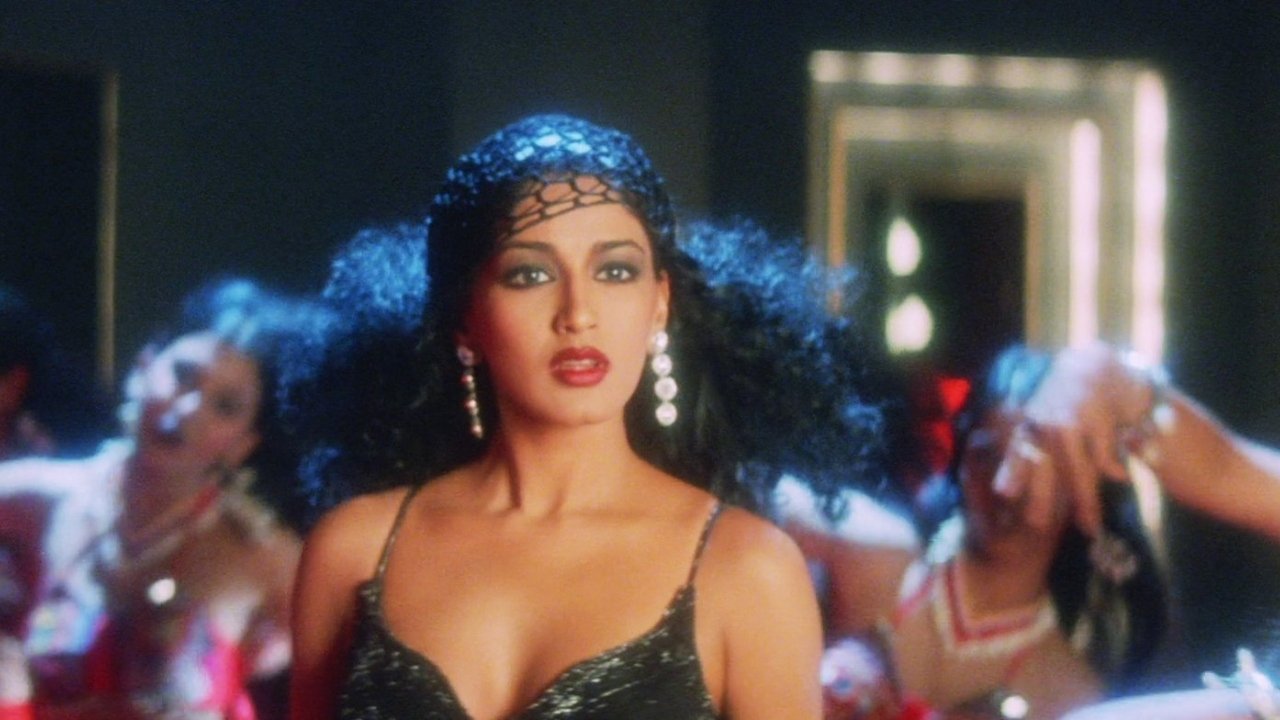
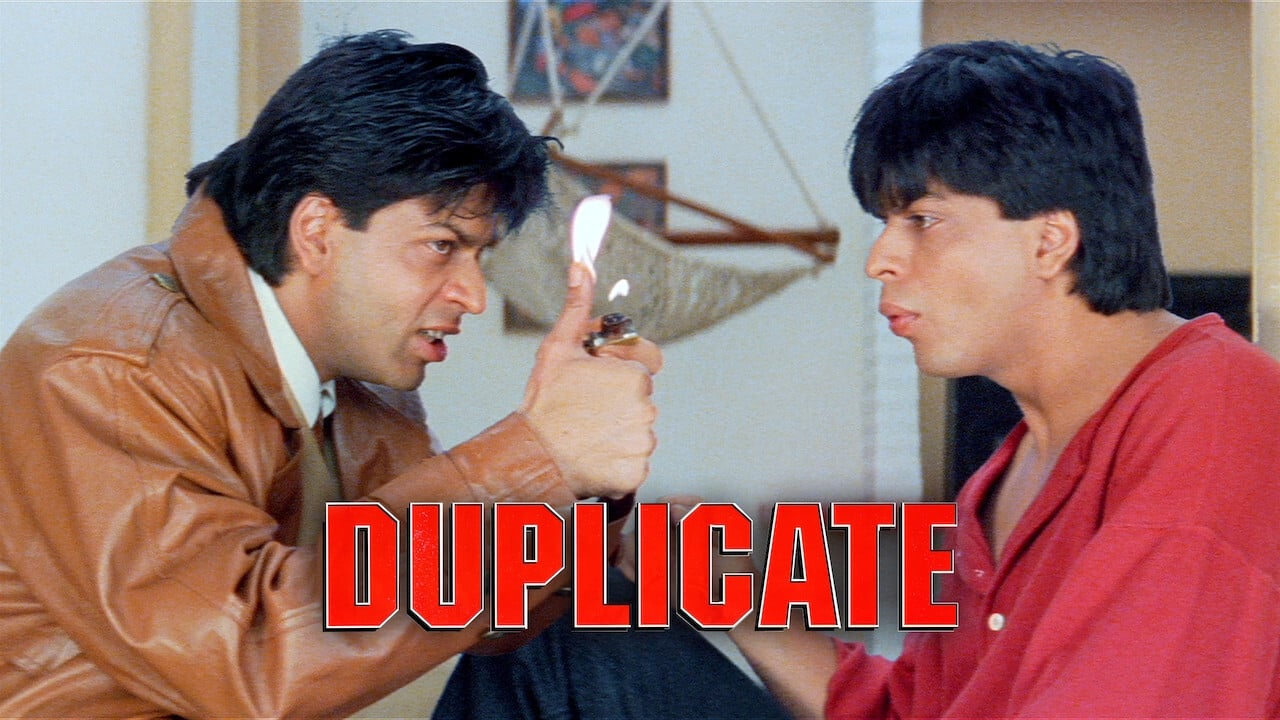
The premise is pure, glorious high-concept: Bablu Chaudhary (Shah Rukh Khan) is a sweet, goofy, aspiring chef – a lovable klutz who wouldn’t hurt a fly. Manu Dada (Shah Rukh Khan again) is his polar opposite – a ruthless, escaped convict, dripping menace and prone to breaking into snarling fits of rage. Naturally, they look identical. When Manu breaks out of prison and decides Bablu’s unassuming life is the perfect cover, chaos inevitably ensues. Bablu finds himself mistaken for the hardened criminal, while Manu tries (and often fails hilariously) to impersonate the gentle Bablu, particularly around Bablu's bubbly love interest, Sonia (Juhi Chawla), and the nightclub singer Lily (Sonali Bendre), who happens to be Manu's unwilling moll.
It’s a classic mistaken identity plot cranked up to eleven, filtered through the vibrant, everything-but-the-kitchen-sink lens of late 90s Bollywood. What makes Duplicate stick in the memory isn't necessarily groundbreaking storytelling, but the sheer commitment to its duality.
### SRK vs. SRK: A Performance Powerhouse
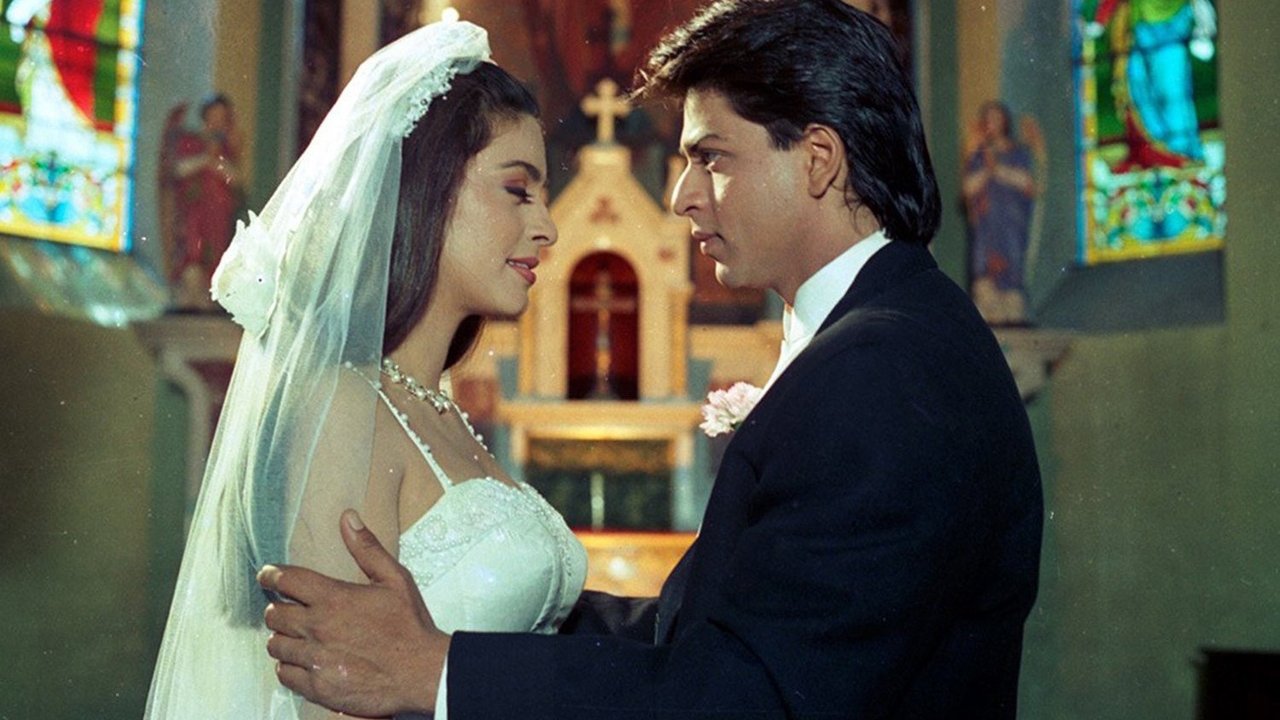
Let's be honest, the main draw here is watching Shah Rukh Khan, already a megastar by '98 after hits like Dilwale Dulhania Le Jayenge (1995), chew the scenery in two distinctly different flavours. He’s utterly charming and physically comedic as the innocent Bablu, channeling a kind of goofy energy that makes you root for him instantly. Then, he flips the switch to Manu, a genuinely intimidating figure. This wasn't SRK's first foray into negative roles – he’d already terrified audiences in Darr (1993) and Baazigar (1993) – but Manu feels different, less complexly psychological, more pure, snarling villainy. Watching him navigate both roles, sometimes in the same scene through clever (for the time) editing, is the film's primary joy. A fun bit of trivia: Karan Johar, who would soon direct SRK in the colossal hit Kuch Kuch Hota Hai (1998), actually served as an assistant director on Duplicate! You can almost feel the early stages of that iconic partnership forming.
The leading ladies are equally essential to the film's charm. Juhi Chawla, SRK's frequent co-star, is effervescent as Sonia, bringing her signature comic timing and infectious energy. Sonali Bendre sizzles as Lily, adding glamour and a touch of vulnerability beneath the tough exterior. And we can't forget the reliable Farida Jalal as Bablu's loving, perpetually worried "Bebe" (mother), grounding the absurdity with genuine heart.
### That Late 90s Masala Mix
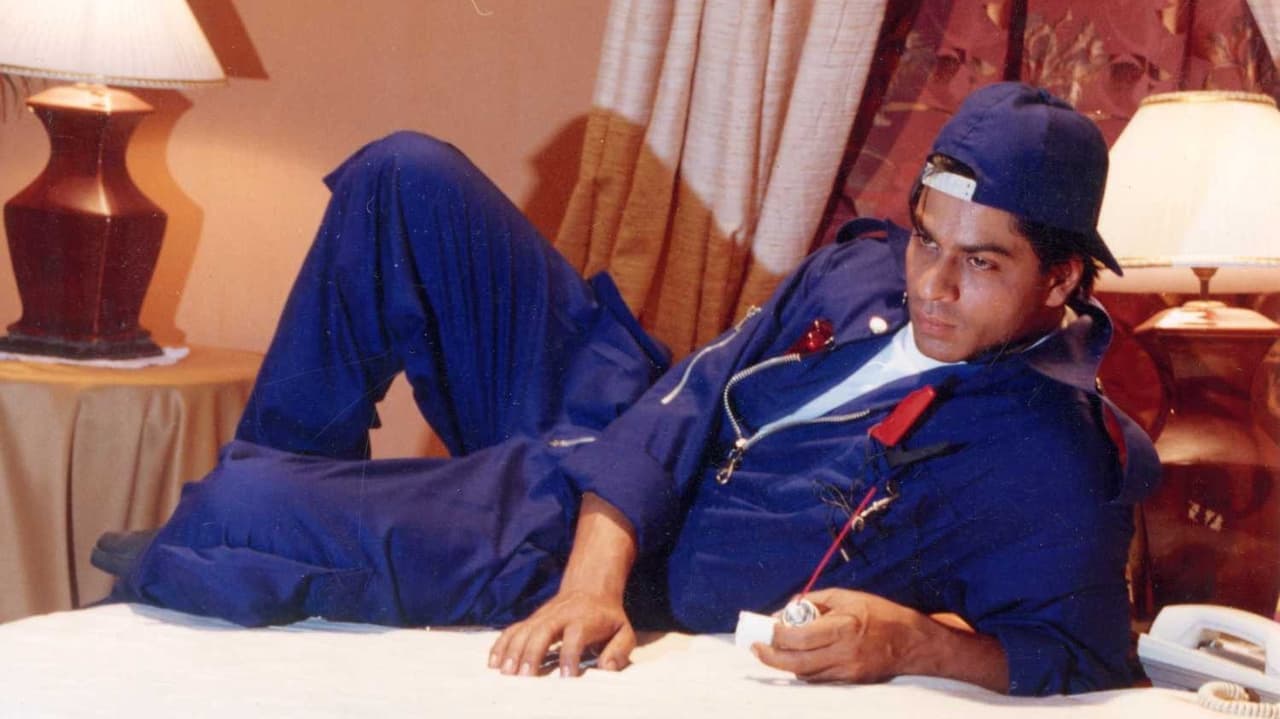
Directed by the prolific Mahesh Bhatt, known for both gritty dramas like Arth (1982) and more mainstream fare, Duplicate embodies the 'masala' filmmaking style – a bit of everything thrown into the pot. The tonal shifts can be jarring; one minute you're laughing at Bablu's slapstick antics, the next Manu is committing acts of brutal violence. It’s a blend that might feel uneven to modern eyes, but it was par for the course in much of 90s commercial Indian cinema. The action scenes, when they happen, have that distinctly physical, pre-CGI feel. Remember those punches that sounded like a sack of potatoes hitting concrete? Or the car chases that felt just a little too real because you knew those were actual cars potentially getting banged up? There’s a certain raw energy to it that slicker, modern productions often lack.
Retro Fun Fact: The film reportedly faced some production delays and budget constraints, which might explain some of the occasionally rough-around-the-edges feel, but that rawness arguably adds to its vintage charm now. It didn't set the box office on fire upon release in India, performing below expectations, but it gained a significant following on home video (yes, our beloved VHS!) and television reruns, cementing its place as a nostalgic favourite for many SRK fans.
And the music! You can't talk about 90s Bollywood without mentioning the soundtrack. Anu Malik delivered some incredibly catchy tunes here. Songs like "Mere Mehboob Mere Sanam" (with its iconic finger-snap choreography) and "Kathai Aankhon Wali" became huge hits and are still instantly recognizable earworms. The musical numbers themselves are classic Bollywood – colourful, energetic, sometimes appearing seemingly out of nowhere, but always entertaining.
### So, Does it Hold Up?
Watching Duplicate today is like unearthing a time capsule. The plot logic occasionally wobbles, the comedy can be broad, and the shifts between lighthearted romance and dark criminality are sometimes head-spinning. Yet, there's an undeniable charm and energy to it all. It’s powered by Shah Rukh Khan's dual performance, buoyed by its leading ladies, and packed with the unique flavour of its era. The film doesn't take itself too seriously, even when dealing with its villain, inviting the audience to just go along for the wild ride.
VHS Heaven Rating: 7/10
Justification: Duplicate earns a solid 7 for its sheer entertainment value, Shah Rukh Khan's powerhouse double act, memorable music, and its perfect encapsulation of late 90s Bollywood masala filmmaking. It loses points for tonal inconsistencies and a somewhat predictable plot, but its energy and charm more than compensate, especially viewed through a nostalgic lens.
Final Thought: For a double dose of 90s SRK wrapped in a package of comedy, action, romance, and unforgettable songs, popping Duplicate into the VCR (or your modern equivalent) is like revisiting an old, slightly chaotic, but ultimately very entertaining friend. Just embrace the madness.