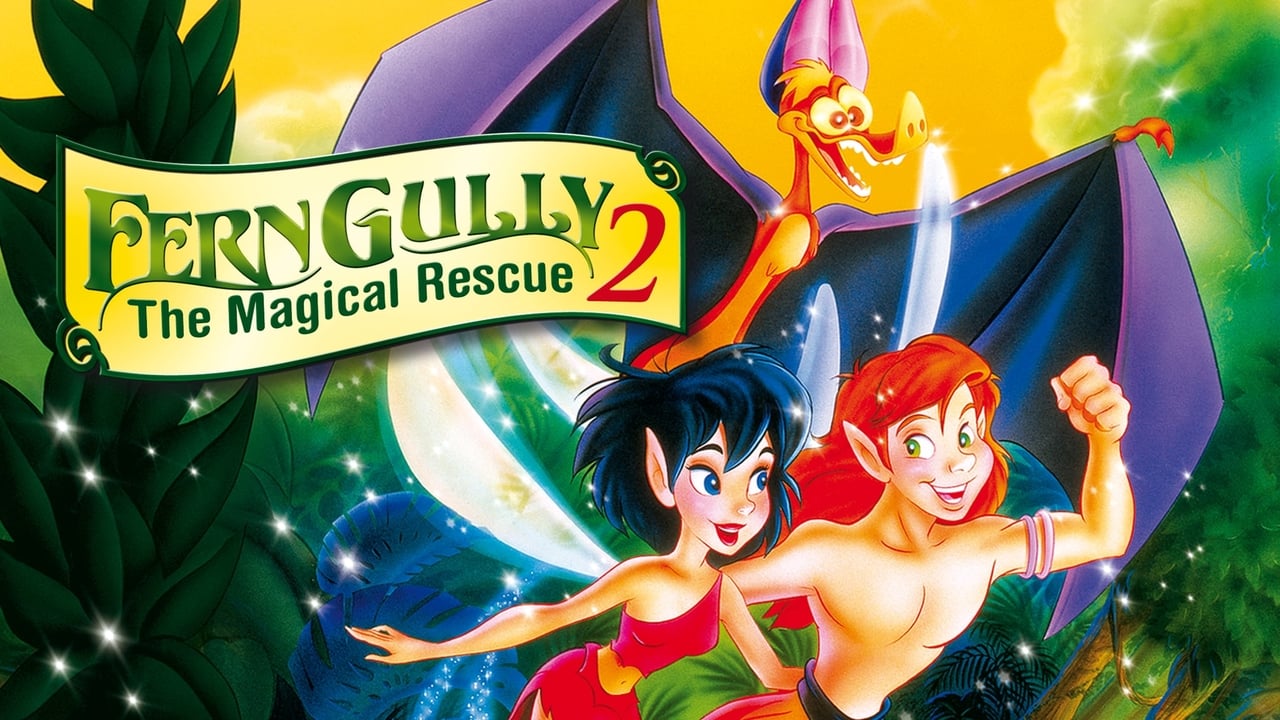
The fluorescent lights of the video rental store hummed a familiar tune, aisles packed with plastic clamshell promises of adventure. Sometimes, nestled between the big hitters, you'd find them – the direct-to-video sequels to films you loved. They held a certain mystery. Would they recapture the magic? Would they be… okay? That was often the feeling spotting the cover for FernGully 2: The Magical Rescue (1998), a follow-up that landed on shelves six years after the enchanting, ecologically-minded original captured our imaginations. It promised a return to that miniature world, but the adventure waiting inside felt distinctly different.
Return to the Rainforest, Different Path
This time, the threat isn't the smoggy embodiment of pollution, Hexxus, but something sadly more tangible: animal poachers. When Budgie, a baby kangaroo, and several other animal friends are snatched from the rainforest, Crysta, Pips, the Beetle Boys, and a somewhat frazzled Batty Koda embark on a rescue mission that takes them beyond the familiar canopy and into the unfamiliar, human world (specifically, a circus). Directed by Phil Robinson and Dave Marshall, and penned by Richard Tulloch and Chris Fink, the story shifts from mystical environmentalism to a more straightforward action-adventure plot. It's a simpler narrative, perhaps aimed squarely at the younger end of the original's audience, focusing on the immediate peril of captured creatures rather than the creeping dread of habitat destruction.
The Animation Shift and That Batty-Sized Absence
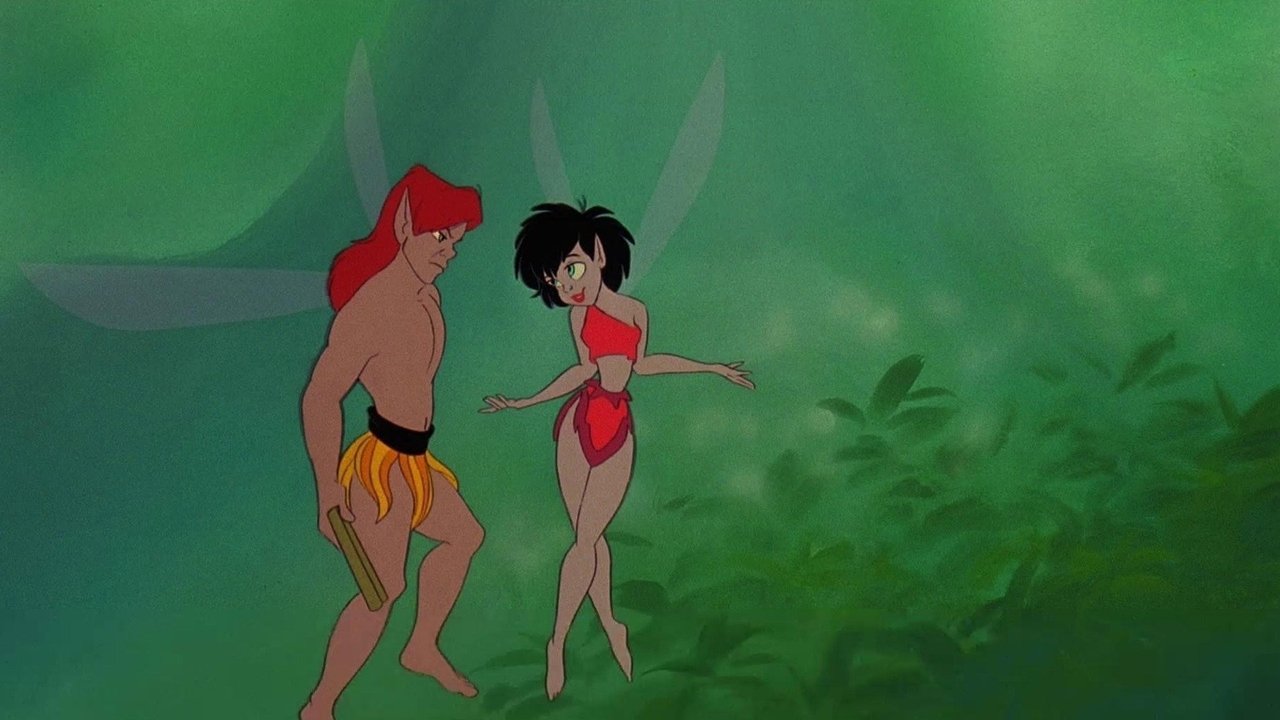
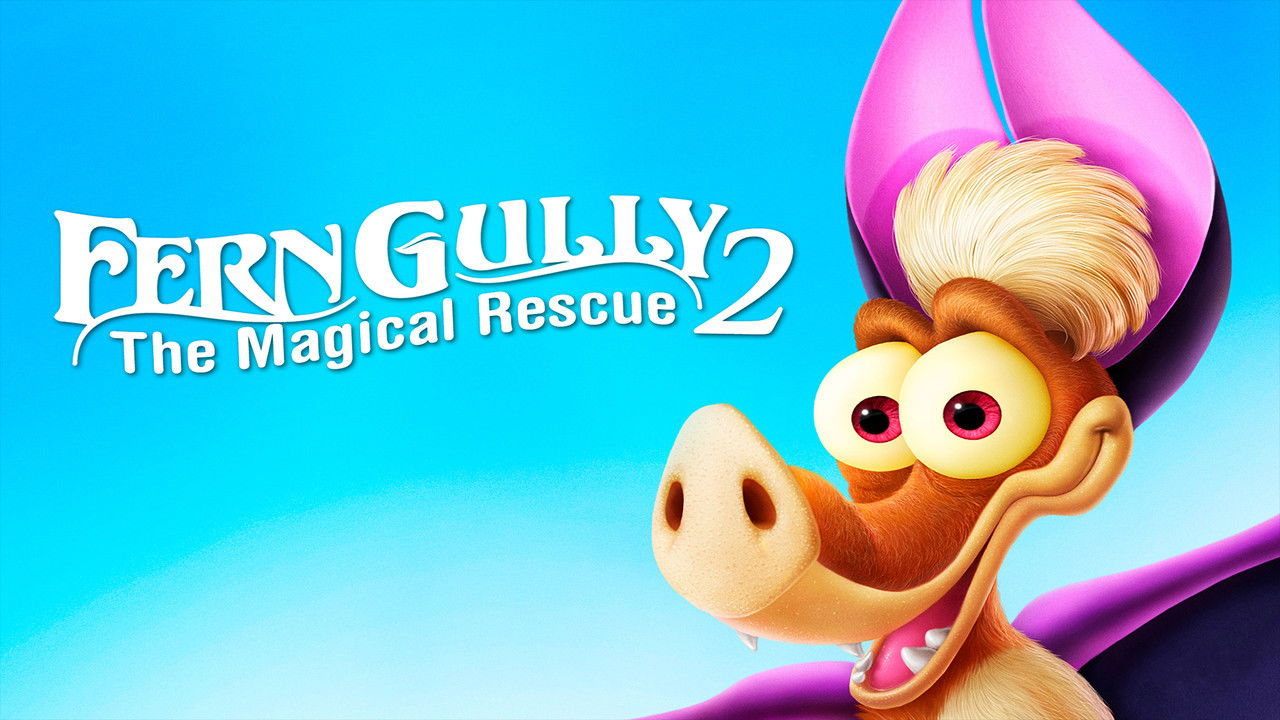
Let's be honest, the first thing many of us noticed was the animation. While the original FernGully: The Last Rainforest (1992) boasted lush, fluid animation overseen by veteran animators like Bill Kroyer, FernGully 2 carries the distinct look and feel of many 90s direct-to-video productions. Handled by the animation house Wild Brain (known for work on shows like Teletubbies later on) for 20th Century Fox Home Entertainment, it's competent and colourful, certainly a step above Saturday morning cartoons of the era, but lacks the almost painterly depth and dynamic character movement of its predecessor. The rainforest feels a little less alive, the character designs occasionally a touch flatter. It's functional, serving the story well enough, but doesn't quite inspire the same visual awe.
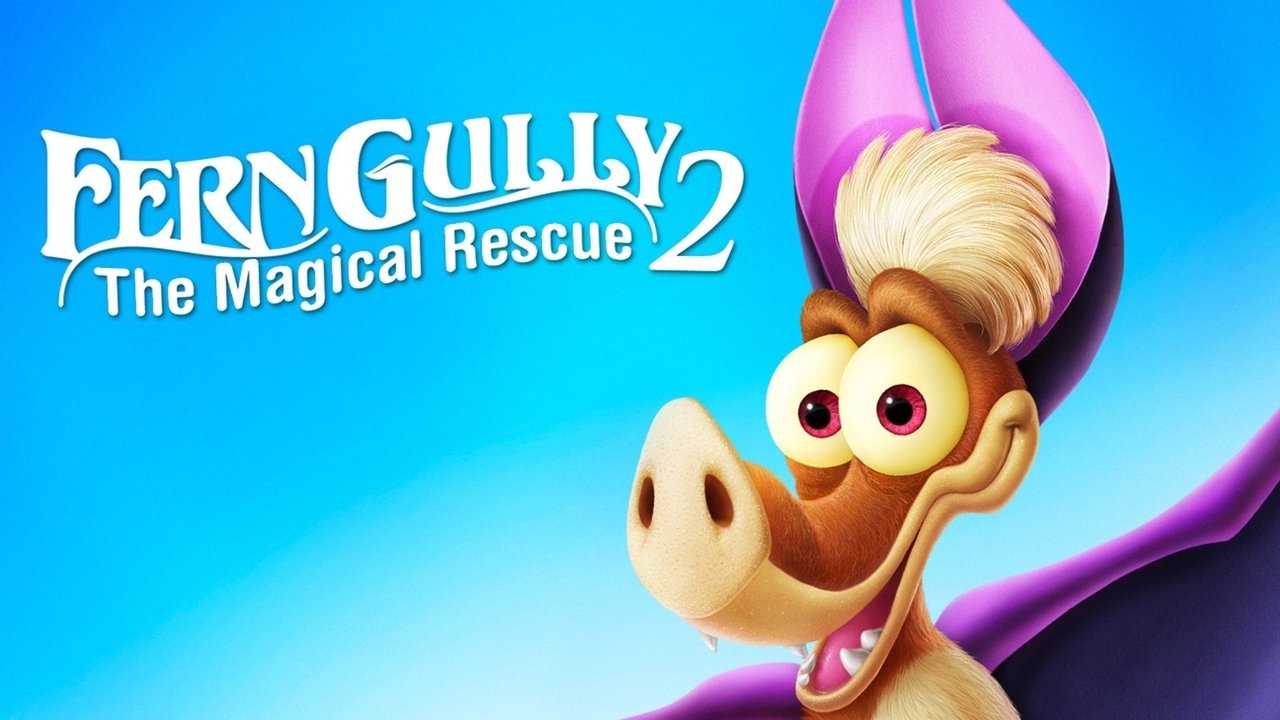
And then there's the elephant—or perhaps, the fruit bat—in the room. The absence of Robin Williams as Batty Koda is palpable. Williams' manic, hilarious, and surprisingly heartfelt performance was a massive part of the original's charm. Stepping into those very large (and winged) shoes was voice actor Matt K. Miller (known for various anime dubs and smaller roles). Miller does a valiant job, capturing some of Batty's frantic energy and tics, but it's an impossible task to replicate Williams' unique improvisational genius. The character is still present, still provides comic relief, but feels noticeably… different. Similarly, Laura Erlich takes over as Crysta and Holly Conner voices Pips, delivering earnest performances but inevitably lacking the specific chemistry of the original cast.
Retro Fun Facts: The DTV Sequel Scene
FernGully 2's existence is very much a product of its time. The 1990s saw a boom in direct-to-video sequels, particularly for animated features. Disney was churning out follow-ups to Aladdin, The Lion King, and others, proving there was a hungry home video market. Fox clearly saw an opportunity with FernGully. While the original cost around $24 million and grossed a respectable $32.7 million worldwide (plus strong video sales), this sequel was undoubtedly produced on a tighter budget specifically for VHS release, aiming to capitalize on the name recognition. This DTV model often meant different animation studios and recast voices, as securing A-list talent like Williams for a non-theatrical project was usually prohibitively expensive. The shift in plot focus – from the abstract threat of pollution (Hexxus) to the concrete villains of poachers – also feels typical of DTV sequels aiming for simpler, more easily marketable storylines.
A Gentler Magic, A Milder Rescue
Despite the changes and the shadow cast by the original, FernGully 2 isn't without its gentle charms. The environmental message, though shifted to animal trafficking, remains positive. The core characters are still likable, and their determination to save their friends is easy to root for. There are moments of fun, particularly involving the bumbling poachers and Batty's attempts to navigate the human world. It lacks the emotional weight and sheer imaginative spark of the first film – the soundtrack is less memorable, the stakes feel lower – but as a straightforward adventure for younger viewers, it delivers a perfectly pleasant, if unremarkable, 75 minutes. For those of us who wore out our FernGully tapes, finding this sequel felt like discovering a bonus episode, even if it wasn't quite the main event. It was another trip, however brief, back to a world we'd grown fond of.
VHS Heaven Rating: 5/10
FernGully 2: The Magical Rescue gets a 5 out of 10. It’s a perfectly watchable, harmless direct-to-video sequel that suffers primarily from comparisons to its far superior predecessor. The animation is standard for 90s DTV fare, the voice cast changes (especially Batty) are noticeable, and the story lacks the depth and magic of the original. However, it retains a gentle spirit, carries a positive (if simplified) message, and offers a mild dose of nostalgia for those who remember discovering it on the rental shelves. It doesn't tarnish the original, but it doesn't quite live up to its legacy either.