Okay, fellow travelers of the tape-tracked past, let’s rewind to a time when cinematic magic felt truly handcrafted, sometimes bizarre, and utterly captivating. Remember pulling that slightly oversized Disney clamshell case off the shelf? The one with the enormous, glowing fruit promising an adventure unlike any other? I'm talking about 1996's James and the Giant Peach, a film that beautifully blended the whimsical with the slightly wicked, much like the Roald Dahl book it sprang from. It wasn't just a movie; it felt like opening a secret door into a world both delightful and just a little bit dangerous, perfectly capturing that unique Dahl flavour.
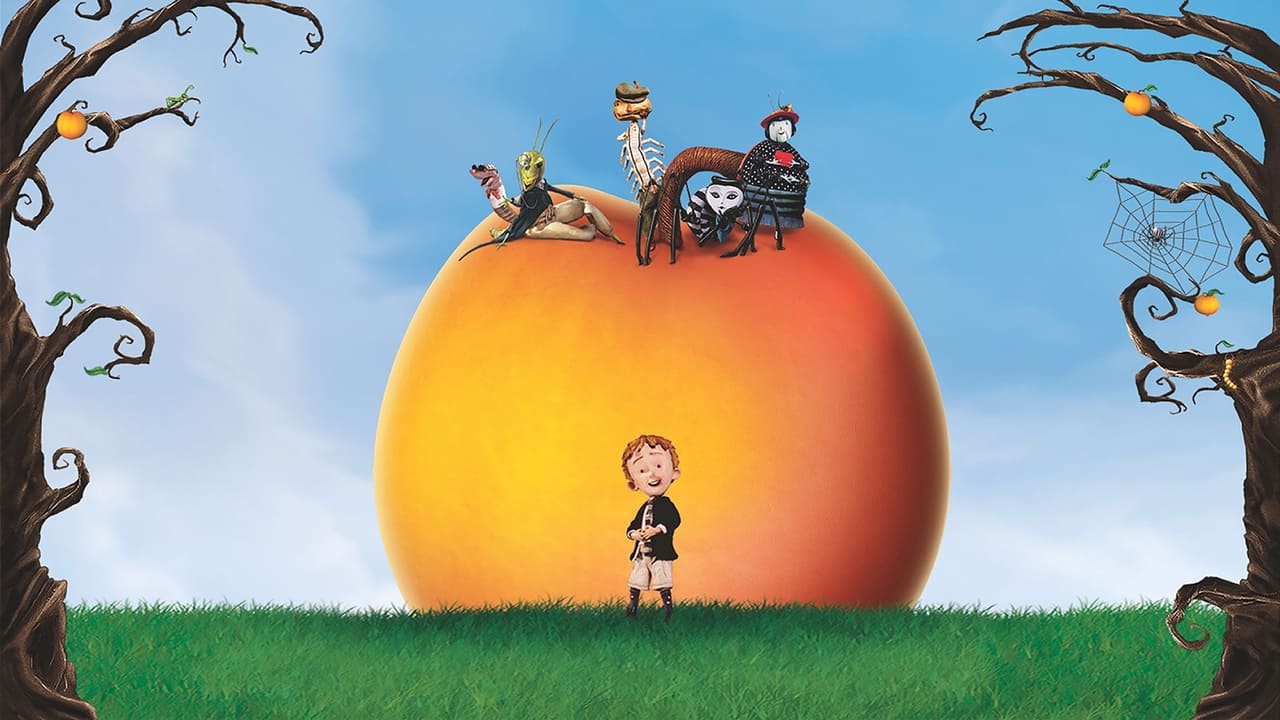
The film starts us off in a rather grim reality, rendered in live-action that feels deliberately drab and oppressive. We meet poor James Henry Trotter, played with wide-eyed vulnerability by Paul Terry, orphaned and thrust into the miserable care of his truly grotesque aunts, Spiker and Sponge. Played with villainous glee by Miriam Margolyes and Joanna Lumley respectively, they’re the kind of cartoonishly cruel guardians Dahl excelled at creating – figures you genuinely rooted against with every fiber of your being. I distinctly recall finding them genuinely unsettling as a kid, their exaggerated awfulness making James's eventual escape all the sweeter.
A World Within a Peach
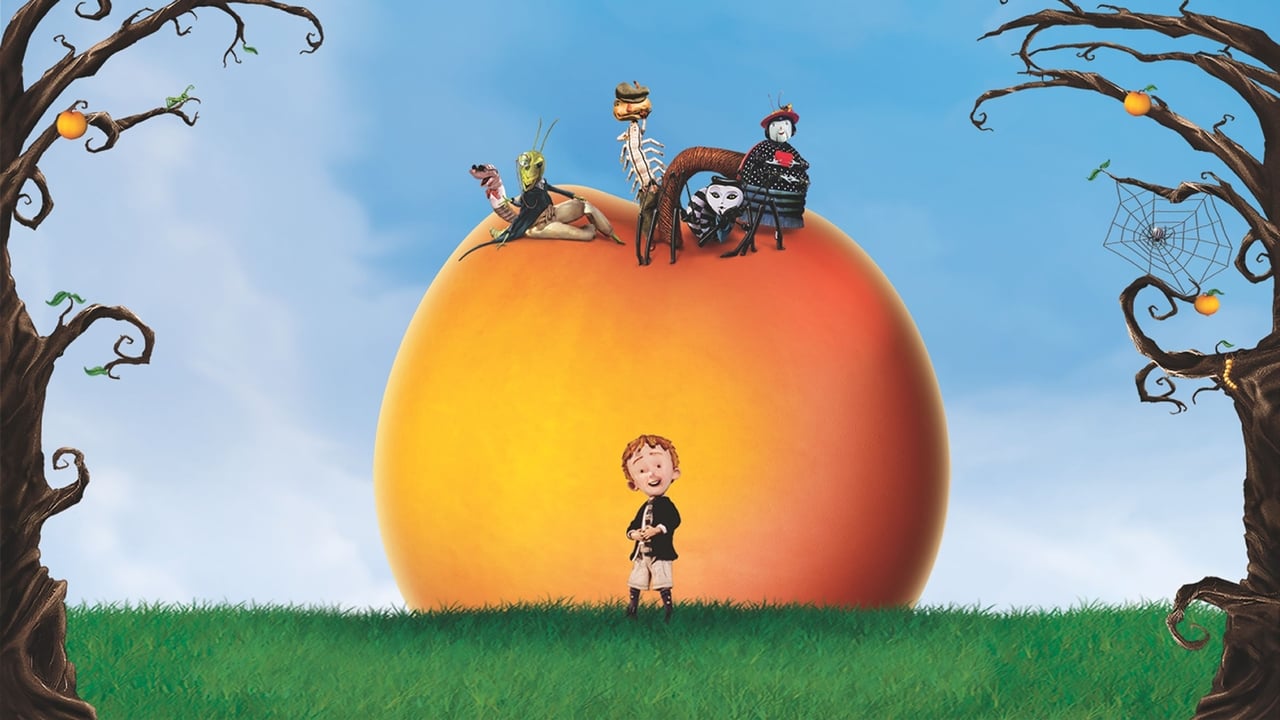
Everything changes, of course, with the arrival of mysterious "crocodile tongues" from a cryptic old man (Pete Postlethwaite). This dash of inexplicable magic leads not to giant crocodiles, but to a single peach on a barren tree swelling to impossible proportions. And when James crawls inside? The film blossoms. The dreary live-action melts away, replaced by the tactile wonder of stop-motion animation, a signature style helmed by director Henry Selick, who had already mesmerized us just a few years prior with The Nightmare Before Christmas (1993).
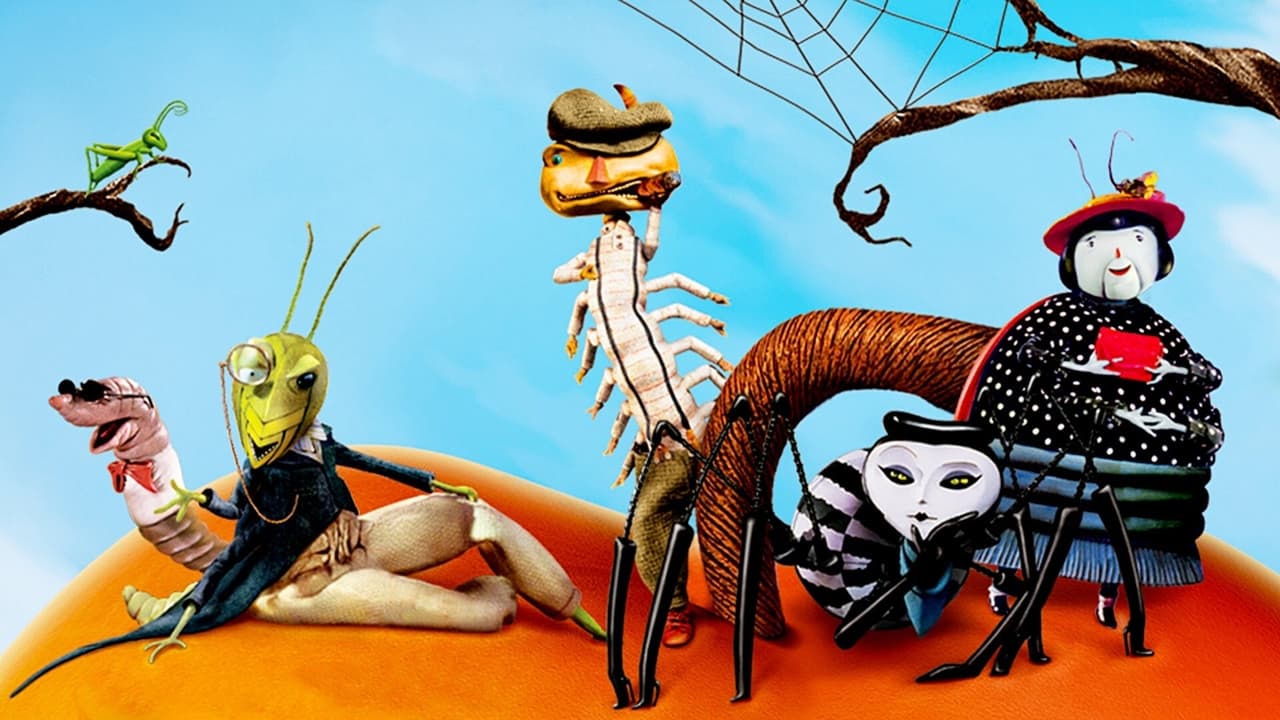
Inside the peach, James finds not just refuge, but a family – albeit an arthropod one. This is where the film truly comes alive, introducing a cast of instantly memorable insect companions voiced by a stellar lineup: the debonair Grasshopper (Simon Callow), the grumpy Centipede (Richard Dreyfuss), the nurturing Ladybug (Jane Leeves), the anxious Earthworm (David Thewlis), the elegant Spider (Susan Sarandon), and the near-blind Glowworm (Miriam Margolyes, pulling double duty). Their interactions, full of bickering, bravery, and burgeoning friendship, form the warm heart beating within the fantastical journey.
Across the Atlantic, Frame by Frame
Their voyage across the ocean, powered by seagulls and sheer hope, is a marvel of imagination and painstaking craft. Selick and his team created a world that felt tangible, textured, and alive. Remember the thrilling, slightly scary encounter with the mechanical shark? Or the surreal detour through icy waters inhabited by skeletal pirates led by a stop-motion Captain Jack Skellington cameo? These sequences showcased the incredible potential of stop-motion to bring the impossible to life. It’s worth remembering the sheer effort involved – the animation process for James and the Giant Peach reportedly took over 20 months of meticulous, frame-by-frame work. That dedication shines through in every scene, from the subtle movements of the characters to the inventive ways they navigated their perilous journey.
Adapting Roald Dahl is notoriously tricky; his blend of dark humour, genuine threat, and underlying warmth can be elusive. But writers Karey Kirkpatrick, Jonathan Roberts, and Steve Bloom managed to capture that spirit, softening some edges perhaps, but retaining the core adventure and emotional resonance. Adding another layer of magic is the wonderful score and songs by Randy Newman. His music perfectly complements the film's shifting tones, from the melancholy of James's early life ("My Name Is James") to the joyous optimism of their adventure ("Eating the Peach"), adding depth and catchiness in equal measure.
Retro Fun Facts & Peachy Keen Details
While James and the Giant Peach is fondly remembered now, it wasn't a runaway blockbuster back in '96. It grossed around $28.9 million domestically against a production budget estimated at $38 million. Like many future cult classics, its true magic seemed to spread more effectively through word-of-mouth and the burgeoning home video market. Finding this gem felt like uncovering a special secret on the video store shelf. The combination of live-action bookends and a stop-motion center was also a bold artistic choice, setting it apart visually. Fun fact: look closely during the skeletal pirate sequence – that's Captain Jack Skellington from The Nightmare Before Christmas making a clever cameo as the pirate captain! It’s a fun nod between Selick’s two iconic stop-motion worlds.
A Timeless Tale of Found Family
What makes James and the Giant Peach endure? It's more than just nostalgia for the animation style. It’s a heartfelt story about escaping misery and finding your chosen family in the unlikeliest of places (and species!). It champions kindness, ingenuity, and the courage to face down bullies, whether they're ghastly aunts or mechanical sharks. The film manages to be sweet without being saccharine, and adventurous without losing its emotional core. It remains a visually stunning piece of filmmaking, a testament to the artistry of stop-motion, and a reminder that sometimes the strangest journeys lead to the happiest destinations.

VHS Heaven Rating: 9/10
This rating feels absolutely earned. James and the Giant Peach is a triumph of adaptation and animation. It captures the unique spirit of Roald Dahl, delivering a visually spectacular and emotionally resonant adventure fueled by incredible stop-motion artistry, memorable characters, and Randy Newman's perfect score. While its initial reception might have been modest, its journey into the hearts of viewers via VHS cemented its status as a cherished, slightly quirky classic. It’s a film that celebrates imagination and the magic that can bloom even from the most barren ground.
It remains a wonderfully weird, utterly charming adventure – a unique flavour of fantasy that feels perfectly preserved on those cherished tapes from yesteryear.