It rarely arrives with fanfare, this kind of film. Not on a wave of blockbuster hype, but more like drifting into view on a murky tide, demanding your attention through sheer, unsettling presence. Serdar Akar's 1998 debut feature, Gemide (released internationally as On Board), is precisely that kind of vessel – a rusting, claustrophobic cargo ship of a movie that anchors itself deep in your consciousness long after the grainy VHS flicker fades to black. Forget slick Hollywood productions; this is Turkish cinema stripped bare, raw, and utterly compelling.

Adrift in a Sea of Bad Choices
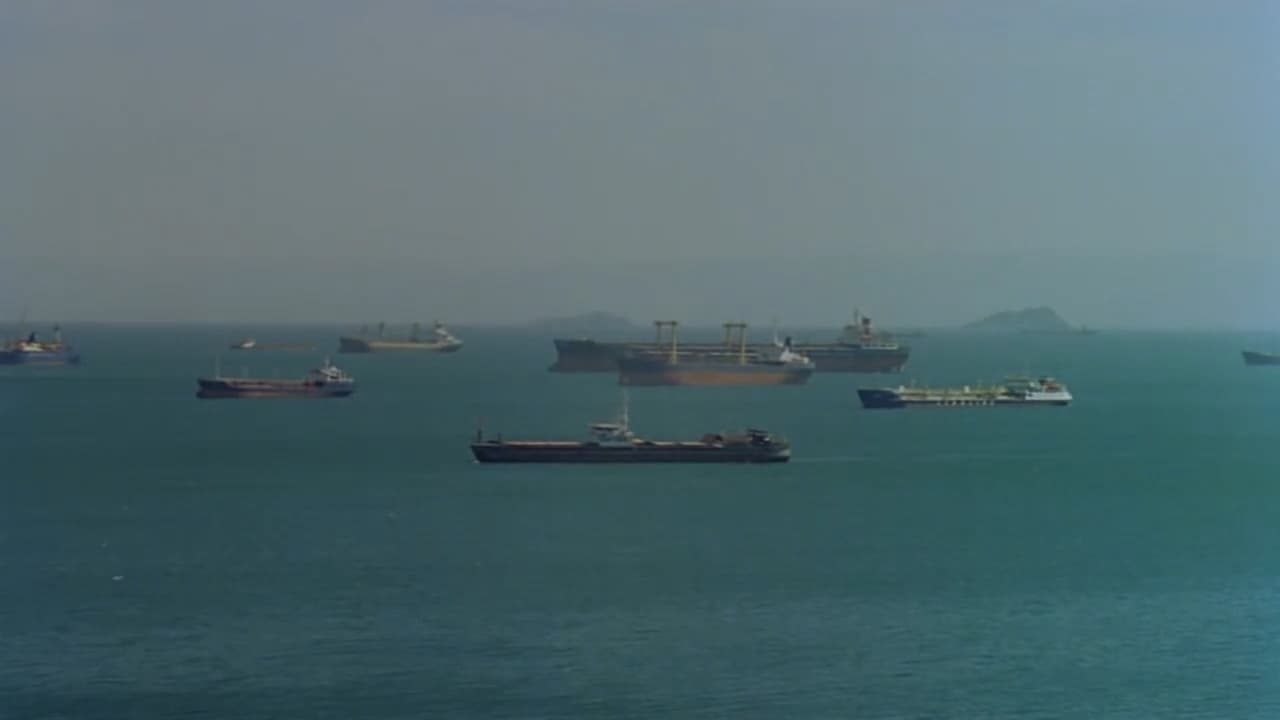
The premise is starkly simple, almost primal. A small crew of sailors, led by the weary Captain İdris (Erkan Can), are stuck on their dilapidated ship anchored just off the coast of Istanbul. Days bleed into nights fueled by cheap booze, simmering resentment, and a profound sense of isolation. When Laleli (Ella Manea), a Romanian prostitute, is brought aboard after a disastrous, drug-fueled shore leave goes violently wrong, the ship transforms from a floating purgatory into a pressure cooker. What unfolds isn't a tidy narrative of redemption or clear-cut morality, but a messy, often brutal examination of flawed men backed into a corner, making one terrible decision after another.
The Weight of Authenticity

What immediately sets On Board apart is its suffocating atmosphere. You can almost smell the stale cigarette smoke, the engine oil, the desperation clinging to the bulkheads. Akar, in his first directorial outing, made the crucial decision to shoot on a real, working (or perhaps barely working) cargo ship. This wasn't some sterile studio set; it was the Mavi Marmara (yes, that Mavi Marmara, years before its later notoriety), and its cramped corridors, grimy cabins, and weather-beaten decks become as vital to the story as any character. This commitment to realism permeates every frame, forcing an intimacy that's both uncomfortable and riveting. You're not just watching these men; you're trapped with them. This wasn't a big-budget affair, and that constraint arguably became its greatest strength, demanding ingenuity and fostering a vérité feel that CGI and pristine sets could never replicate. The slightly grainy, unpolished look many of us likely first experienced on a rented tape only intensified this sense of immediacy, didn't it? Like watching illicit footage smuggled off the docks.
A Captain on the Brink
At the heart of the storm is Erkan Can's unforgettable performance as Captain İdris. It’s a masterclass in contained turmoil. Can embodies the weight of nominal authority crumbling under pressure. He’s not a villain, nor entirely a victim; he’s a man whose moral compass is spinning wildly, trying to maintain order while navigating the escalating chaos caused by his volatile crewmates, particularly the dangerously unpredictable Kamil (Haldun Boysan) and the younger, more impressionable Ali (Yıldıray Şahinler). Can swept Best Actor awards at the prestigious Antalya Golden Orange Film Festival for this role, and it’s easy to see why. His portrayal feels devastatingly real – the weariness in his eyes, the moments of helpless anger, the flicker of conscience almost extinguished by circumstance. It’s the kind of nuanced performance that anchors the film’s challenging themes.

Pushing Boundaries, Telling Two Sides
On Board wasn't just notable for its raw realism; it was audacious. The dialogue, thick with slang and profanity, felt shockingly authentic for Turkish cinema at the time, reflecting the harsh vernacular of its setting rather than sanitized movie-speak. It tackled taboo subjects head-on, refusing easy answers or moralizing. But perhaps its most innovative aspect lies in its companion piece. Akar followed Gemide with Laleli'de Bir Azize (A Madonna in Laleli) just a year later. This second film revisits the same core events but tells the story from the perspective of the abducted woman, Laleli. Seeing her side of the ordeal adds layers of complexity and tragedy, transforming On Board's narrative from a self-contained nightmare into one part of a larger, more devastating picture. It was a bold, almost experimental approach for the time, creating a diptych that deepened the impact of both films. Finding both tapes back in the day? That felt like unearthing a hidden cinematic secret.
Legacy of Grit
Watching On Board today, it feels like a vital piece of late 90s world cinema, a powerful counterpoint to the glossier exports often seen from other regions. It’s a film that trusts its audience to grapple with ambiguity, to sit with discomfort. It doesn't offer catharsis easily. What does it leave us with? Perhaps a sobering reflection on how quickly civility can erode under pressure, how isolation can warp judgment, and the unseen struggles playing out just beyond the shimmering surface of a city skyline. Does the film condemn these men, or does it simply present their desperate reality without flinching?
It’s certainly not a comfortable watch, and its bleakness and rough edges might not be for everyone. But for those who appreciate unflinching realism, powerhouse performances, and cinema that dares to stare into the abyss, On Board is a profoundly rewarding experience. It's a reminder that sometimes the most resonant stories aren't found in grand epics, but in the confined spaces where human nature is put to the ultimate test.

Rating: 8.5/10
Justification: On Board earns its high score through its potent combination of suffocating atmosphere, exceptional and authentic performances (especially Erkan Can's), and its unflinching, groundbreaking realism within the context of late 90s Turkish cinema. The bold narrative choice to create a companion film further elevates its artistic merit. While its raw content makes it challenging, its craft and thematic depth are undeniable.
Final Thought: More than just a movie, On Board feels like a transmission from a forgotten frequency – raw, urgent, and impossible to ignore once you've tuned in. It’s a film that lingers, like the salty air and the ghosts of bad decisions made on a lonely sea.