Okay, pull up a chair, maybe dim the lights a bit. We're diving into a film that doesn’t just ask you to watch it, it demands you wrestle with it, maybe even dream about it later. I'm talking about David Lynch's mesmerising, maddening, and utterly unforgettable Mulholland Dr. (initially conceived in 1999, released 2001). This isn't your typical Friday night rental comfort food, even by cult classic standards. It's more like a cinematic puzzle box delivered in the dead of night, beautiful on the outside, but filled with shadows and unsettling truths about Tinseltown and the dreams it manufactures – and crushes.
### The Winding Road to Nowhere and Everywhere
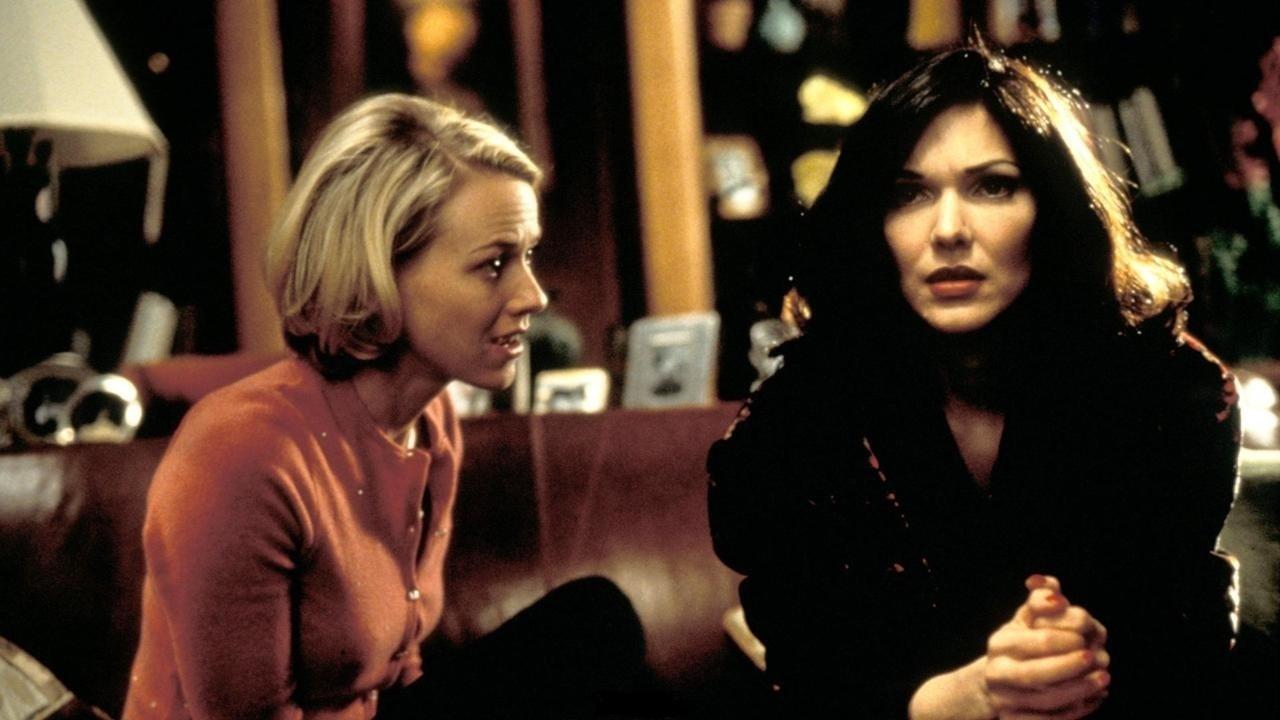
What even is Mulholland Dr.? It begins, deceptively perhaps, as a noir-tinged mystery. A beautiful woman (Laura Harring) survives a car crash on the titular Los Angeles road, stumbling away with amnesia and a purse full of cash. She finds refuge in the apartment of Betty Elms (Naomi Watts), a bright-eyed aspiring actress newly arrived from Deep River, Ontario, brimming with wholesome optimism. Together, "Rita" (as the amnesiac calls herself, inspired by a Rita Hayworth poster) and Betty try to piece together Rita’s identity. But this is Lynch, so that straightforward premise quickly dissolves into something far stranger, fragmented, and deeply unsettling.
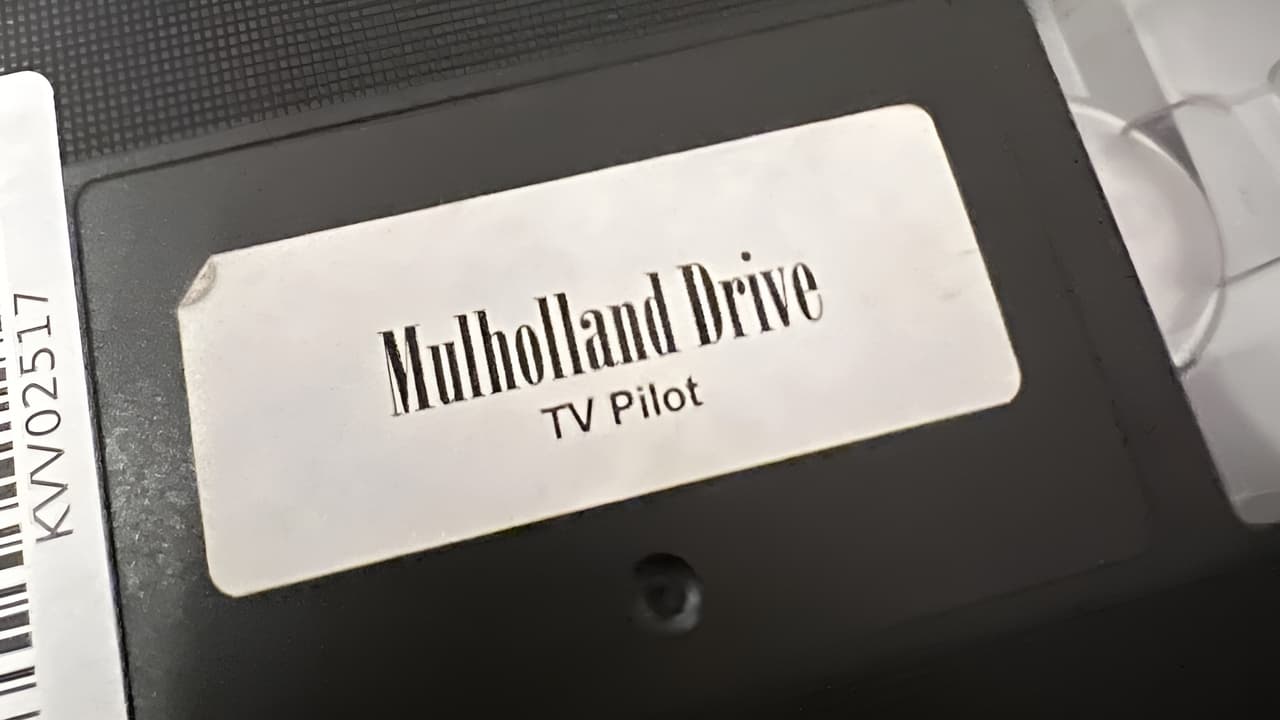
This film has one of the most fascinating backstories, essential for understanding its unique, sometimes disjointed feel. It began life in 1999 as a TV pilot for ABC. Can you imagine? Network executives, expecting perhaps a quirkier Twin Peaks, were reportedly baffled by Lynch's submitted cut. When they passed, Lynch, rather than abandoning the project, secured $7 million from French company StudioCanal (added to the original $8 million pilot budget) and shot additional scenes, transforming his aborted pilot into the feature film we know today. Knowing this doesn't "solve" the film, but it illuminates its bifurcated structure and the way certain plot threads seem to appear or vanish – remnants of a different intended narrative path, now woven into a cinematic dreamscape.
### Hollywood Babylon, Lynch Style
The film is steeped in the intoxicating, dangerous allure of Hollywood. Betty’s wide-eyed wonder as she arrives is palpable; it’s the dream so many chase. But Lynch constantly contrasts this with the lurking darkness: the ominous figures pulling strings behind the scenes, the compromised director (Justin Theroux, perfectly capturing creative frustration under duress), the casting couch politics hinted at with unnerving subtlety. It's a place where identity is fluid, where personas are adopted and discarded, and where the gulf between the dazzling surface and the often rotten core can swallow you whole.
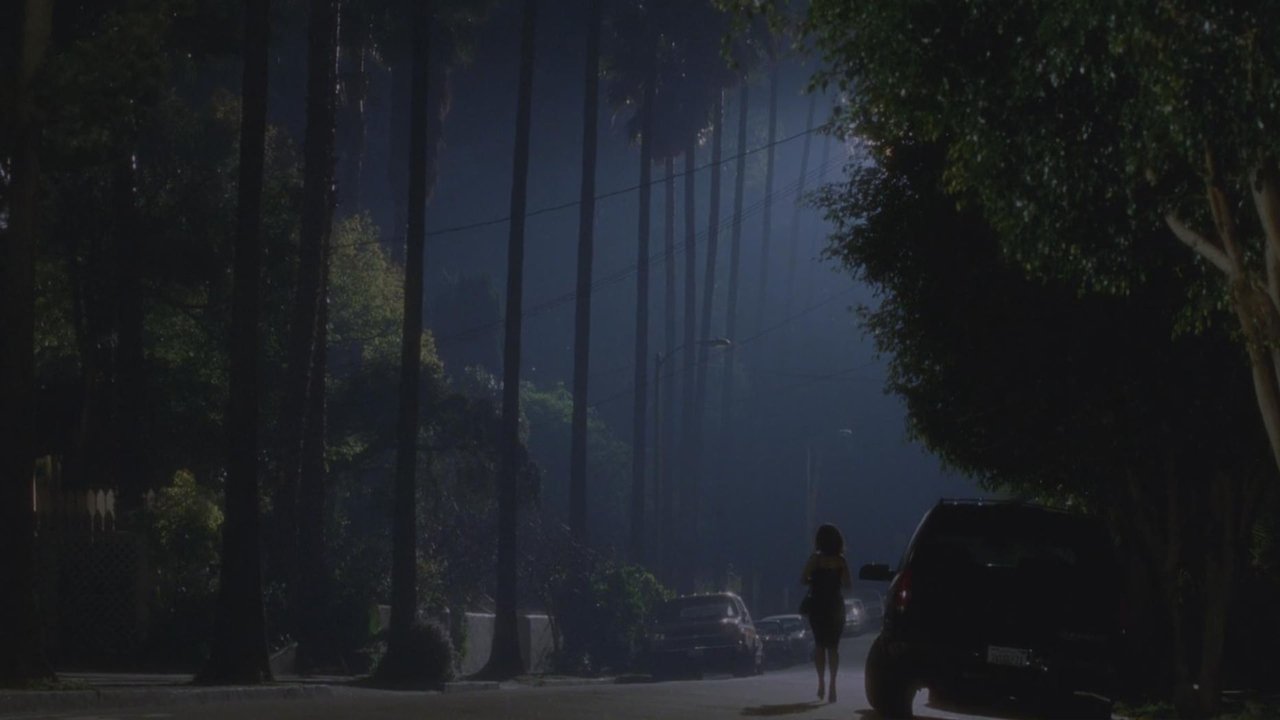
Lynch masterfully crafts an atmosphere thick with dread and possibility. The sun-drenched LA brightness often feels precarious, ready to curdle at any moment. Familiar noir tropes – the amnesiac, the mysterious cash, the femme fatale aura – are invoked only to be subverted and twisted into Lynchian shapes. The sound design, as always with Lynch, is crucial, a low hum of anxiety punctuated by moments of startling silence or uncanny noise.
### A Star is Born (Twice Over?)
This film simply wouldn't work without its central performances, particularly Naomi Watts. Her transformation is astonishing. She embodies Betty's naive yearning with such infectious sincerity, making her later shifts all the more devastating. It's a performance of incredible range and vulnerability, a true breakout role that announced a major talent. Laura Harring is equally compelling as Rita/Camilla, her expressive eyes conveying worlds of confusion, fear, and buried knowledge. Their chemistry is electric, forming the magnetic, emotional core around which the film's fractured realities revolve. Lynch has a knack for casting, often trusting intuition over résumés – he reportedly chose both Watts and Harring primarily based on their headshots and brief meetings – and here, his instincts were spot-on.
### Club Silencio and the Blue Box
Certain sequences burn themselves into your memory. The audition scene where Betty unleashes unexpected power, showcasing the hidden depths beneath her sunny exterior. The terrifying encounter behind Winkie's diner, a masterclass in building suspense from seemingly mundane conversation. And of course, the legendary Club Silencio scene. "No hay banda! There is no band... It is all a recording." Rebekah Del Rio's raw, a cappella performance of "Llorando" (Roy Orbison's "Crying" in Spanish) is breathtakingly beautiful and heartbreakingly meta, stripping away illusion to reveal pure, unvarnished emotion. It’s a moment that feels like the key to something, even if the lock remains elusive.
And what about that blue box and key? They become potent symbols, objects imbued with mystery and desire, representing perhaps the gateway between dream and reality, innocence and experience, or something else entirely. Lynch famously offered "10 clues to unlocking the thriller" with the original DVD release, a playful nod to the film's enigmatic nature, acknowledging our urge to solve it while simultaneously suggesting that maybe, just maybe, understanding isn't the point.
### Lingering Echoes on the Drive
Mulholland Dr. isn't a film you passively watch; it’s an experience you absorb, debate, and revisit. It resists easy interpretation, inviting endless speculation about its structure (is the first part a dream? whose dream?), its characters' true identities, and its ultimate meaning. Is it a scathing critique of the Hollywood machine? A tragic love story warped by jealousy and failure? A meditation on the fractured nature of self? Perhaps it's all of these and more.
For those of us who remember the late 90s/early 2000s transition, discovering Mulholland Dr. perhaps not on a dusty VHS but maybe as one of those early, intriguing DVDs in the 'Independent' or 'Cult' section of the video store, felt like unearthing something potent and grown-up. It wasn't always comfortable, but it was undeniably powerful cinema. It’s a film that proves David Lynch, even when repurposing rejected television, operates on a frequency entirely his own.
Rating: 9.5/10
Justification: This score reflects the film's sheer artistic ambition, masterful direction, unforgettable atmosphere, and powerhouse performances, particularly from Naomi Watts. It's a landmark of surrealist cinema and a haunting exploration of its themes. The slight deduction acknowledges its deliberately challenging and potentially alienating nature for some viewers, stemming partly from its unique TV-pilot-to-feature origin, which leaves some narrative threads feeling less resolved than others. However, its status as a complex, endlessly debatable masterpiece is undeniable.
Final Thought: What lingers most isn't a clear narrative solution, but a feeling – a potent blend of beauty, dread, and sorrow, like waking from a vivid dream you can't quite shake.