It’s strange how certain films lodge themselves in your memory, not necessarily for being masterpieces, but for possessing a peculiar, earnest charm. Duets (2000) is one such film for me. Arriving just as the new millennium dawned and the last embers of the VHS era were glowing, it felt like a slightly awkward guest at the cinematic party – full of heart, maybe a little unsure of itself, but undeniably memorable for its collection of wandering souls brought together by the unlikely siren song of competitive karaoke. It’s a film that asks, sometimes plaintively, sometimes with surprising force: can singing someone else's song help you find your own voice?

A Chorus of Lonely Hearts
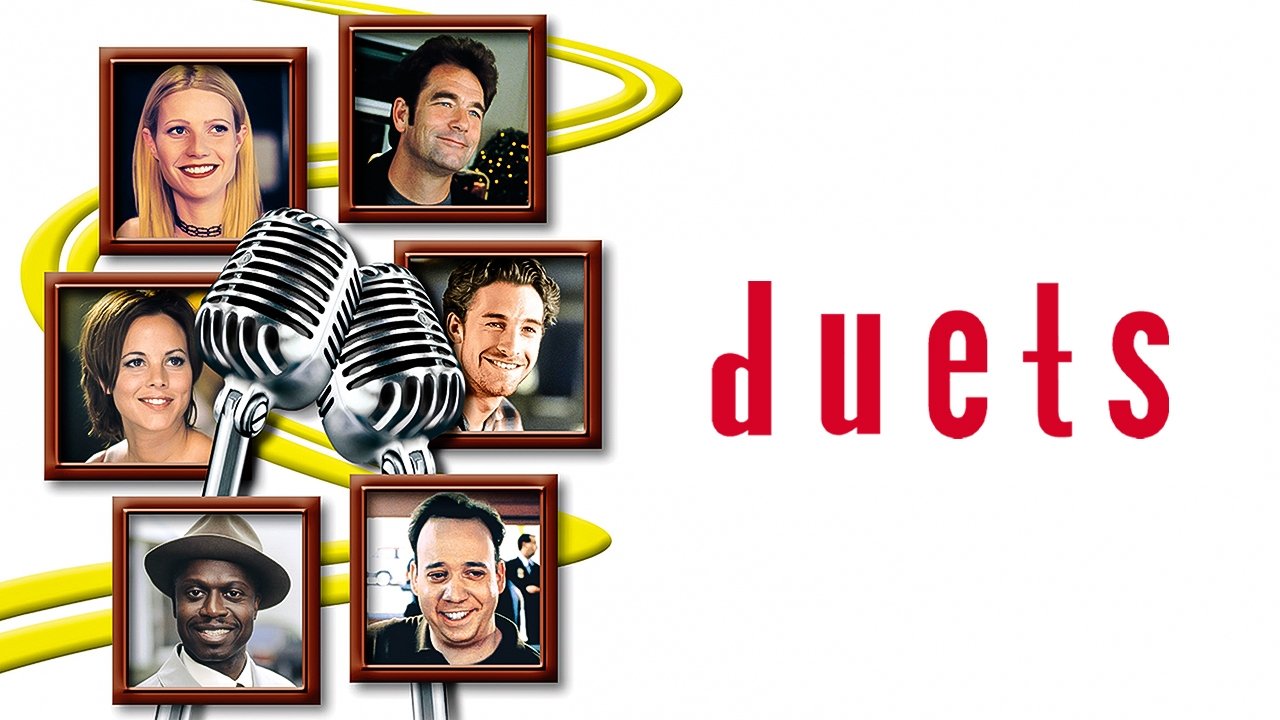
The premise, penned by John Byrum (who originally wrote it way back in the mid-80s!), weaves together disparate lives converging on a $5,000 karaoke contest in Omaha. We have Ricky Dean (Huey Lewis, yes, that Huey Lewis, surprisingly effective), a karaoke hustler whose past catches up with him in the form of Liv (Gwyneth Paltrow), the daughter he never knew he had. There’s Todd Woods (Paul Giamatti), a desperately stressed salesman whose soul seems to fray with every mile marker, finding a bizarre, aggressive release on the karaoke stage. Suzi Loomis (Maria Bello) is chasing dreams with a mix of cynicism and hope, bouncing between partners and places. And perhaps most compellingly, there’s Reggie Kane (Andre Braugher), an escaped convict with a voice like velvet and weary eyes, who forms an uneasy alliance with Billy (Scott Speedman), a young cab driver initially just looking for a fare. Each storyline feels like a verse in a larger, slightly melancholic song about searching for connection in the vast, impersonal landscape of America.
Finding Harmony in Performance
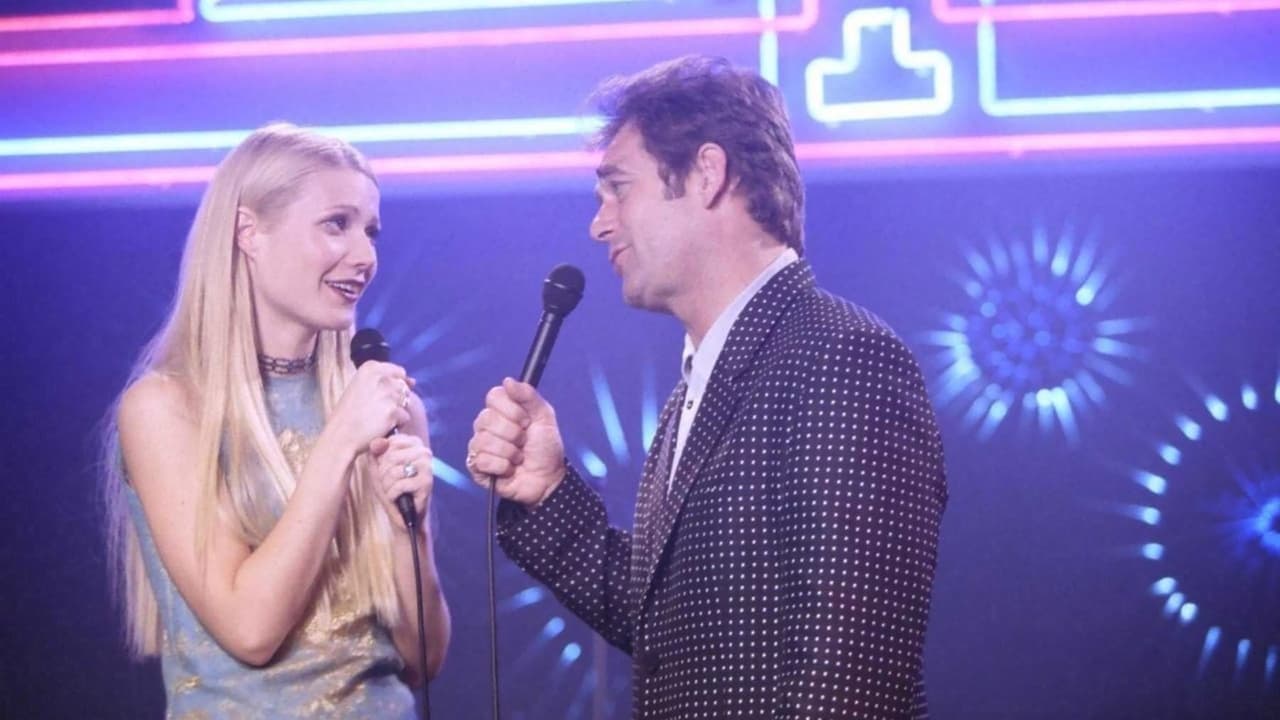
Where Duets truly resonates is in its performances, particularly when the characters step up to the microphone. Gwyneth Paltrow, fresh off her Oscar win for Shakespeare in Love (1998), brings a touching vulnerability to Liv, a young woman searching for family. Her duet with Huey Lewis on Smokey Robinson's "Cruisin'" is genuinely sweet, a moment of tentative connection that transcended the film itself to become a minor radio hit. It’s a lovely, unforced scene, capturing the fragile hope of forging a bond. Lewis, stepping away from his frontman persona, embodies Ricky's world-weariness and hidden regrets with understated ease.
But it’s perhaps Paul Giamatti and Andre Braugher who leave the most indelible marks. Giamatti, before his breakout in Sideways (2004), is simply electrifying as Todd. His journey from numb corporate drone to almost terrifyingly committed karaoke performer is fascinating. The sheer, unadulterated pressure he seems to release while belting out Todd Rundgren's "Hello It's Me" is something to behold – it’s not just singing; it’s an exorcism. Braugher, known then primarily for his intense dramatic work like Detective Pembleton on Homicide: Life on the Street (1993-1999), is a revelation. His Reggie is quiet, watchful, and deeply soulful. Hearing that rich baritone wrap around Otis Redding's "Try a Little Tenderness" feels like discovering a hidden treasure. It’s a performance layered with unspoken history and a yearning for peace, beautifully counterpointed by Scott Speedman’s wide-eyed Billy.
A Father's Swan Song


The direction by Bruce Paltrow, Gwyneth's father and a seasoned TV director (St. Elsewhere, The White Shadow), feels gentle and character-focused. Knowing this was his only theatrical feature film, and that he sadly passed away just a couple of years after its release, lends the film an added layer of poignancy, especially in the father-daughter storyline. You sense a filmmaker more interested in the small moments between people than in grand dramatic gestures. The film ambles, much like its road-tripping characters, sometimes meandering but always observing. It reportedly cost around $16 million to make but struggled to find an audience, grossing less than $7 million worldwide – perhaps its quirky blend of melancholy and music was a tough sell amidst the blockbusters of the year 2000.
An Imperfect Melody
Let's be honest, Duets isn't perfect. Some storylines feel less fleshed out than others (Maria Bello's Suzi perhaps deserved more depth), and the tonal shifts between outright comedy (Giamatti's frantic energy) and quiet drama (Braugher's storyline) can occasionally feel abrupt. The ending, bringing everyone together in Omaha, feels perhaps a bit too neat after the more free-wheeling journeys that preceded it. It sometimes feels like several different films stitched together, united by the karaoke theme but not always harmonizing perfectly. It certainly wasn't a critical darling upon release.
Yet, there’s an undeniable sincerity here. It captures that specific, slightly seedy, slightly hopeful atmosphere of dimly lit bars where ordinary people become stars for three minutes at a time. It treats its characters, flaws and all, with affection. I distinctly remember renting this one, probably drawn by the cast, and being surprised by its quiet emotional undertow. It’s the kind of film that might have slipped through the cracks, easily lost between bigger hits on the video store shelf, but it offers genuine moments of connection and some truly memorable performances.
Rating: 6/10
Duets is an uneven film, no doubt. Its narrative threads don't always intertwine seamlessly, and its blend of tones might not work for everyone. However, its strong ensemble cast, particularly the standout work from Giamatti and Braugher, and its earnest exploration of loneliness and the quest for connection through the unlikely medium of karaoke give it a lingering, quirky charm. It earns its 6 points for its heartfelt performances and its willingness to embrace sentiment without (usually) tipping into schmaltz.
It might not be a chart-topper, but like a well-loved B-side, Duets offers unexpected pleasures for those willing to listen closely. It leaves you pondering not just the power of music, but the quiet ways we all seek out harmony in the sometimes discordant chorus of life.