Alright, pull up a chair, maybe crack open a Jolt Cola if you can still find one. Let’s talk about a tape that, if you stumbled upon it in the 'New Releases' or 'Sci-Fi/Anime' section back in the day, felt like uncovering some kind of forbidden knowledge. I’m talking about Spriggan (1998), a hyper-kinetic blast of animated mayhem that hit Western shores right when anime was seriously starting to flex its muscles beyond the hardcore fans. Finding this often meant navigating past the usual suspects, maybe asking the clerk if they had "that new one that looks kinda like Akira".
And let's be honest, the Akira comparison wasn't just visual static. The legendary Katsuhiro Otomo, mastermind behind that 1988 cyberpunk opus, wasn't just lending his name here; he heavily supervised Spriggan, co-wrote the screenplay adapting the manga by Hiroshi Takashige and Ryōji Minagawa, and even contributed mechanical designs. You feel his presence in the meticulous detail, the weight of the machinery, and the sheer destructive force unleashed on screen. This wasn't just another cartoon; it felt dense, serious, and unapologetically intense.
### Echoes of Ancient Power, Explosions of Modern Warfare
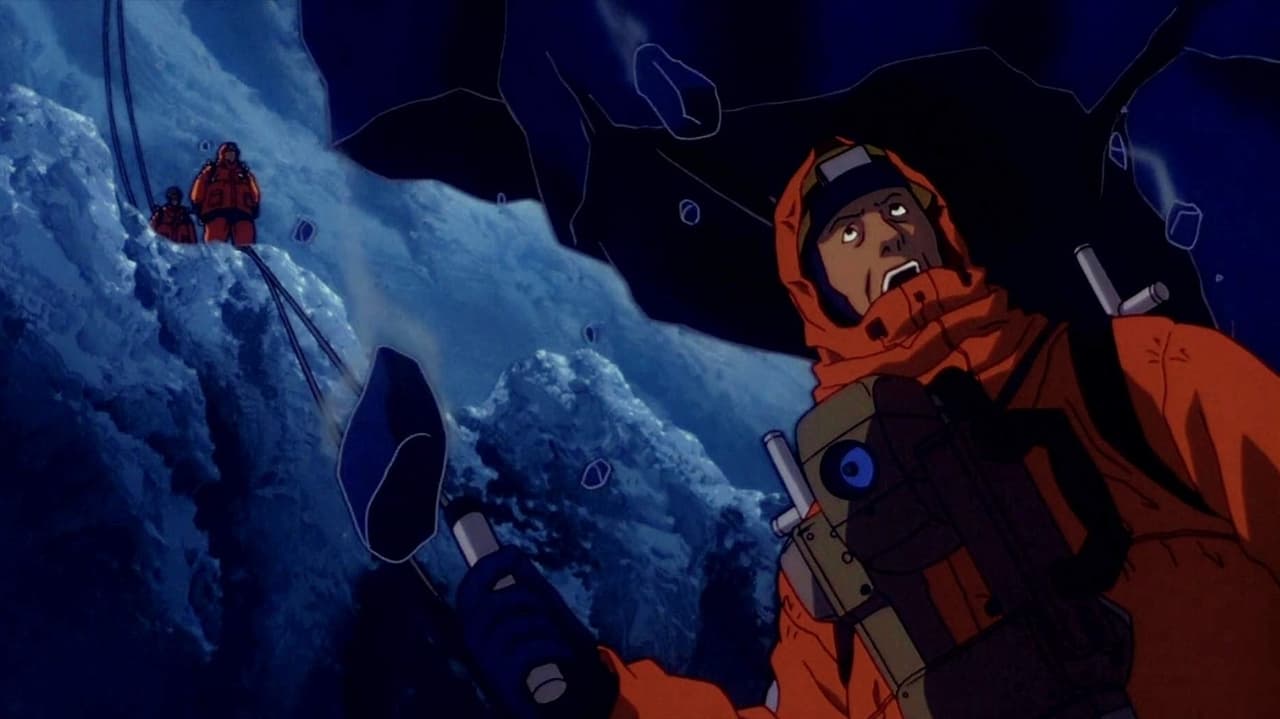
The setup is pure pulp brilliance: a secret organisation, ARCAM, employs elite agents called Spriggans to find and seal away dangerous OOPArts (Out-of-Place Artifacts) – remnants of an ancient, technologically advanced civilization – before they fall into the wrong hands. Our protagonist is Yu Ominae (Showtaro Morikubo delivering a suitably stoic yet volatile performance), a teenage operative who just wants a normal life but keeps getting pulled back into globe-trotting artifact recovery missions. This time, it’s Noah's Ark, discovered entombed in the ice of Mount Ararat, and a cybernetically enhanced U.S. military faction led by the menacing Colonel MacDougall wants its god-like power.
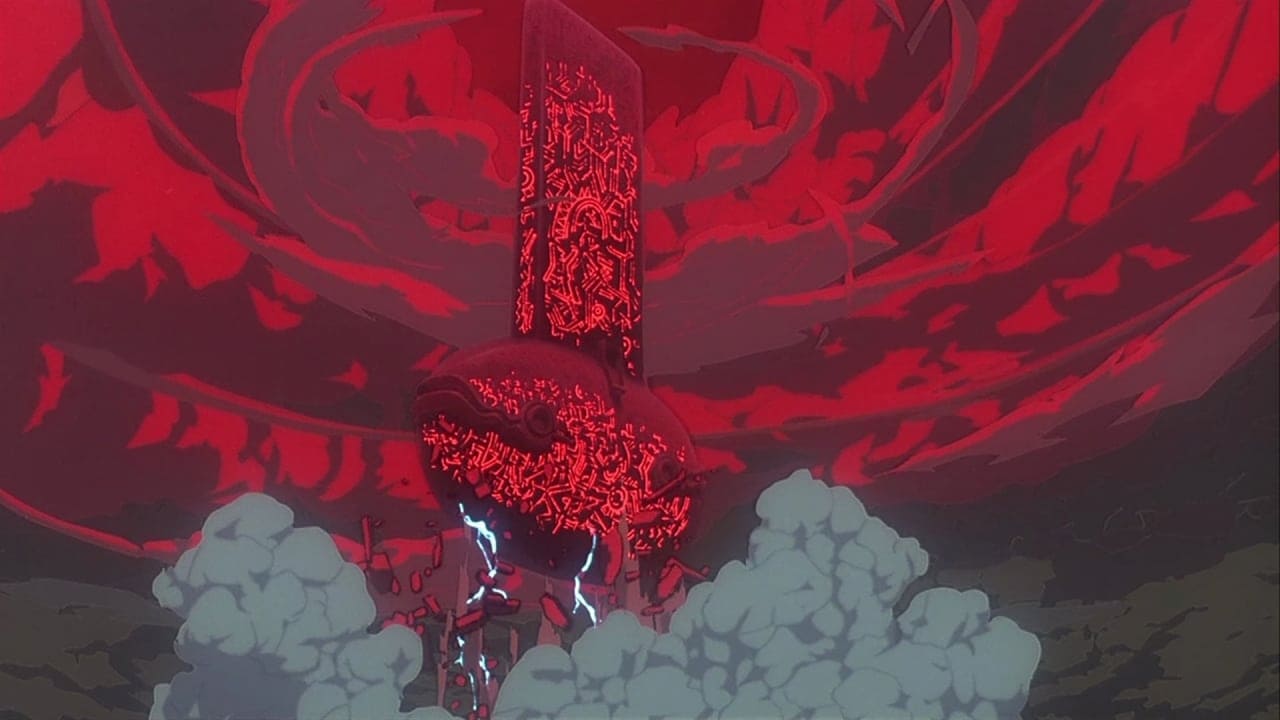
What follows is less a nuanced character study and more a relentless showcase of high-octane action animation. Forget floaty, stylized movements; Spriggan, brought to life by the wizards at Studio 4°C (who would later give us parts of The Animatrix), delivers action with a tangible, almost brutal weight. Remember how real those bullet hits and explosions felt in something like RoboCop (1987) or Terminator 2 (1991)? Spriggan achieves a similar visceral impact through animation.
### Animation That Hits Like a Practical Effect
This is where Spriggan truly shines, especially viewed through that nostalgic VHS lens. The animation quality is staggering for its time, reportedly backed by a significant budget that shows in every frame. The sheer level of detail in the destruction – crumbling rock, shattering ice, twisted metal – feels incredibly grounded. When Yu dons his iconic AM Suit (Armored Muscle Suit) and starts throwing down, the impacts have consequence. There's a sequence involving a Gatling gun and waves of enhanced soldiers that remains breathtakingly chaotic. It’s the anime equivalent of watching Shane Black script a demolition derby.
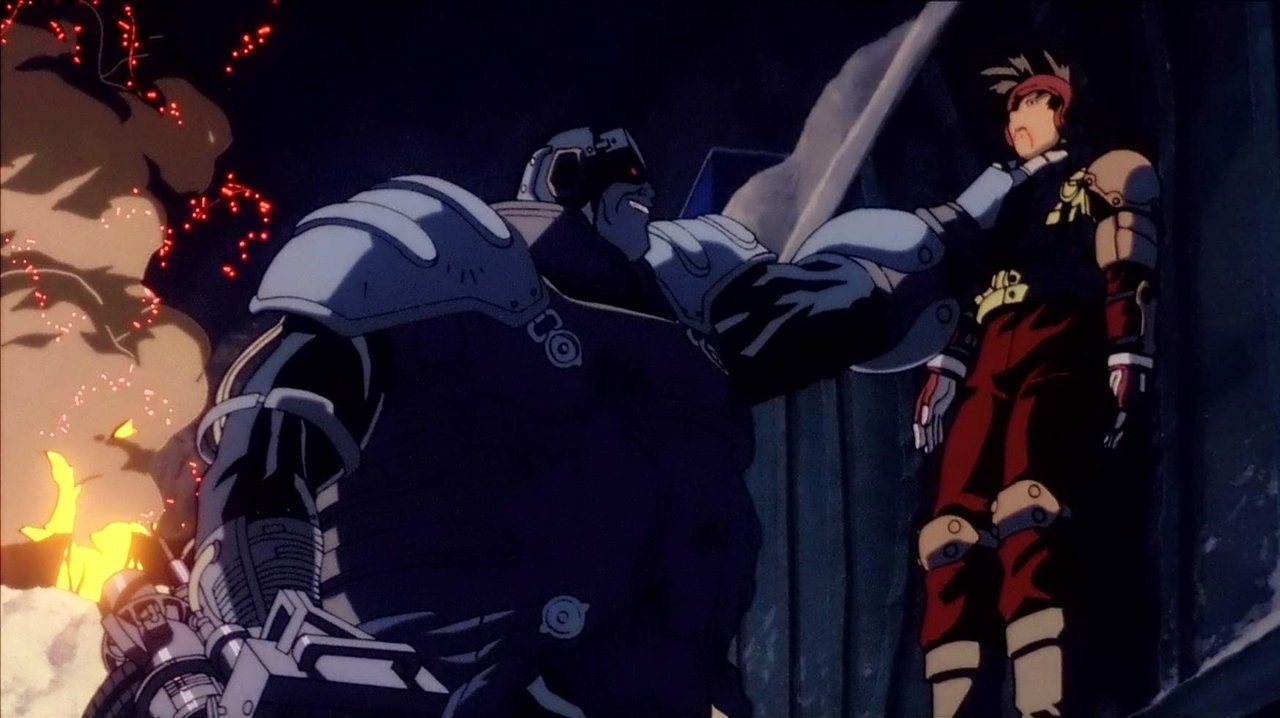
Think about the practical effects era we love – the squibs, the miniature work, the sheer audacity of stunt performers. Spriggan's animation captures that same raw energy. It doesn't feel slick or computer-generated (because, largely, it wasn't). It feels hand-drawn, meticulously crafted, and imbued with a sense of physical effort. The fluidity of motion, combined with the intricate mechanical designs (thanks, Otomo!), creates set pieces that felt leagues ahead of much of the animation reaching Western audiences back then. Director Hirotsugu Kawasaki keeps the pace breathless, barely giving you time to register one insane stunt before launching into the next. Even the sound design, crunchy and impactful, adds to the feeling that you're watching something heavy.
### Style Over Substance? Maybe, But What Style!
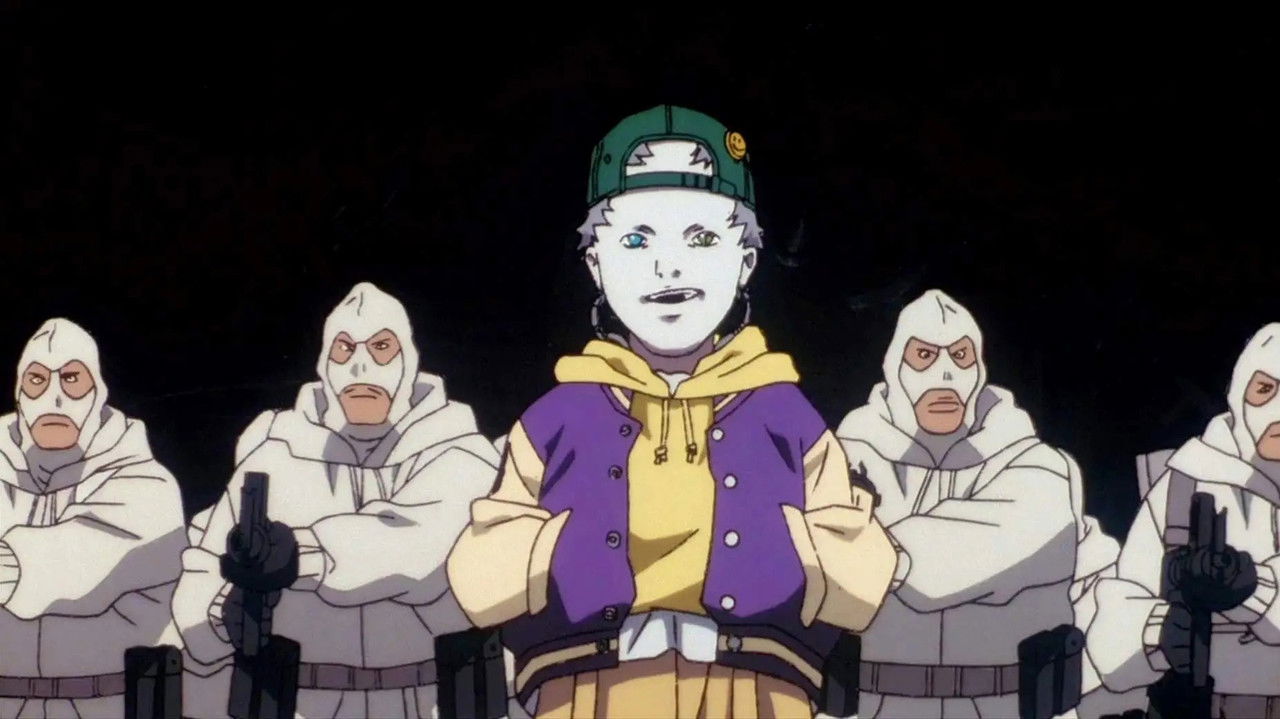
Okay, let's address the elephant in the room, or perhaps the genetically engineered supersoldier. While the action and visuals are top-tier, the plot, adapted from just one arc of a much longer manga, can feel a bit rushed and the characters somewhat archetypal. Yu is the reluctant badass, Jean Jacques Mondo (Takehito Koyasu adding charismatic flair) is the suave French colleague, and MacDougall is the power-mad military zealot. Character development takes a backseat to the spectacle.
But here’s the thing: Does it matter? When you rented Spriggan back in the day, probably grabbing it from ADV Films’ distinctive VHS or DVD packaging, you weren’t necessarily looking for Citizen Kane. You were looking for cutting-edge animation, explosive action, and that unique blend of sci-fi, ancient mystery, and military hardware that Japanese creators did so well. And Spriggan delivered that in spades. It was a visual feast, a technical powerhouse that felt like a glimpse into the future of animation, even if the story itself was fairly straightforward action fare. It might not have achieved the widespread cultural impact of Akira or Ghost in the Shell (1995), but it quickly cemented itself as a cult favorite among those who knew where to look.
### The Verdict
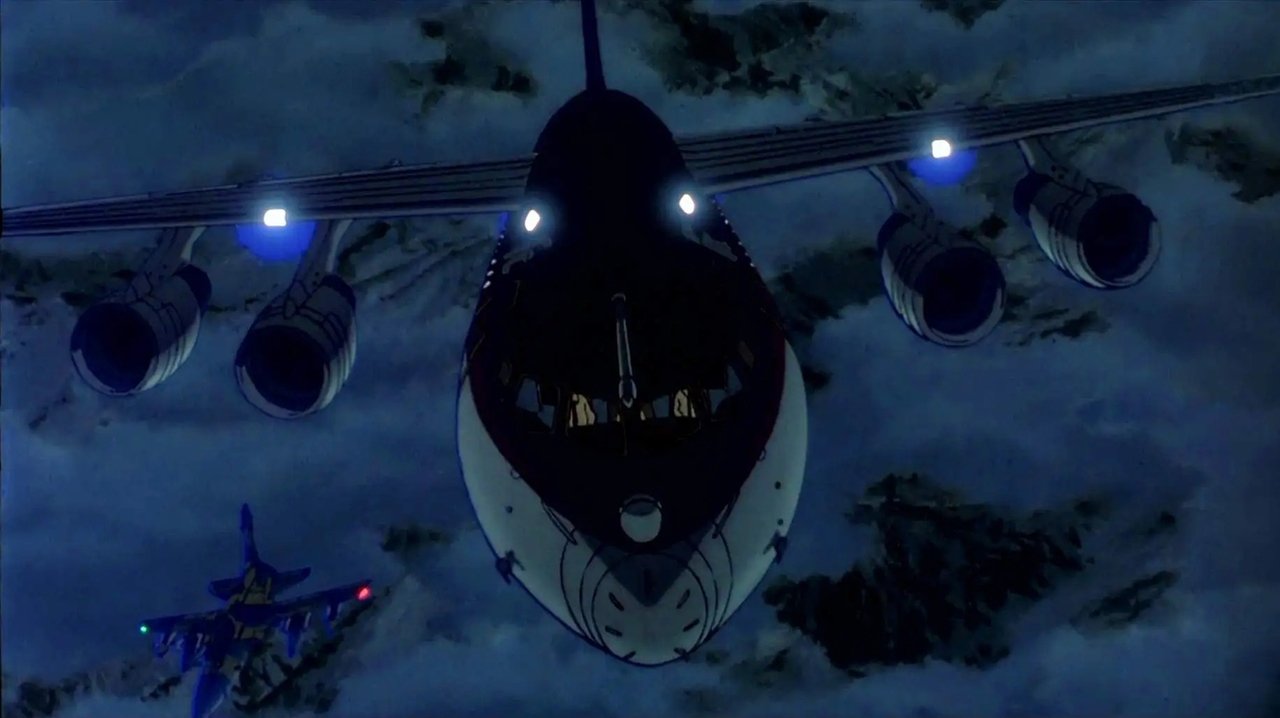
Spriggan is a time capsule of late-90s anime ambition. It’s loud, unapologetically violent, visually stunning, and carries the unmistakable mark of Katsuhiro Otomo's design philosophy. While the narrative might be lean, the sheer artistry and kinetic force of the animation remain impressive even today, especially when you remember this was achieved largely through traditional cel animation. It’s the kind of film that made you rewind the tape just to watch a particularly insane sequence again, marveling at the detail amidst the glorious destruction.
Rating: 8/10 - The score reflects its status as a visual benchmark and action powerhouse of its era. It loses a couple of points for a somewhat thin plot and character depth compared to its technical brilliance, but the sheer impact and artistry easily earn it a high recommendation for fans of intense, detailed 90s anime action.
Final Thought: Spriggan is pure, distilled 90s anime adrenaline – a reminder of a time when animated action felt gritty, weighty, and spectacularly destructive, long before CGI smoothed all the gloriously jagged edges. Track it down.