It landed like a shockwave. For many of us huddled around flickering CRT screens in the late 80s and early 90s, feeding that chunky VHS tape into the machine, Akira wasn't just another cartoon. It was something else entirely – a visceral, sprawling, terrifying vision of the future that redefined what animation could be. Before this, animation in the West often meant talking animals and fairy tales. Katsuhiro Otomo's 1988 masterpiece, adapted from his own sprawling manga, shattered that perception with the force of a psychic blast.
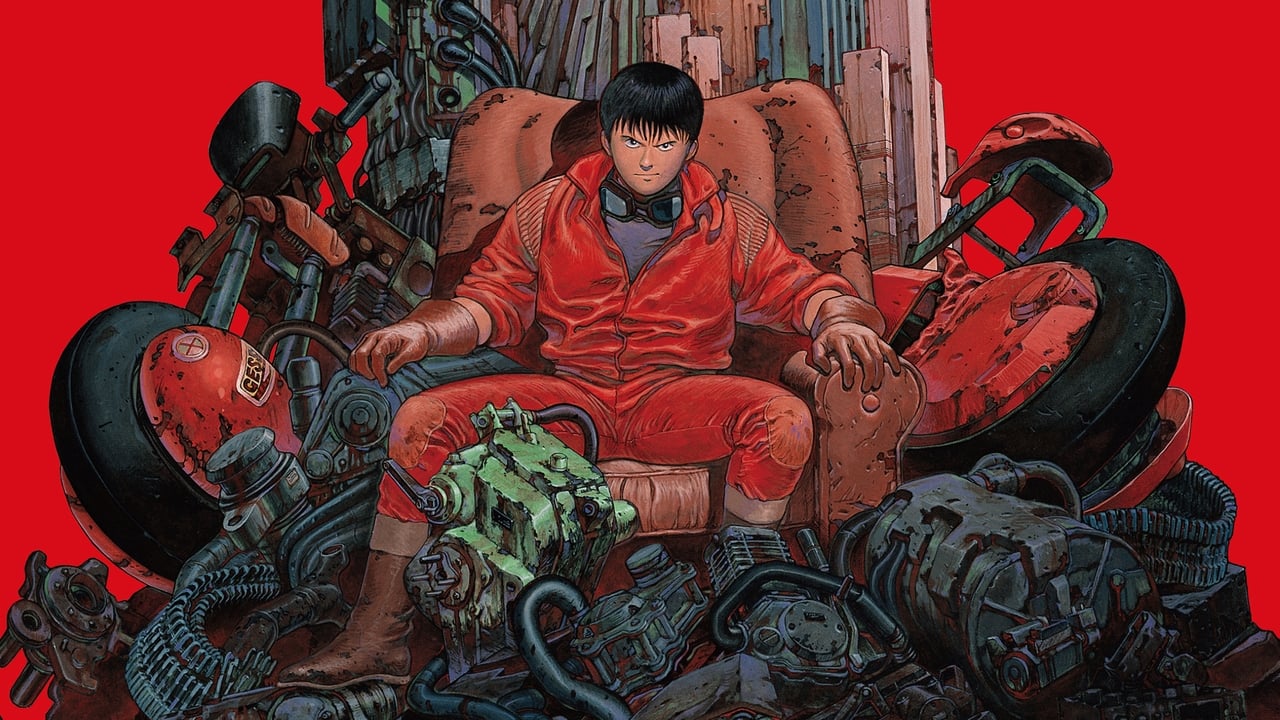
Neo-Tokyo Bleeds Neon and Rust
The sheer scale of Neo-Tokyo hits you first. This isn't just a backdrop; it's a living, breathing, decaying entity. Towering neon skyscrapers pierce the perpetual night, casting long shadows over crumbling highways and teeming slums where discontent simmers. Otomo, directing with meticulous control, renders this urban nightmare with a level of detail that was, frankly, staggering for its time. Every crack in the pavement, every piece of graffiti, every flickering holographic ad feels deliberate, building an atmosphere thick with oppression and impending doom. This meticulous world-building was fueled by a then-unprecedented budget for an anime film – reportedly around ¥1.1 billion (roughly $8 million USD back then, a colossal sum). You can see every yen on screen.
The Roar of the Bike Gangs

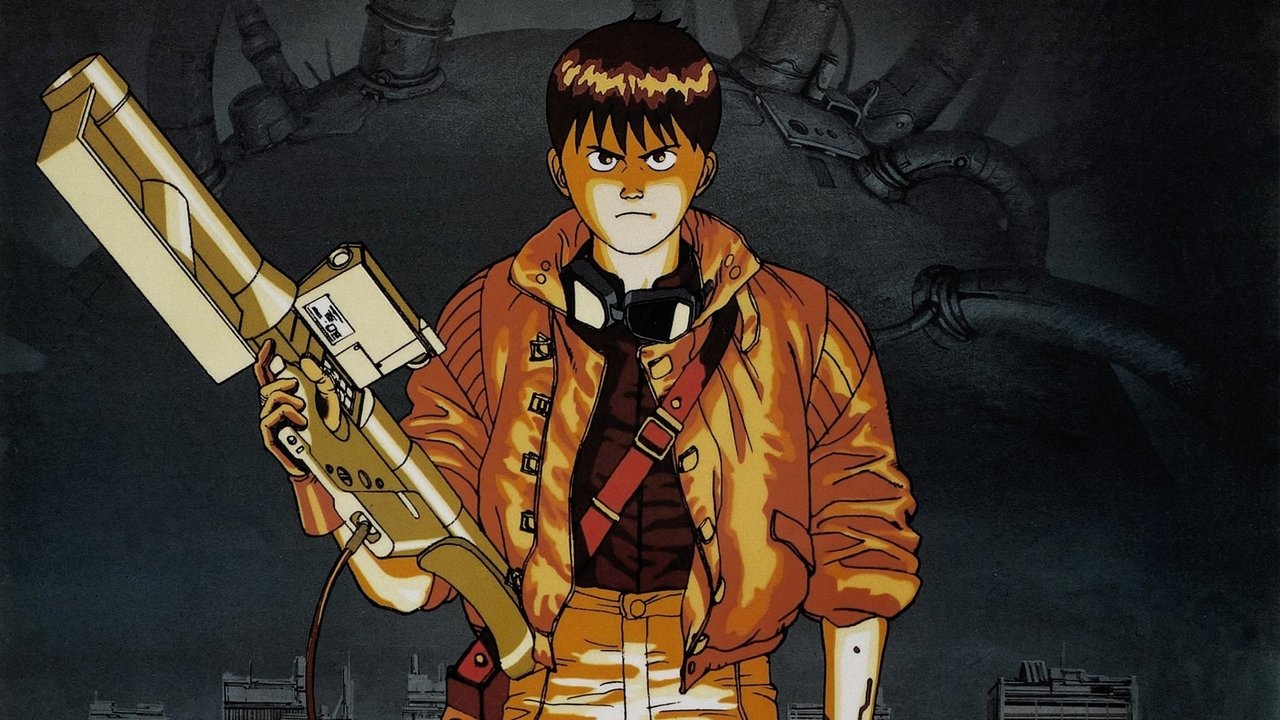
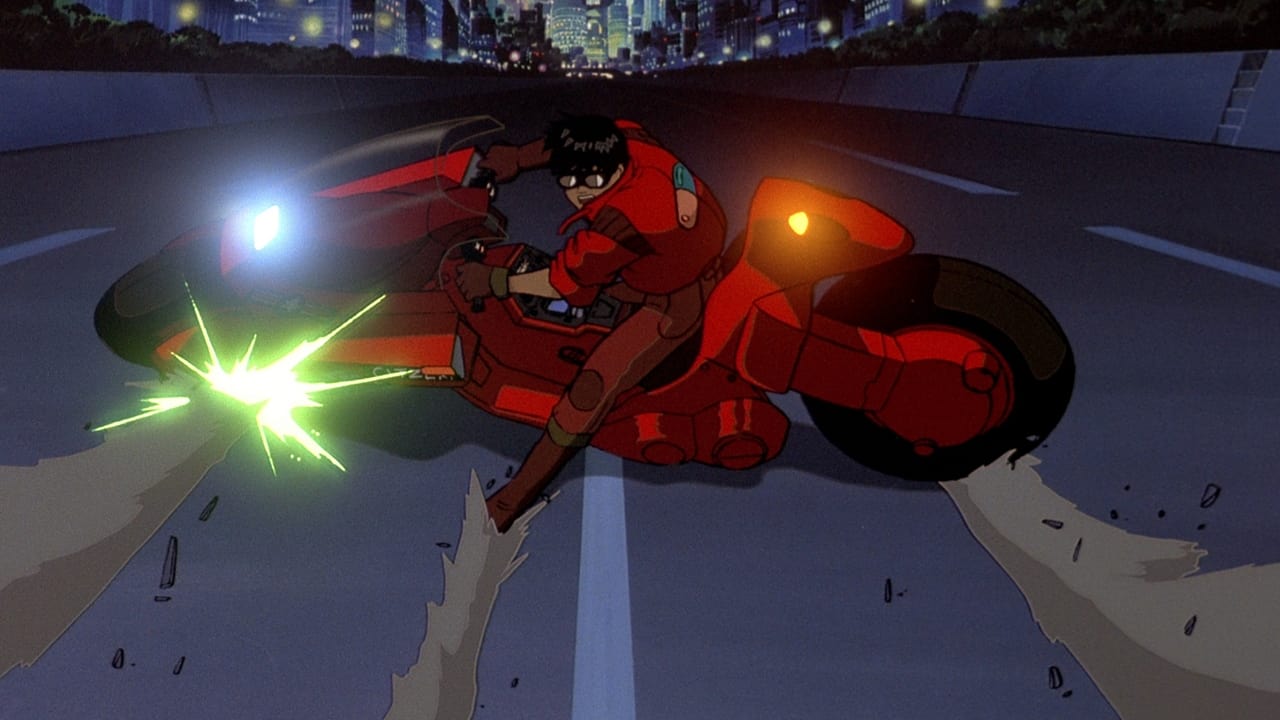
At street level, we find our entry point: the Capsules, a juvenile biker gang led by the cocky but charismatic Kaneda (Mitsuo Iwata giving him that iconic swagger). Their clashes with the rival Clown gang are brutal ballets of screeching tires and shattering metal, choreographed with kinetic energy that still feels exhilarating. But it's Kaneda's best friend, the insecure and resentful Tetsuo (Nozomu Sasaki, capturing his journey from bullied runt to terrifying power), who becomes the catalyst for the film's descent into chaos. A near-fatal encounter on the ruined highways awakens latent psychic abilities within him, drawing the attention of a shadowy military project desperate to control – or perhaps weaponize – powers they barely comprehend. Remember the chilling, almost abstract sequence of Tetsuo's initial transformation? That blend of body horror and psychic phenomena felt utterly unique.
Psychic Armageddon and Cosmic Horror
What follows is a complex tapestry of government conspiracy, scientific hubris, burgeoning revolution, and Tetsuo's terrifyingly escalating power. The film throws concepts at you – espers, military coups, the legend of the destructive entity known only as Akira – demanding your full attention. The plot can feel dense, even overwhelming, mirroring the chaos unfolding on screen. Yet, it's the feel of it – the escalating dread, the body horror that pushes animation into Cronenbergian territory, the sheer apocalyptic spectacle – that leaves the deepest scars. Tetsuo's final mutations remain some of the most disturbing and imaginative imagery ever committed to animation, a grotesque blossoming of uncontrollable energy. It’s rumored Otomo was directly involved in checking tens of thousands of cels himself to ensure consistency in the demanding character transformations.
A Universe in Every Frame
Let's talk about the animation itself. Akira remains a high-water mark. The fluidity of movement, the complexity of the crowds and destruction, the sheer artistic ambition are breathtaking. Otomo and his team utilized techniques often reserved for higher budgets, like pre-scoring dialogue (recording the voices before animating the mouth movements), which lent Mitsuo Iwata's Kaneda and Nozomu Sasaki's Tetsuo an uncanny level of expressiveness rarely seen in anime of the era. They reportedly aimed for 24 frames per second animation in key sequences, matching live-action fluidity, a laborious process that contributes significantly to the film's impact. This wasn't just animation; it felt like a window onto a terrifyingly tangible reality.
And the score! The Geinoh Yamashirogumi’s soundtrack is inseparable from Akira's identity. That hypnotic blend of Indonesian gamelan, traditional Japanese Noh chants, pounding percussion, and synthesizers creates an otherworldly soundscape that perfectly complements the film's fusion of ancient prophecy and futuristic nightmare. It’s as unsettling and unique as the visuals.
Legacy of a Shockwave
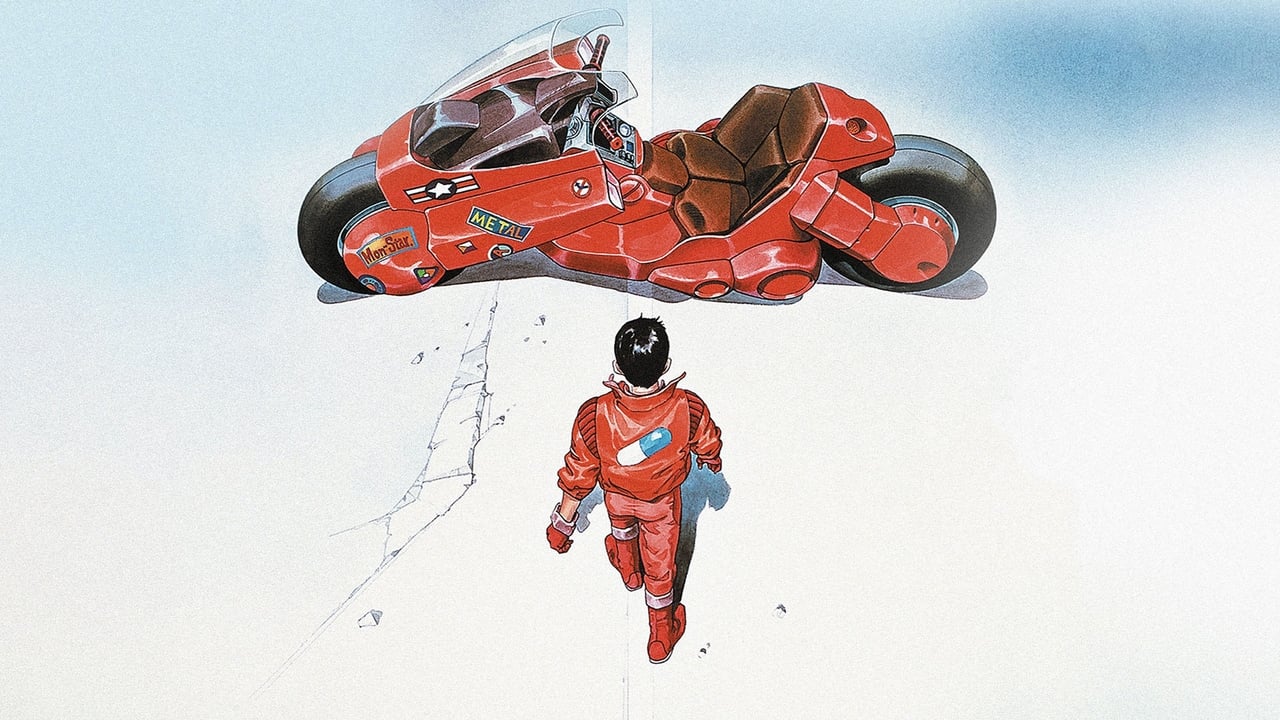
Akira didn't just impress; it influenced. Its visual language, its mature themes, and its sheer audacity arguably paved the way for the wider acceptance of anime in the West throughout the 90s. You can see its DNA in countless sci-fi films, animations, and video games that followed. It proved that animation could tackle complex, adult narratives with artistic depth and visceral power. Renting this tape from the local video store, often based solely on its striking cover art, felt like discovering a secret – a portal to a darker, more complex world of storytelling. Did it feel overwhelming the first time you saw it? That sensory overload was part of the experience.
***
VHS Heaven Rating: 9.5/10
Justification: Akira is a monumental achievement in animation and science fiction. Its breathtaking visuals, groundbreaking techniques (especially for its time), deeply atmospheric world-building, and unforgettable score coalesce into an experience that remains potent and influential decades later. While its dense plot can occasionally feel convoluted, the sheer artistic vision, the visceral impact of its set pieces, and its lasting legacy make it an undeniable masterpiece. It's a cornerstone of cyberpunk and a testament to the power of animation as a serious art form.
Final Thought: Even now, the roar of Kaneda's bike and the chilling spectacle of Tetsuo's transformation echo through the halls of sci-fi history. Akira wasn't just a film; it was a benchmark, a blast of pure, untamed creative energy captured on celluloid and immortalized on those beloved VHS tapes.