Pinocchio's Revenge
There’s an unsettling quality to dolls, isn’t there? Those glassy eyes, the frozen smiles. They sit on shelves, mimicking life, silent observers. Most killer doll flicks lean into the demonic, the overtly supernatural rampage. But then there’s 1996’s Pinocchio’s Revenge, a film that surfaced in the twilight glow of the direct-to-video boom, whispering a different, more insidious kind of fear. It doesn't just ask if the doll is alive; it forces you to question where the real monster lies.
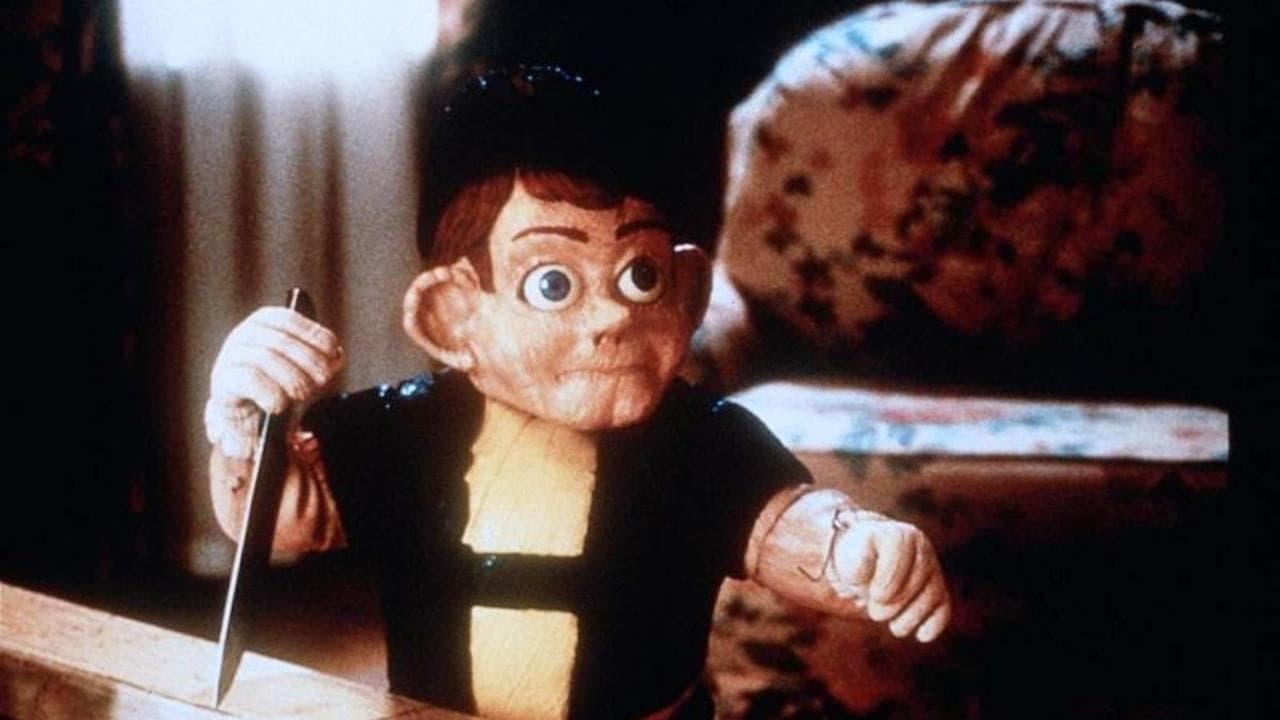
A Puppet's Shadow
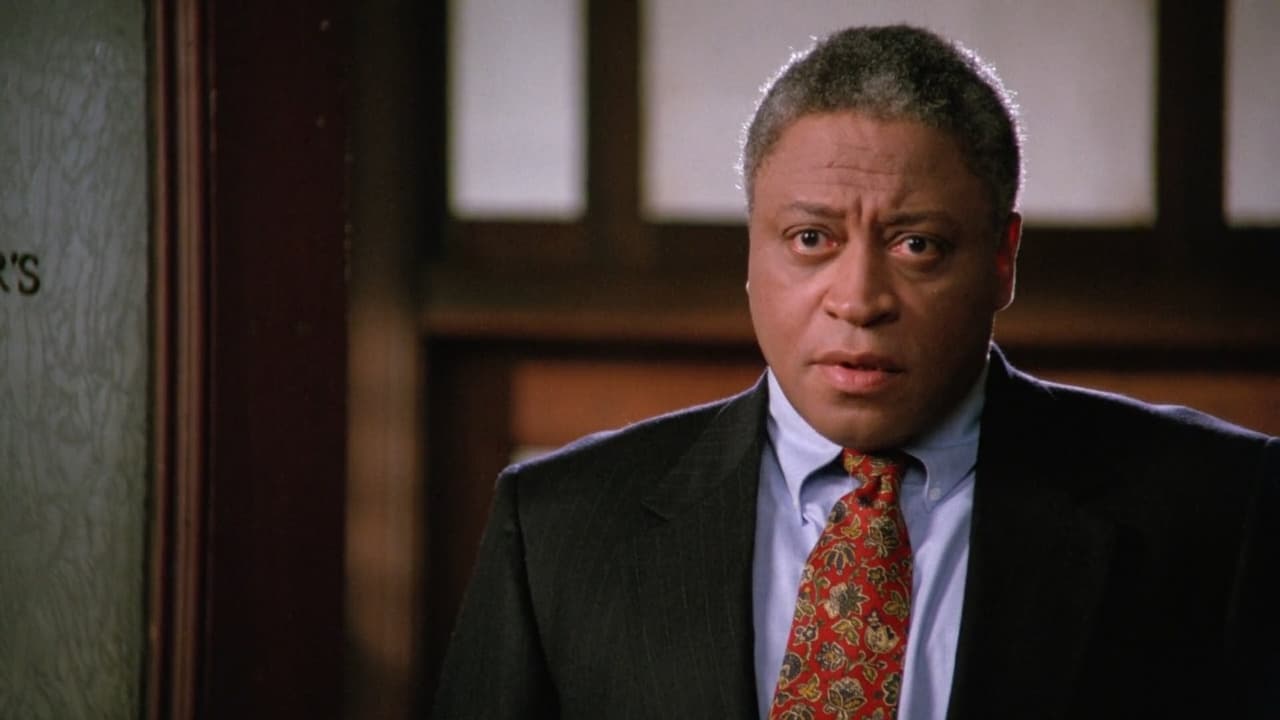
The setup feels almost like a standard 90s thriller initially. Defense attorney Jennifer Garrick (Rosalind Allen) is representing Vincent Gotto (Lewis Van Bergen), a man accused of murdering his young son and several others, claiming his innocence. The only potential piece of evidence linking him directly is a large, antique-looking Pinocchio puppet found buried alongside his son. In a move that stretches credulity even by movie logic standards – but hey, it gets the plot moving – Jennifer brings the confiscated puppet home as potential evidence. It promptly falls into the hands of her troubled eight-year-old daughter, Zoe (Candace Hutson), who is still grappling with her parents' separation and her father's absence. Soon, accidents start happening around Zoe. Nasty, sometimes fatal accidents. And Zoe insists Pinocchio is telling her to do things, whispering secrets only he knows.
More Than Just Splinters
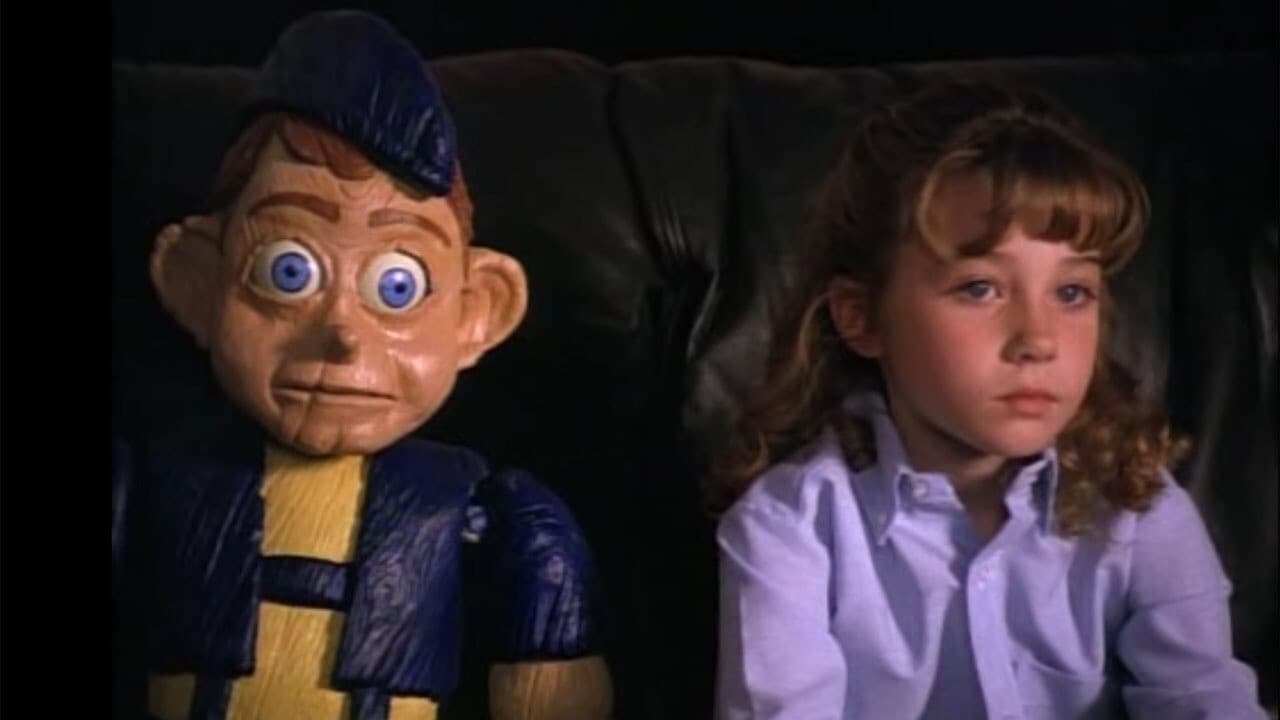
Forget Chucky's foul-mouthed wisecracks. This Pinocchio is a largely silent, almost mournful presence. Its wooden features are fixed, its movements (when they occur) are often subtle, glimpsed out of the corner of the eye. Director Kevin S. Tenney, who gave us the rowdier party horror of Night of the Demons (1988) and the spooky thrills of Witchboard (1986), takes a surprisingly restrained approach here. He co-wrote the script, seemingly aiming for something less purely exploitative and more psychologically unsettling. The effectiveness lies less in jump scares (though there are a few) and more in the creeping ambiguity. We see events unfold largely through Zoe's perspective or Jennifer's growing anxiety. Is the doll influencing Zoe, feeding off her loneliness and anger? Or is Zoe, a disturbed child acting out in increasingly dangerous ways, merely projecting her dark impulses onto the inanimate object? The film cleverly walks this line, making the viewer complicit in trying to decipher the truth.
A Disturbing Duet
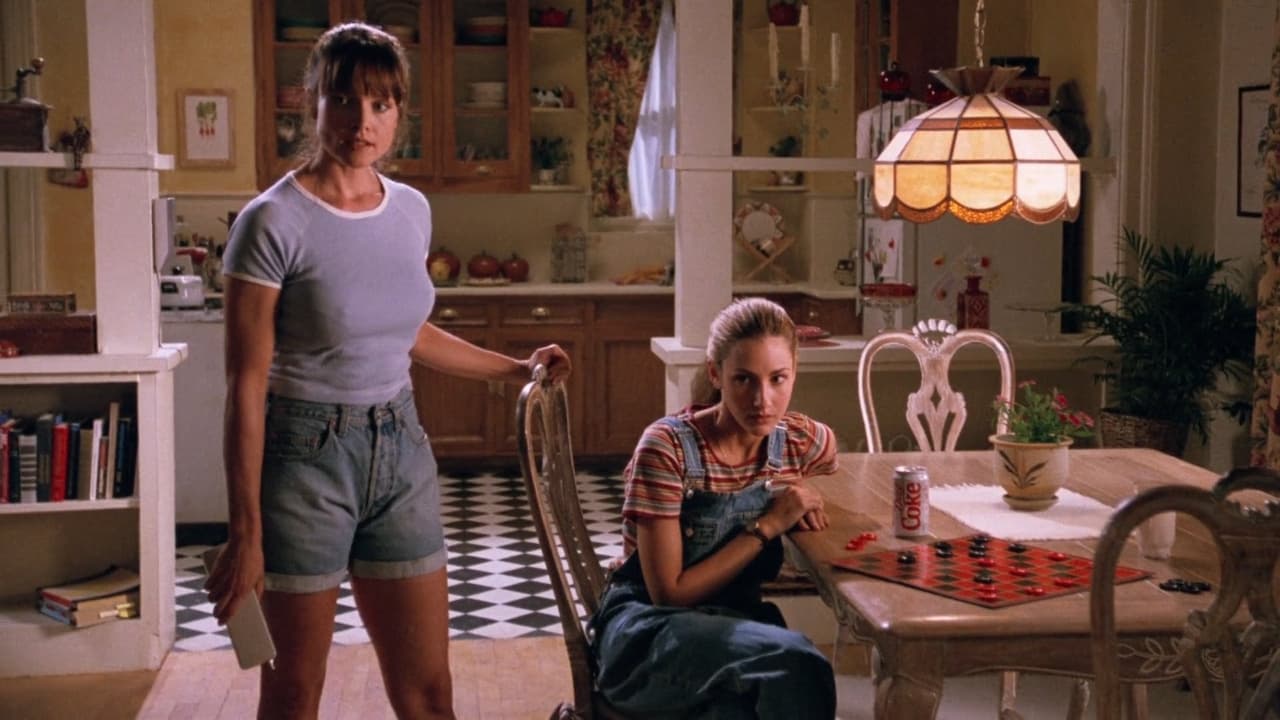
Much of the film's unsettling power rests on the shoulders of young Candace Hutson. Previously known as the voice of Cera in The Land Before Time (1988), her performance here is genuinely unnerving. She portrays Zoe not as a cackling evil child, but as a lonely, confused kid whose attachment to Pinocchio slides chillingly into something darker. Her quiet conversations with the puppet, her shifting demeanor – it’s a performance that grounds the potential absurdity of the premise in something disturbingly plausible. Rosalind Allen as Jennifer also does solid work, conveying the mounting dread of a mother realizing something is terribly wrong with her child, or perhaps with the unsettling toy she brought into their home. It's this central relationship, and the doubt surrounding it, that elevates Pinocchio's Revenge beyond typical killer-doll schlock.
Straight-to-Video Shadows
Released directly to video stores – the natural habitat for so many 90s horror curiosities like this – Pinocchio's Revenge never achieved the notoriety of its killer toy brethren. Its budget was modest, and sometimes it shows in the production values or occasional pacing lulls. Yet, its commitment to psychological tension over outright gore gives it a unique flavour. Tenney seems less interested in spectacular kills and more in the slow burn of domestic dread. The score is suitably moody, and the cinematography captures that slightly drab, lived-in feel common to mid-90s DTV horror, which weirdly enhances the unsettling atmosphere. There's a sense that this darkness isn't invading from some hell dimension, but festering within the seemingly ordinary spaces of a suburban home. It taps into parental fears – the inability to understand your child, the horror of discovering a darkness within them you can't explain away. Does that central ambiguity still feel potent today, even knowing the tropes?
The film plays its hand carefully, leaving room for interpretation right up until the final moments. It might lack the iconic status of Child's Play or the gonzo energy of Stuart Gordon's Dolls (1987), but Pinocchio's Revenge carves its own niche. It's a quieter, more insidious nightmare, the kind that lingers precisely because it doesn't offer easy answers. It asks you to look at the child, look at the doll, and wonder where the strings are really attached.
***
VHS Heaven Rating: 6/10
Justification: Pinocchio's Revenge earns points for its commitment to psychological ambiguity, Candace Hutson's genuinely creepy performance, and its departure from standard killer doll tropes. It crafts a decent atmosphere of unease on a clear budget. However, it's held back by some pacing issues, occasionally clunky dialogue, and a central plot device (lawyer bringing evidence home) that requires significant suspension of disbelief. It doesn't fully capitalize on its premise's potential, sometimes feeling tentative.
Final Thought: While perhaps destined to remain a second-stringer in the killer toy league, Pinocchio's Revenge is a surprisingly thoughtful and unsettling 90s horror oddity worth digging out of the virtual bargain bin. Its refusal to give easy answers makes it linger longer than many of its more explicit contemporaries.