Ah, the late 90s. A time when Disney’s home video division was buzzing, churning out sequels, prequels, and spin-offs that landed directly onto the welcoming shelves of Blockbuster and Hollywood Video. Tucked amongst the animated follow-ups was a curious entry: 1998’s The Jungle Book: Mowgli's Story. Not quite the beloved 1967 animation, nor the more adventurous 1994 live-action film starring Jason Scott Lee, this one offered something different – a retelling from Mowgli's perspective, featuring actual live animals… talking. It was the kind of VHS discovery that could either delight or slightly bewilder a young viewer, promising jungle magic delivered straight to your CRT screen.

Mowgli Tells All
Directed by Nick Marck, primarily known for his extensive TV work (Buffy the Vampire Slayer, The X-Files), and penned by José Rivera (who would later write the acclaimed The Motorcycle Diaries) and Jim Herzfeld (Meet the Parents), this film takes a more intimate, storybook approach. The framing device is simple: an older Mowgli (played by Brandon Baker, who also voices young Mowgli) is recounting his earliest memories of being raised by wolves and mentored by the familiar jungle residents. This narration gives the film a gentle, almost documentary-like feel at times, interspersed with scenes of young Mowgli interacting with his animal family. It strips back some of the grandeur and peril of other versions, focusing instead on the boy’s personal journey of belonging and discovering his identity.
Whispers in the Wilderness
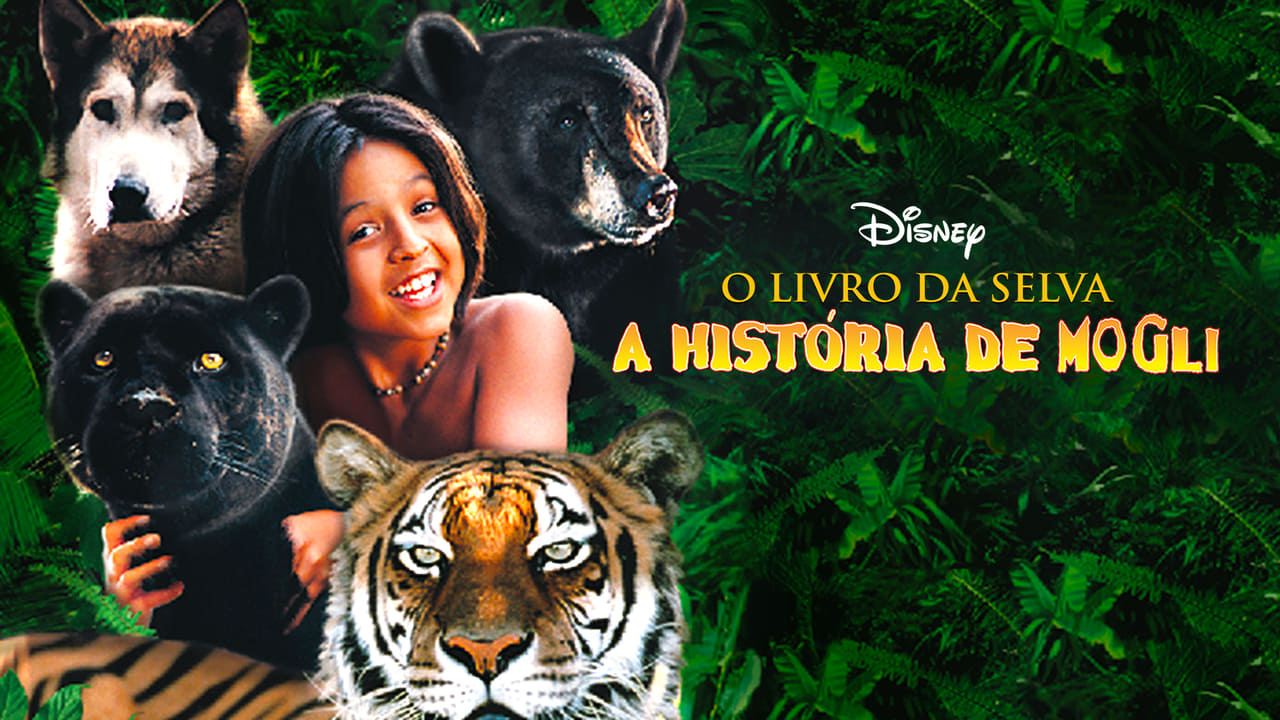
The undeniable hook – or perhaps the biggest hurdle, depending on your view – is the use of live animals with voiceovers. Forget slick CGI; this was the era of clever editing, patient animal wrangling, and hoping the bear looked somewhat like it was delivering dialogue. The effect is… well, it’s charming, in that distinctly late-90s DTV way. There’s an inherent sweetness to seeing real wolves, a bear, a panther, and even monkeys interacting with a young Mowgli, even if the lip-sync (or lack thereof) requires a healthy dose of imagination. It gives the film a tangible quality, a sort of wild kingdom realism blended with fairytale fantasy.
The voice cast brings some familiar warmth. Brian Doyle-Murray, Bill Murray's equally talented brother and a recognisable voice from things like SpongeBob SquarePants (as The Flying Dutchman), lends his gruff charm to Baloo the bear. Fred Savage (yes, Kevin Arnold from The Wonder Years!) voices the mischievous monkey squadron leader, adding a touch of youthful energy. But the undeniable standout is the legendary Eartha Kitt as Kaa, the hypnotic python. Kitt, whose purring, seductive voice would later grace Yzma in The Emperor's New Groove (2000), brings a unique blend of danger and allure to the role, making Kaa memorable even with limited screen time. Hearing her unmistakable tones emanate from a live python is one of the film's more uniquely delightful (and slightly surreal) moments.
Retro Fun Facts: The DTV Jungle
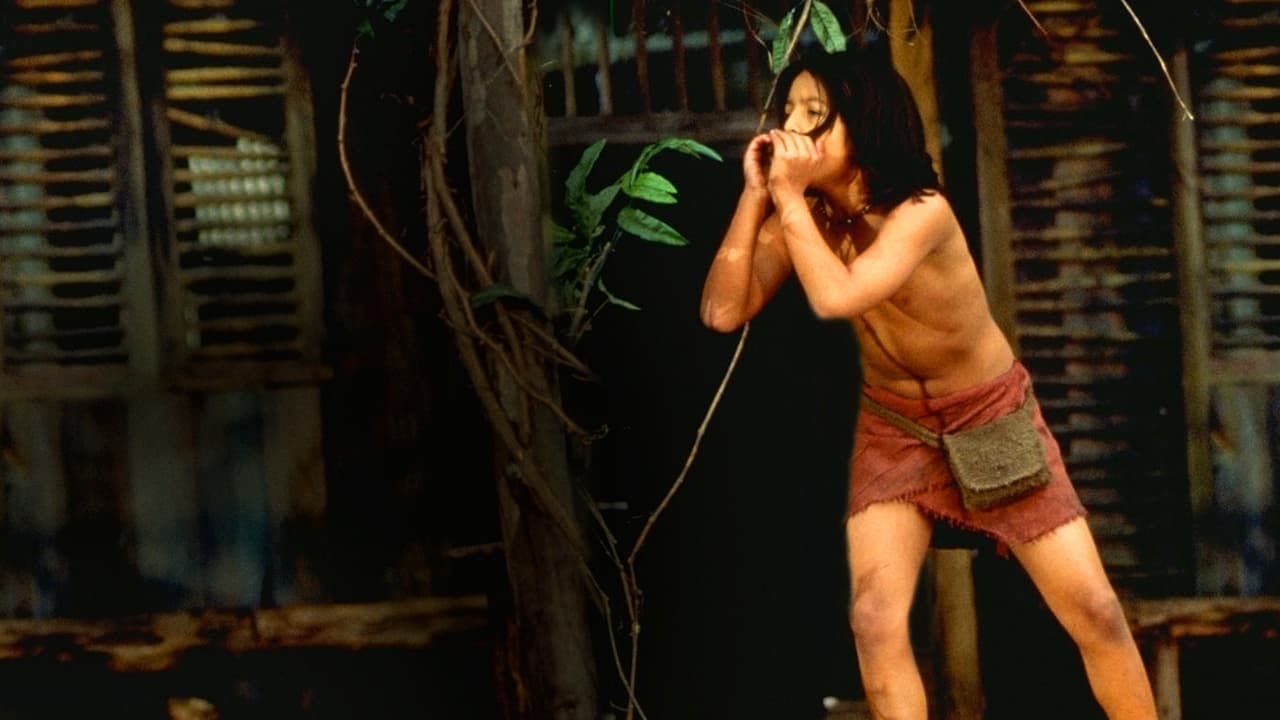
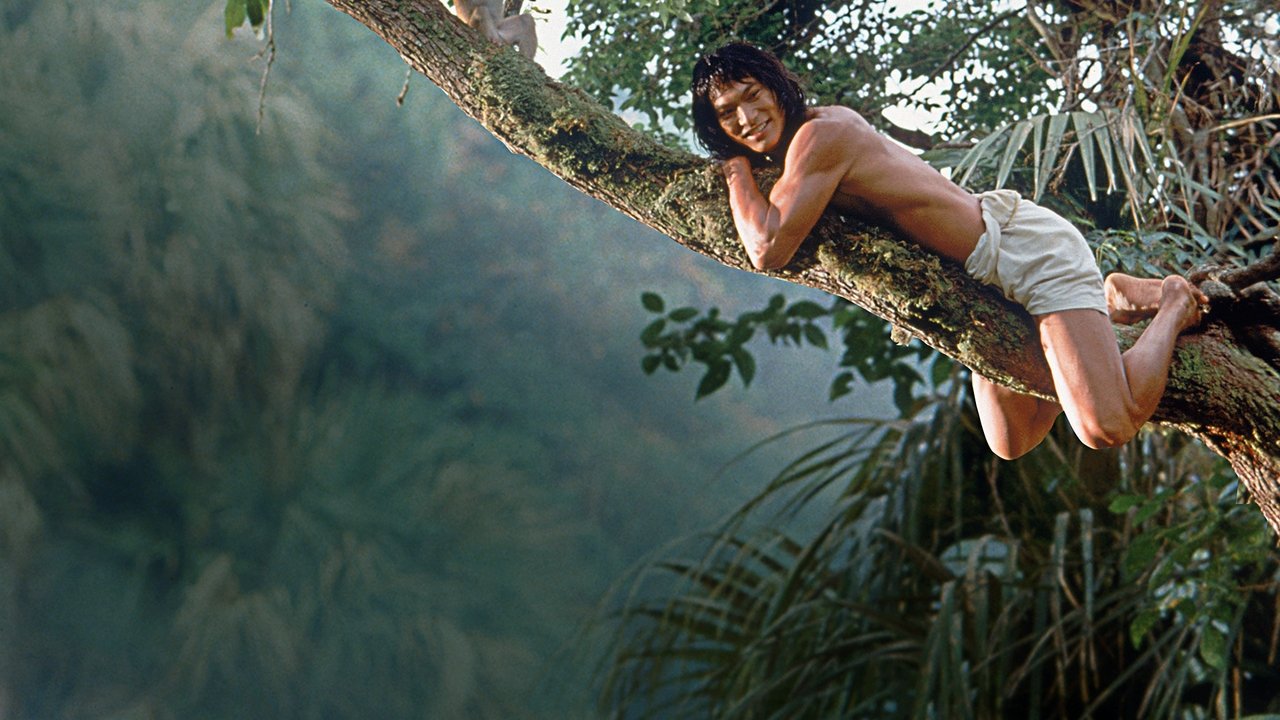
- Mowgli's Story was part of a significant wave of Disney direct-to-video releases in the 90s, a strategy that proved highly profitable by leveraging existing popular properties without the massive budget of theatrical releases. Think Aladdin: The Return of Jafar (1994) or The Lion King II: Simba's Pride (1998).
- Working with live animals, especially predators and primates, presented obvious challenges. Reports suggest extensive use of trainers and careful compositing techniques to create scenes where Mowgli appears close to potentially dangerous animals like Shere Khan the tiger. The animals often performed actions separately, later edited together to imply interaction.
- While official budget figures are scarce for these DTV titles, they were produced for significantly less than their theatrical counterparts, relying on efficient shooting schedules and often utilizing existing Disney resources or international production facilities. This film, for instance, was partially shot in Costa Rica and Sri Lanka, adding authentic jungle scenery.
- The film serves almost as a companion piece or alternative perspective to the 1994 live-action The Jungle Book, focusing more on Mowgli's childhood within the jungle rather than his later adventures involving Kitty Brydon and Colonel Ilgwom.
Nostalgia Goggles Required?
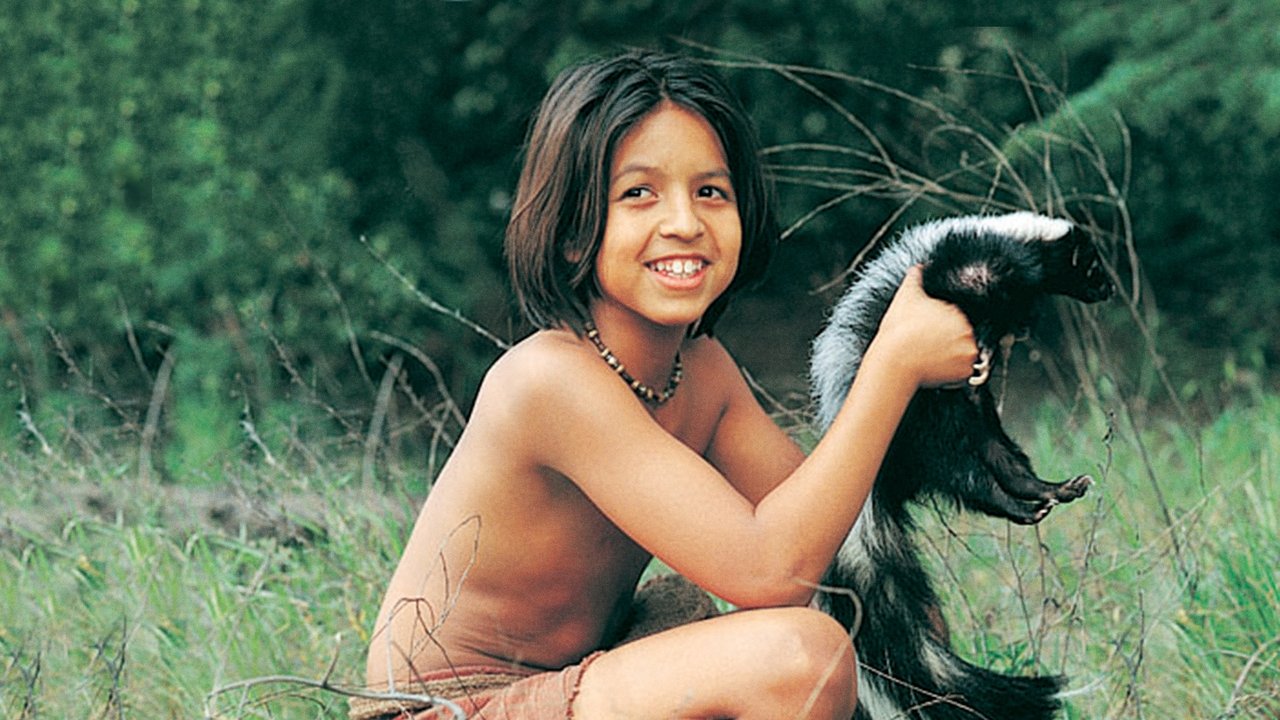
Watching Mowgli's Story today is an exercise in managing expectations and embracing its specific brand of nostalgic charm. It lacks the memorable songs of the '67 classic and the swashbuckling action of the '94 version. The pacing is gentle, aimed squarely at a younger audience, and the talking animal effect can occasionally dip into the unintentionally amusing. Yet, there's an earnestness here that's hard to dislike. Brandon Baker is likeable as Mowgli, conveying a sense of wonder and vulnerability. The film genuinely tries to explore themes of family, difference, and finding one's place in the world, albeit in a simple, straightforward manner.
For those of us who haunted video store aisles, this tape might represent a specific memory – perhaps a rental chosen when the bigger Disney hits were checked out, or a purchase that offered a different window into Kipling's world. It wasn't trying to be a blockbuster; it was content being a cozy, familiar story told with a slightly quirky, live-action twist. Does it hold up as high art? Not really. But does it offer a warm, fuzzy pang of 90s home video nostalgia? Absolutely.
Rating: 5/10
This rating reflects the film's nature as a modest, direct-to-video offering. It scores points for its earnest charm, the novelty of its live-action animal approach (for its time), Eartha Kitt's purrfectly cast Kaa, and the undeniable nostalgic value for those who remember this specific flavor of 90s Disney. However, it loses points for the sometimes awkward execution of the talking animals, a very simple plot, and production values that clearly reflect its DTV origins. It’s not a hidden masterpiece, but a gentle, slightly oddball entry in the Jungle Book canon that earns a soft spot for trying something different.
It’s a quiet corner of the Disney jungle, perhaps less visited, but still echoing with the faint whispers of talking animals and the hum of a VCR rewinding.