It’s a strange thing, revisiting certain films decades later. Sometimes they feel comfortingly familiar, like a worn armchair. Other times, they hit differently, their themes acquiring a sharper, more unsettling edge in the rearview mirror. The Siege, released back in 1998, definitely falls into the latter category. I remember renting this one, the hefty VHS tape promising a big, explosive thriller with A-list stars. It delivered on that, but watching it now feels less like escapism and more like holding a disquieting mirror up to anxieties that became all too real just a few years later.
### When Headlines Became Hollywood
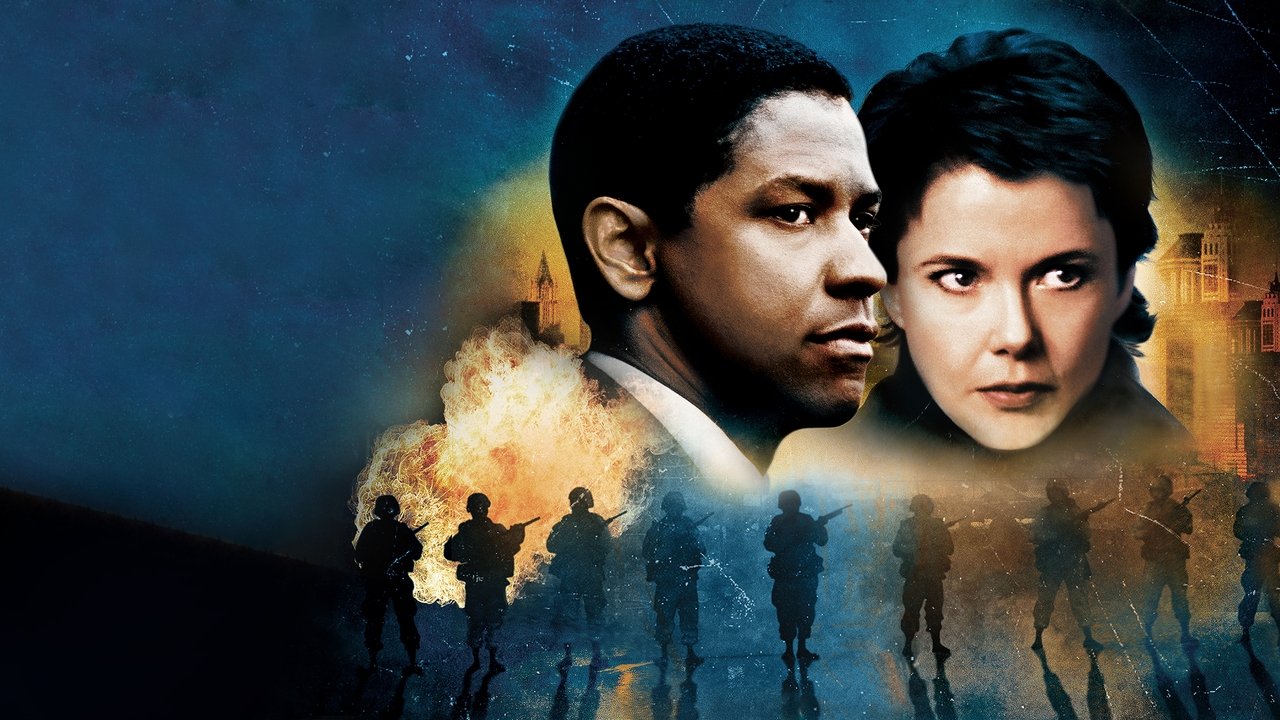
What immediately strikes you about The Siege isn't just the scale – director Edward Zwick (Glory, Legends of the Fall) certainly knew how to orchestrate chaos on the streets of New York City – but its willingness to dive headfirst into incredibly thorny territory for a mainstream blockbuster. The premise is stark: a series of devastating terrorist bombings grips NYC, escalating fear and paranoia. FBI Special Agent Anthony Hubbard (Denzel Washington) is tasked with stopping the attacks, navigating a treacherous path between due process and mounting pressure for results. His path intersects, often clashes, with Elise Kraft (Annette Bening), a CIA operative whose connections to the region and the potential suspects are murky at best, and Major General William Devereaux (Bruce Willis), a hardline military man itching to impose order, regardless of the constitutional cost.
It’s a setup that felt provocative then, exploring the friction between federal agencies and the terrifying hypothetical of martial law on American soil. The film drew considerable controversy upon release, particularly from Arab-American groups concerned about the depiction of terrorists and the rounding up of Arab-Americans. Looking back, it’s impossible not to see the film as disturbingly prescient, foreshadowing debates about security versus civil liberties that would dominate the national conversation after 9/11. One fascinating piece of trivia is that co-writer Lawrence Wright, who would later win a Pulitzer for his seminal book on Al-Qaeda, The Looming Tower, brought a level of journalistic insight to the script, grounding the thriller elements in unsettling possibilities drawn from real-world events like the 1993 World Trade Center bombing.

### The Human Cost of Crisis
Beyond the explosions and procedural elements, the film's lasting power lies in its core performances. Denzel Washington is the undeniable moral anchor as Hubbard. He radiates integrity and a fierce commitment to the rule of law, even as the world around him descends into chaos. Watching him wrestle with the increasingly difficult choices, his frustration palpable, is utterly compelling. He grounds the film, reminding us of the human element often lost in large-scale political thrillers.
Annette Bening provides a fascinating counterpoint. Her character, Kraft, operates in shades of grey, embodying the often ethically compromised world of intelligence gathering. Bening plays her with a compelling mix of capability, weariness, and guarded secrets. You're never quite sure where her loyalties truly lie, adding a layer of intrigue and complexity. It’s a performance that avoids easy categorization.
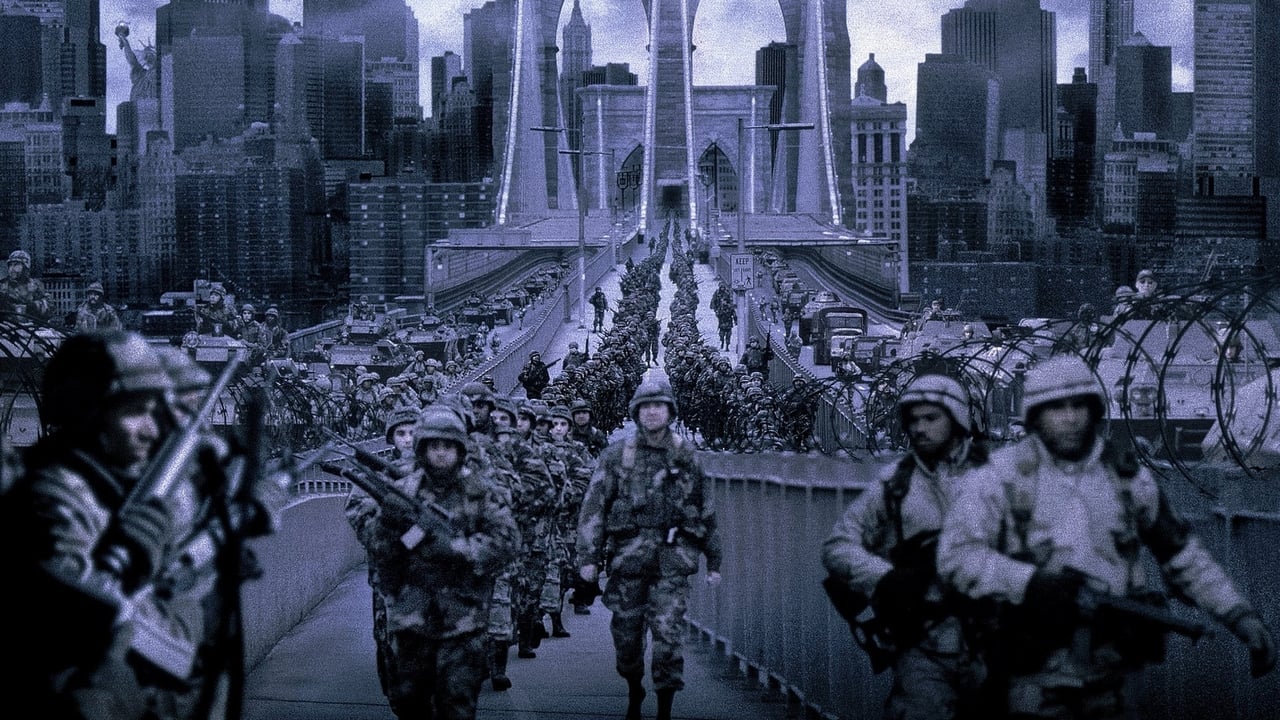

And then there’s Bruce Willis as General Devereaux. Stepping away from his usual wise-cracking action hero persona, Willis delivers a chilling performance. Devereaux isn't a mustache-twirling villain; he's portrayed as a patriot who genuinely believes his extreme measures are necessary. His calm certainty as he oversees the suspension of civil liberties is arguably the most frightening aspect of the film. It’s a stark reminder of how easily fear can pave the way for authoritarianism. Let's not forget Tony Shalhoub as Frank Haddad, Hubbard's partner, who brings warmth and serves as a vital audience surrogate, reacting with relatable horror as events spiral out of control. His personal connection to the community being targeted adds another layer of emotional weight.
### Echoes in the Present
Making a film like The Siege in the late 90s was ambitious. Shooting large-scale scenes involving military occupation (tanks rolling through Brooklyn!) on the actual streets of New York required significant logistical effort. The practical effects, particularly the infamous bus bombing sequence, retain a visceral impact often missing in today's CGI-heavy blockbusters. While budgeted at a hefty $70 million (around $130 million today), its worldwide gross of $116 million (roughly $216 million today) wasn't the runaway smash perhaps expected given the star power, possibly due to its challenging themes and the controversy it generated.
Yet, its legacy isn't really about box office numbers. It’s about the questions it dared to ask. How much freedom are we willing to sacrifice for security? What happens when fear overrides principle? These aren't comfortable questions, and The Siege doesn't offer easy answers. It presents a scenario, explores the potential consequences, and leaves the viewer to grapple with the implications. Does it sometimes lean into thriller conventions? Sure. Are there moments where the dialogue feels a bit on-the-nose? Perhaps. But its willingness to confront difficult truths head-on, packaged within a tense, well-crafted thriller framework, makes it stand out.
Rating: 8/10
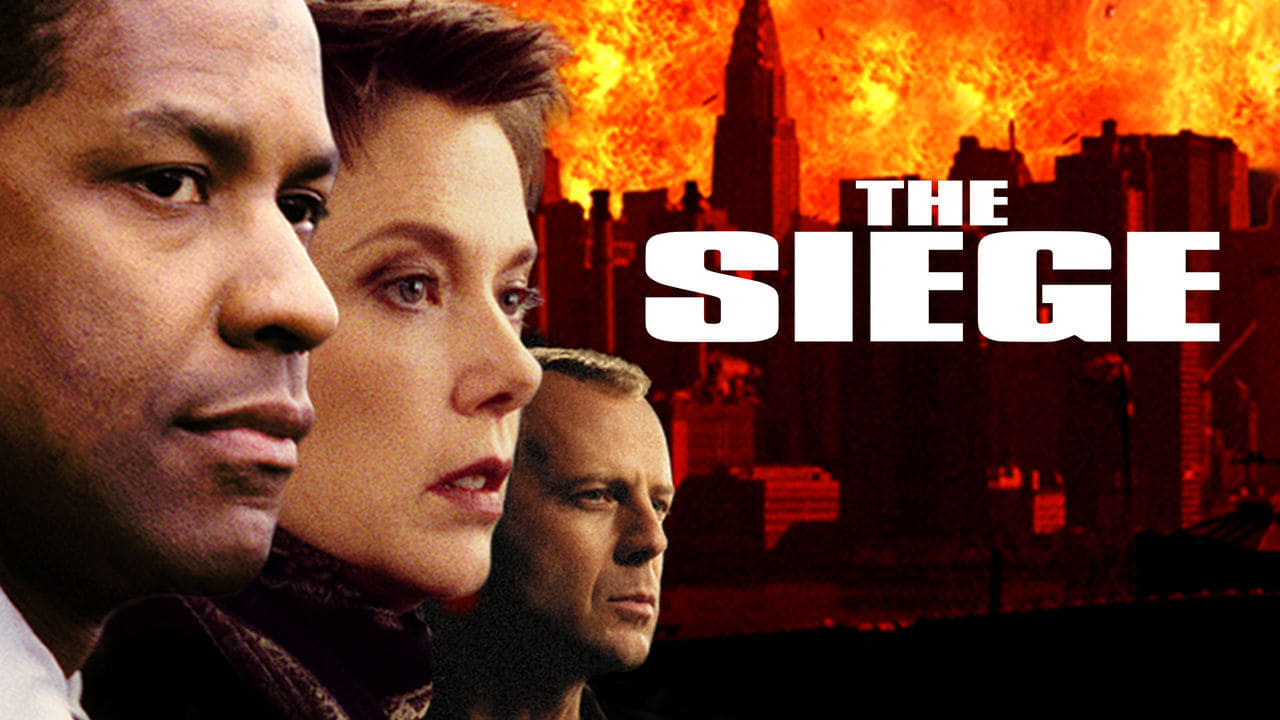
This score reflects the film's strengths: superb performances from its lead trio (especially Washington and Willis playing against type), Zwick's taut direction, its commendable ambition in tackling complex themes, and its unsettling prescience. It’s a gripping, thought-provoking thriller that uses the genre conventions not just for excitement, but to pose serious questions. While not without its flaws, particularly regarding some characterizations and the controversy it sparked, its relevance has only deepened over time.
The Siege remains a potent, uncomfortable watch, a stark reminder from the VHS shelf that the anxieties it depicted were not just Hollywood fiction, but shadows of challenges we continue to face. It lingers long after the credits roll, not just as entertainment, but as a cautionary tale.