The silence of an empty school after hours holds a unique kind of dread, doesn't it? The echoes in the hallways, the shadows stretching from empty classrooms... In 1998, South Korean director Park Ki-hyung tapped into this universal unease and twisted it into something uniquely chilling with Whispering Corridors (Yeogo goedam), a film that didn't just scare audiences; it resurrected a dormant genre in its home country and sent ripples across the international horror scene. Long before the major K-Horror wave hit Western VCRs and DVD players, this was the whisper that started it all, a melancholy ghost story wrapped in biting social commentary.

Ghosts of the Classroom
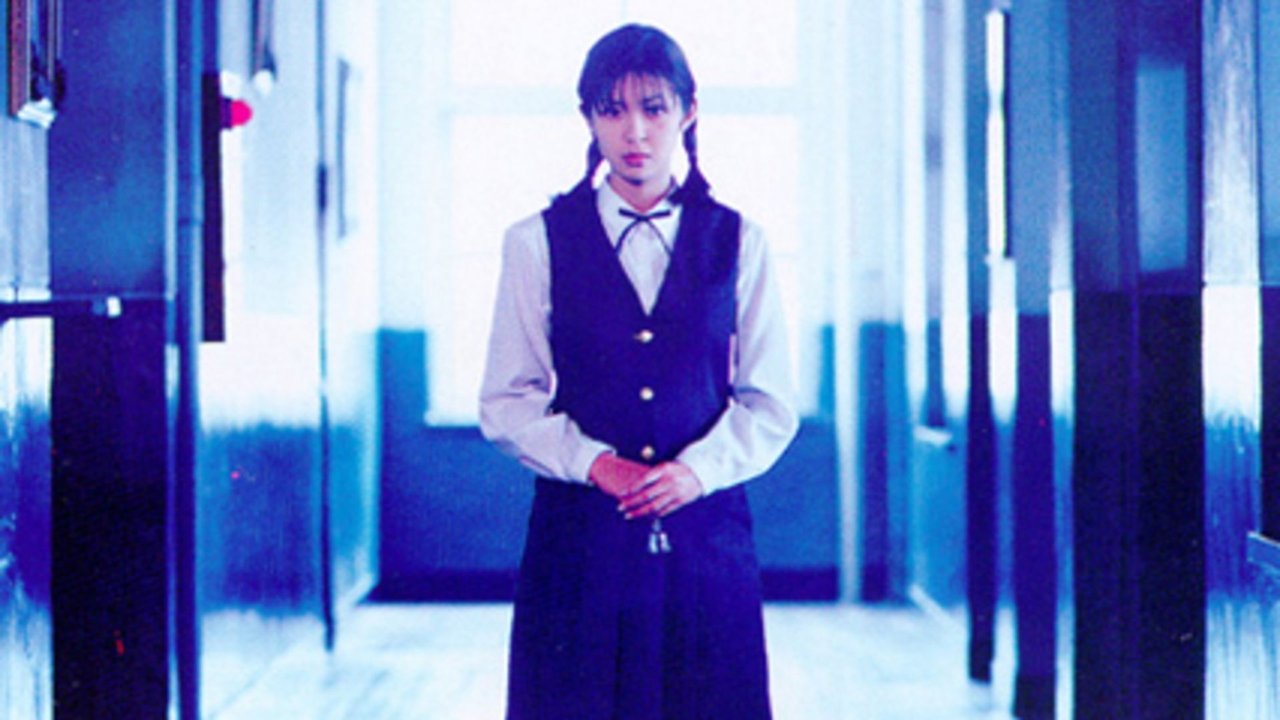
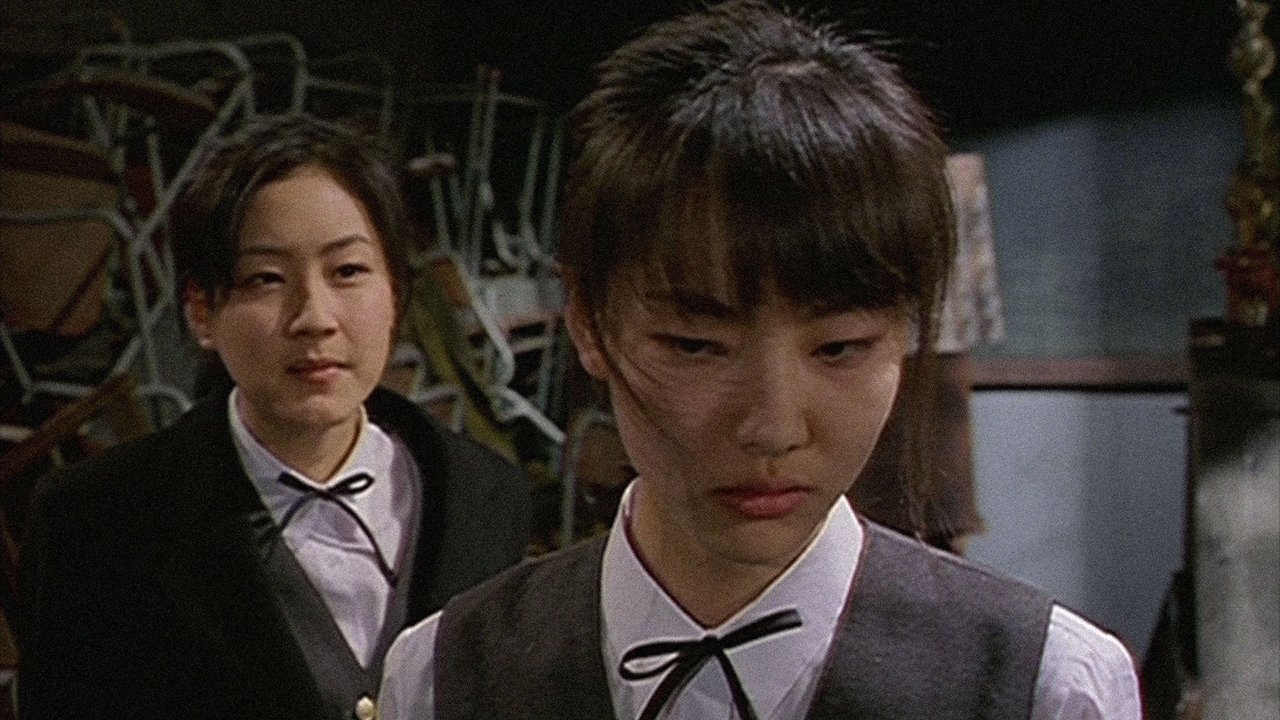
The setting is Jookran High School for Girls, an institution steeped in academic pressure, rigid conformity, and whispered legends. The story ignites when a disliked teacher, Ms. Park, known as "Old Fox," is found hanged, an apparent suicide. But as unsettling events escalate – strange noises, ghostly apparitions, and a pervasive sense of fear gripping the student body – it becomes clear that something far more sinister haunts these halls. The narrative primarily follows two students, the withdrawn Lim Ji-oh (Kim Gyu-ri) and the artistically inclined Yoon Jae-yi (Choi Kang-hee), alongside a returning alumna-turned-teacher, Hur Eun-young (Lee Mi-yeon), who shares a dark connection to the school's past.
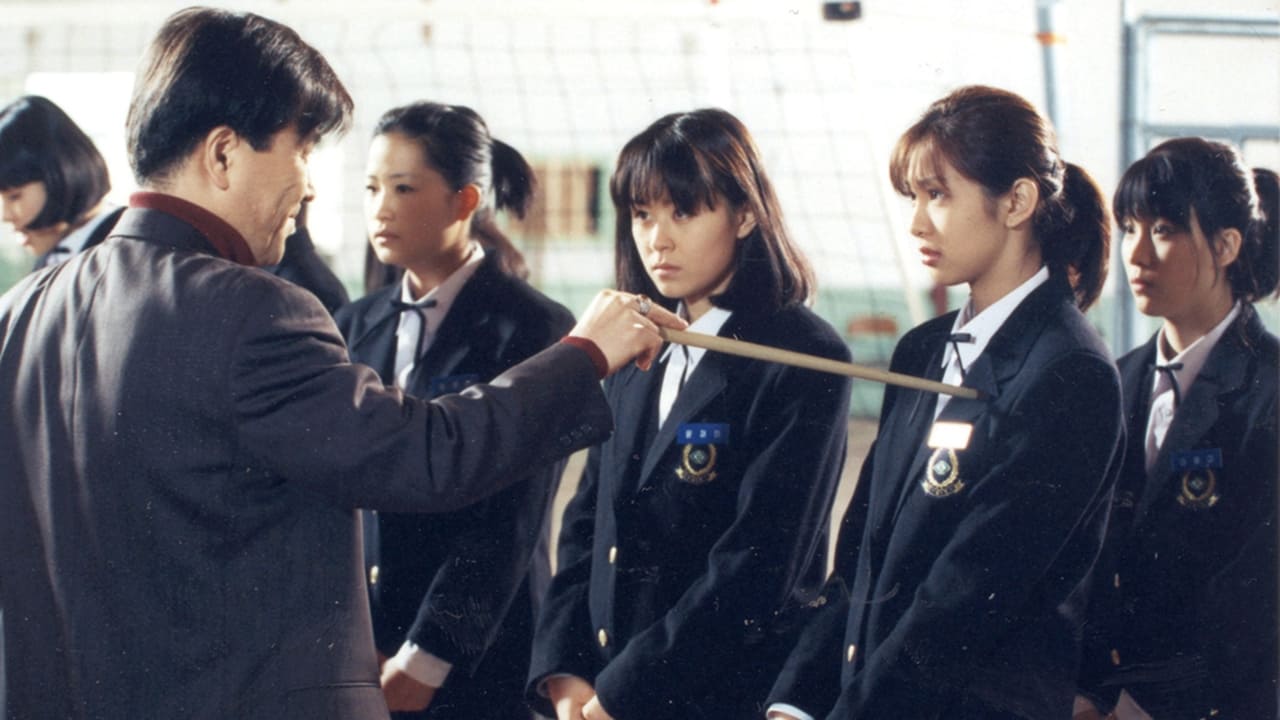
What sets Whispering Corridors apart, especially viewed decades later, is its deliberate pacing and focus on atmosphere over cheap shocks. Director Park Ki-hyung, who also co-wrote the script, crafts a pervasive sense of melancholy and dread. The horror isn't just supernatural; it's deeply rooted in the oppressive environment of the Korean education system of the time – the intense competition, the authoritarian teachers, the stifled creativity, and the crushing weight of expectation placed upon young women. The ghost story becomes a powerful metaphor for the trauma and repressed memories buried within the school's very walls. Remember the feeling of academic pressure back then? This film dials that anxiety up to eleven and gives it spectral form.
A Haunting Aesthetic
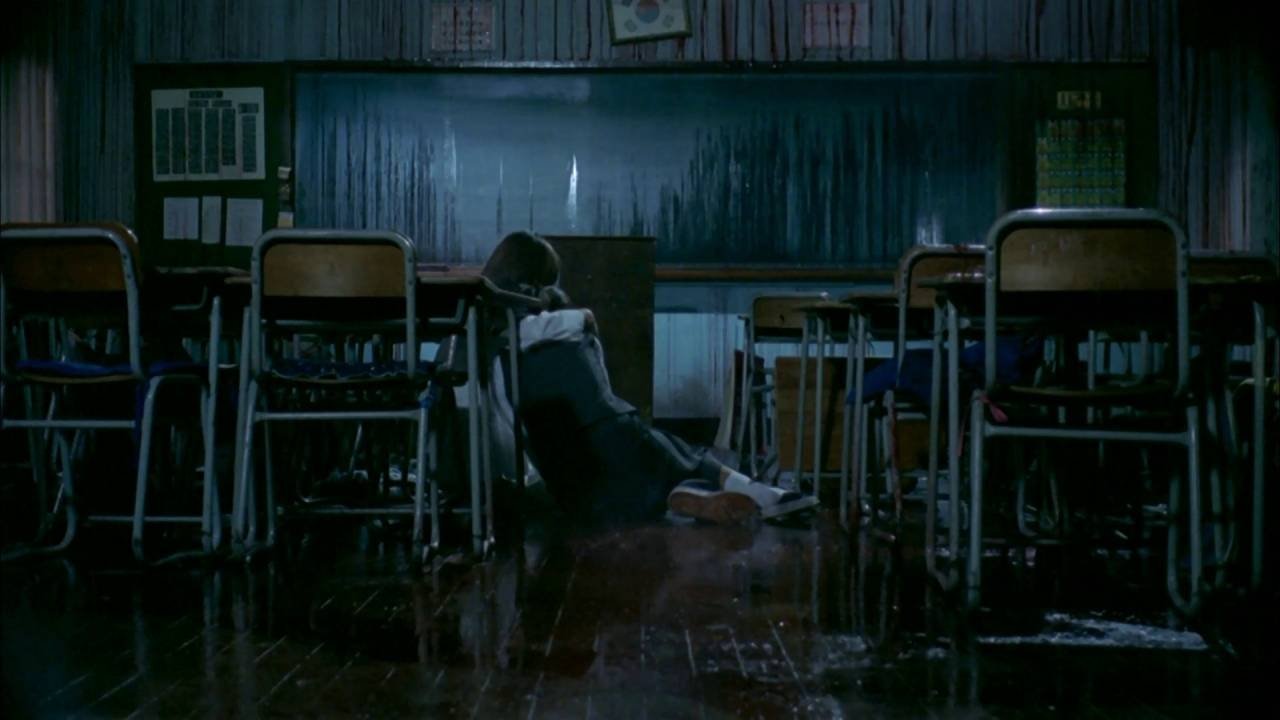
The film looks and feels authentically eerie. Shot primarily within real school locations, the production design uses the mundane familiarity of classrooms, corridors, and art studios to unsettling effect. The cinematography often employs long takes, lingering on empty spaces or framing characters in isolating compositions, amplifying the sense of vulnerability. The score is sparse but effective, relying more on unsettling silence and sudden, sharp sounds than a constant barrage of music. It’s the kind of sound design that made you lean closer to the CRT screen, straining to hear what might be lurking just out of frame.
While the ghostly effects might seem somewhat dated by today's CGI standards, they possess a certain tangible quality that still works. There’s a restraint here; the scares often rely on suggestion, fleeting glimpses, and unnerving stillness rather than overt gore. It taps into that primal fear of the unseen, the presence felt rather than explicitly shown, which often leaves a deeper chill. The performances from the young cast, including Kim Gyu-ri and Choi Kang-hee in early roles, are remarkably affecting, conveying vulnerability, fear, and the complexities of teenage friendships under duress. Lee Mi-yeon, already an established star, provides a grounding presence as the teacher haunted by her own past experiences at Jookran.
The Little Film That Could
It's fascinating to look back at the context of Whispering Corridors' release. Produced on a relatively modest budget (estimated around ₩700 million, roughly $600,000 USD at the time), it became a phenomenal success in South Korea, emerging as the second highest-grossing domestic film of 1998. This wasn't just a hit; it was a cultural moment, credited with single-handedly revitalizing the Korean horror genre, which had been languishing for years. Its success paved the way for countless K-Horror films that followed, establishing many of the thematic and stylistic tropes – the focus on female protagonists, social critique woven into supernatural tales, and that distinct blend of sadness and fear – that would define the movement.
The film's power lies in how it treated its subject matter with seriousness. It wasn't just about a vengeful spirit; it was a commentary on systems that can crush individuals, on friendships broken by secrets, and on the ghosts created by unresolved trauma, both literal and metaphorical. Did that deeper thematic resonance strike you back then, or was it purely the spectral chills that kept you glued to the screen? For many, it was likely a potent combination of both.
Legacy in the Halls
Whispering Corridors wasn't just a standalone success; it launched a franchise. Several sequels followed (though disconnected narratively, they share the haunted girls' school theme), including Memento Mori (1999) and Wishing Stairs (2003), each exploring different facets of horror within the educational setting. While some sequels are highly regarded in their own right, the original remains foundational, the film that proved Korean horror could be both commercially successful and artistically resonant. Its influence is undeniable, marking a significant turning point in modern Asian horror cinema.
Even now, revisiting this film evokes that specific late-90s atmosphere. It feels quieter, more patient than much contemporary horror, demanding the viewer soak in the dread rather than just react to jump scares. It’s a ghost story with a sorrowful heart, a critique wrapped in spectral chills, and a reminder that sometimes the most terrifying place can be the one you’re forced to inhabit every day.
---
Rating: 8.5/10
Justification: Whispering Corridors earns its high score for its groundbreaking impact on K-Horror, its masterful blend of supernatural dread and potent social commentary, and its incredibly effective atmospheric tension. The strong performances, moody cinematography, and unsettling use of the school setting create a truly haunting experience. While some effects may appear dated and the pacing is deliberately slow, these minor points don't detract significantly from the film's overall power and historical importance within the genre.
Final Thought: More than just a ghost story, Whispering Corridors is a chilling elegy for lost youth and a powerful indictment of oppressive systems, proving that the deepest horrors often stem from very human failings, echoing long after the VCR clicked off.