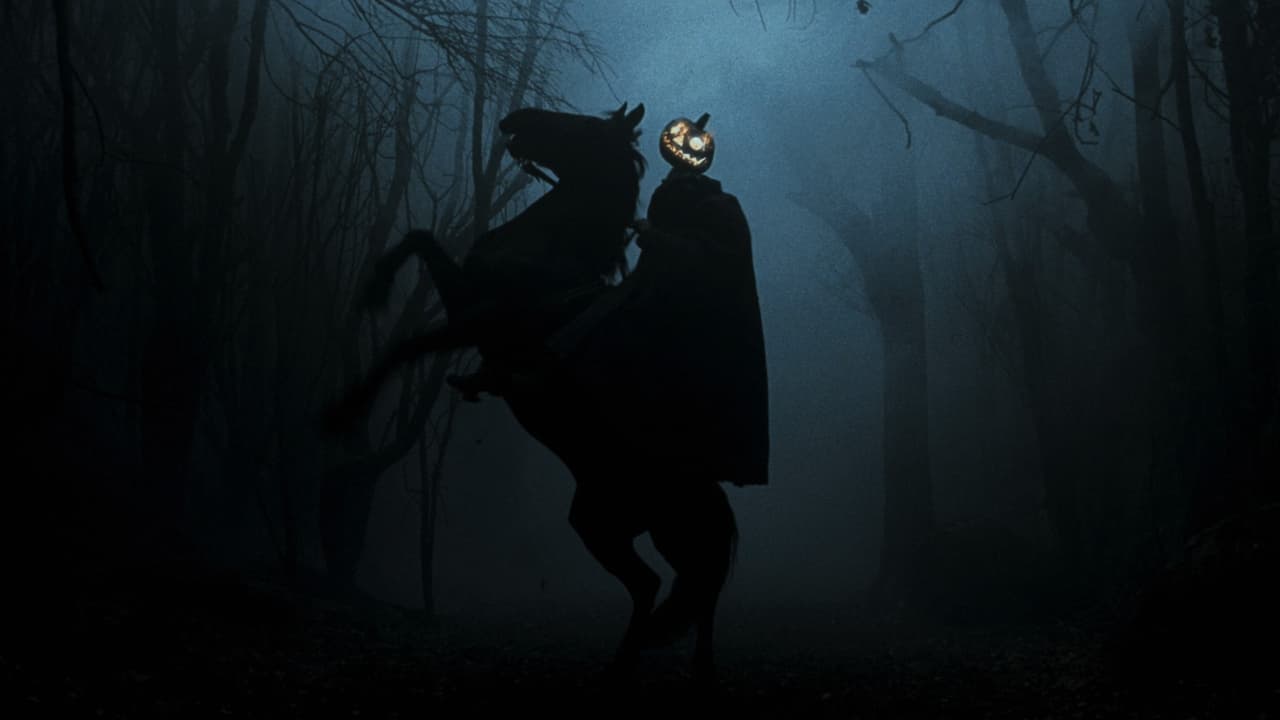
Heads will roll. It’s more than a threat whispered on the wind in this perpetually fog-shrouded corner of the Hudson Highlands; it’s a bloody promise kept with chilling regularity. Remember the first time you saw him? Not just a spectral legend, but a thundering nightmare made flesh – or rather, un-flesh. The gleam of the axe, the unnatural gait of the demonic steed, the chilling lack of a head atop those broad shoulders. Tim Burton’s Sleepy Hollow (1999) wasn't just another horror flick clogging the shelves at Blockbuster; it felt like reaching back through time and pulling a Hammer Horror classic, dripping with gothic dread and arterial spray, directly into the turn of the millennium.
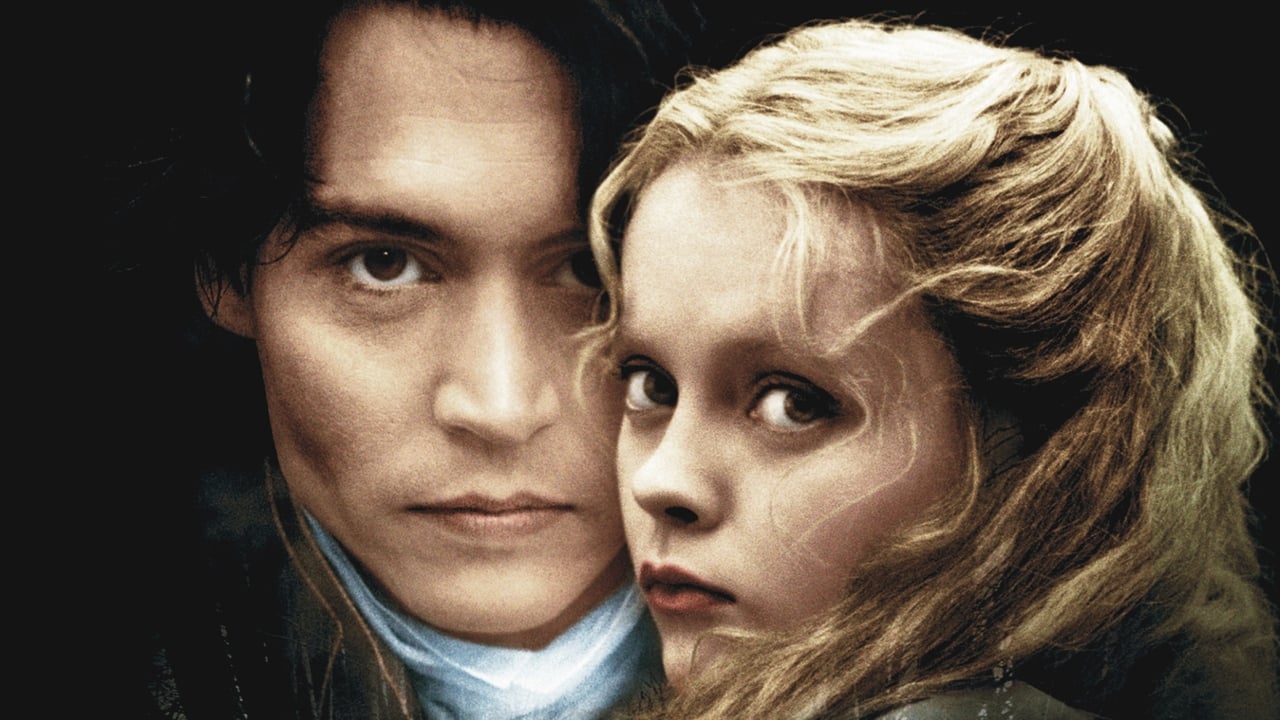
### A World Drenched in Shadow
From the opening moments, Burton plunges us into a meticulously crafted nightmare. The colour palette itself – desaturated blues, greys, and blacks, punctuated only by the shocking vibrancy of blood – feels oppressive, beautiful, and deeply unsettling. This isn't the quaint village of Washington Irving's tale; it's a place seemingly built from the encroaching forest, twisted and gnarled like the ancient Tree of the Dead at its heart. It’s astonishing to think that the entire village of Sleepy Hollow wasn't some perfectly preserved historical location, but was, in fact, largely constructed from scratch on soundstages and backlots at Leavesden Studios in England. This level of control allowed Burton and production designer Rick Heinrichs to imbue every crooked rooftop and fog-filled alley with a palpable sense of dread, a fairy tale gone rotten. The atmosphere is so thick you could choke on it, amplified by Danny Elfman’s haunting, operatic score – a perfect marriage of terror and melancholic beauty.
### Reason vs. The Razor's Edge
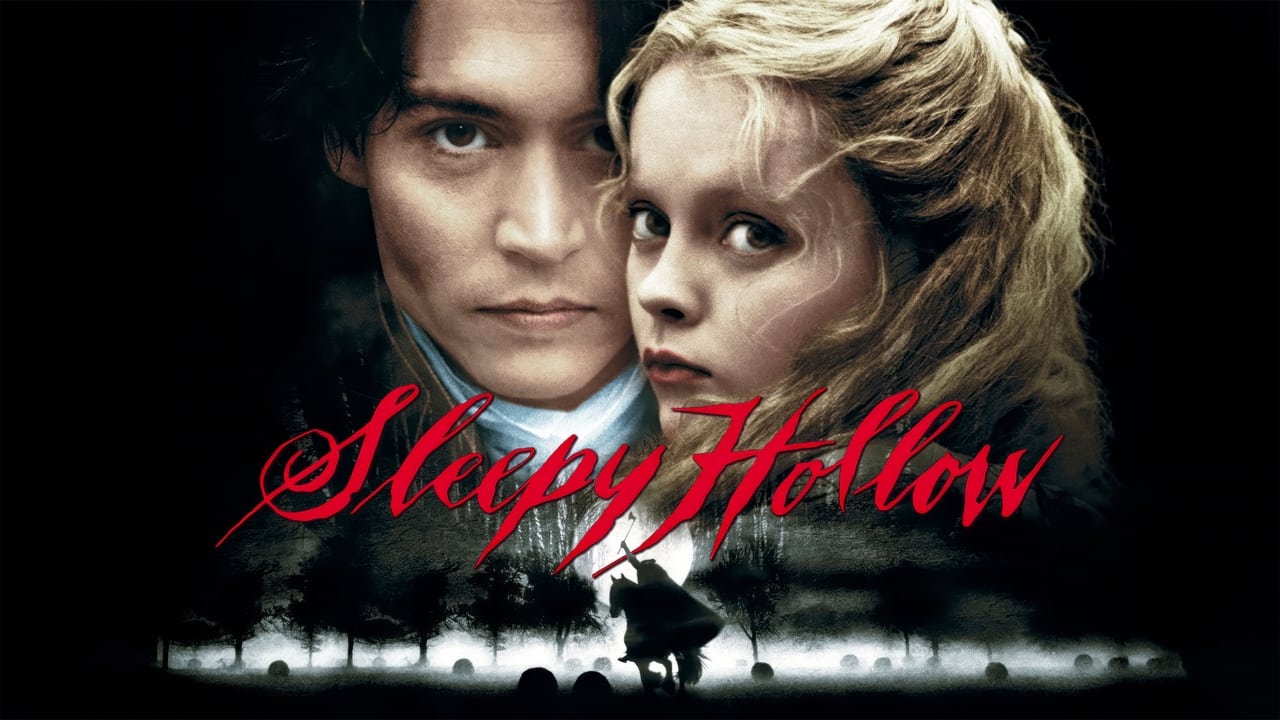
Into this superstitious cauldron steps Ichabod Crane, reimagined not as the gangly, opportunistic schoolmaster of the original story, but as a squeamish, yet determined New York constable obsessed with logic and nascent forensic science. Johnny Depp, in his third collaboration with Burton, delivers a performance that perfectly balances eccentric tics with genuine fear and resolve. His Crane is armed with bizarre, steampunk-esque gadgets and an unwavering belief in rational explanation, making his inevitable confrontation with the supernatural all the more compelling. Depp, ever committed, reportedly insisted on doing many of his own stunts, including being dragged by horses, adding a layer of physical vulnerability to Crane’s intellectual struggles. His wide-eyed terror when faced with the Hessian feels utterly genuine – doesn't that clash between 18th-century science and primal fear still resonate?
The script, penned by Se7en scribe Andrew Kevin Walker (with uncredited polishes by playwright Tom Stoppard), takes Irving's ghost story and injects a complex murder mystery conspiracy. Walker's original vision was reportedly even darker, leaning more heavily into visceral horror before being slightly leavened, a fascinating "what if" for fans. The story was actually first pitched by Kevin Yagher, the legendary effects artist behind Chucky, as a lower-budget slasher – a far cry from the opulent gothic spectacle Burton delivered on a budget estimated around $70 million, which ultimately pulled in a respectable $207 million worldwide.
### The Spectre of Violence
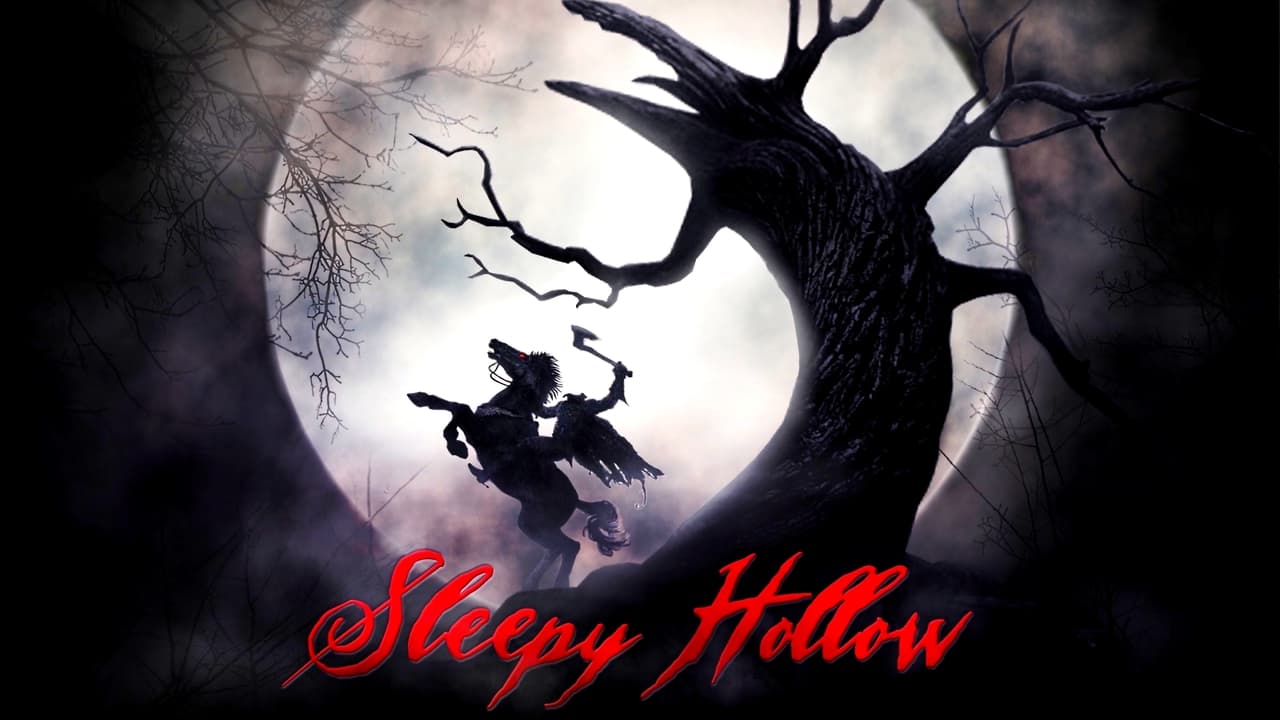
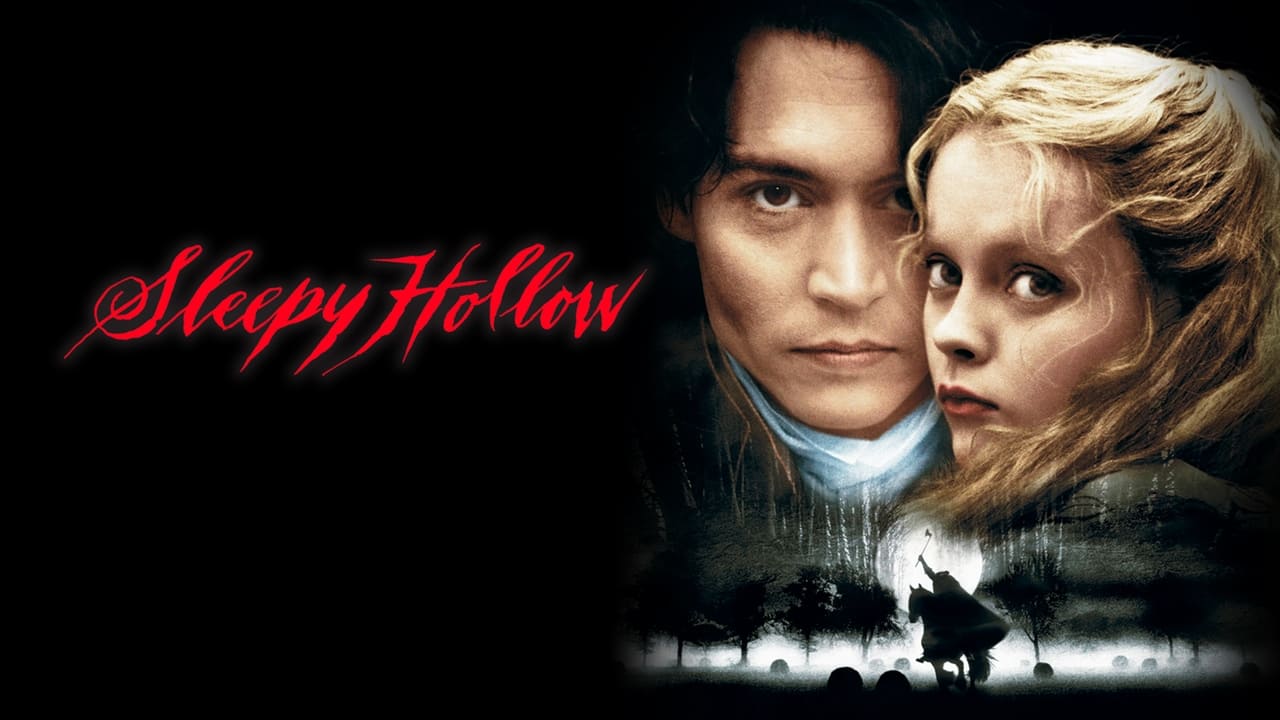
And then there's the Horseman himself. Burton wisely keeps his screen time impactful rather than constant. When he appears, it’s with brutal force. The film doesn't shy away from the decapitations – they are swift, messy, and frequent. While some digital augmentation was used, many of the effects relied on clever practical work, recalling the visceral impact of classic horror long before CGI dominance. And who could forget the brief, terrifying appearance of Christopher Walken as the Hessian Horseman before he lost his head? With sharpened teeth and eyes burning with psychotic fury, Walken creates an unforgettable image of pure menace in mere minutes, achieved mostly through brilliant makeup and prosthetic work. It’s a performance that haunts the film long after his (literal) departure.
Supporting players like Christina Ricci as the ethereal Katrina Van Tassel, harbouring secrets of her own, and Miranda Richardson as the icy Lady Van Tassel, add layers to the unfolding conspiracy. The ensemble cast, featuring stalwarts like Michael Gambon, Jeffrey Jones, and Christopher Lee in a memorable cameo, populates the town with figures oscillating between terrified victims and potential conspirators, keeping the audience guessing alongside Crane.
### A Gothic Legacy Cut Short?
Sleepy Hollow feels like peak late-90s Burton – a perfect synthesis of his gothic sensibilities, dark humour, and fascination with the macabre outsider. It pays loving homage to the Hammer Horror films Burton grew up watching, particularly in its blend of atmospheric dread and graphic violence, yet feels distinctly modern in its pacing and visual flair. It remains one of his most visually stunning and atmospherically coherent films, a dark fairy tale that fully embraces its horror roots. While perhaps lacking the deeper emotional resonance of Edward Scissorhands (1990) or the zany energy of Beetlejuice (1988), it excels as a thrilling, gorgeous piece of gothic entertainment.
Was it the last truly great gasp of that specific Burton magic before his style perhaps became more familiar? Maybe. But watching it again on a dark night, the fog seems to curl right out of the screen, the thunder of hooves echoes unnervingly, and the chill is undeniable. It’s a film that understood the beauty in decay, the thrill in terror, and the enduring power of a legend whispered in the dark. I distinctly remember the heft of that clamshell VHS case, the slightly worn tape promising shadows and scares – a promise Sleepy Hollow delivered, and still delivers, with decapitating style.
Rating: 8.5/10
Justification: The score reflects the film's masterful atmosphere, stunning production design, strong central performance, and effectively gruesome horror elements. It's a visual feast and a thrilling gothic mystery. While the plot's conspiracy elements can feel a touch convoluted on close inspection, and some supporting characters are less developed, the overall execution, mood, and Burton's singular vision make it a standout of late-90s horror cinema and a high point in his filmography.
Final Thought: More than just a stylish slasher, Sleepy Hollow remains a benchmark for modern gothic horror, proving that sometimes, the most terrifying monsters are the ones born from human greed, wrapped in the cloak of superstition.