Okay, rewind your minds back to the glorious twilight of the 90s, specifically 1999. Blockbuster shelves were still a battleground, DVD was the shiny new kid, but that trusty VCR was still getting a workout. And popping up right before the millennium madness was a comedy concept so brilliantly simple, yet utterly inspired, it felt like a lightning strike: what if a hardened mob boss had a mid-life crisis and needed therapy? That premise alone was enough to make Analyze This a must-rent back in the day.
### The Couch and The Capo
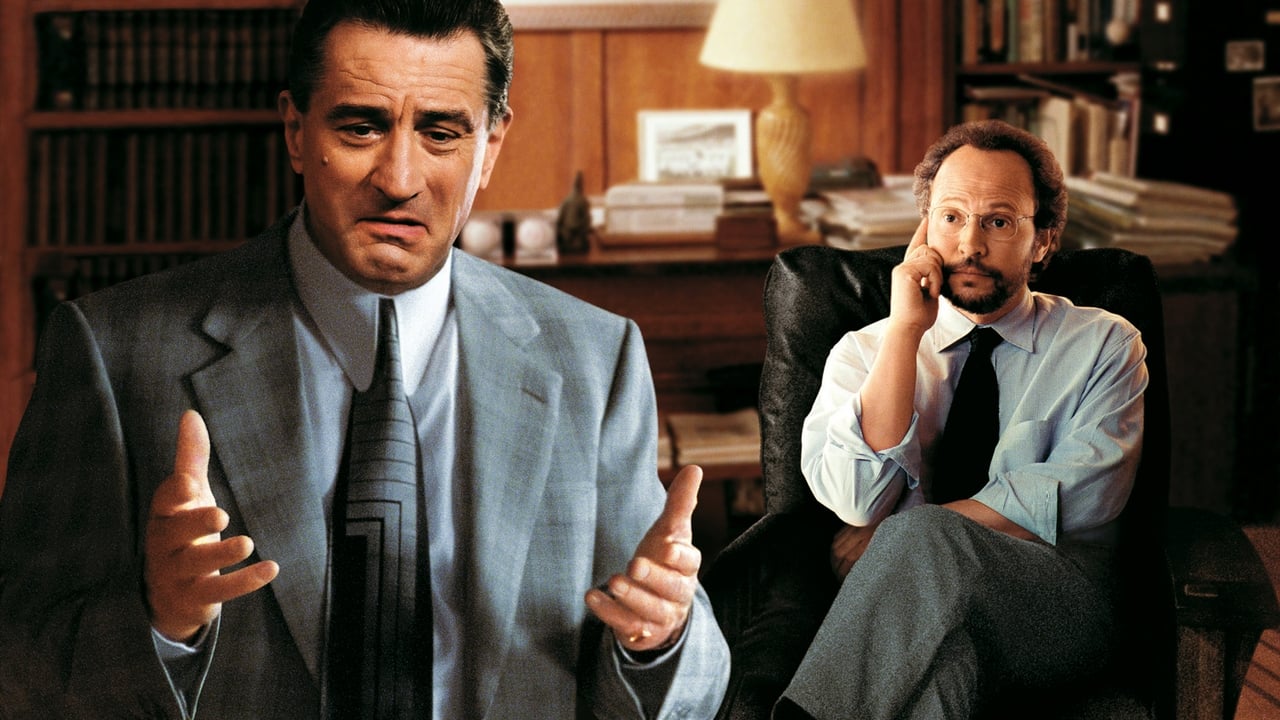
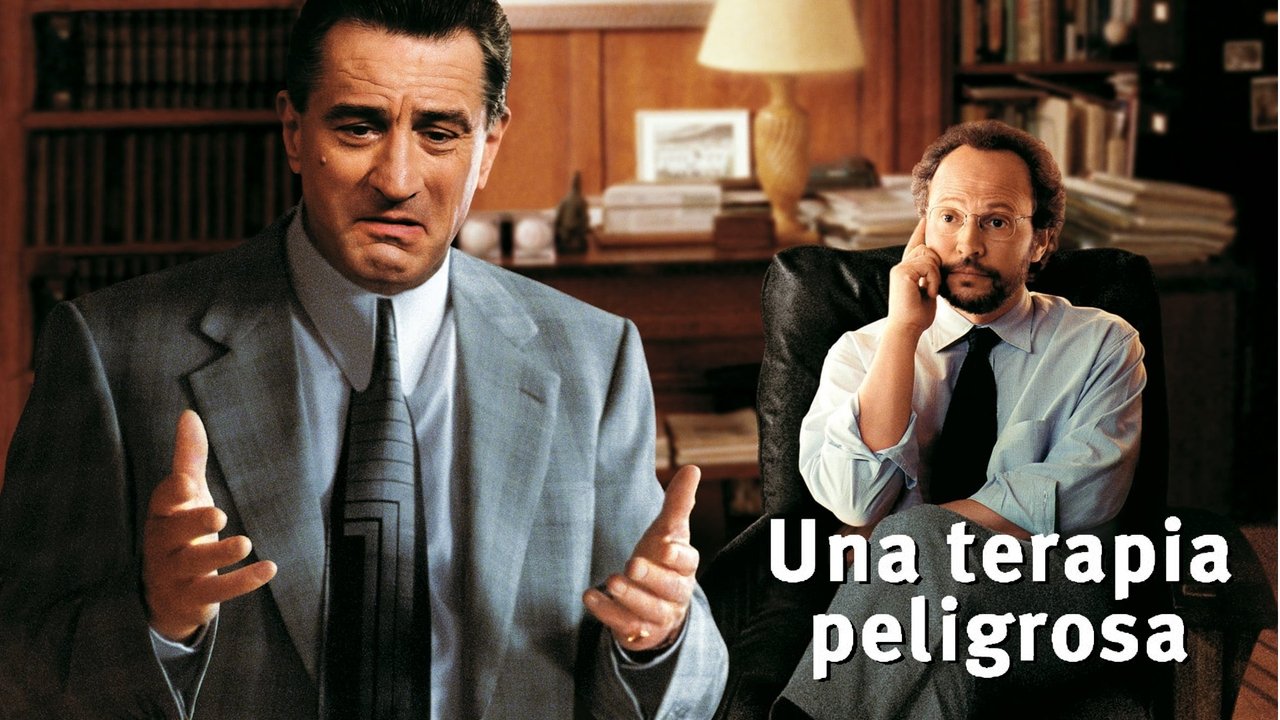
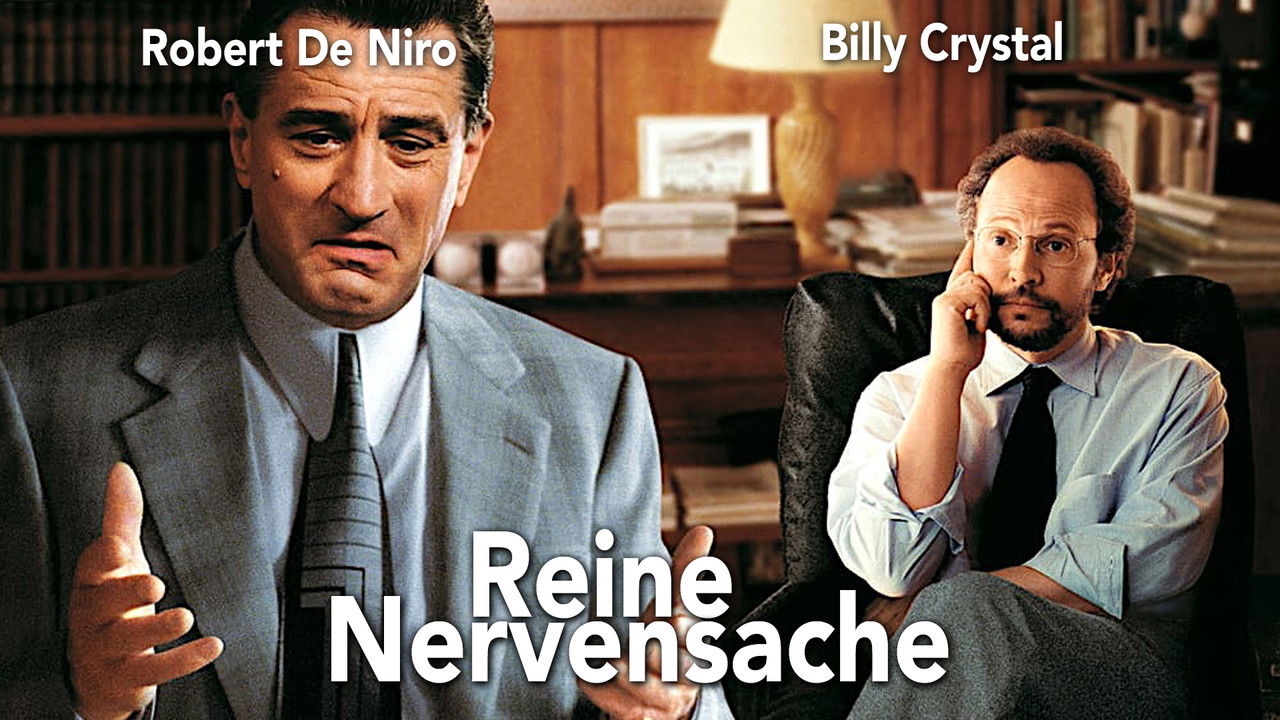
The setup is pure gold. Paul Vitti, played by none other than Robert De Niro, is a powerful New York crime family head suddenly crippled by anxiety attacks. He can barely whack a guy, let alone attend a crucial sit-down with rival families. Desperate times call for desperate measures, leading him (via reluctant consigliere Jelly, the perfectly cast Joe Viterelli) to the doorstep of suburban psychiatrist Dr. Ben Sobel, brought to neurotic life by Billy Crystal. Sobel, stressed about his impending wedding to the sharp Laura McNamara (Lisa Kudrow, fresh off Friends fame), wants absolutely nothing to do with this terrifying, emotionally volatile new patient who demands sessions at gunpoint and discusses violent urges with alarming frankness. The clash between Vitti's underworld menace and Sobel's therapeutic jargon is where the magic happens.
### De Niro Does Funny (Really Funny)

Let's be honest, the main draw here was seeing Robert De Niro, the man who was Travis Bickle, Jake LaMotta, and Jimmy Conway, send up his own legendary tough-guy persona. And he absolutely nails it. It wasn't his first comedy, but this felt different. He wasn't just playing against type; he was playing with it, injecting Vitti with genuine vulnerability beneath the bluster. There’s a scene where Vitti breaks down weeping while watching a sentimental phone commercial – it’s hilarious precisely because it’s De Niro doing it, yet somehow, weirdly touching too. Apparently, De Niro even checked in with his frequent collaborator Martin Scorsese before taking the plunge, unsure if audiences would buy him in such a comedic role. They absolutely did. His performance is a masterclass in controlled absurdity, finding the humour in Vitti’s attempts to apply psychobabble to mob life ("You… you're good!").
Billy Crystal, meanwhile, is the perfect foil. He channels the everyday guy overwhelmed by extraordinary circumstances, his escalating panic and exasperated reactions providing a constant counterpoint to Vitti’s intensity. Remember his frantic attempts to maintain doctor-patient confidentiality while being strong-armed into attending mob meetings? Crystal's timing is impeccable, reacting not just with fear, but with a growing, bewildered understanding of his patient's twisted world. The chemistry between these two leads is electric; their scenes together are the heart and soul of the film.
### Ramis Pulls the Strings
Behind the camera was the late, great Harold Ramis, a director who knew his way around high-concept comedy, having given us stone-cold 80s classics like Caddyshack (1980) and Ghostbusters (1984). Ramis keeps the pace snappy and lets his stars shine, balancing the fish-out-of-water elements with genuine character moments. The script, co-written by Ramis, Kenneth Lonergan (who would later direct Manchester by the Sea), and Peter Tolan, is packed with quotable lines and clever situations that milk the premise for all its worth without feeling strained. It manages to be both a sharp mob satire and a surprisingly effective buddy comedy. A little trivia nugget: the film landed in theatres just two months after a certain HBO show called The Sopranos debuted, making 1999 a fascinating year for exploring the psyche of the modern mobster, albeit from wildly different angles. Analyze This provided the big laughs counterpart to Tony Soprano's heavy drama.
### That Late 90s Shine
Watching it now, Analyze This feels very much like a product of its time, in the best way. It lacks the hyper-polished, often CGI-heavy look of modern comedies. There's a grounded feel to its New York and Florida locations, a certain straightforwardness in its filmmaking that feels comfortable, like slipping on an old favourite jacket. The humour lands effectively without feeling overly cynical or mean-spirited, relying on character and situation rather than gross-out gags. It hit big, too, pulling in over $177 million worldwide against its budget (reportedly around $80 million, though figures vary), proving audiences were definitely ready to see Bobby D lighten up. It even spawned a less-memorable sequel, Analyze That (2002), but the original remains the standout.

Rating: 8/10
This score reflects the film's brilliant central pairing, De Niro's comedic masterstroke, sharp writing, and Harold Ramis's assured direction. It loses a couple of points perhaps because some plot mechanics feel a tad convenient, and the ending wraps things up maybe a little too neatly. But the core concept and the execution by its leads are so strong, delivering consistent laughs anchored in surprisingly effective character work.
Final Take: Analyze This was the perfect high-concept comedy chaser for the end of the VHS era – smart, funny, and featuring an iconic actor hilariously riffing on his own image. It holds up beautifully, a reminder of a time when star power and a clever premise could deliver pure, unadulterated entertainment without needing a million explosions (just maybe a few emotional ones). Still highly recommended for a dose of late-90s comfort comedy.