Okay, let's rewind the tape to the year 2000. DVD was starting to make noise, but the familiar click and whir of a VHS cassette still felt like home video prime time. Tucked amongst the action blowouts and teen comedies on the rental store shelf was a curious beast: The Whole Nine Yards, pairing America's favorite neurotic sitcom friend with one of Hollywood's most iconic tough guys. It sounded like a gimmick, maybe even a disaster waiting to happen, but what unspooled was a surprisingly slick, darkly funny, and twisty crime caper that punched well above its weight.
### When Chandler Met McClane
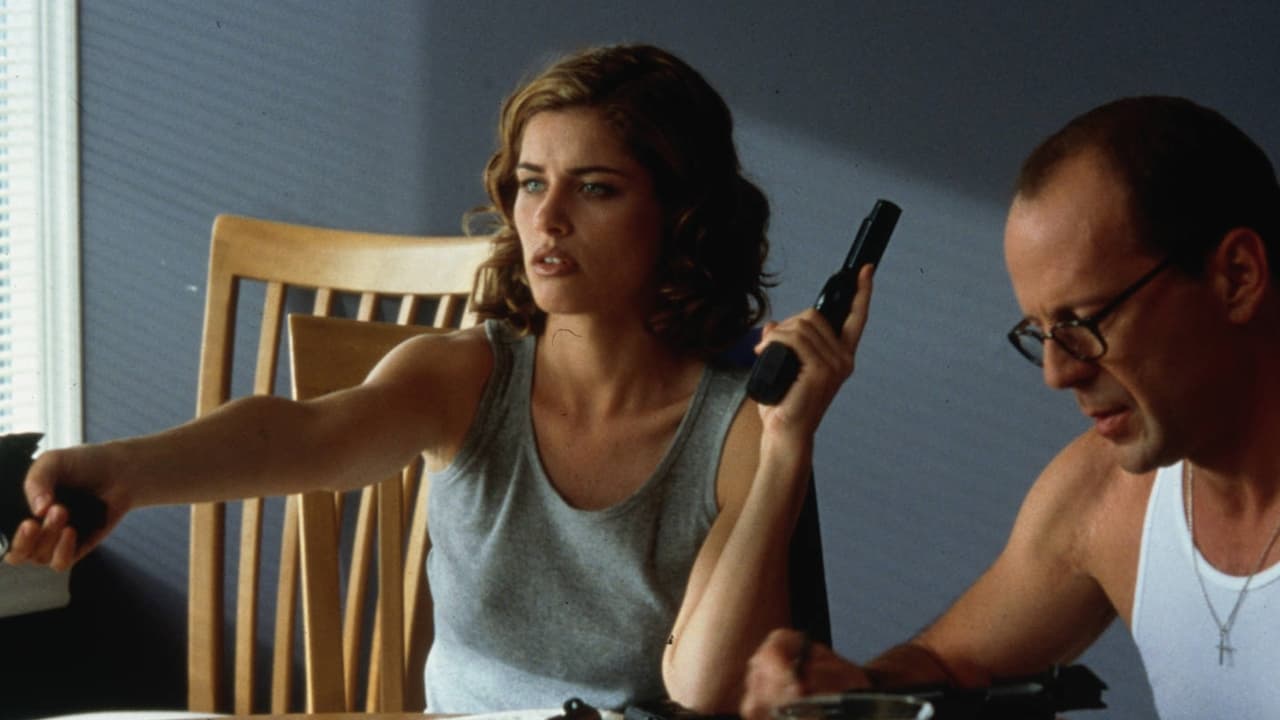
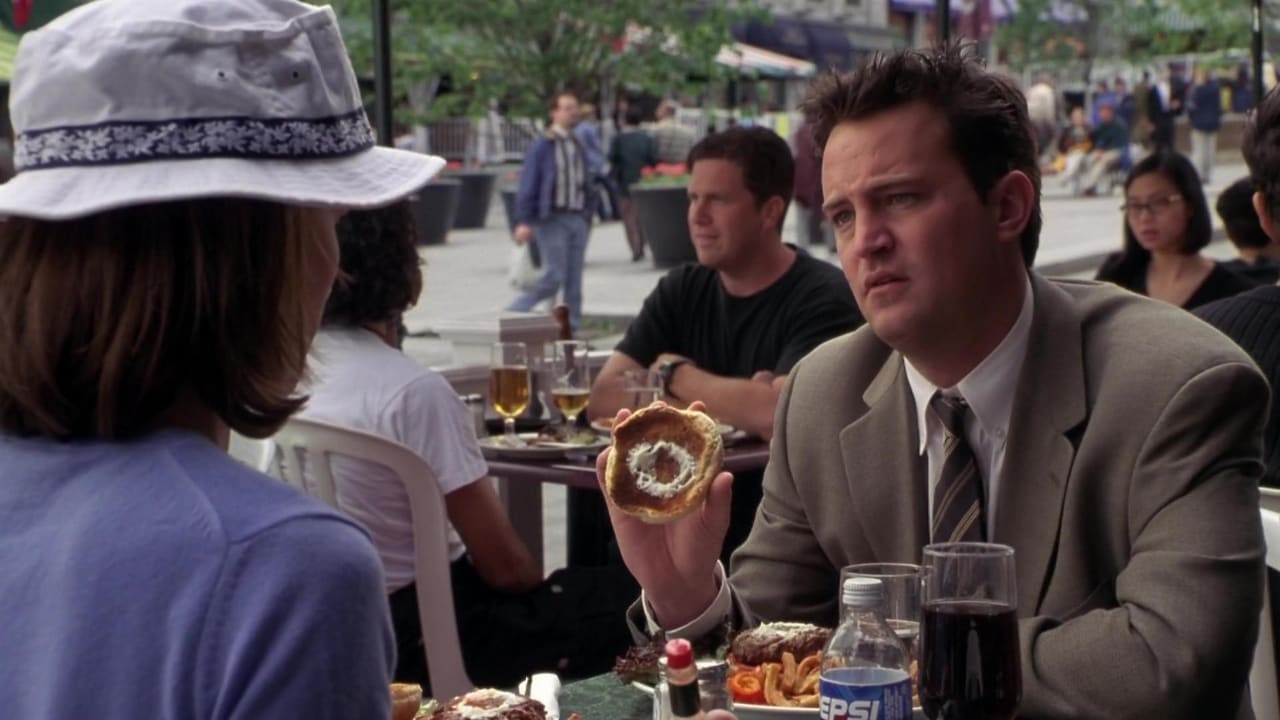
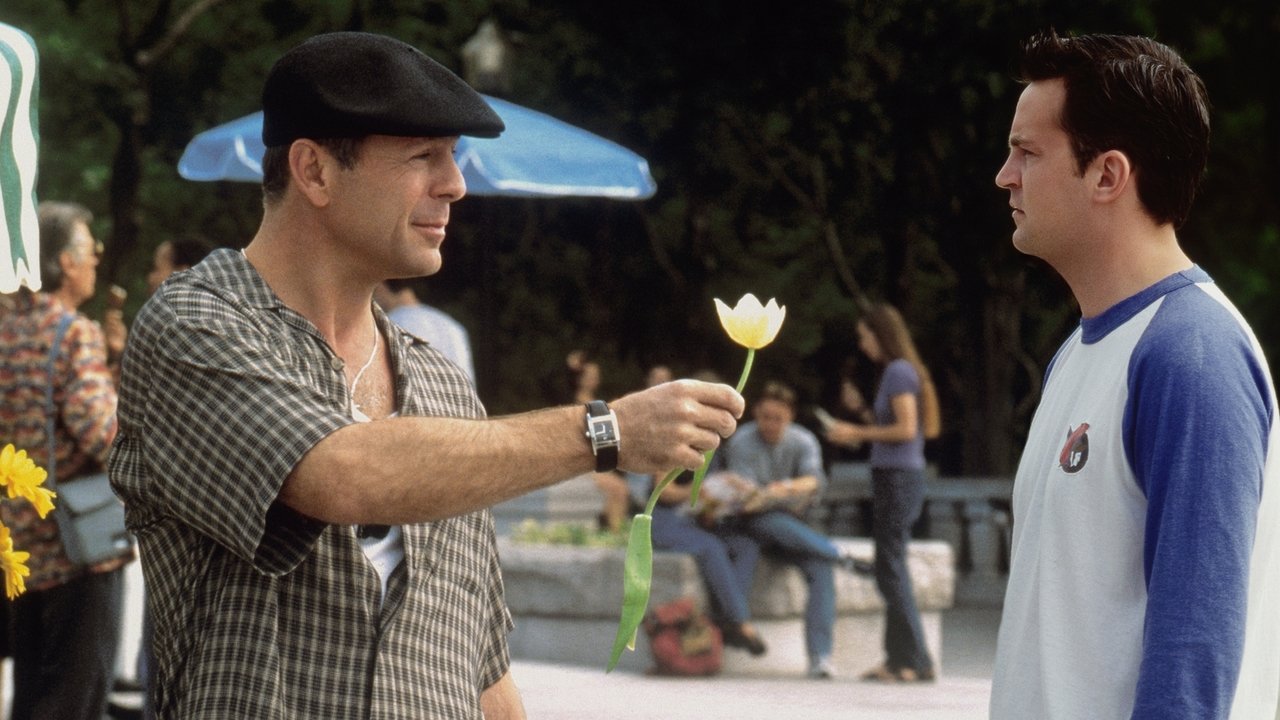
The premise alone had a hook: Nicholas "Oz" Oseransky (Matthew Perry), a nebbish, debt-ridden dentist trapped in a loveless marriage in suburban Montreal (standing in quite convincingly for Chicago, by the way – a classic budget-stretching move!), discovers his new neighbour is none other than Jimmy "The Tulip" Tudeski (Bruce Willis), a notorious Chicago hitman hiding out after ratting on his former mob associates. Oz's greedy, venomous wife Sophie (Rosanna Arquette, chewing scenery with glorious abandon) immediately sees dollar signs, pushing Oz to fly to Chicago and betray Jimmy to the mob for a finder's fee. What follows is a cascade of double-crosses, shifting alliances, and unexpected romance, all soaked in a distinctly cynical, yet somehow charming, brand of humour.
This was a fascinating moment for Matthew Perry. Deep in the throes of Friends mega-stardom, stepping into an R-rated dark comedy opposite Bruce Willis was a bold move. Could Chandler Bing handle mobsters and murder plots? Absolutely. Perry weaponizes his trademark anxiety and physical comedy, making Oz’s mounting panic both hilarious and relatable. You feel every bead of sweat, every stammered lie. It wasn't just Chandler with a dental drill; Perry found a frantic energy that perfectly counterbalanced Willis's cool menace. Apparently, the two stars hit it off famously on set, improvising lines and fostering a chemistry that radiates off the screen.
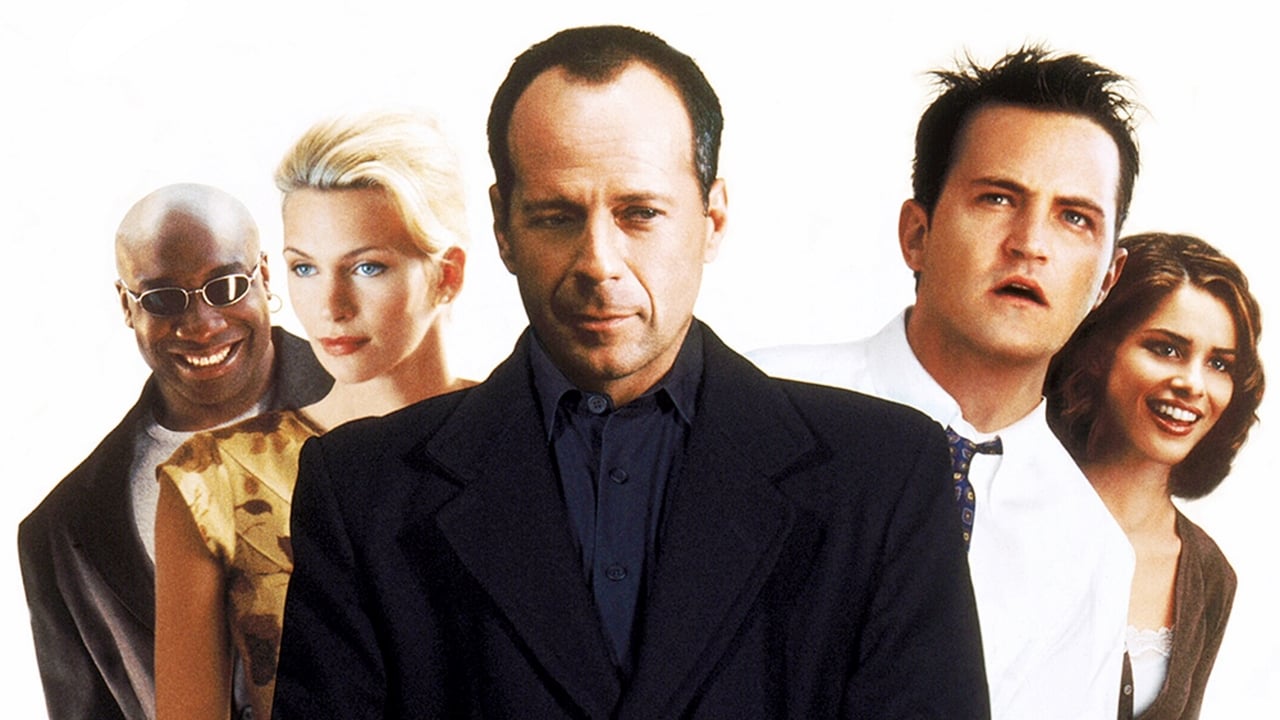
Bruce Willis, meanwhile, leans into his effortless charisma, but twists it. Jimmy "The Tulip" is smooth, dangerous, and surprisingly... likable? Willis plays him with a twinkle in his eye, a man utterly comfortable with violence but also possessing a strange sort of honour. He’s not just the stoic action hero here; there’s a playful intelligence behind the killer instinct. It's the kind of role Willis excelled at – using his established screen persona to create something slightly unexpected. Remember, this was post-Sixth Sense (1999) Willis, reminding everyone of his range beyond explosions, though he still handles the film's bursts of violence with practiced ease.
### Scene-Stealers and Twisty Turns
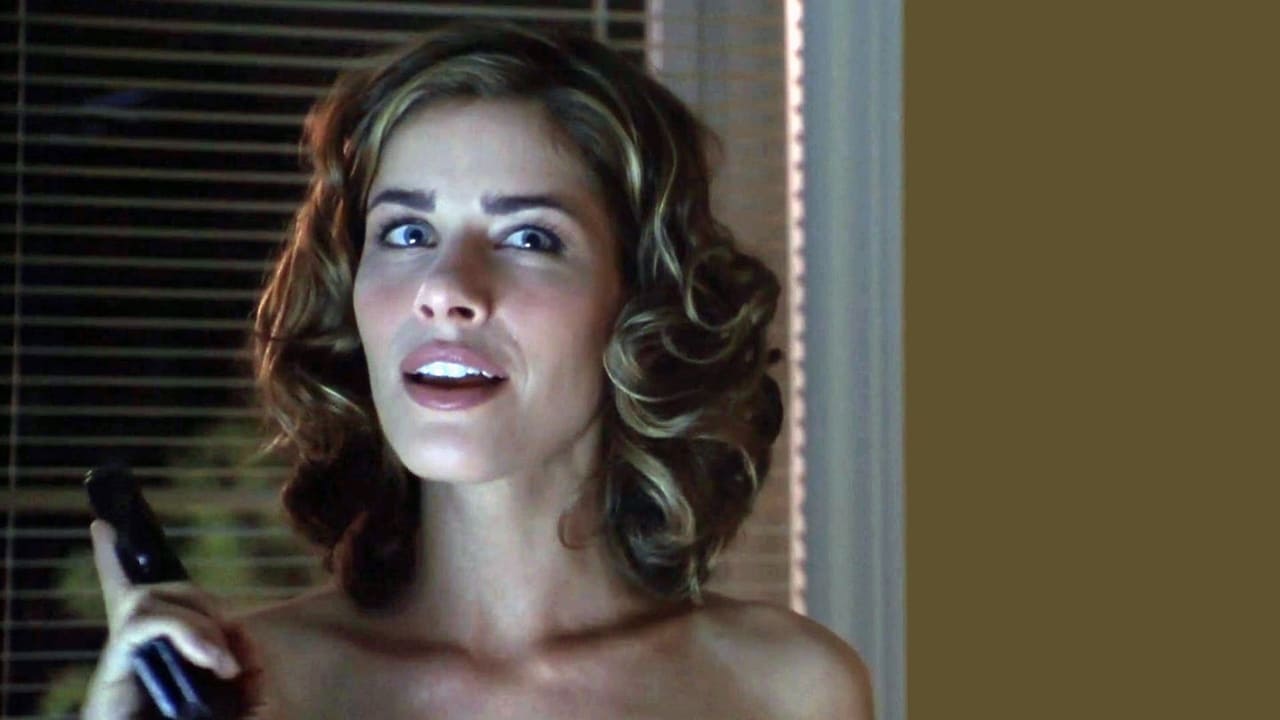
While the two leads are the main draw, The Whole Nine Yards boasts a killer supporting cast that elevates the entire affair. Michael Clarke Duncan, fresh off his Oscar nomination for The Green Mile (1999), is unforgettable as Frankie Figs, a hulking enforcer with a surprisingly gentle demeanor beneath the menace. Natasha Henstridge brings a cool, calculating presence as Jimmy's estranged wife Cynthia, integral to the plot's many twists. And then there's Amanda Peet as Jill St. Claire, Oz's dental assistant who dreams of being a hitwoman. Peet arguably steals the entire movie; her infectious energy, wide-eyed enthusiasm for contract killing, and surprising competence make Jill an instant audience favourite. It felt like a star-making turn, injecting pure, unadulterated fun into the proceedings. Reportedly, Peet fully committed, even doing some of her own stunt driving.
The film, directed by Jonathan Lynn (who already proved his knack for witty courtroom chaos with My Cousin Vinny (1992)), thrives on its pretzel logic plot. Just when you think you know who’s playing whom, the script by Mitchell Kapner pulls another rug out. It’s not deeply complex, but it’s cleverly constructed, keeping the audience guessing without feeling convoluted. The humour is dark – jokes about murder, dismemberment, and betrayal fly fast – but Lynn keeps the tone light enough that it never becomes genuinely unpleasant. It walks a fine line, managing to be both cynical and breezy.
### That Turn-of-the-Millennium Vibe
Watching The Whole Nine Yards now definitely evokes that specific late-90s/early-2000s feel. The fashion, the dialogue, the slightly glossy but still grounded aesthetic – it's a product of its time, but in an endearing way. This wasn't a film relying on CGI spectacle; the action beats, like the climactic shootout, feel relatively grounded, focusing on character reactions and sudden bursts of violence rather than elaborate set pieces. It relied on star power, sharp writing, and precise comedic timing.
The film was a solid hit back in the day, pulling in over $106 million worldwide against a $41 million budget. Critics were somewhat divided, but audiences responded to the chemistry and the twists, making it a staple on video store shelves and cable rotations for years. It even spawned a less-loved sequel, The Whole Ten Yards (2004), which sadly failed to recapture the magic.
Rating: 7.5 / 10
Justification: The Whole Nine Yards earns its score through the sheer power of its cast chemistry, particularly the inspired pairing of Perry and Willis. The cleverly constructed plot, peppered with genuine laughs and standout supporting turns (especially Amanda Peet), makes for a highly entertaining watch. It loses a couple of points for some humour that hasn't aged perfectly and a slightly formulaic feel in its final act, but its strengths far outweigh its weaknesses. It’s a prime example of a studio comedy from that era done right – smart, funny, and effortlessly cool.
Final Take: This is pure turn-of-the-millennium comfort food – a slick, funny hitman comedy powered by star charisma and witty twists. It’s the kind of movie that felt like a great find at Blockbuster, perfect for a Friday night watch with a fuzzy picture and maybe a pizza. Still holds up? Mostly, yes – especially if you appreciate sharp dialogue and watching actors play delightfully against type.