What happens when artistic aspiration collides head-on with brute-force pragmatism, seasoned with a dash of mob money? That's the deliciously cynical, yet somehow still charming, cocktail served up by Woody Allen in Bullets Over Broadway (1994). Watching it again recently, flicking through those mental channels back to when I first slid this tape into the VCR, I was struck by how sharp its central questions remain. It’s a film that asks, with a wry smile, just who gets to call themselves an artist, and what compromises are we willing to make for a shot at brilliance?
Broadway Dreams and Gangland Schemes
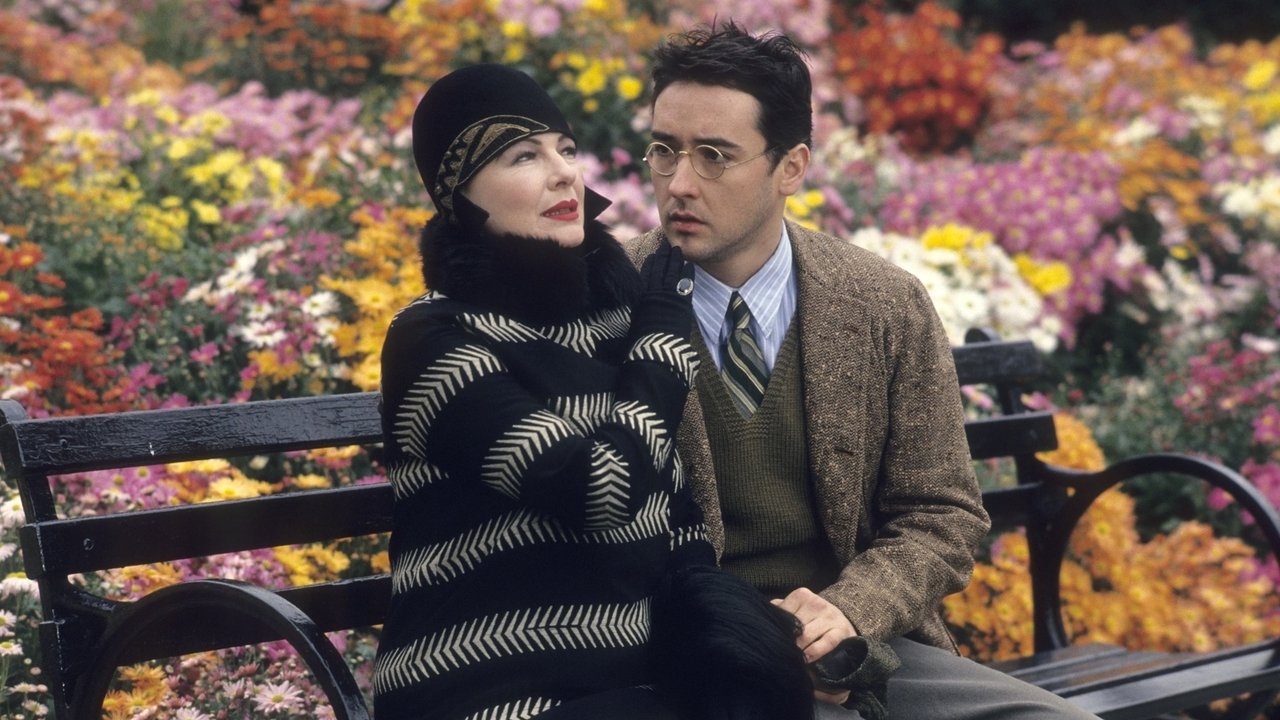
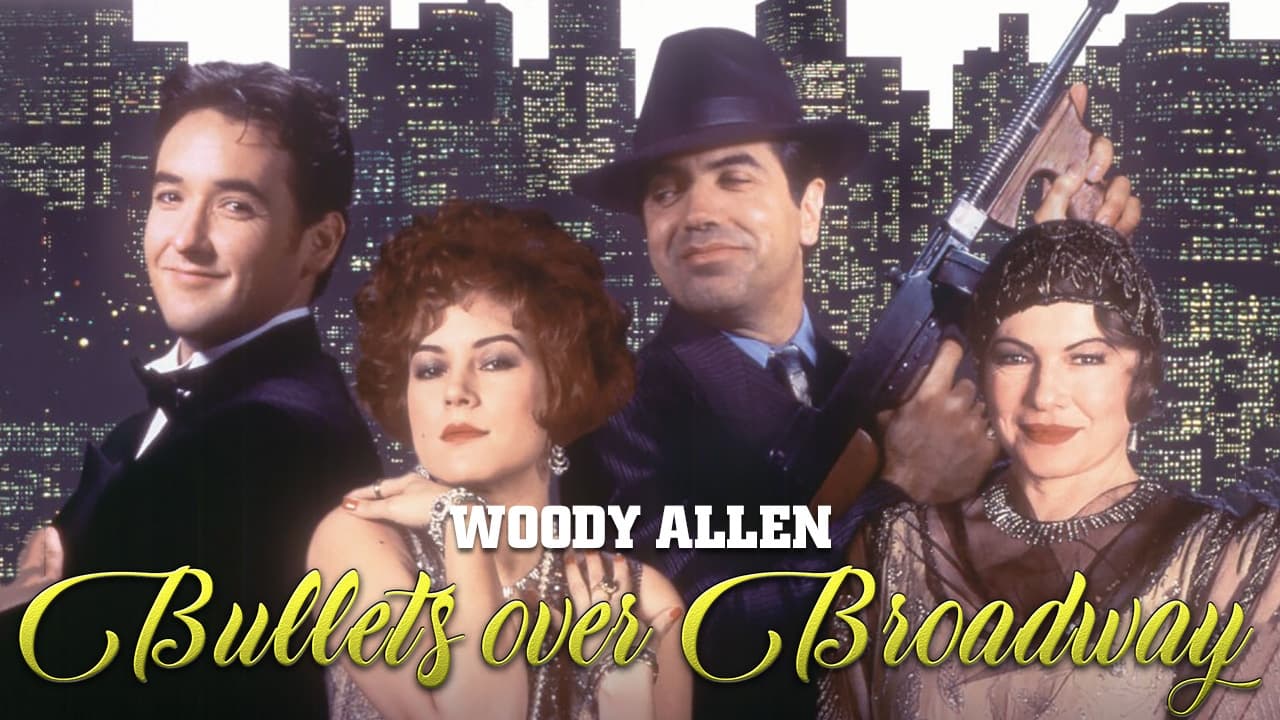
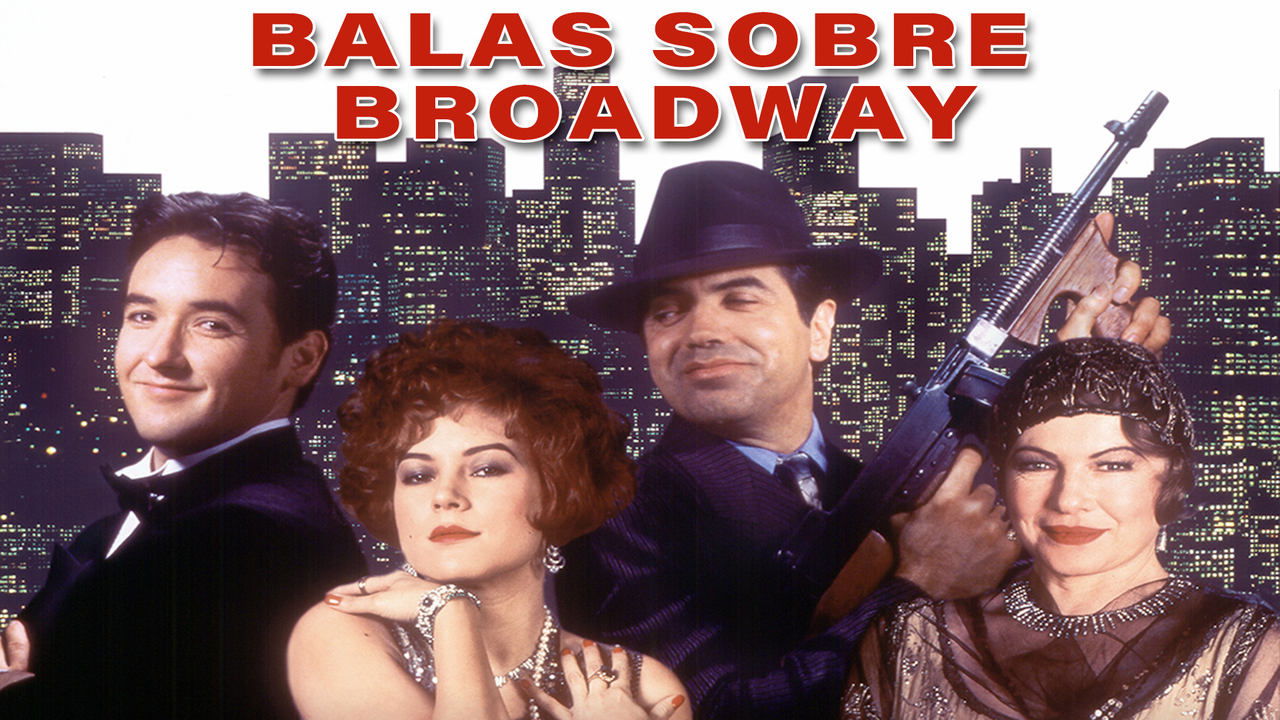
We land squarely in the Roaring Twenties, a meticulously recreated world of smoky speakeasies, frantic rehearsals, and the desperate ambition that fuels Broadway. Our guide is David Shayne (John Cusack), a playwright brimming with ideals but short on funds. He believes passionately in his serious new drama, "God of Our Fathers," but the only way to get it staged is to accept financing from mob boss Nick Valenti (Joe Viterelli). The catch? He has to cast Valenti’s utterly talentless girlfriend, Olive Neal (Jennifer Tilly), in a pivotal role. It’s a devil’s bargain that sets the stage for a cascade of hilarious and surprisingly poignant complications. Cusack, often the wry hero of 80s teen classics like Say Anything... (1989), plays Shayne with a perfect blend of earnest frustration and mounting desperation, the intellectual slowly drowning in a sea of crass reality.
A Cast Firing on All Cylinders
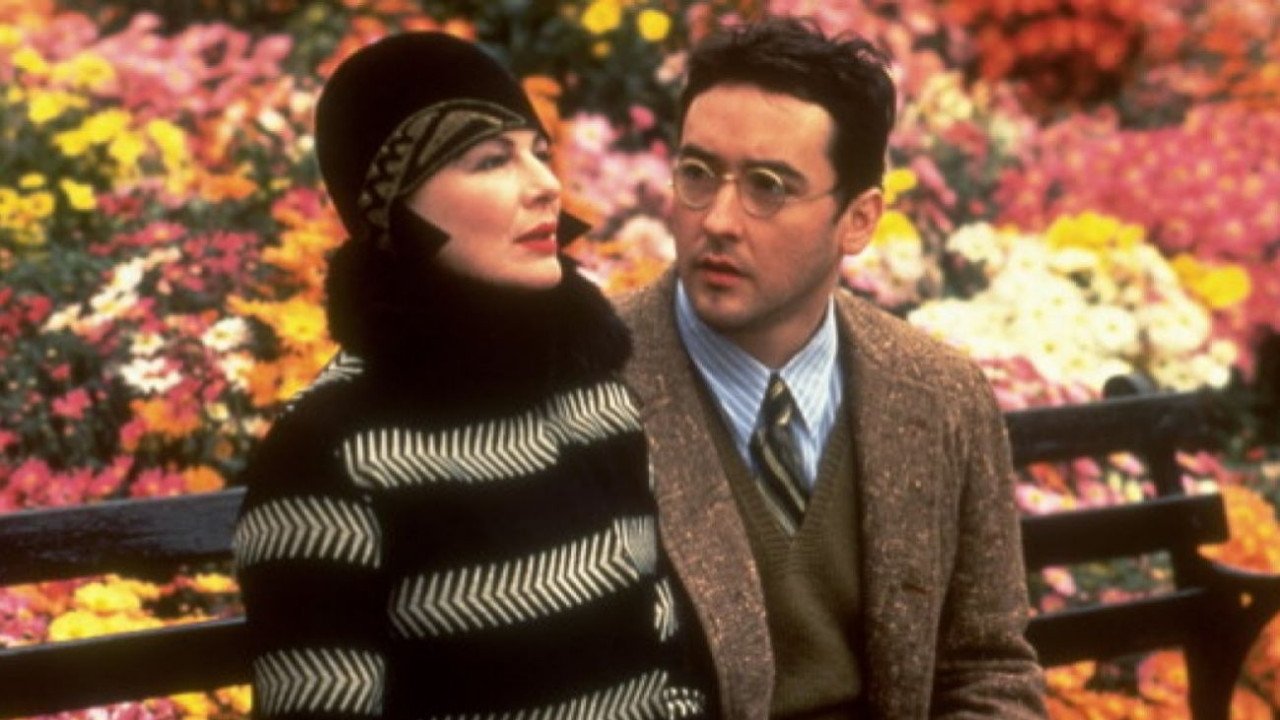
While Cusack anchors the film, it’s the surrounding ensemble that truly makes Bullets Over Broadway sing. Jennifer Tilly is pitch-perfect as Olive, embodying vapid ambition with a voice that could curdle milk yet somehow remains strangely endearing. Her performance snagged her a well-deserved Oscar nomination, capturing that specific kind of oblivious confidence that can be both maddening and hysterically funny. Then there’s Dianne Wiest as Helen Sinclair, the grand dame stage actress whose appetite for drama (and gin) is matched only by her legendary ego. Wiest devours the role, delivering lines like "Don't speak!" with such imperious, theatrical flair that she practically vibrates off the screen. It’s no surprise she walked away with the Academy Award for Best Supporting Actress for this; every moment she's on screen is a masterclass in comedic timing and character immersion. Remember her previous Oscar win under Allen's direction in Hannah and Her Sisters (1986)? This performance feels like its flamboyant, theatrical cousin.
And we can't forget Cheech (Chazz Palminteri), Olive's gangster "bodyguard" assigned to watch over her during rehearsals. Initially a menacing presence, Cheech unexpectedly reveals himself to possess a raw, intuitive genius for playwriting, casually suggesting brilliant dialogue changes and structural fixes that Shayne himself couldn't conjure. Palminteri, coming off his powerhouse debut in A Bronx Tale (1993), brings a surprising soulfulness to the hitman, creating perhaps the film's most fascinating character. The irony is thick: the uneducated thug understands dramatic truth better than the formally trained playwright.
Art, Authorship, and Unexpected Genius
This dynamic between Shayne and Cheech forms the film's thematic core. As Cheech’s contributions secretly transform the play from pretentious melodrama into a hit, Shayne faces an existential crisis. Does he claim authorship for work that isn't truly his? Does the source of genius matter if the result is powerful art? Allen, co-writing here with Douglas McGrath (a notable collaboration, as Allen usually wrote solo), explores these questions with sparkling wit and cynical insight. The film doesn't offer easy answers, instead reveling in the messy, often absurd, collision of high art and low life. It poses a question that likely resonated with anyone trying to create something back then, perhaps even more so now: where does true inspiration come from, and does it even matter?
Retro Fun Facts & Production Polish
Bullets Over Broadway wasn't a massive box office smash (around $13.4 million domestic gross against a $20 million budget), but its critical acclaim and awards recognition cemented it as one of Allen’s strongest efforts from the 90s. The period detail, courtesy of frequent Allen collaborators Santo Loquasto (production design) and Carlo Di Palma (cinematography), is impeccable, transporting you effortlessly to the jazz-infused energy of 1920s New York. There's a palpable sense of place, from the cramped backstage areas to the opulent apartments. Interestingly, the famous tagline used in marketing was starkly effective: "Art is nice. But murder is creative." – perfectly capturing the film's dark humor. One wonders if the sophisticated comedy, lacking big movie stars in the lead roles (Cusack wasn't quite the box office draw he'd become), felt like a slightly tougher sell on the video store shelves dominated by action heroes, making its discovery feel even more rewarding for those of us who took a chance on it.
The Lingering Resonance
What stays with you after watching Bullets Over Broadway isn't just the laughter, but the unsettling truth behind its premise. It’s a film that understands the vanity, insecurity, and occasional, accidental brilliance that fuels creative endeavors. It’s a reminder that sometimes the most profound insights come from the most unexpected places. Finding this on VHS felt like uncovering a hidden gem – sophisticated, funny, impeccably acted, and surprisingly thoughtful. It stands apart from much of the louder fare of the era, offering a different kind of cinematic pleasure.
Rating: 9/10
This score reflects the film's exceptional screenplay, razor-sharp dialogue, outstanding ensemble performances (especially from Wiest and Palminteri), and its witty exploration of timeless themes about art and compromise. It's beautifully crafted and remains one of Woody Allen's most purely entertaining and insightful comedies from this period. The slightly niche appeal and modest box office might keep it from a perfect 10, but its quality is undeniable.