Okay, let's dim the lights, maybe crack open a suspiciously fizzy soda that went flat halfway through, and slide this tape into the VCR. The tracking might need a little tweak, but that familiar whirring sound means we're about to dive into some pure, uncut late-90s action goodness. Tonight's feature, plucked from the glorious depths of the direct-to-video aisle: 1999's Bridge of Dragons.
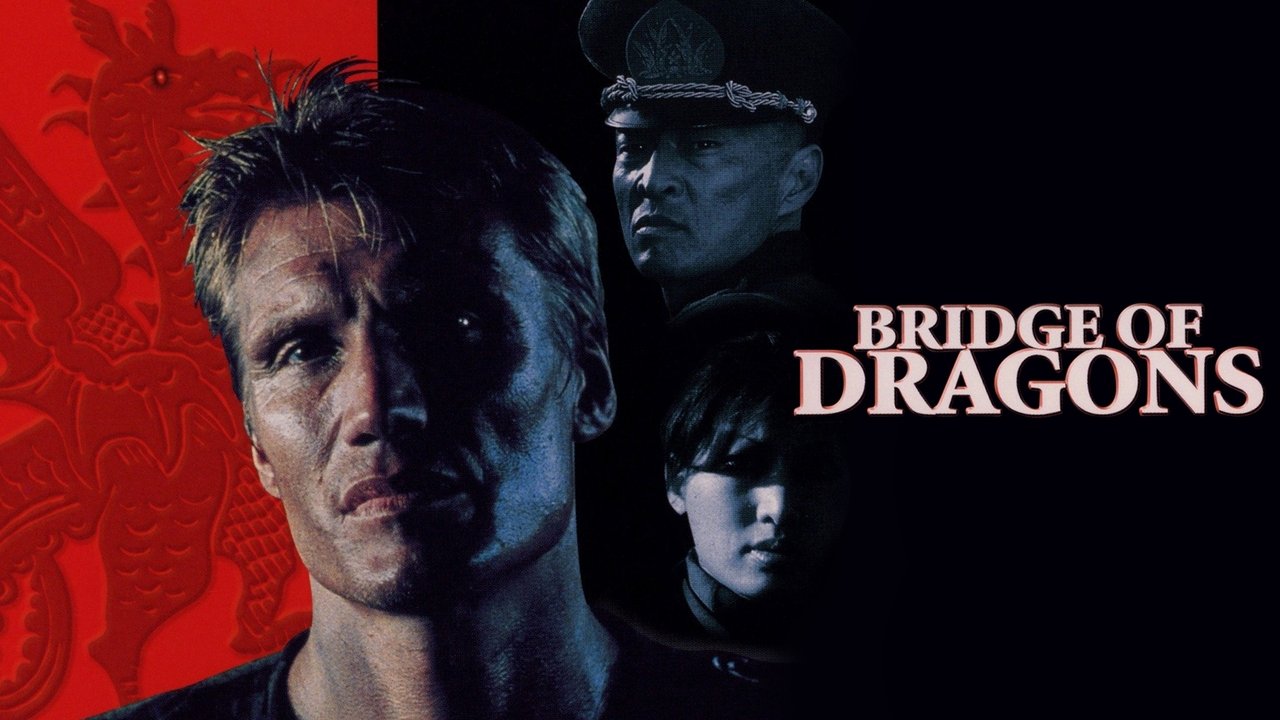
Now, let's be honest. When you saw Dolph Lundgren's chiselled jaw and Cary-Hiroyuki Tagawa's intimidating glare on that VHS box art, usually surrounded by explosions and maybe a hint of futuristic hardware, you knew exactly what you were getting into. And Bridge of Dragons delivers precisely that brand of straightforward, explosive entertainment that defined so much of the action output crowding rental shelves back then. It’s the kind of movie you rented on a Friday night, maybe alongside a copy of Soldier or Universal Soldier: The Return, ready for some uncomplicated thrills.
Warchild Has Second Thoughts
The premise is pure pulp: in a vaguely defined near-future recovering from some past conflict, the ruthless General Ruechang (Cary-Hiroyuki Tagawa, relishing every sneer) rules with an iron fist. He plans to solidify his power by marrying Princess Halo (Valerie Chow), but she's understandably not keen on tying the knot with a tyrannical warlord. Enter Warchild (Dolph Lundgren), Ruechang’s top commando – a genetically engineered super-soldier who’s starting to question the whole "ruthlessly oppressing the populace" gig. When Halo makes a break for it, Warchild is sent to retrieve her, but finds his loyalties (and maybe something more?) shifting.
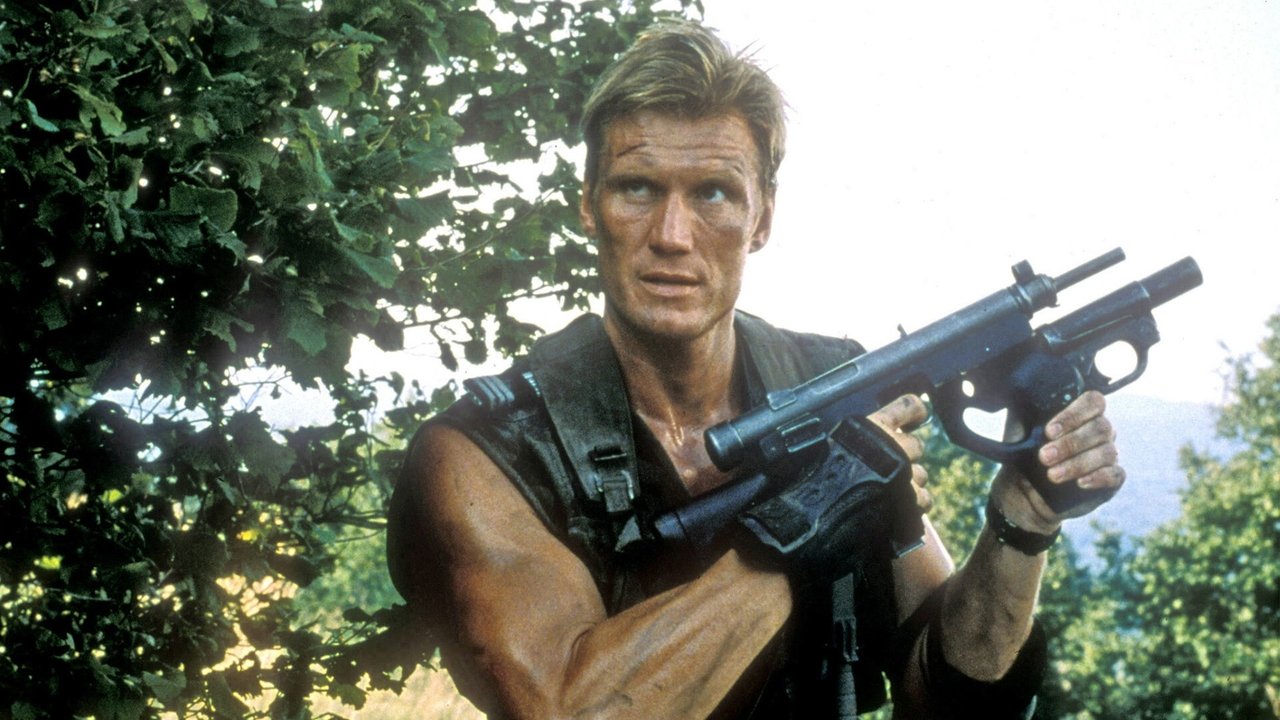
It’s not exactly Shakespeare, but the setup provides a perfect framework for what this movie does best: showcasing Lundgren doing what he does best. He’s stoic, imposing, and utterly convincing in the numerous action sequences. This was peak physical Lundgren, and while his character arc is predictable, he embodies the conflicted warrior archetype effectively within the film’s pulpy confines. Tagawa, fresh off cementing his iconic villain status as Shang Tsung in Mortal Kombat (1995), is just magnetic as the despicable Ruechang. He doesn't just chew the scenery; he practically swallows it whole, spits it out, and makes you thank him for it.
Florentine's Firepower on a Budget
But the real secret weapon here? The director, Isaac Florentine. Today, action aficionados know Florentine for his slick, hard-hitting work on films like the Undisputed sequels and the Ninja series, often starring Scott Adkins. Bridge of Dragons is an early example of his talent for staging dynamic, impactful action sequences, even on a limited budget. Forget shaky-cam and hyper-editing; Florentine, himself a seasoned martial artist, understands choreography and clarity. The fights feel grounded and visceral. When someone gets kicked, you feel it. When a car blows up, it’s a real car blowing up – that satisfying, fiery bloom of practical pyrotechnics that hits different than a sterile CGI fireball. Retro Fun Fact: Much of the film was shot in Bulgaria, a common cost-saving location for Nu Image/Millennium Films productions during this era, allowing them to stretch the budget for more impressive stunts and explosions than you might expect.
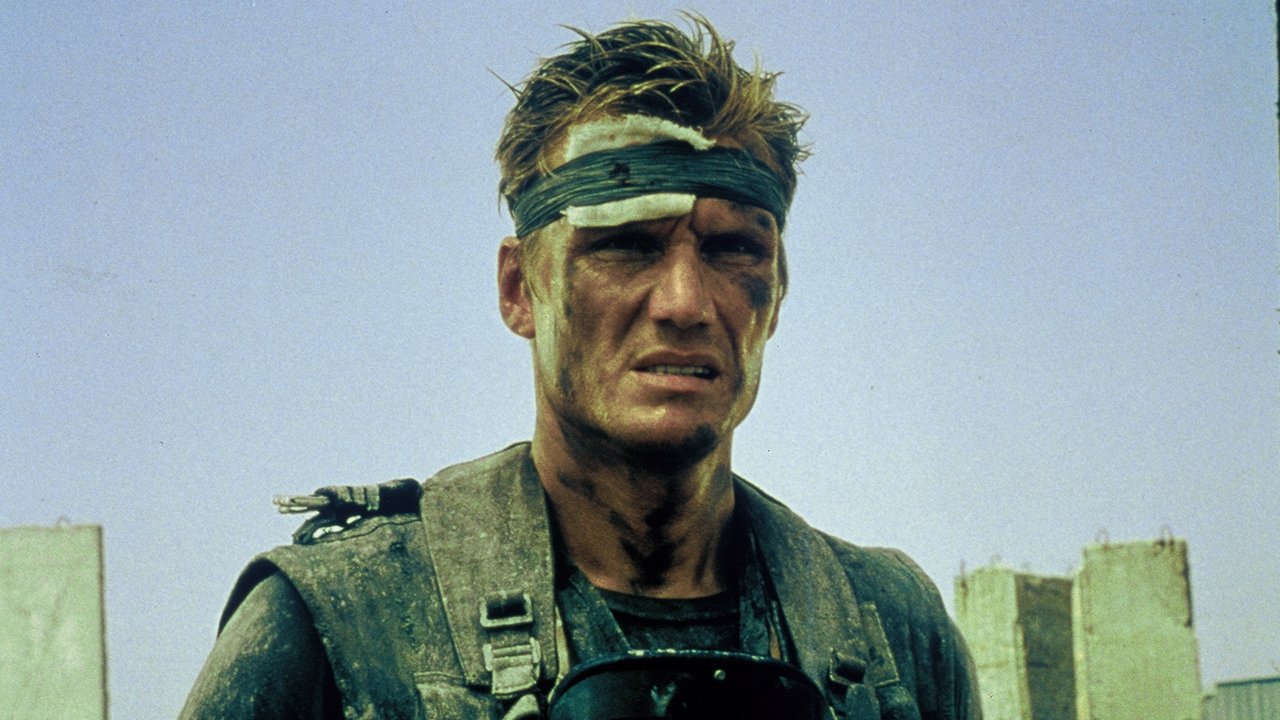
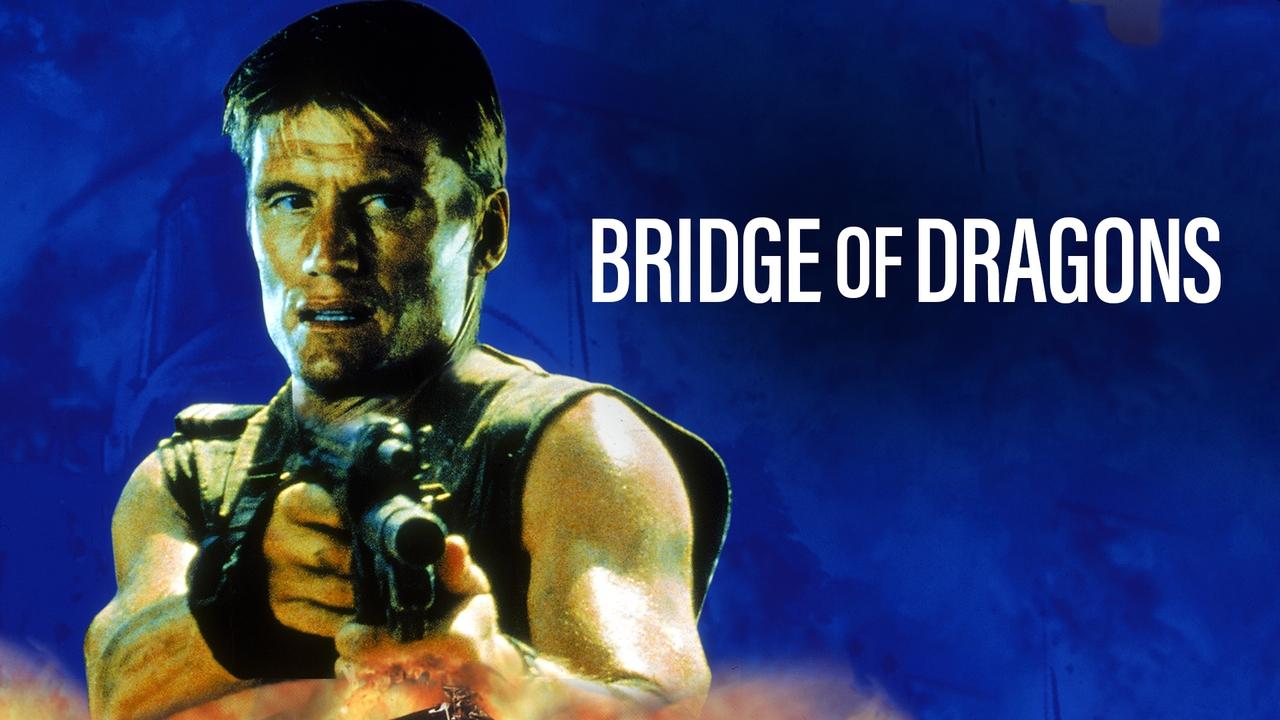
Remember how satisfying those squib hits looked back then? The little bursts of fake blood erupting from strategically placed packs on the actors? Bridge of Dragons is full of that tactile, tangible violence that defined 80s and 90s action. Sure, some of the wirework might look a little obvious now, and the futuristic tech often amounts to spray-painted contemporary gear, but the commitment to practical stunt work shines through. There’s a sequence involving a helicopter chase and Lundgren leaping between vehicles that, while maybe not defying physics entirely realistically, has a raw energy you just don't get from perfectly polished digital creations.
Nostalgic Charm and Rough Edges
Of course, it’s not without its charmingly dated elements. The dialogue occasionally dips into pure cheese ("Your destiny awaits!"), and the romantic subplot between Warchild and Halo feels somewhat obligatory, a standard trope for the genre rather than a deeply developed connection. Valerie Chow does her best, but the script doesn't give her a huge amount to work with beyond being the catalyst for Warchild's change of heart. The score is suitably bombastic, full of synthesized urgency that screams "late-90s action movie!"
Retro Fun Fact: The film was part of a wave of DTV actioners trying to capture the magic (and profitability) of bigger-budget theatrical releases. While it never saw the inside of a multiplex in the US, it likely did brisk business in video stores worldwide, finding its audience among fans starved for Lundgren's particular brand of mayhem after his mid-90s theatrical run had cooled. No major awards, no critical acclaim – just solid rental numbers and a place in the hearts of action junkies.
The Verdict
Bridge of Dragons isn't aiming for high art. It's aiming squarely for that sweet spot of adrenaline-pumping action, charismatic leads, and a simple, effective story. It knows its audience and delivers exactly what they came for: Dolph Lundgren kicking ass, Cary-Hiroyuki Tagawa being delightfully evil, and plenty of things going boom, orchestrated with surprising flair by a director who would go on to become a major name in the DTV action world.
Rating: 7/10
Justification: It comfortably hits the mark for its genre and era. The action choreography elevates it above standard DTV fare, Lundgren is perfectly cast, and Tagawa is a joy to watch. It loses points for a thin plot, some cheesy dialogue, and occasionally visible budget constraints, but the practical action and sheer nostalgic fun make it a solid recommendation for fans.
Final Thought: This is prime late-night VHS fuel – pure, unpretentious 90s action with real explosions and tangible stunt work, reminding us of a time when action heroes bled (fake blood) and directors like Florentine were honing their craft before our very eyes. Turn off your brain, turn up the volume, and enjoy the ride.