The flickering static of the tracking adjustment, the low hum of the VCR… sometimes the most compelling darkness wasn't just on the screen, but in the late-night solitude surrounding it. And then there are films like Darkman III: Die Darkman Die (1996), a title so blunt, so perfectly nineties direct-to-video, it practically promises a certain kind of gritty, low-fi descent. It arrived on shelves not long after its predecessor, a continuation born not of blockbuster demand, but of the relentless churn of the home video market. Does it capture the operatic tragedy of Sam Raimi's original? No. But does it offer its own peculiar, shadowy charm? Let's see.
The Face in the Mirror Cracks Again
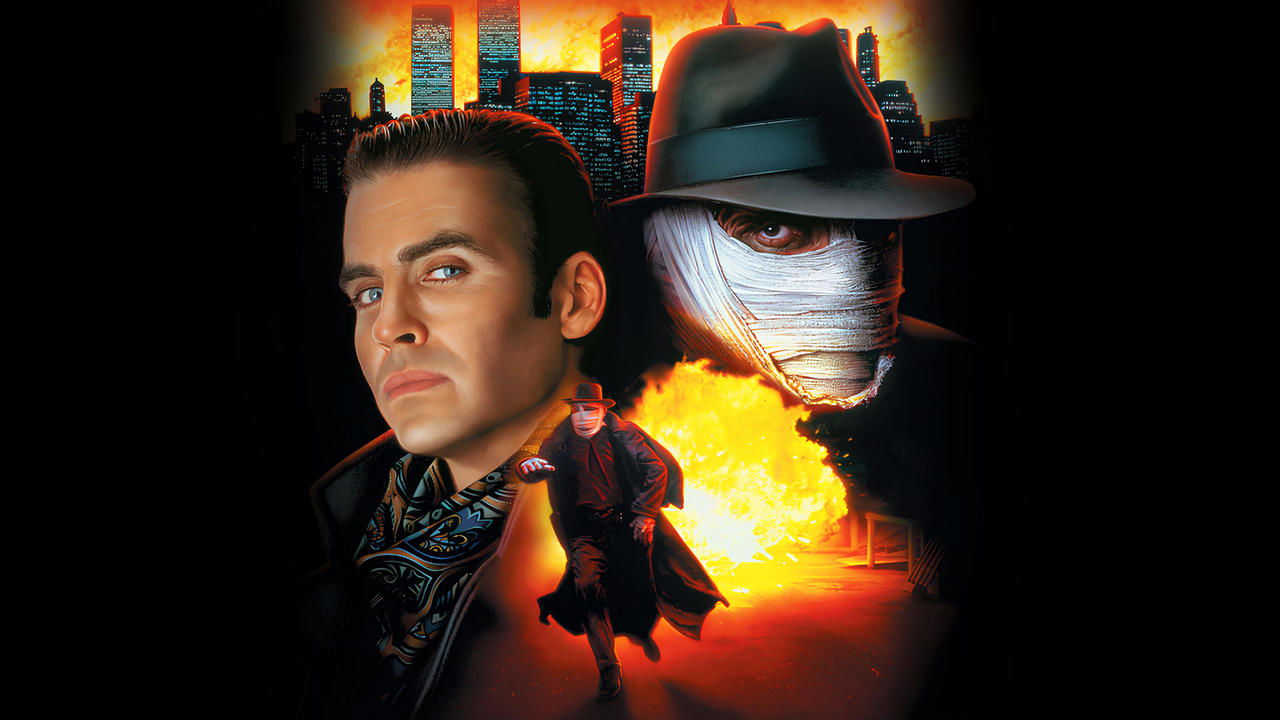
By this point, Arnold Vosloo had settled into the bandages and fedora, having taken the reins from Liam Neeson in Darkman II: The Return of Durant (1995). Filmed back-to-back with its predecessor in the cost-effective streets of Toronto (a common practice to maximize dwindling budgets), Darkman III feels intrinsically linked to II, carrying over Vosloo's distinctly different portrayal of Dr. Peyton Westlake. Where Neeson gave us a man constantly grappling with the operatic horror of his transformation, Vosloo leans into the simmering rage and the exhausted tragedy. There's a weariness to his Darkman, a sense that the constant cycle of revenge, fleeting hope with his synthetic skin, and monstrous fury is taking its toll. It’s less gothic romance, more pulp noir anti-hero, a vibe that perhaps fits the diminished scale of these DTV sequels surprisingly well. Vosloo, who would later find mainstream recognition as Imhotep in The Mummy (1999), commits fully, giving Westlake a dangerous edge even beneath the makeup.
A Villain Worthy of the Shadows?
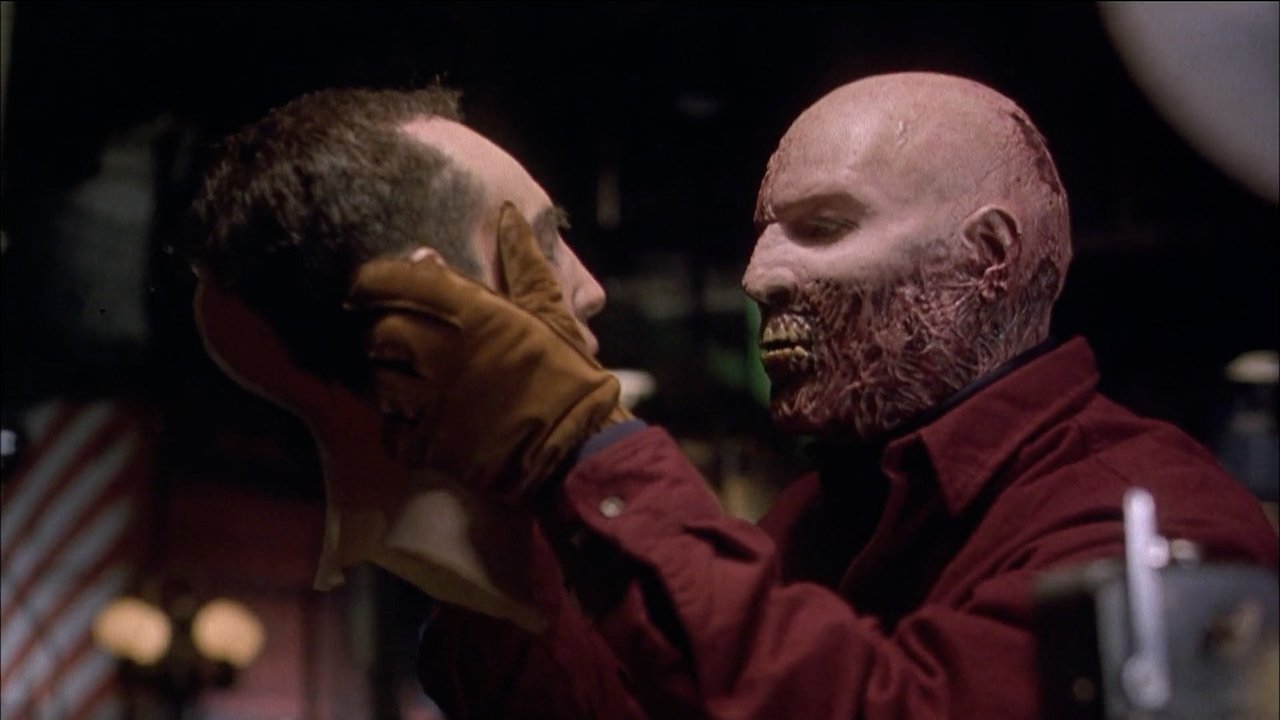
Every tormented hero needs a foil, and Darkman III delivers one in the form of Peter Rooker, played with oily charisma by the ever-reliable Jeff Fahey. Fahey, a familiar face from genre fare like The Lawnmower Man (1992) and Body Parts (1991), portrays Rooker not as a flamboyant supervillain, but as a ruthless drug lord obsessed with the source of Darkman's seemingly uncontrollable strength. He sees Westlake not as a man, but as a potential enhancement, a biological blueprint for ultimate power. It’s a grounded, greedy motivation that feels right at home in the world of 90s DTV action thrillers. Rooker's plan involves capturing Darkman and experimenting on him, leading to some predictably grim scenarios. While the plot, penned by Michael Colleary and Mike Werb (who, in a fascinating turn, would go on to write the John Woo identity-swapping classic Face/Off the following year – perhaps foreshadowing their interest in altered personas?), treads familiar ground, Fahey elevates the material. He brings a necessary intensity, a believable menace that prevents Rooker from becoming just another disposable bad guy. Supporting him is Darlanne Fluegel as Dr. Bridget Thorne, Westlake's sympathetic physician, adding a touch of humanity amidst the chaos.
The Charm and Curse of Direct-to-Video
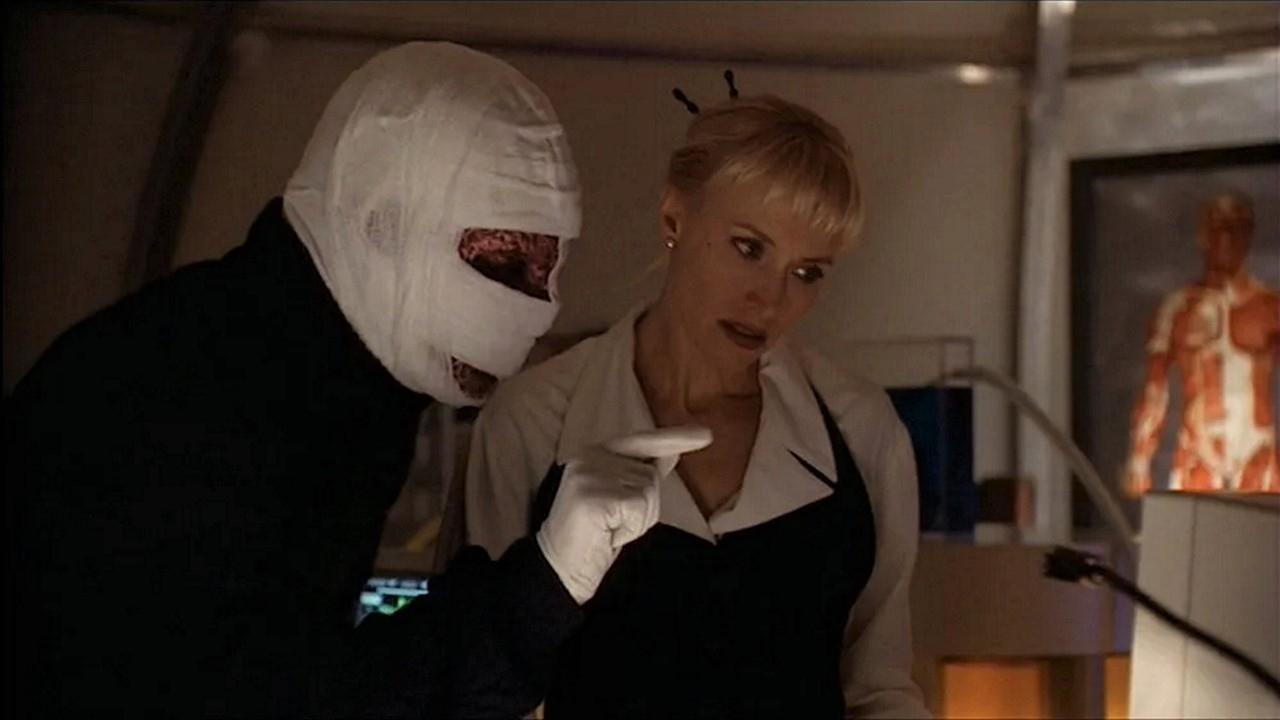
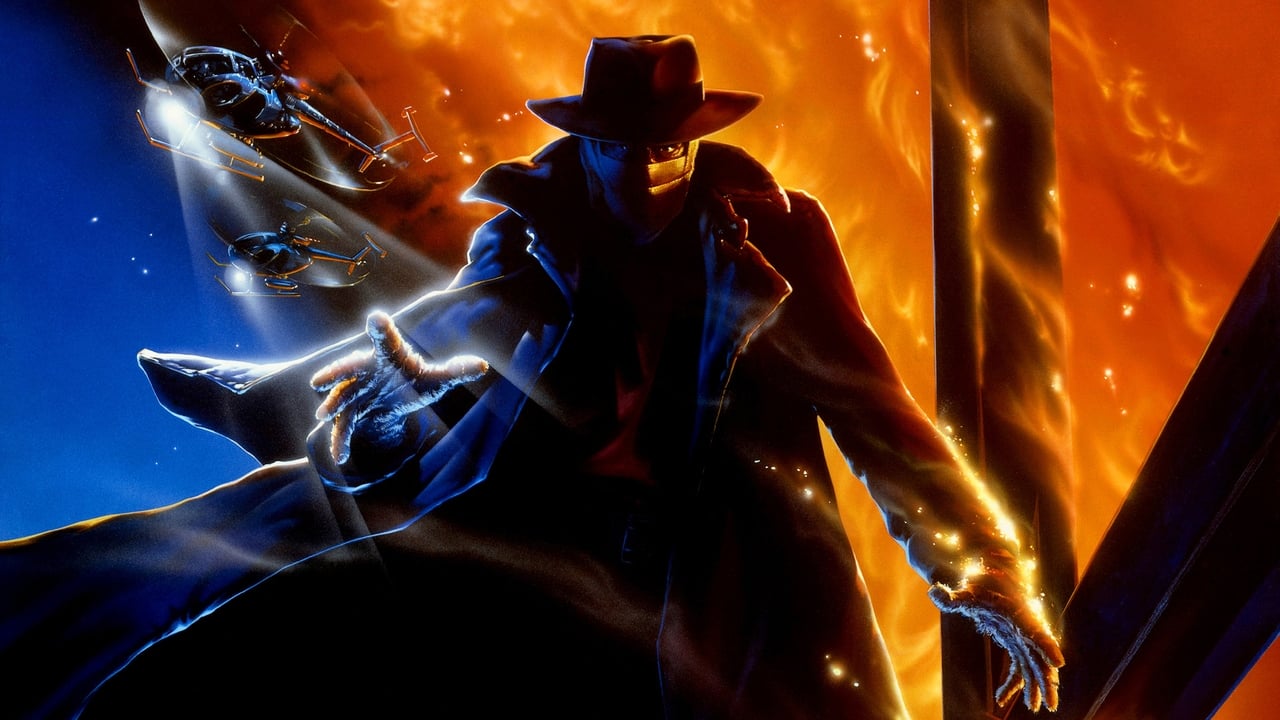
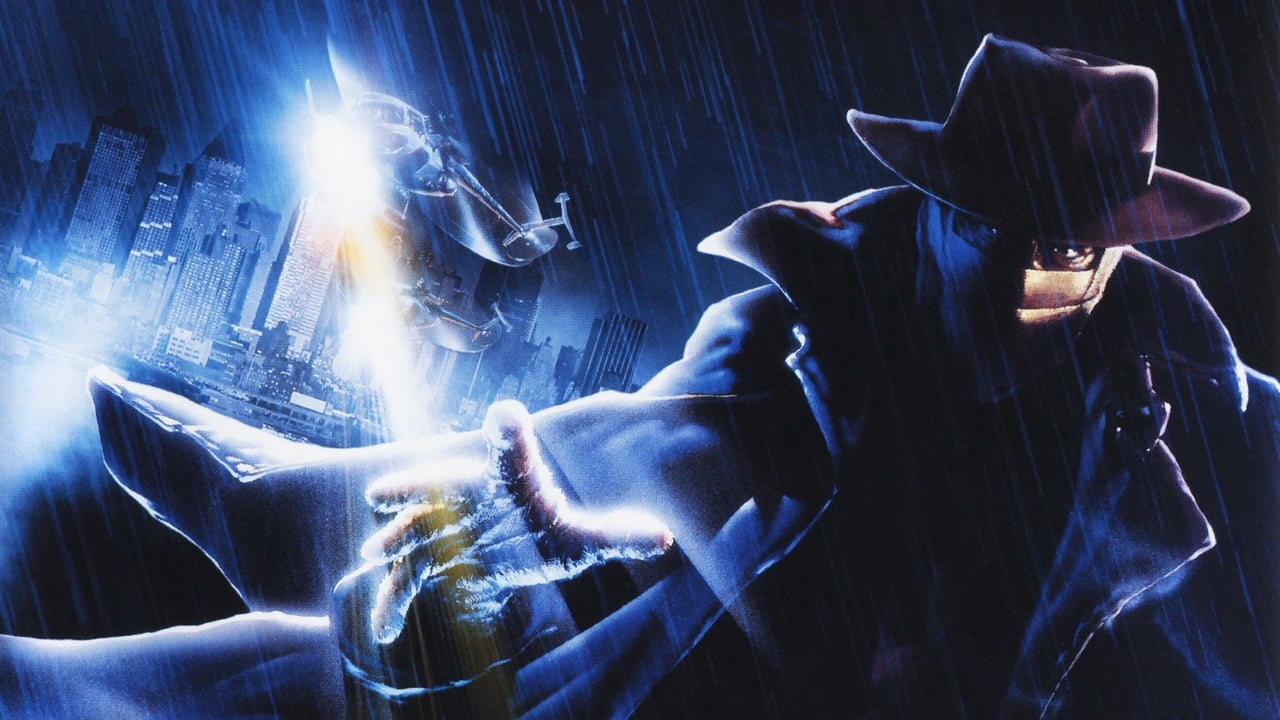
Let's be honest: This isn't Raimi's playground anymore. Bradford May, a prolific TV director and cinematographer, brings a workmanlike efficiency to the proceedings. The budget, reportedly around $4 million (a fraction of the original's), is evident. The frantic energy and inventive camera work of the first film are replaced by more conventional action staging. Explosions feel a bit smaller, the sets perhaps a touch less elaborate. Yet, there's an undeniable atmosphere here, born from those very limitations. The practical effects, while not groundbreaking, have that tangible quality we remember from the VHS era. The mask work on Darkman still holds up reasonably well, conveying the grotesque tragedy of his condition. The action, though less stylish, is often brutal and direct. It feels less like a comic book brought to life and more like a gritty crime thriller that just happens to feature a bandaged vigilante who can impersonate people. Does that make it better? No. But it gives Darkman III its own distinct, slightly grimy identity. It’s the kind of movie you’d discover on a dusty rental shelf, intrigued by the lurid cover art and that wonderfully aggressive title.
Fading Echoes
The core tragedy of Peyton Westlake – a brilliant scientist robbed of his life, his love, and his very face, driven by righteous fury yet terrified of the monster he's become – remains the anchor. Darkman III still taps into this, albeit with less nuance than the original. The attempts to cure himself, the flashes of his former life, the uncontrollable rage triggered by adrenaline – these elements are present and handled adequately by Vosloo. However, the operatic grandeur is gone, replaced by a more straightforward tale of revenge and survival. The film doesn't quite reach the kinetic highs or emotional depths of its progenitor, feeling more like an extended episode of a darker-than-average superhero TV show from the era. Did any of us renting this back in '96 truly expect Raimi-level genius? Probably not. We were looking for another dose of Darkman, and on that level, it delivers a familiar, if slightly diluted, fix.
VHS Heaven Rating: 5/10
Justification: Darkman III: Die Darkman Die sits squarely in the middle ground. It's hampered by its obvious DTV constraints and lacks the visionary spark of the original. However, solid performances from Arnold Vosloo and especially Jeff Fahey, coupled with a certain gritty, unpretentious 90s action charm, prevent it from being entirely forgettable. The plot is serviceable, the action competent, and it manages to retain some of the core tragedy of the character. It delivers exactly what its blunt title and VHS box art promised: a straightforward, slightly grim Darkman adventure for the home video market. It doesn't aim high, but it mostly hits its modest target.
Final Thought: For fans who stuck with the character beyond the multiplex, Darkman III offered a final, fading glimpse into Peyton Westlake's tortured existence. It’s a relic of that specific mid-90s direct-to-video boom – not a classic, perhaps not even strictly good by critical standards, but possessing a certain nostalgic appeal for those of us who wore out our VCRs seeking just one more dose of shadowy justice.