Okay, fellow tapeheads, gather 'round the flickering glow of the CRT. Remember that feeling? Scanning the horror aisle at Blockbuster or your local Mom & Pop video store, your eyes landing on that familiar, slightly sinister Puppet Master font. By 1999, deep into the franchise's run, finding Retro Puppet Master felt like uncovering a hidden chapter, a promise of secrets revealed. This wasn't just another sequel; it was going back. But pulling this tape off the shelf, you probably weren't quite prepared for the unique detour Charles Band and Full Moon Features had cooked up this time.
### Back to the Beginning... Sort Of
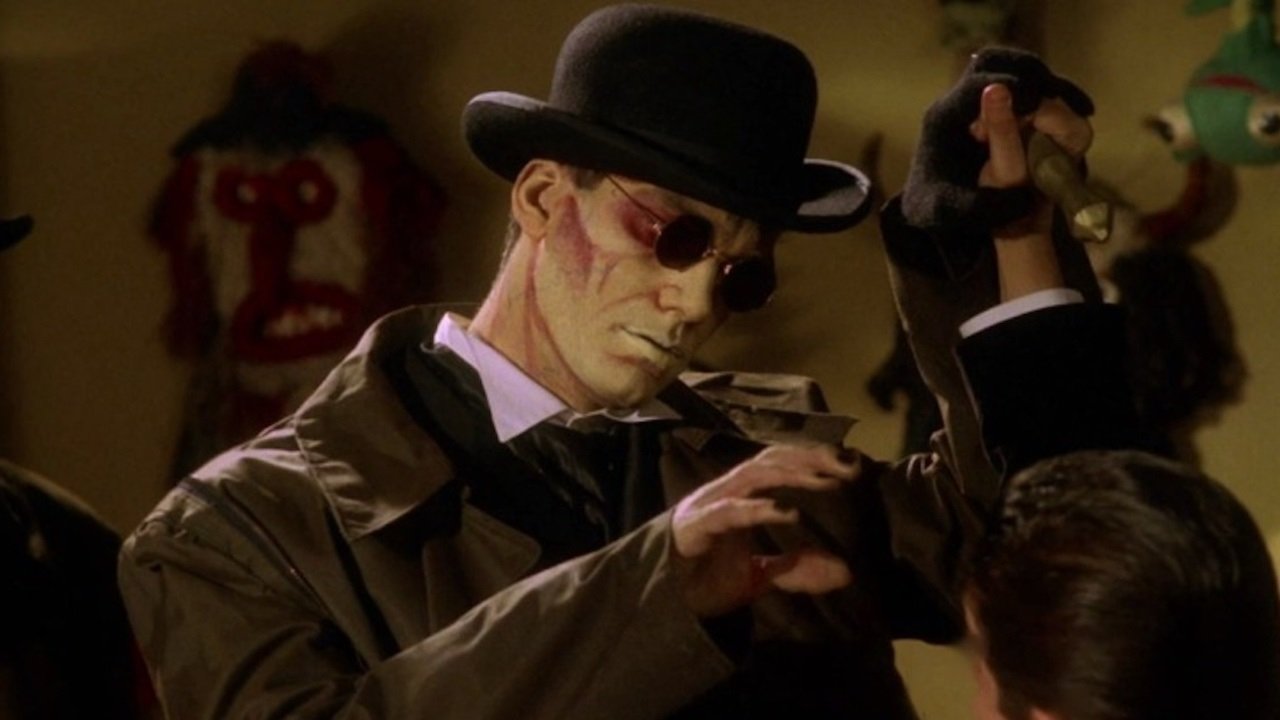
Instead of the contemporary carnage we'd grown accustomed to, Retro Puppet Master winds the clock way back to 1902 Paris, and later, Cairo. It aims to be the origin story we didn't know we needed, showing us a young, idealistic André Toulon long before he became the vengeful, morally ambiguous puppet master. Here, he's a starry-eyed puppeteer played by a pre-The Room Greg Sestero, dreaming of bringing his creations to life not for murder, but for art. It's a surprisingly earnest setup, swapping out the usual slasher vibes for something closer to gothic romance and mystical adventure.
David DeCoteau, a director whose name is practically synonymous with efficient, atmospheric Full Moon productions (think Sorority Babes in the Slimeball Bowl-O-Rama (1988) or other Puppet Master entries), takes the helm. You can feel his signature style here – the soft lighting, the lingering shots, the knack for making limited locations (often Romanian castles or studios standing in for grander settings, as was common for Band’s productions to keep costs down) feel strangely evocative. This film, the seventh in the saga, reportedly had a budget typical of Full Moon's direct-to-video output of the era – lean, mean, and forcing creative solutions.
### Meet the Ancestors
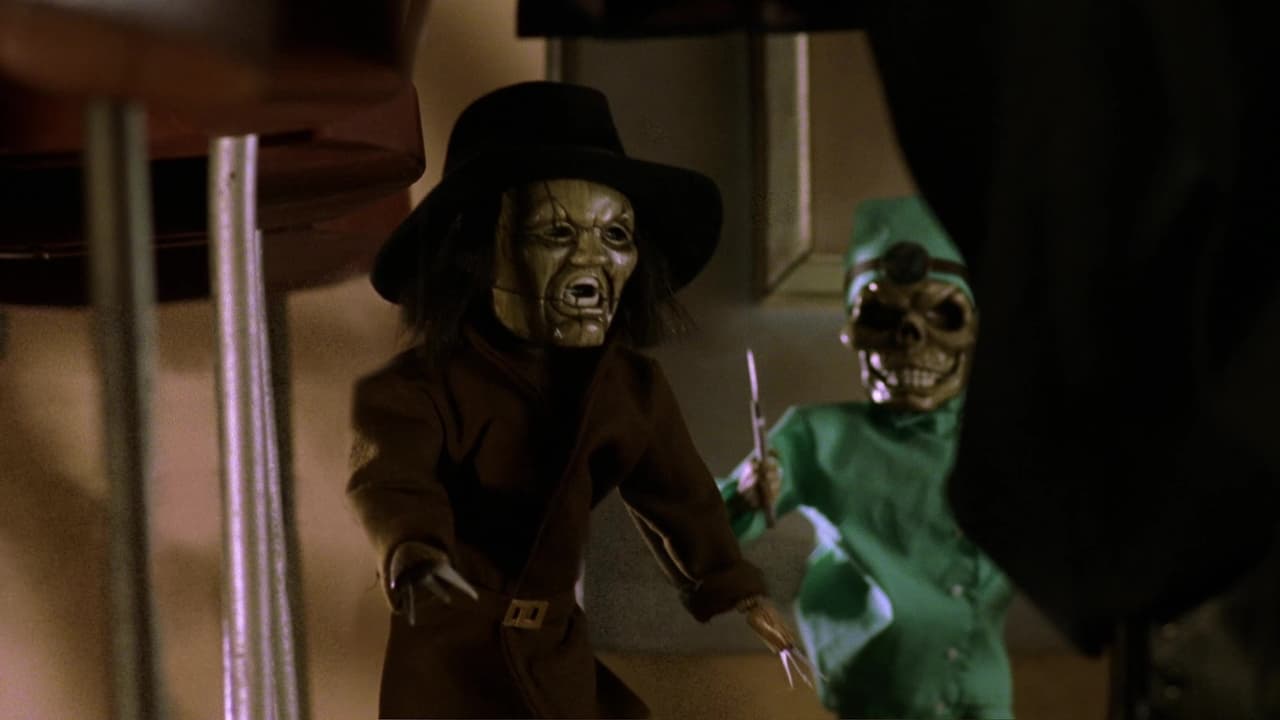
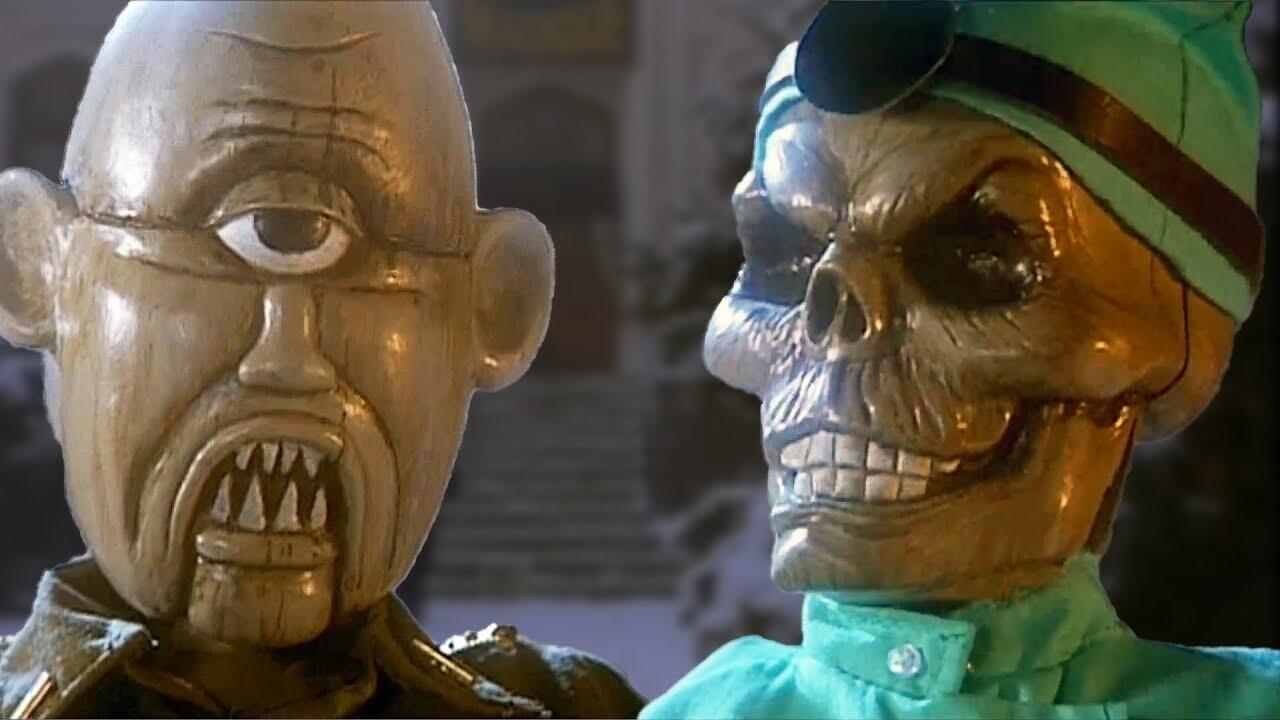
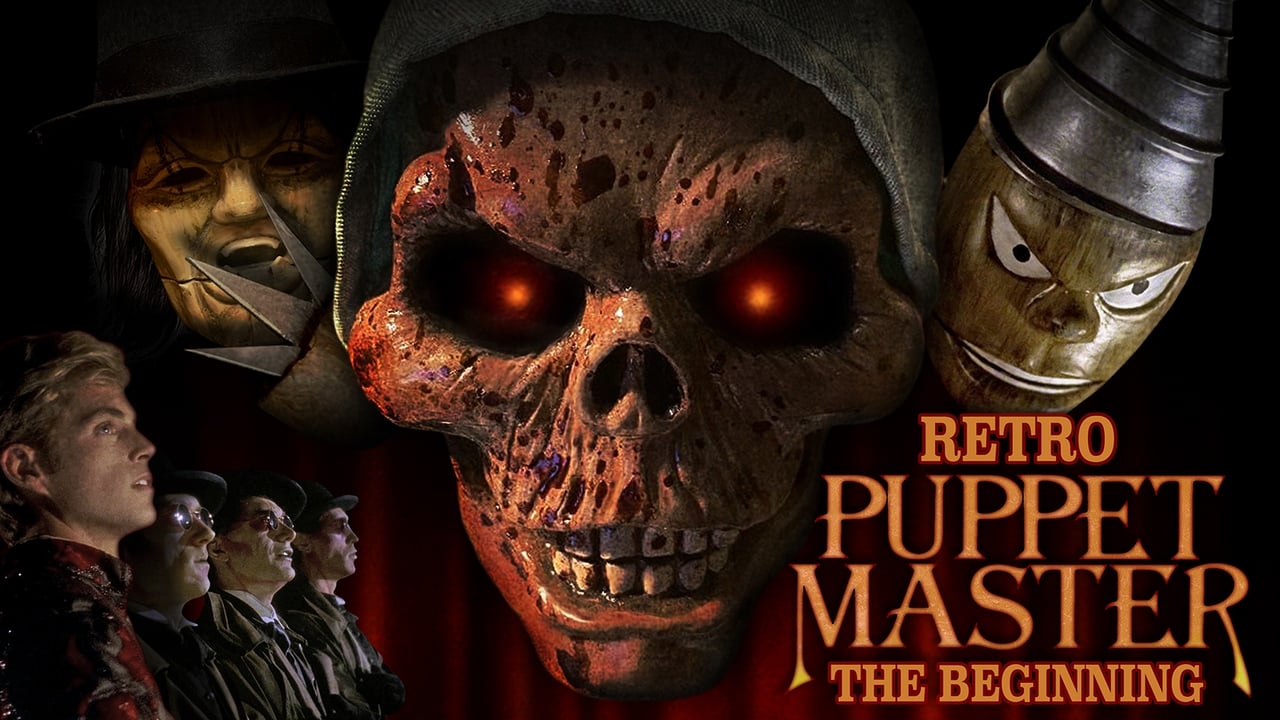
Of course, the main draw is the puppets. But forget Blade, Jester, and Pinhead for a moment. Here, we meet their predecessors: Cyclops, Drill Sergeant, Doctor Death, and the Egyptian-themed Six-Shooter (who, confusingly, seems to be an earlier version of the cowboy puppet from Puppet Master III). These "retro" puppets have a distinctly different, almost antique feel. Their designs are interesting, chunky, and reflect Toulon's supposed influences at the time.
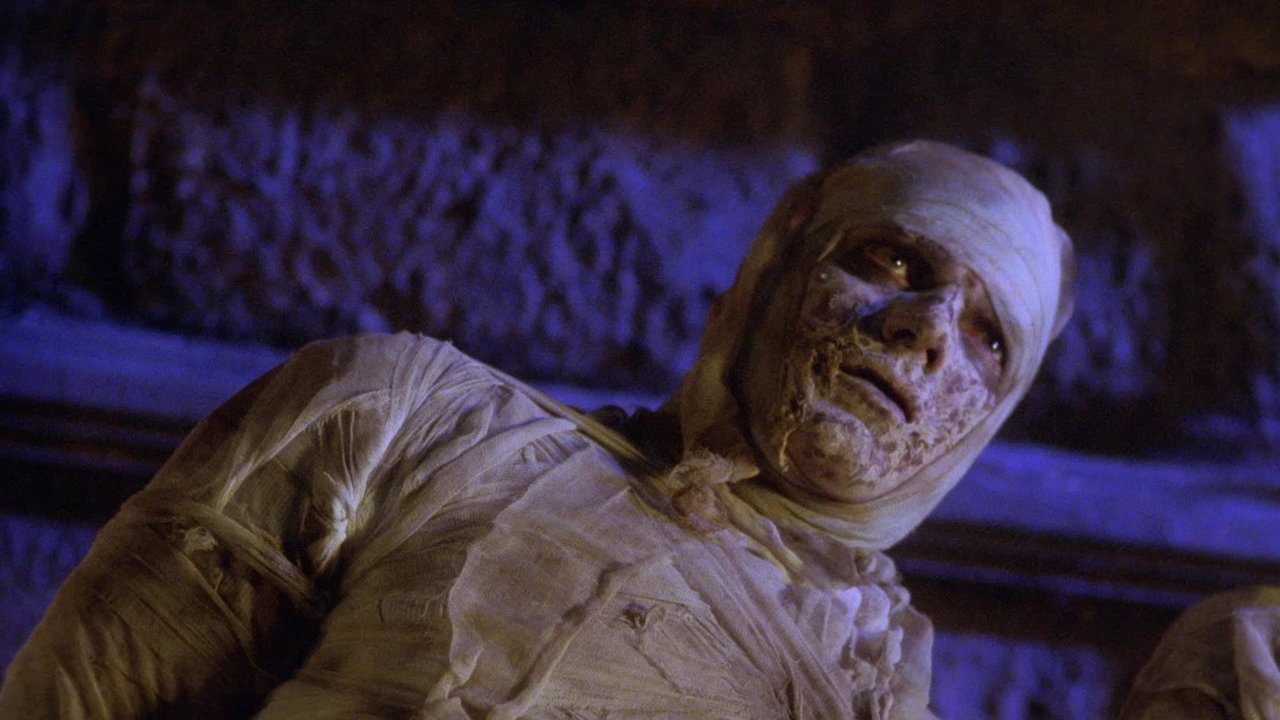
The puppetry itself remains a testament to the practical magic Full Moon championed. Seeing these wooden figures twitch, aim, and attack still carries that tangible charm completely lost in today's CGI gloss. There's a weight, a physical presence, even when the movements are jerky. Remember how cool it was seeing those little mechanisms work? The scenes where Toulon interacts with them, imbuing them with life stolen from Egyptian sorcerers (led by the imposing Stephen Blackehart as Sutekh's servant), capture that classic Puppet Master spark, albeit with a slightly different flavor. Was the stop-motion and rod puppetry as smooth as Rick Baker's work? No, but it had heart, didn't it? And for a direct-to-video flick, it punched above its weight.
### A Different Kind of Puppet Show
Greg Sestero gives it his all as the young Toulon. Watching it now, knowing his future cult infamy, adds a surreal layer, but judged on its own merits, he portrays Toulon with a certain wide-eyed innocence that contrasts sharply with Guy Rolfe's later portrayal. He’s genuinely trying to sell the romance angle with Ilsa, played with sweetness by Brigitta Dau. Their courtship, however, sometimes slows the pace, pulling focus from the expected puppet mayhem. This shift in tone was definitely a surprise back in '99 – less horror, more mystical fantasy-adventure with occasional bursts of puppet action.
The plot involves Toulon stumbling upon the ancient secret of animation thanks to an encounter with an ancient Egyptian sorcerer in Cairo, only to be pursued by malevolent acolytes of the dark god Sutekh. It’s pure pulp, blending turn-of-the-century European aesthetics with Egyptian mythology. It doesn't always gel perfectly, and the budget limitations sometimes show through in the scale of the action, but there's an undeniable ambition here. Charles Band, credited with the story, clearly wanted to expand the lore, even if it meant stretching the established continuity a bit thin. The score by John Massari, who composed for earlier entries, helps bridge the gap, providing familiar musical cues amidst the new setting.
### Was It Worth the Rewind?
Retro Puppet Master occupies a strange place in the franchise. It wasn't exactly what fans were expecting, and its gentler, more story-focused approach might have felt jarring after the escalating carnage of previous installments. Critically, like most direct-to-video sequels of the era, it wasn't lauded, but for dedicated Puppet Master collectors, it was essential viewing – another piece of the puzzle, however oddly shaped. I distinctly remember renting this one, hoping for non-stop Blade action, and being initially confused, then strangely charmed by its quirky ambition.
The practical puppet effects, the earnest performances (especially Sestero's), and the sheer audacity of setting a Puppet Master film in Belle Époque Paris give it a unique identity. It lacks the visceral thrills of the first few films, but it offers a different kind of satisfaction – a glimpse into the idea of Toulon's beginnings, filtered through the unmistakable lens of late-90s Full Moon filmmaking.
Rating: 6/10
Justification: While ambitious and featuring some fun retro puppet designs and that signature Full Moon practical charm, the shift in tone, slower pace, and sometimes awkward blend of romance and mythology make it a less essential entry than the core classics. Greg Sestero's earnest performance and the unique setting earn points, but it doesn't quite capture the potent horror magic of its predecessors. It’s a solid 6 for being a unique, if flawed, piece of the Puppet Master VHS tapestry.
Final Thought: Retro Puppet Master might not deliver the hard-hitting puppet violence some craved, but it's a fascinating, slightly dusty curio from the tail-end of the VHS era – proving that even late in the game, Full Moon was still willing to rewind the tape and try something unexpected.