The flickering swastika banners against the perpetually grey Berlin sky weren't what you expected when you slid another Puppet Master tape into the VCR, were they? Gone was the quirky, almost playful menace of the Bodega Bay Inn. Instead, Puppet Master III: Toulon's Revenge plunges us headfirst into the chilling heart of Nazi Germany, 1941, and dares to ask: what twists a man into creating sentient, murderous marionettes? The answer, it turns out, is drenched in tragedy and fueled by righteous, razor-sharp vengeance. This isn't just another sequel; it's a surprisingly grim and effective origin story that redefined the entire franchise.
Forging a Soul in Darkness
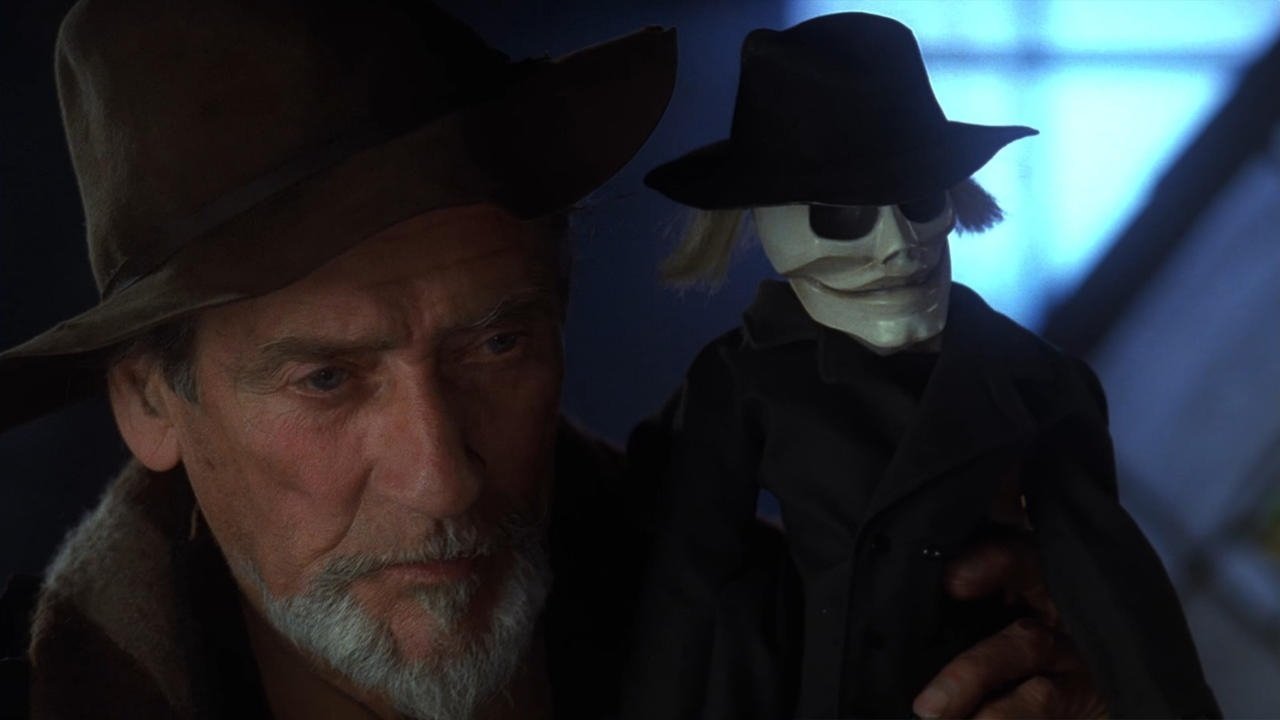
Dropping us deep behind enemy lines, the film retroactively paints Andre Toulon not as the sinister figure hinted at previously, but as a gentle puppeteer whose anti-Nazi satire performances catch the malevolent eye of the Third Reich. The shift hinges entirely on the casting of Guy Rolfe, stepping into the role previously depicted in flashbacks by others. Rolfe, a veteran presence known for chilling turns like Mr. Sardonicus (1961), brings an incredible weight and weary dignity to Toulon. His quiet grief after the Gestapo murders his beloved wife Elsa (played by Sarah Douglas, herself no stranger to villainy as Ursa in Superman II) is palpable. It's this loss that ignites his fury, transforming his "children" from stage performers into instruments of brutal retribution. You genuinely feel his pain, making the subsequent puppet-inflicted carnage feel less like schlocky horror and more like justified payback.
When Evil Wears a Uniform
Every compelling anti-hero needs a truly despicable antagonist, and Puppet Master III delivers tenfold. Major Kraus, the Gestapo officer obsessed with stealing Toulon's reanimation secrets for the Reich, is brought to life with icy precision by the unforgettable Richard Lynch. Lynch, whose distinctive facial scars (the result of a tragic real-life accident involving self-immolation under the influence of drugs years prior) lent an unnerving authenticity to his many villainous roles (Bad Dreams, Invasion U.S.A.), is genuinely menacing here. He’s not just a barking Nazi stereotype; there’s a cold intelligence and cruelty in his performance that makes him a formidable foe. Alongside him, Ian Abercrombie (later beloved as Mr. Pitt on Seinfeld!) offers a slimy, opportunistic performance as Dr. Hess, a scientist eager to exploit Toulon’s work. Their scenes crackle with a tension often missing in direct-to-video fare.
The Little Engines of Revenge
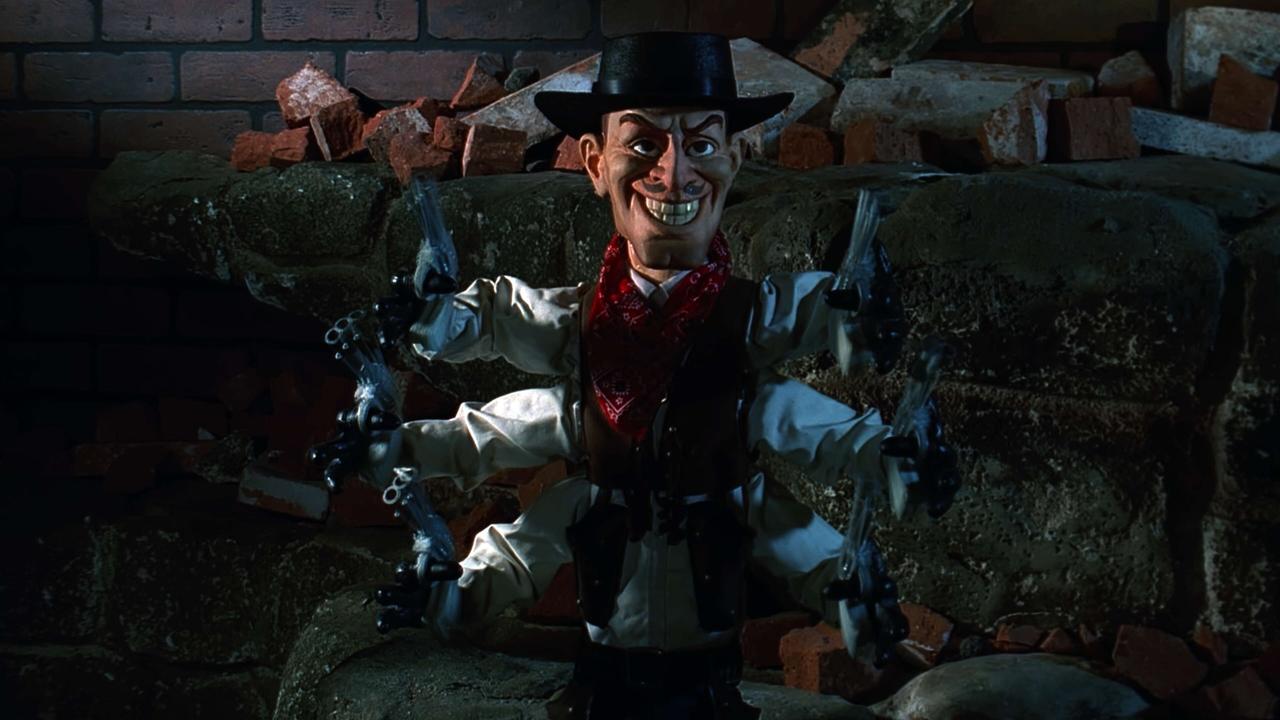
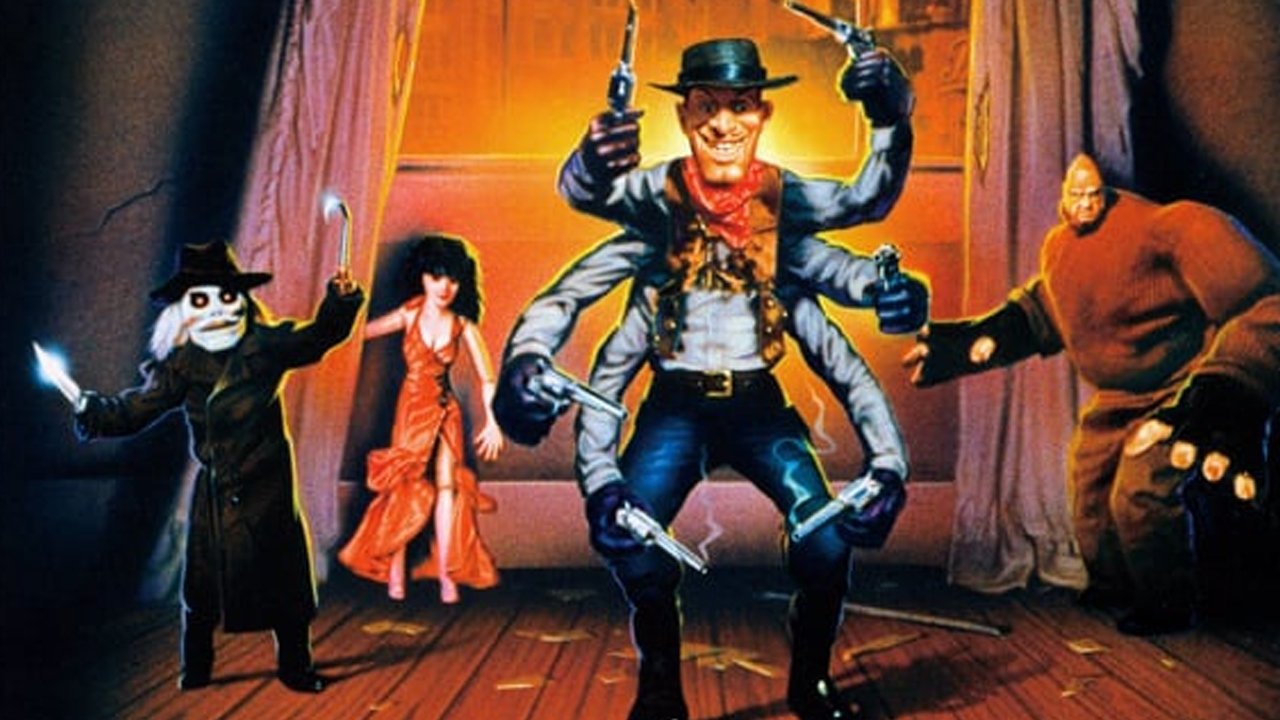
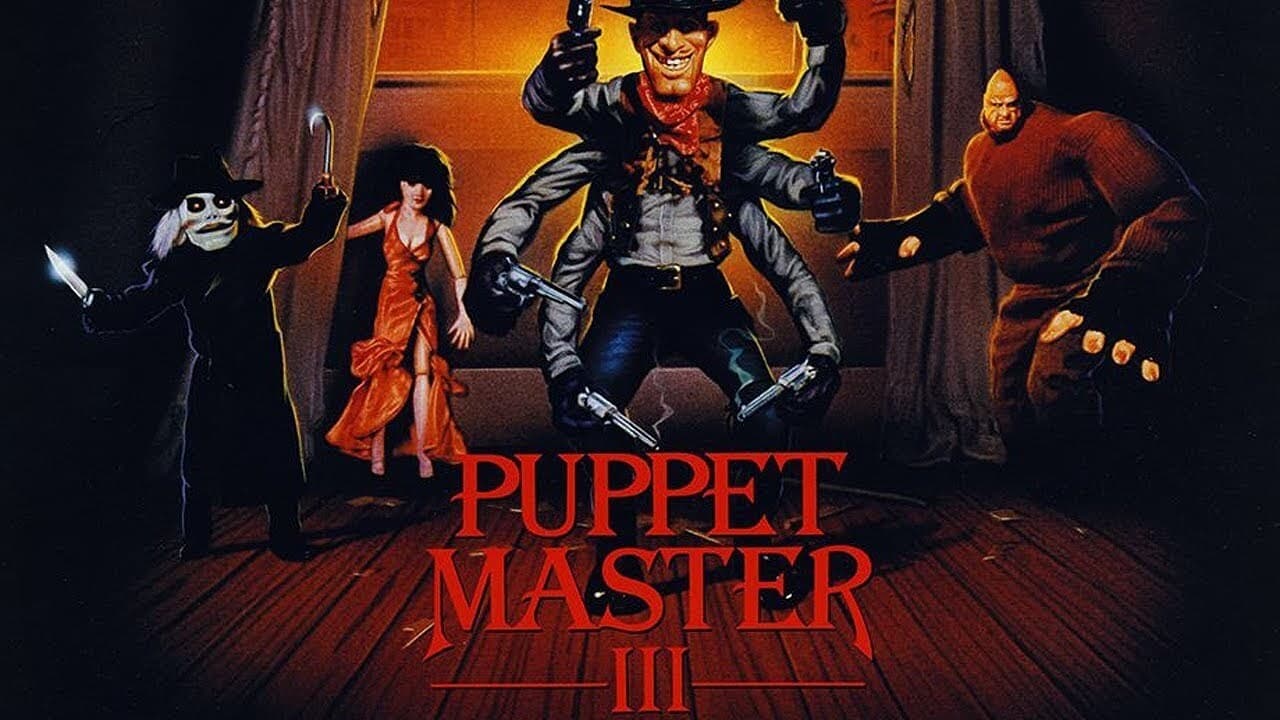
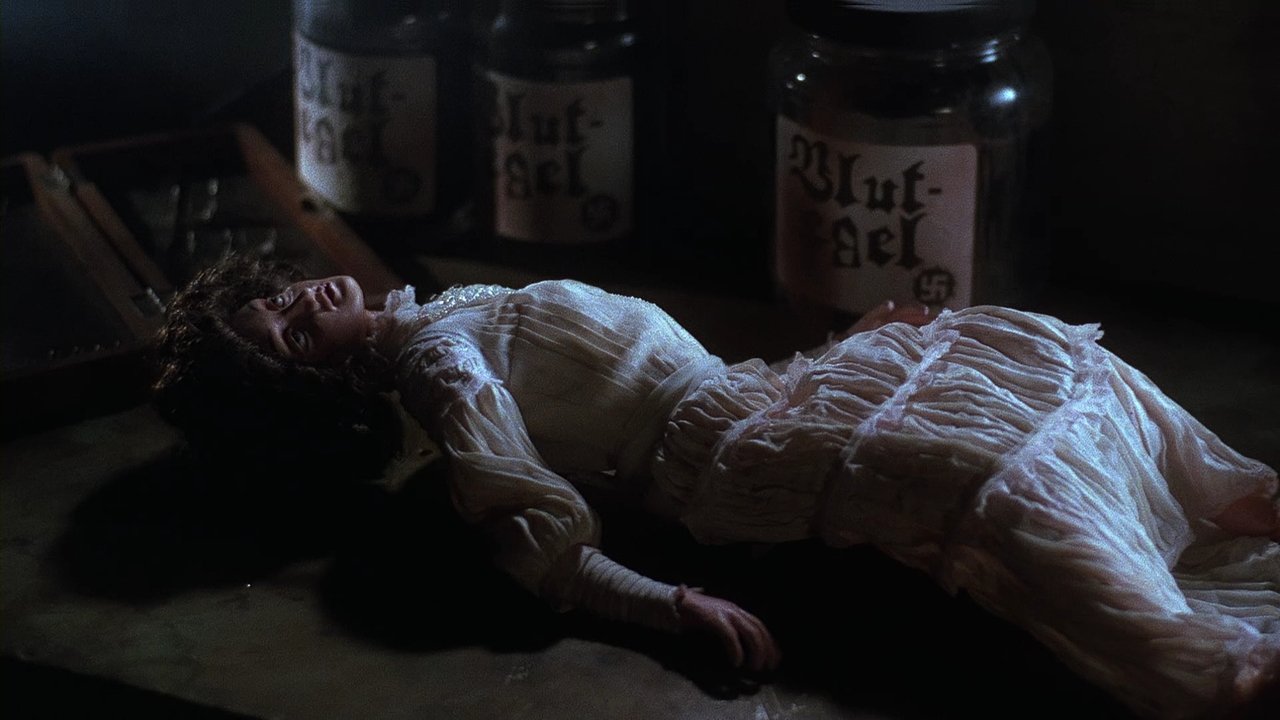
Of course, the puppets are the stars, and Puppet Master III gives them ample screen time, showcasing the practical effects wizardry of David Allen Productions. Blade, Pinhead, and Tunneler are back, but the spotlight shines on two key players. We witness the "birth" of Leech Woman, created from Elsa's essence, in a sequence that’s both touching and deeply unsettling – culminating in perhaps the franchise's most notoriously squirm-inducing kill. Remember that scene? It's the kind of gruesome practical effect that stuck with you long after the tape ended. This installment also marks the debut of Six-Shooter, the multi-armed cowboy puppet, adding a new dynamic to the team's vengeful assaults. Director David DeCoteau, a maestro of low-budget efficiency often working under various names for Charles Band's Full Moon Entertainment, keeps the action taut and focused, making the most of his resources. Rumor has it that C. Courtney Joyner's script was seen internally as a significant step up, aiming for a darker, more character-driven narrative, and it largely succeeds.
Berlin on a Budget
Let's be honest, the Californian locations don't always scream "wartime Berlin," but the film makes a valiant effort with costumes, props, and shadowy cinematography. This was peak Full Moon Features efficiency – delivering slick-looking genre films directly to the thriving VHS market, often shooting projects back-to-back to maximize tight budgets (likely hovering under a million dollars, a pittance even then). Those constraints sometimes show, but they also arguably forced a focus on story and character that elevates Puppet Master III above many of its peers and even some of its own franchise entries. It proved that direct-to-video didn't always mean cheap or thoughtless; it could deliver atmosphere and even pathos. The gamble of turning the series' shadowy puppet master into a sympathetic protagonist paid off, hooking viewers with a darker, more compelling narrative thread.
The Verdict
Puppet Master III: Toulon's Revenge stands as a high-water mark for the long-running franchise and a standout example of ambitious direct-to-video filmmaking from the early 90s. It dared to be different, injecting genuine pathos and historical darkness into its killer puppet premise. Guy Rolfe's performance anchors the film with unexpected gravitas, Richard Lynch provides a truly chilling villain, and the practical puppet effects deliver the goods with gruesome creativity. While hampered occasionally by its budget, the film's commitment to its darker tone and revenge narrative makes it surprisingly effective. It successfully transformed Toulon into an anti-hero we could root for, setting a new standard for the sequels that followed.
Rating: 7/10
Justification: The score reflects the film's surprising quality within its DTV origins and franchise context. It boasts a stronger script, committed performances (especially Rolfe and Lynch), effective practical effects, and a bold tonal shift that largely works. Points are deducted for the inherent limitations of its budget (sometimes unconvincing locations) and the inescapable B-movie nature of the killer puppet concept, but it punches well above its weight.
Final Thought: For many fans who discovered this on a dusty video store shelf, Puppet Master III wasn't just another sequel – it was the moment the series got serious, proving that even tiny terrors could carry the weight of history and vengeance. Doesn't that Leech Woman scene still make your skin crawl just thinking about it?