The air crackles differently in this one. Less than twelve months after Andre Toulon’s diminutive legion first twitched to unnatural life on our screens, they returned to the Bodega Bay Inn. But the game had changed. The eerie mystery of the first film curdled into something grimmer, more desperate. Puppet Master II, hitting video store shelves in 1990, didn't just bring back the familiar wooden faces; it brought a tangible sense of decay and a nasty new thirst. This wasn't just about murder anymore; it was about essence.
A Darker Resonance
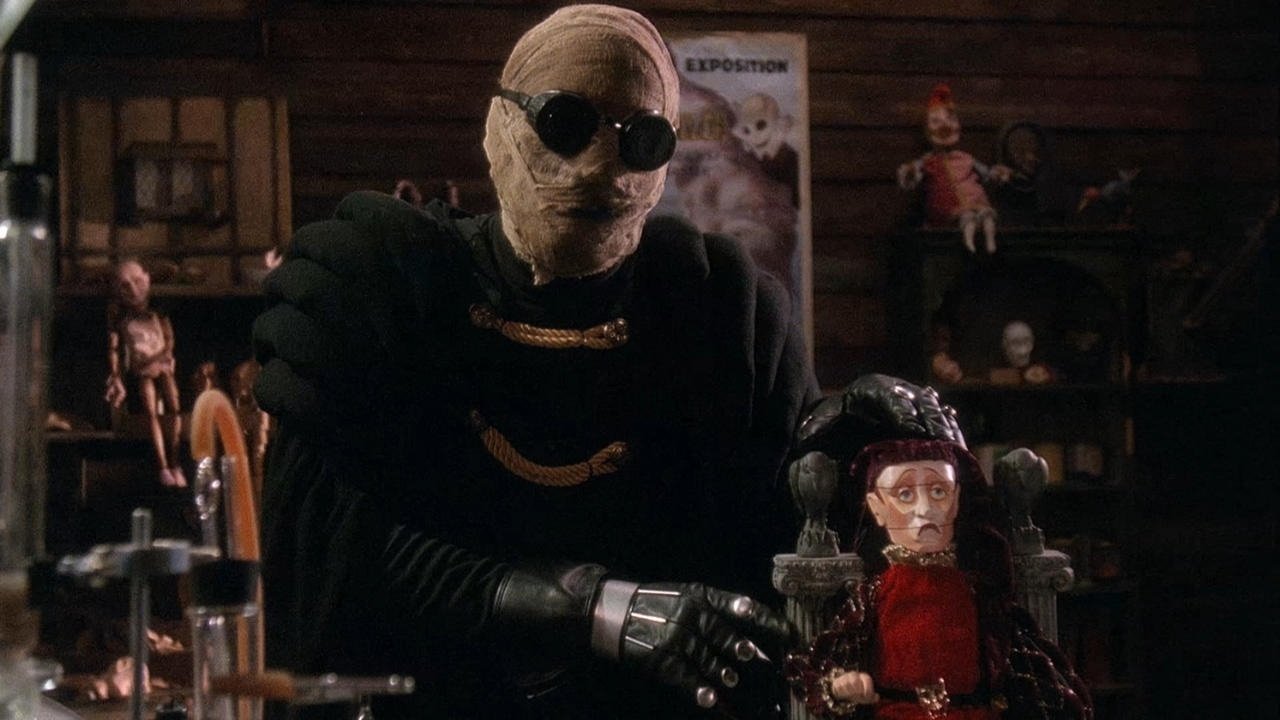
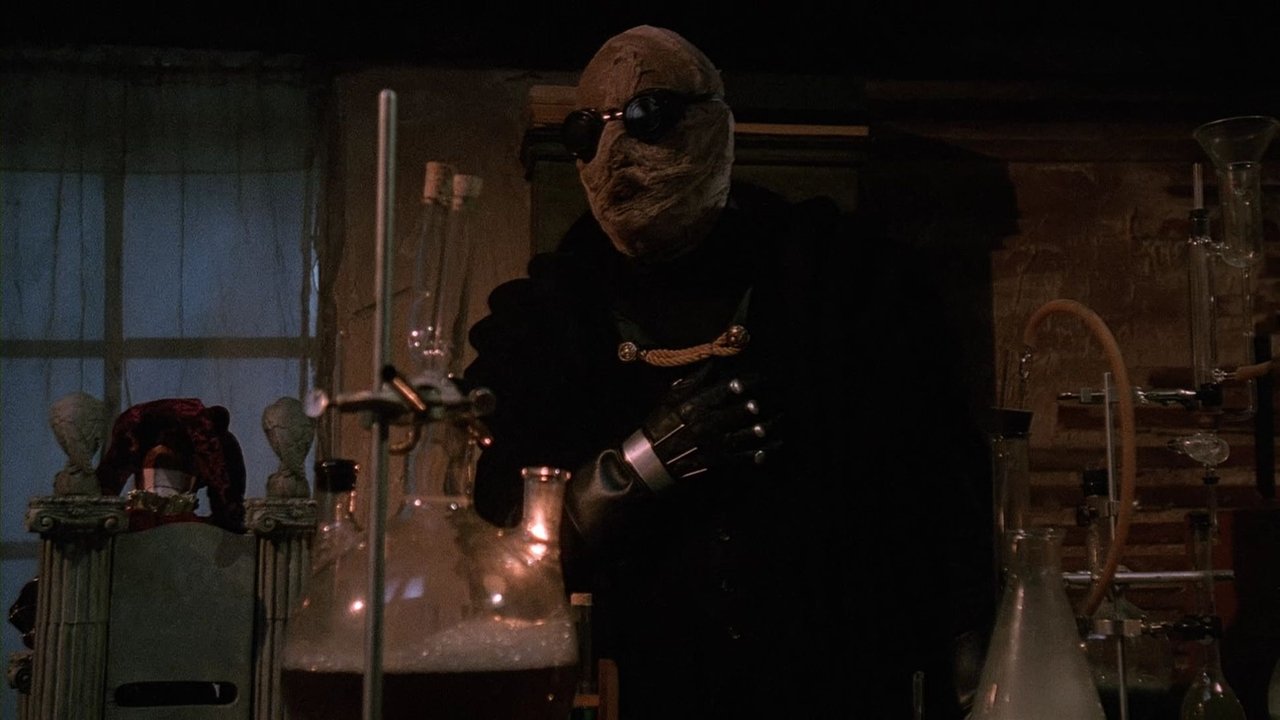
While the original Puppet Master (1989) had a certain gothic charm, a slow-burn unveiling of its sinister marionettes, this sequel plunges headfirst into the muck. Directed by the legendary stop-motion animator Dave Allen (whose wizardry graced films like The Howling (1981) and Young Sherlock Holmes (1985)), Puppet Master II feels heavier, colder. The plot sends a team of paranormal investigators – because, of course, it does – back to the ill-fated inn, seeking answers about the strange deaths and the legend of Toulon. What they find is Toulon himself, or rather, his reanimated, bandaged husk (Steve Welles, delivering a performance steeped in graveyard theatricality), now desperate to perfect his life-giving formula. And the key ingredient? Human brain tissue, naturally.
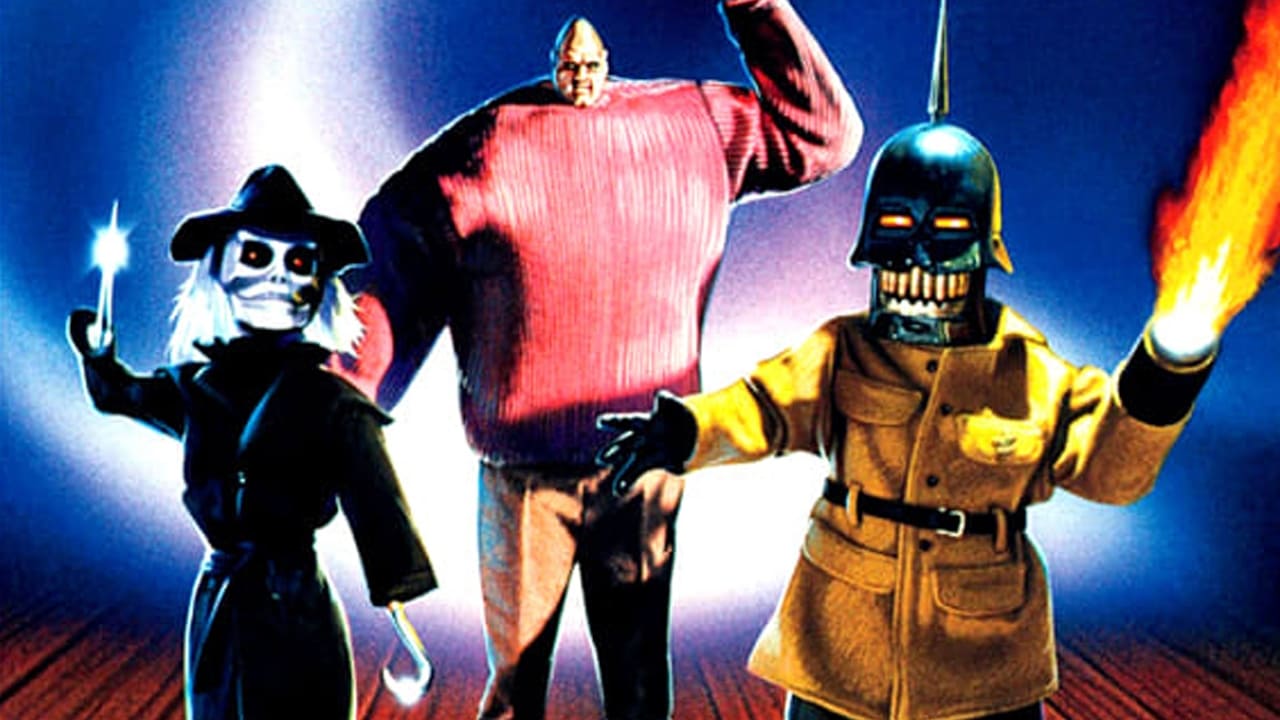
This central quest gives the film a visceral, unpleasant edge that distinguishes it. The puppets – Blade, Pinhead, Tunneler, Leech Woman – are no longer just enigmatic killers; they're harvesters, dispatched on gruesome errands by their decaying master. Remember the squirm-inducing leech scene from the first film? This sequel leans into that body horror impulse with renewed, almost gleeful, abandon. It felt nastier, somehow, renting this tape; the slightly grimy feel of the plastic clamshell case seemed to mirror the film's own murky morality.
Torch Lights the Way
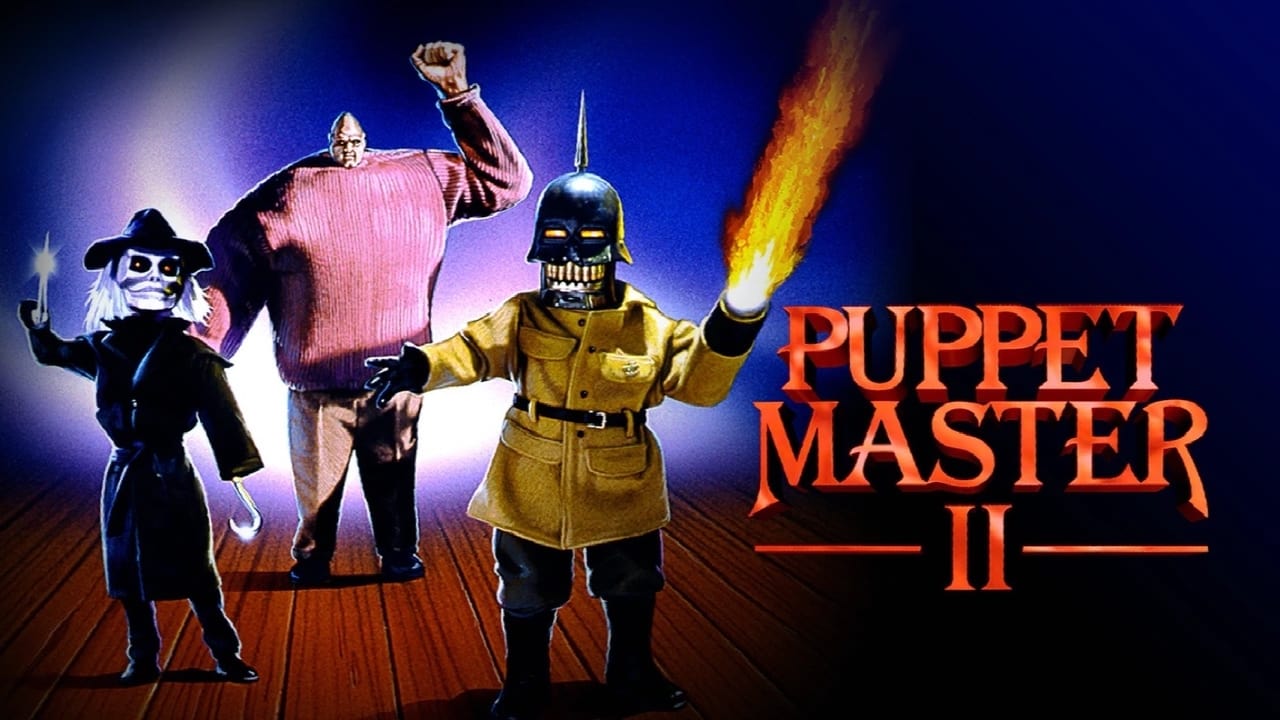
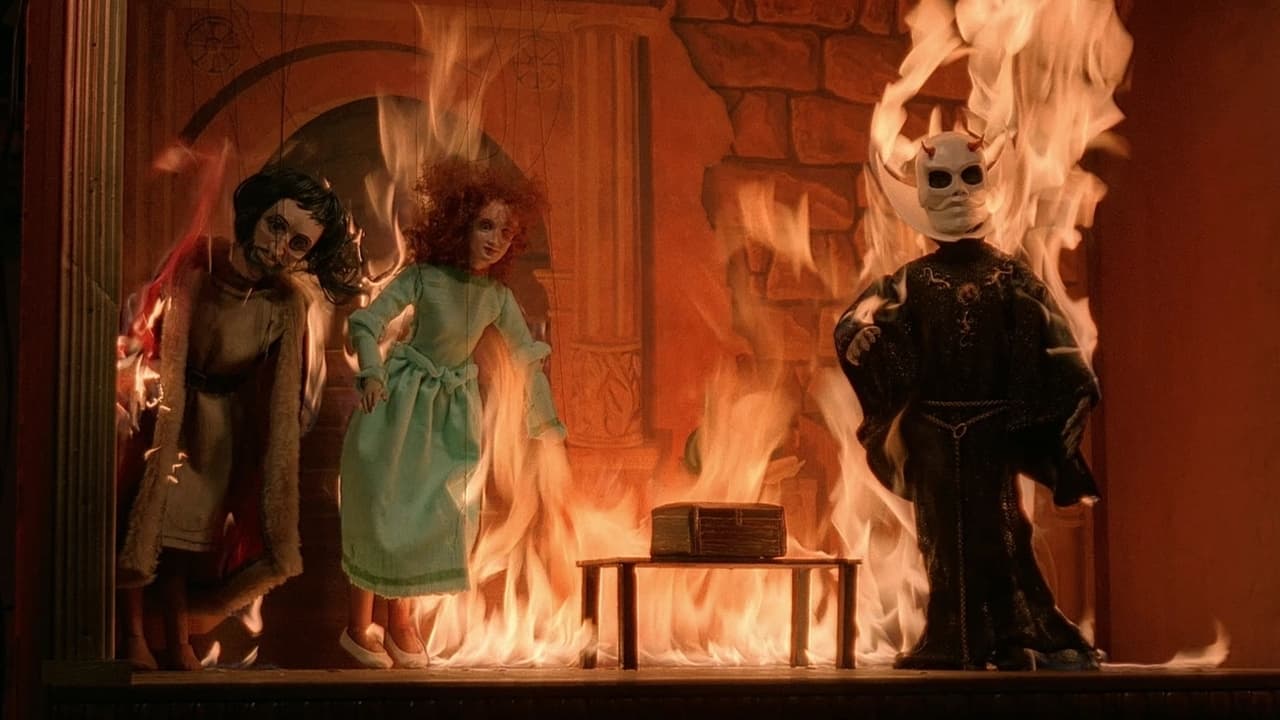
Of course, the big draw for many returning fans was the introduction of a new puppet: Torch. With his gleaming chrome helmet, fixed rictus grin, and wrist-mounted flamethrower, Torch was an instant icon. His design felt like a direct escalation – more overtly aggressive, less reliant on stealth than his wooden brethren. There’s a reason he became a fan favorite, appearing prominently on subsequent VHS covers. His fiery entrance and relentless nature provided some of the film's most memorable, and genuinely startling, moments. The practical effect of that flamethrower, spitting real fire in miniature sets, had a dangerous allure that CGI rarely captures. Did that initial blast genuinely make you jump back then? It certainly felt potent on a flickering CRT screen.
The stop-motion animation, Dave Allen’s signature craft, remains a highlight. There's a deliberate, unsettling quality to the puppets' movements – jerky, yet purposeful. It’s a style of effect that feels increasingly precious in our digital age. Seeing Blade’s knife hand flick out or Tunneler’s drill whirring towards a victim possesses a tangible weight, a physical presence that grounds the fantasy in a disturbingly real way. Full Moon Features, under the guidance of producer Charles Band, knew their audience craved these practical nightmares, and they delivered, even on notoriously tight budgets. This quick sequel, rushed into production to capitalize on the original’s surprising success on video, feels like a testament to that B-movie ingenuity – making the most of limited resources to deliver maximum creepiness.
Uneven Rhythms, Enduring Chill
Let's be honest, the human element often takes a backseat in these films. The performances, including lead Elizabeth Maclellan as psychic investigator Carolyn, range from earnest to endearingly wooden. The dialogue, penned by David Pabian and Charles Band, occasionally dips into pure exposition or lines that clunk like dropped logs. But does it matter? For many of us watching back then, the humans were just the necessary backdrop, the eventual fodder for the real stars: the puppets and their grotesque mission.
The atmosphere, however, remains potent. The score by Richard Band enhances the dread, leaning into minor keys and sudden stings. The production design maintains the claustrophobic feel of the inn, dusty corridors and shadowed rooms hiding deadly surprises. It’s a film that understands the power of suggestion as much as explicit gore, though it certainly doesn't shy away from the latter when Toulon's desperation peaks. The climactic scenes, involving a transfer of consciousness and a truly bizarre puppet transformation, push the franchise into stranger, more surreal territory. It might not all land perfectly, but the ambition to go darker and weirder is palpable.
Final Verdict
Puppet Master II isn't high art, nor does it pretend to be. It’s a direct-to-video horror sequel crafted with passion for its practical effects and a clear understanding of its target audience. It amplified the gore and the grimness of the original, introduced an iconic new puppet, and solidified the franchise's cult status. While the human drama might falter, the chilling presence of the puppets, the unsettling atmosphere, and the tangible menace of Dave Allen’s stop-motion wizardry leave a lasting impression. It’s a grimy, effective slice of late-night VHS horror that understood exactly what it needed to be.
Rating: 6/10
Justification: The score reflects the film's undeniable strengths in practical effects (especially the puppets and stop-motion by the legendary Dave Allen) and atmosphere, successfully building on the original's premise with a darker tone and the iconic introduction of Torch. However, it's held back by uneven pacing, some clunky dialogue, and underdeveloped human characters, common traits of the direct-to-video horror of the era. It’s a solid, memorable sequel for fans, but not without its flaws.
Final Thought: More than just a sequel, Puppet Master II felt like Full Moon doubling down on the grim potential of their miniature menaces, proving that sometimes, nastier really is better for cult longevity.