The glare from the tube flickered, the tracking lines occasionally blurring the image just enough to heighten the unease. It’s 1999 on the tape spine, a time when direct-to-video sequels were less a guarantee of quality and more a gamble taken down at the local Blockbuster. And nestled amongst the bigger budget fare was Wishmaster 2: Evil Never Dies, a title that promised more of the demonic mayhem unleashed just two years prior. It didn't quite capture the dark fairytale gone wrong vibe of the Robert Kurtzman original (produced by horror maestro Wes Craven), but it carved its own niche in late-night nasty, largely thanks to the returning, malevolent charisma of its star.
Back From the Fire Opal
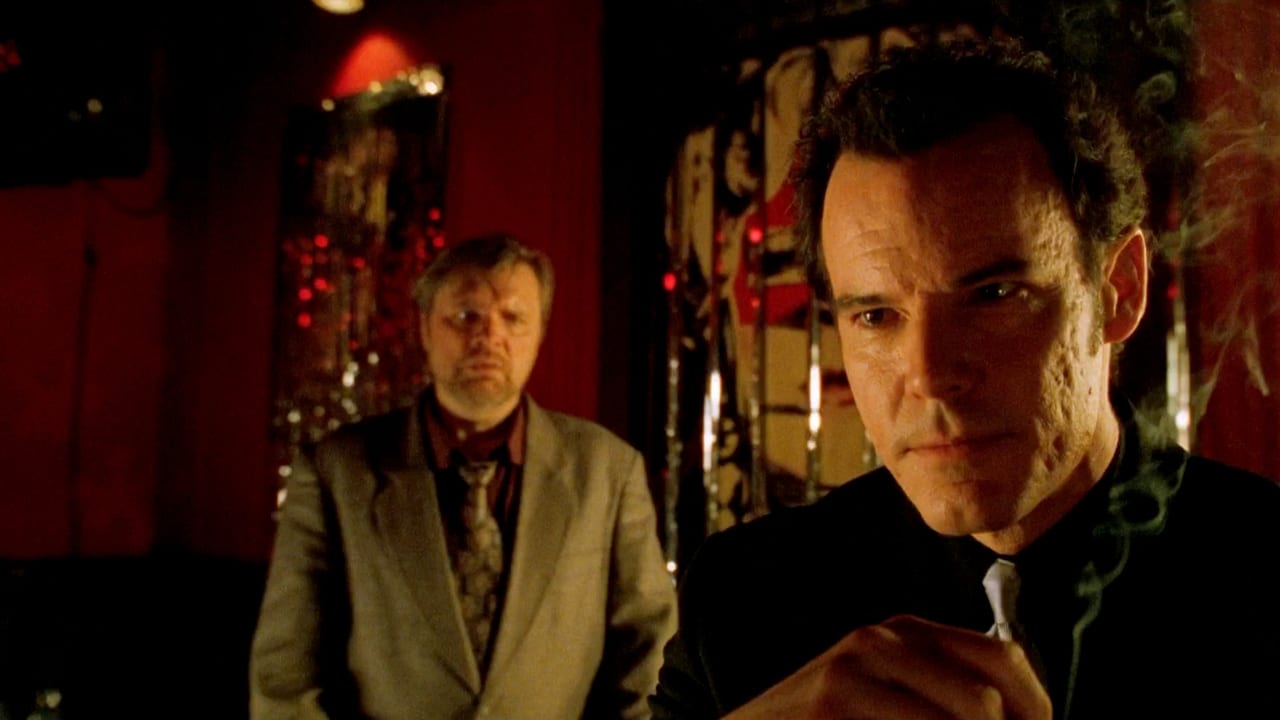
Picking up seemingly right after the chaos of the first film, the sinister Djinn, still trapped within the fire opal, finds himself inadvertently released during a botched art heist. This time, however, his prison isn't some antique statue but the very mortal coil of the thief responsible, quickly landing him – in human guise as Nathaniel Demerest – inside a maximum-security prison. It’s a change of scenery that immediately signals the sequel's grittier, less fantastical approach. Forget ancient curses whispered in dusty antique shops; this is about raw survival and manipulation within concrete walls, at least initially.
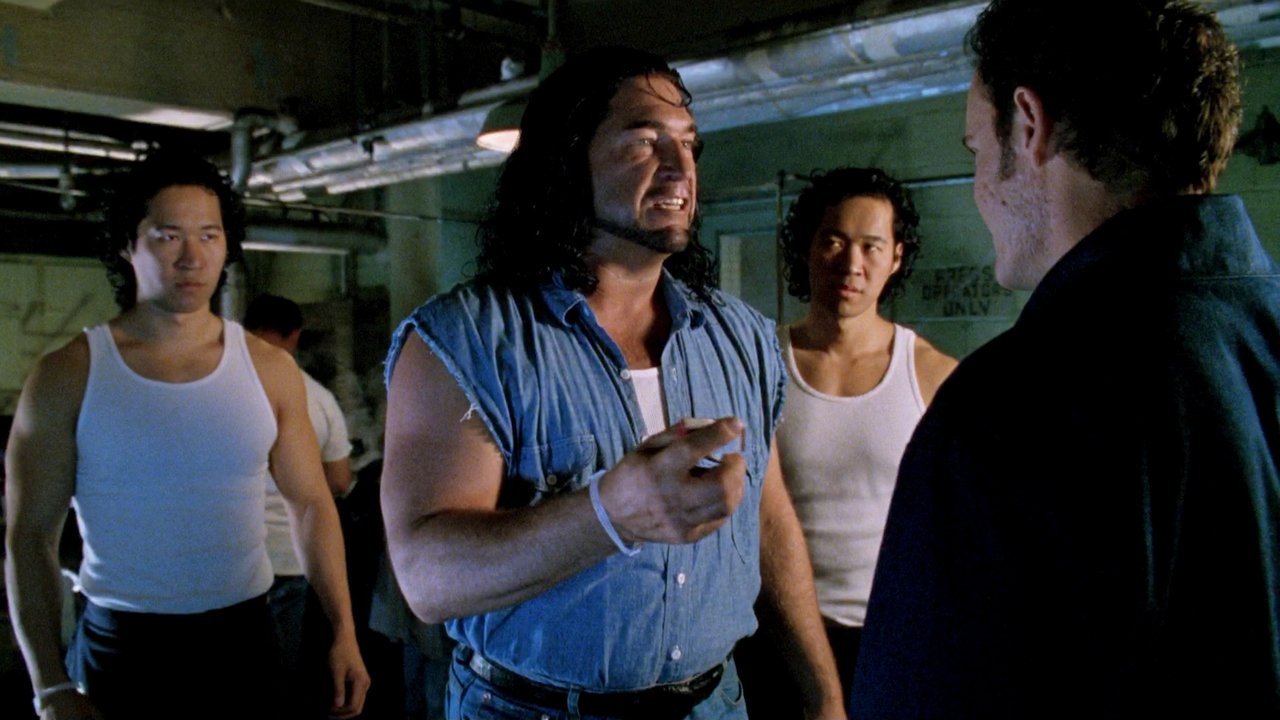
The shift in setting, while likely budget-driven for this straight-to-video follow-up, gives the film a distinctly different, albeit darker, flavor. Director Jack Sholder, no stranger to horror sequels having helmed A Nightmare on Elm Street 2: Freddy's Revenge (1985) and the excellent sci-fi actioner The Hidden (1987), brings a workmanlike efficiency to the proceedings. You can almost feel the constraints of the budget ($2.5 million, a fraction of the original's $5 million which itself wasn't huge), but Sholder uses the claustrophobic prison environment to his advantage, creating pockets of genuine tension as the Djinn begins granting his twisted "favors" to the inmate population.
Divoff's Demonic Delight
Let's be honest, the primary reason Wishmaster 2 remains lodged in the memory banks of many a VHS hound is Andrew Divoff. Reprising his role as both the charmingly sinister Nathaniel Demerest and the monstrous Djinn, Divoff is the movie. His deep, gravelly voice drips with eloquent menace, and his piercing eyes seem to hold centuries of cruel amusement. There's a palpable glee in his performance as he verbally spars with guards, manipulates fellow prisoners, and delivers the Djinn’s signature deadly wordplay. It's a performance that elevates the material considerably. Did you know Divoff actually speaks eight languages? That facility with language certainly bleeds into the Djinn's articulate, persuasive evil. He’s having an absolute blast, and it's infectious in the darkest way possible.
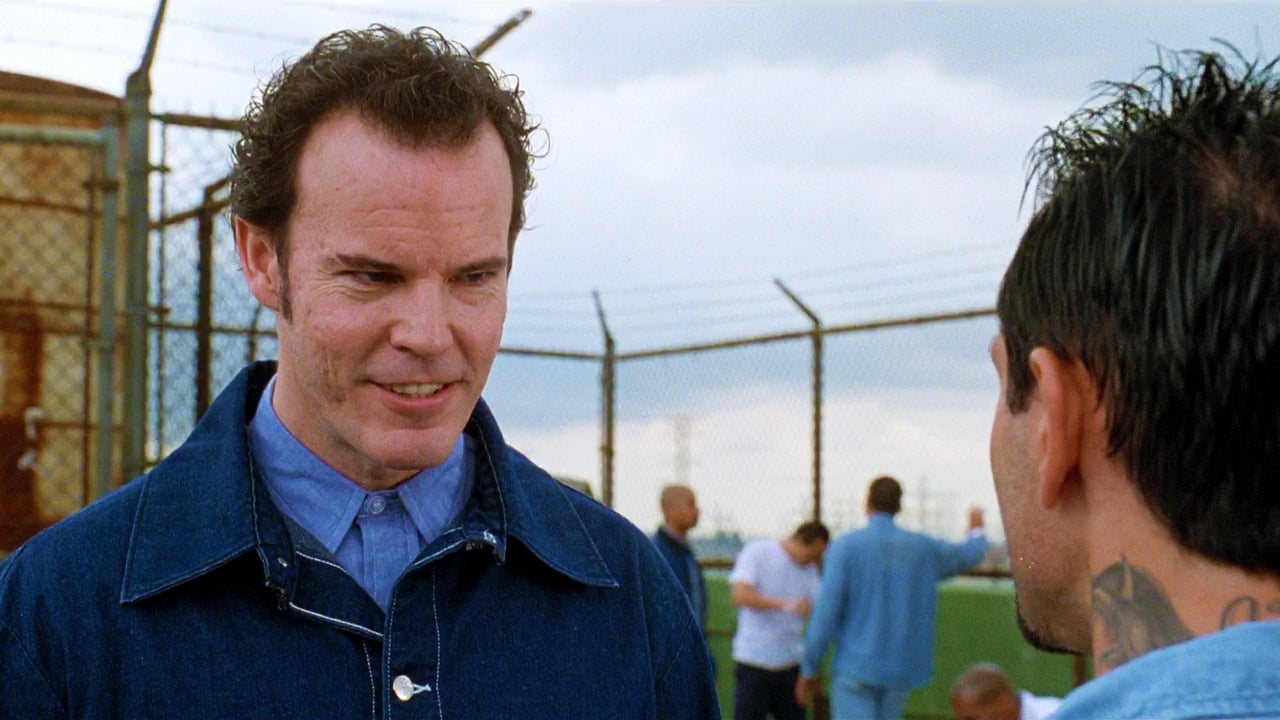
The central premise remains unchanged: make a wish, and the Djinn will grant it in the most horrifying, literal way possible, harvesting the wisher's soul in the process. This sequel leans heavily into the gruesome potential. Sholder, working again with KNB EFX Group (who also worked on the first film), delivers some memorable, squirm-inducing practical gore effects that were the bread and butter of late 90s DTV horror. Remember that lawyer getting exactly what he wished for? Or the guard's unfortunate encounter with a cell door? These moments, while perhaps lacking the sheer scale of the first film's notorious party massacre, have a nasty, close-up intimacy that sticks with you. They feel tactile, physical, in a way that CGI rarely achieves, even today.
Wishes, Weaknesses, and the Watchability Factor
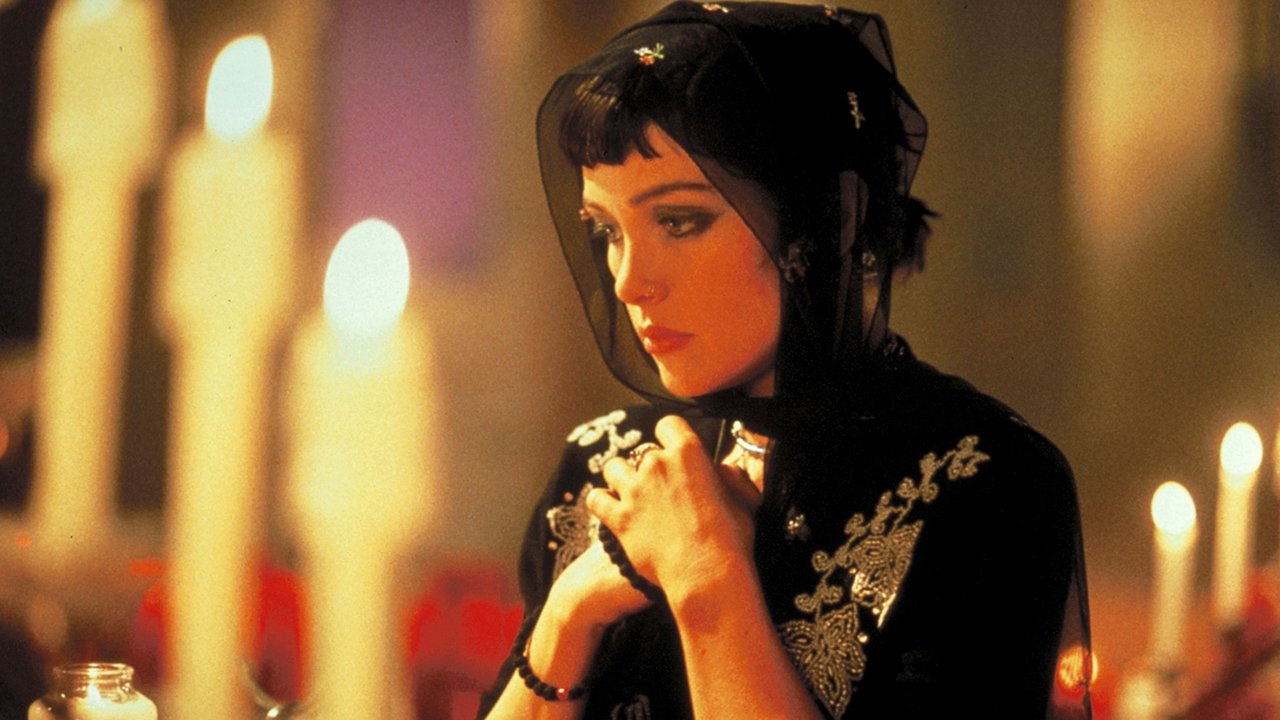
While Divoff holds the center, the surrounding elements are admittedly more uneven. Holly Fields as Morgana, the nun who becomes the Djinn’s primary target once he escapes prison, is serviceable but lacks the same compelling presence as Tammy Lauren in the original. The plot mechanics – the Djinn needing to grant 1001 souls' wishes to unleash his brethren upon the Earth, while Morgana seeks a way to stop him – feel somewhat perfunctory, a necessary engine to drive us from one gruesome set piece to the next. The final act shift to a Las Vegas casino feels a bit abrupt after the grounded prison setting, though it allows for some broader, if sillier, wish-fulfillment carnage.
There's a certain "made for video" feel that permeates the film – slightly flatter lighting, less elaborate sets outside the prison, and a script that prioritizes gnarly kills over complex character arcs. Yet, it avoids feeling cheap or lazy. There's an earnest commitment to its B-movie horror premise. It knows what its audience wants – Divoff chewing scenery, creative kills, and a powerful demonic threat – and it delivers those elements with gusto. It never quite reaches the inventive heights or darker fairytale tone of the first Wishmaster, but as far as late-90s DTV horror sequels go, it’s surprisingly entertaining and holds up better than many of its contemporaries. It was reportedly shot in just 18 days, a testament to Sholder's efficient direction under pressure.

---
VHS Heaven Rating: 6/10
Justification: Wishmaster 2 is undeniably a step down in ambition and budget from its predecessor. The plot feels more formulaic, and the supporting cast is less memorable. However, Andrew Divoff's magnetic and delightfully evil performance single-handedly elevates the film, making it compulsively watchable. The practical gore effects are effectively nasty for their time, and the prison setting provides a decent atmospheric shift early on. It delivers exactly what you expect from a late-90s DTV horror sequel starring a gleeful demonic genie – no more, no less.
Final Thought: While it lacks the surprising dark magic of the original, Wishmaster 2: Evil Never Dies is a solid slice of late-VHS era horror, fueled by a truly iconic villain performance that ensures this Djinn's evil wishes still echo faintly in the static hiss of memory. Be careful what you wish for, indeed.