The flickering static dissolves, leaving behind the familiar gothic grandeur of the Bodega Bay Inn. But something feels different this time. The air hangs thick not just with dust and secrets, but with an ancient, malevolent energy stirring from dimensions beyond. Forget the slash-and-stalk dread of earlier entries; Puppet Master 4 plunges us into a different kind of darkness, one where the tiny terrors we thought we knew become humanity's unlikely last stand against forces far more cosmically horrifying. This isn't just another sequel; it's the turning point where Andre Toulon's legacy twists into something altogether stranger.
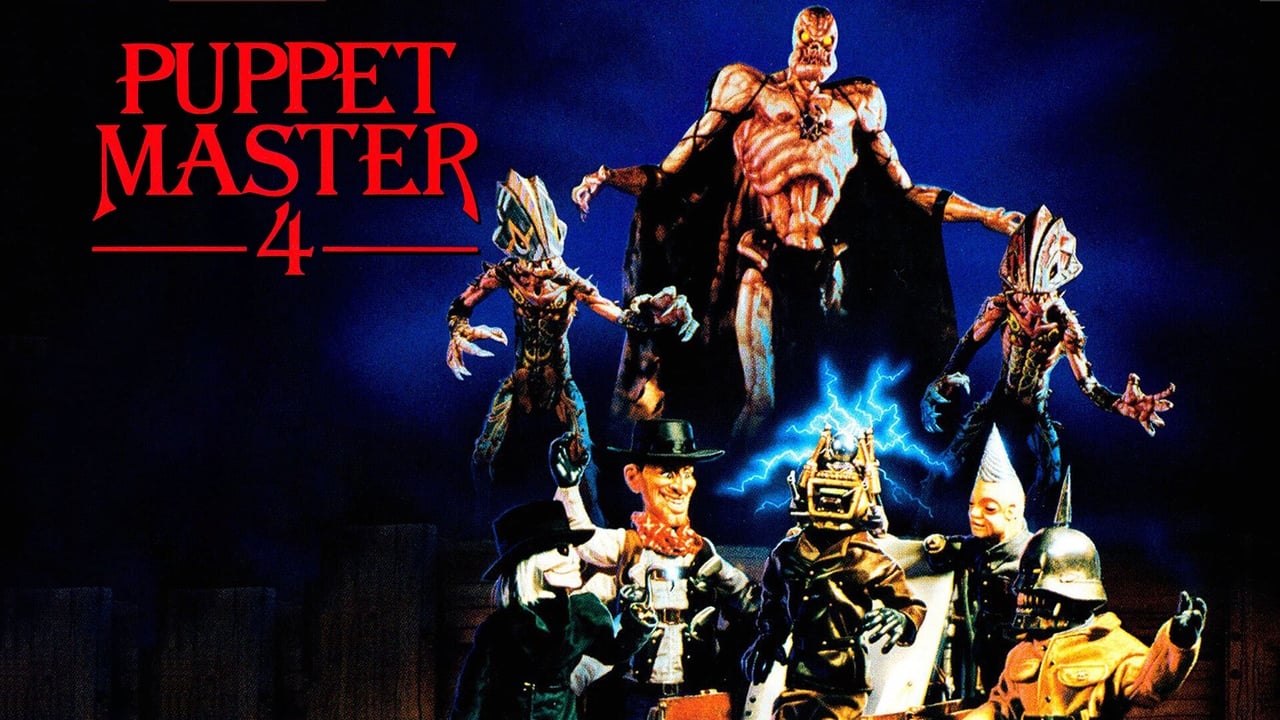
When Nightmares Fight Nightmares
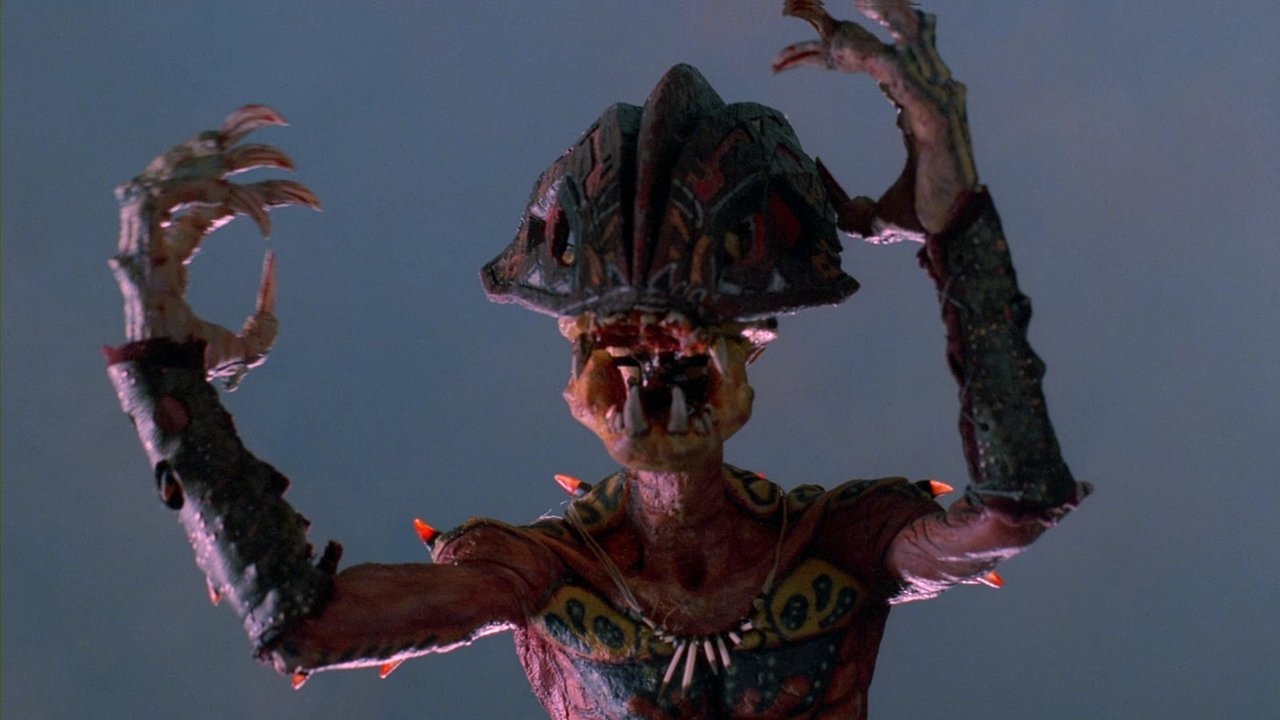
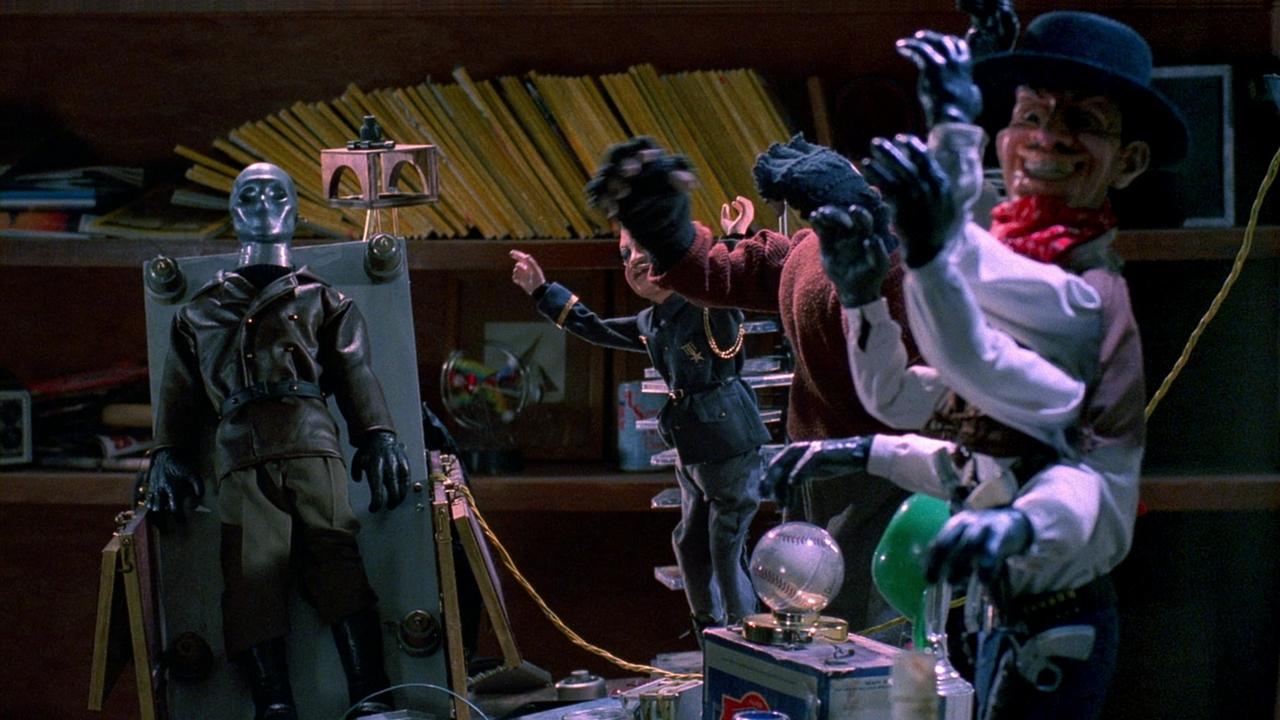
Released in 1993, right in the thick of the direct-to-video boom that Charles Band and Full Moon Features practically defined, Puppet Master 4 represents a significant pivot for the franchise. We meet Rick Myers (Gordon Currie), a young scientist working on artificial intelligence within the resonant walls of the Bodega Bay Inn. Unbeknownst to him, his research brushes against the arcane secrets of animation sought by the demonic entity Sutekh. To reclaim this power, Sutekh dispatches small, vicious entities called Totems – nasty little hell-spawn that feel like H.R. Giger designed Gremlins after a particularly bad trip. Suddenly, the familiar faces of Blade, Pinhead, Tunneler, Jester, and Six-Shooter aren't the primary threat. They are awakened, seemingly by Toulon's lingering spirit, to protect Rick. Doesn't that shift still feel jarring, even now? Watching those previously murderous marionettes turn into pint-sized bodyguards was a curveball many of us renting this on a Friday night didn't see coming.
Practical Magic in a Digital Dawn
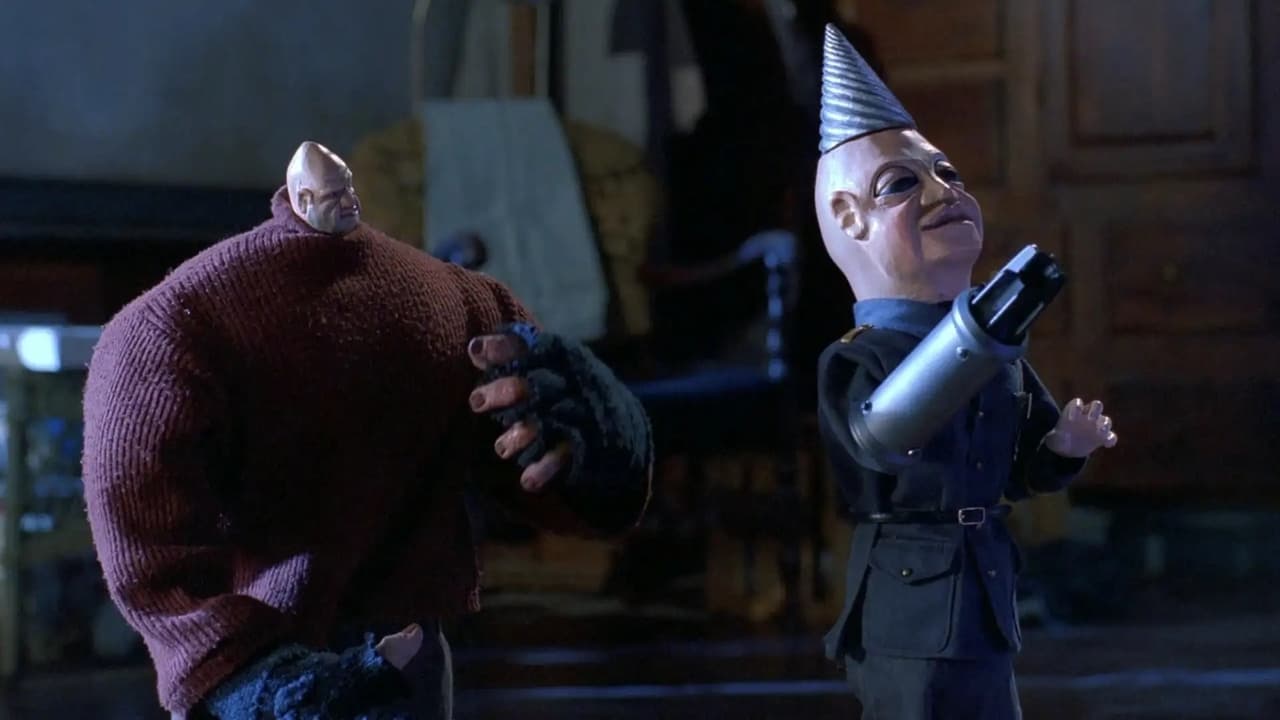
Directed by Jeff Burr, a man no stranger to helming sequels in established horror franchises (Leatherface: Texas Chainsaw Massacre III, Stepfather II), Puppet Master 4 benefits from a certain visual confidence, even on its modest budget. Burr understood the assignment: deliver the puppet action. And deliver he does. The practical effects, largely the domain of the legendary David Allen Productions (though Allen himself was less hands-on by this point), remain the core appeal. Watching Blade stalk the corridors, the whirring threat of Tunneler, the silent menace of Pinhead – it still evokes that specific brand of low-budget, high-concept charm. The design of the Totems is genuinely unsettling – organic, sharp-edged, and utterly alien compared to Toulon's more handcrafted creations. Their jerky, stop-motion movements add to their unnatural menace, a stark contrast to the smoother rod-puppet work used for the mainstays.
This film also introduces Decapitron, Toulon's ultimate creation, powered by Rick's life force and capable of swapping heads for different functions (including a rather nifty laser). Decapitron's reveal is pure Full Moon pulp, a wonderfully bizarre concept brought to life with admirable practical ingenuity. Behind the scenes, the efficiency was cranked up. Puppet Master 4 was famously shot back-to-back with its successor, Puppet Master 5: The Final Chapter (spoiler: it wasn't). This strategy allowed Full Moon to maximize resources, using the same core cast (Gordon Currie, Chandra West as Susie, Ash Adams as Cameron), sets, and crew across two films, a common practice for Charles Band to keep the VHS pipeline flowing steadily and affordably. You can almost feel that compressed schedule in the film's brisk pacing.
A Shift in the Shadows
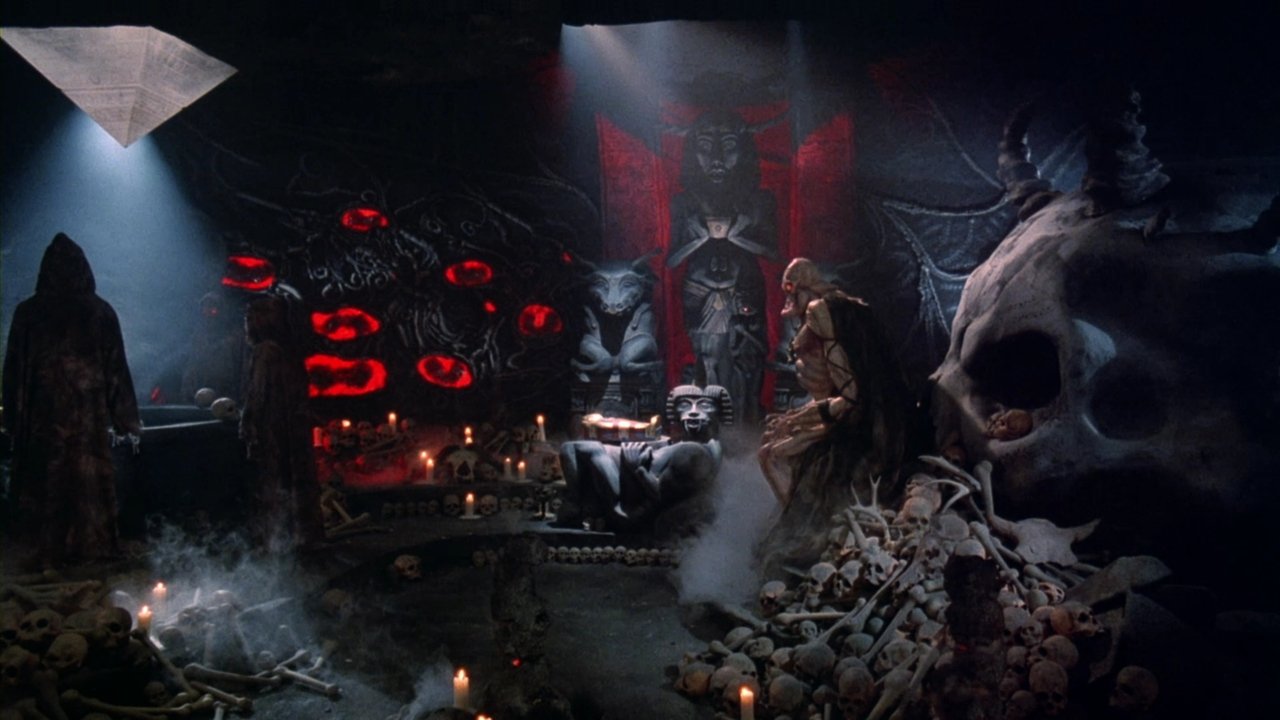
While the heroic turn for the puppets provides novelty, it undeniably dilutes some of the inherent dread. The earlier films thrived on the ambiguity and sheer creepiness of these small figures turning mundane environments into death traps. Here, the focus shifts to supernatural combat, more akin to a dark fantasy adventure than a straight horror flick. Gordon Currie does his best as the beleaguered scientist, projecting earnestness amidst the puppet chaos, while Chandra West provides the necessary supportive confidante role. The performances are functional, serving the plot rather than elevating it, which is often par for the course in these DTV chronicles.
The atmosphere, however, still holds pockets of effectiveness. The Bodega Bay Inn retains its inherent spookiness, and Richard Band's score, a recurring highlight of the series, effectively blends eerie melodies with more bombastic action cues. The low lighting and Burr's framing often emphasize the small scale of the conflict, making the puppets' world feel claustrophobic and intense, even when the human drama feels secondary. One fascinating tidbit involves the script development. While Charles Band provided the story concept, the screenplay involved multiple writers, including comic book writer Jo Duffy. This might partly explain the more fantastical, almost comic-book-like turn the narrative takes, moving firmly into battling demonic forces rather than human antagonists. It was a deliberate choice to expand the mythology, even if it alienated some fans of the earlier, grittier entries.
Did the Magic Hold?
Revisiting Puppet Master 4 is like unearthing a specific stratum of VHS memory. It’s the moment the series consciously decided to lean into its own expanding lore, embracing the weirdness and making its creations the stars in a more traditional sense. The practical effects, while perhaps showing their seams more clearly on modern screens, possess a tactile charm that CGI often lacks. The Totems remain effective creature designs, and the sheer audacity of Decapitron is hard not to appreciate. It lacks the raw, unsettling edge of the first few films, trading suspense for supernatural spectacle.
Rating: 6/10
Justification: Puppet Master 4 earns its 6 for successfully pivoting the franchise in a bold new direction, delivering on the expected puppet mayhem with solid practical effects (especially the Totems and Decapitron), and maintaining a decent B-movie atmosphere thanks to Jeff Burr's experienced hand and Richard Band's score. The back-to-back filming trivia adds production context to its feel. However, it loses points for the less compelling human characters, a plot that sometimes feels rushed due to that production schedule, and the fact that turning the puppets into heroes inherently lessens the unique horror factor that defined the earlier installments. It's fun, inventive pulp, but less genuinely chilling.
Final Thought: This wasn't just another tape on the rental shelf; it felt like a declaration. Puppet Master 4 cemented the puppets not just as horror icons, but as unlikely fantasy warriors, ensuring their tiny, deadly reign would continue through countless more battles glimpsed in the glow of a CRT screen.